
Tabelog 100 #100
Our verdict
Kokopelli is a Sapporo bakery with Tabelog Bread EAST “Tabelog 100” selections in 2020 and 2022, placing it in a serious regional bread conversation rather than a casual snack stop. Its appeal is partly format: a compact bread-focused operation in Soen, where short opening windows, take-out service, and a narrow category focus reward planning.

Pearl is the En Primeur Club membership app, where members save venues, book tables and use the concierge.
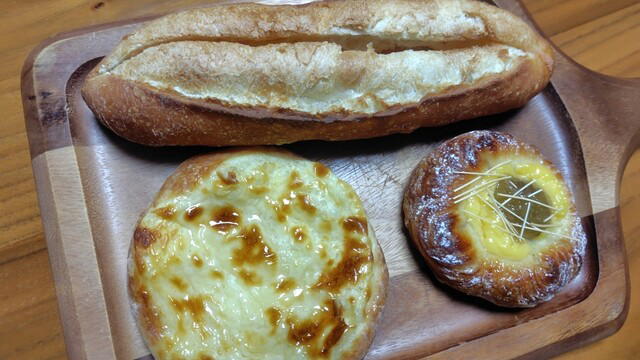
The menu
What to order
- French bread
- Honey dinner rolls
- Health-conscious baked goods
Approaching a serious Japanese bakery feels different from arriving at a restaurant: less ceremony, more intent. The room is built around the counter, the tray, and quick decisions before the day’s production thins out. In Sapporo, that format matters. Hokkaido’s dairy, wheat, and cold-climate appetite give bread culture a stronger local footing than in many Japanese cities. Kokopelli belongs to the practical, product-led side of the city’s food scene, where space is less spectacle than controlled throughput.
That restraint is the point. Sapporo dining is often framed through ramen, soup curry, seafood, and winter drinking, but its better bakeries occupy a quieter lane: day-to-day businesses with tight production rhythms and loyal locals. Kokopelli’s inclusion in the Tabelog Hyakumeiten bread selection in 2022 gives it a clear credential there. This is not Michelin sushi or hotel-dining accolade economy; it signals category recognition in a crowded, daily-use field where consistency matters more than theatre.
A compact bread counter in a city built for strong daily eating
The design story is functional, not decorative. A bread shop must display enough variety to justify the trip, move customers through a small space, and protect the rhythm of baking without turning the counter into a showroom. Kokopelli sits closer to Sapporo’s everyday specialist culture than to destination fine dining. The experience is shaped by what the room allows: browsing, choosing, and leaving with bread rather than settling in for service.
That explains why bakeries with serious followings can feel so direct. There is little buffer between production and sale, and a limited daily rhythm changes how the space behaves. Late lunches and flexible walk-ins are restaurant habits; bakery habits are earlier, sharper, and more tactical. For travellers used to booking tasting menus, this needs different planning. The reward is access to a local food category that rarely appears in a visitor’s first draft of Sapporo, even though it says much about how the city eats between better-known bowls and grills.
Within Sapporo’s price bands, bread also plays a different role. A visit sits in a lighter spend category than formal sushi rooms such as Sushi Miyakawa, and competes less with full meals than with specialist stops. It is a useful counterpoint to addresses like Araton Honten and NOUILLES JAPONAISE Tokuichi, or to other focused names such as Patisserie Shiiya. The comparison is not cuisine-for-cuisine; it is about how Sapporo rewards narrow expertise.
Why the recognition matters in a bakery context
Japan’s bakery culture has absorbed French technique, German formats, soft shokupan traditions, and local ingredient pride without collapsing into one style. In Hokkaido, the dairy association is especially strong, and Sapporo customers know the difference between a convenience stop and a bakery worth a detour. A Tabelog Hyakumeiten bread selection places Kokopelli in that second conversation. The award is category-specific, so it evaluates the shop against other bread specialists rather than restaurants with table service, wine lists, or chef-led tasting menus.
Read that signal not as a guarantee of grandeur, but as evidence of sustained attention from a demanding local review culture. That matters in bread because quality has to repeat across ordinary days. A bakery has to make its case across its daily selection and buying habits. Kokopelli’s 2022 recognition gives it visibility beyond a single casual recommendation, without needing the language of grandeur that belongs to other kinds of dining.
Sapporo travellers often build food days around heavier anchors: miso ramen, jingisukan, seafood markets, soup curry. A bakery stop changes the pace. It works as a morning or midday acquisition rather than a meal that consumes the day, and gives structure to time away from the city’s busiest dining circuits. The room’s simplicity helps. The visit is not trying to replace dinner; it adds a local, portable layer to the itinerary.
How to place it in a Sapporo food day
For a compact eating schedule, Kokopelli works as a specialist stop, not a headline meal. Pair it with other Sapporo categories for a clearer view of the city: unnamed noodle counters, curry shops, seafood rooms, set-meal places, and bakeries with their own local followings. For a broader comparison, keep Kokopelli on the same mental map as other Hokkaido bread seriousness rather than treating it as a conventional restaurant reservation.
The better editorial read is to treat Sapporo as a city of specialists, not a single signature dish. Bread, ramen, curry, sushi, and set meals each have different rhythms and room designs. The spare, counter-led bakery format tells one part of that story: a small physical container can carry serious culinary weight when the category is narrow and execution repeatable. Kokopelli is worth seeking out for that reason, especially for travellers who want the city beyond restaurant reservations and late-night dining.
For planning around the wider city, use Our full Sapporo restaurants guide alongside Our full Sapporo hotels guide, Our full Sapporo bars guide, Our full Sapporo wineries guide, and Our full Sapporo experiences guide. For readers extending the Japan file, EP Club also tracks dining across regions, from unnamed specialist restaurants in other Japanese cities to evolving Japanese formats abroad. The useful point for Kokopelli is simpler: Sapporo’s quieter categories can be as revealing as its headline meals.
Frequently asked questions
What should I budget for a meal at Kokopelli?
Pricing at Kokopelli is listed as JPY 1,000 - JPY 1,999.
Is Kokopelli open every day?
Current opening days and hours are not specified here; confirm directly before visiting.
What part of town is Kokopelli in?
Kokopelli is located in Sapporo.
What makes Kokopelli worth seeking out?
Kokopelli was selected for the Tabelog Hyakumeiten bread selection in 2022, which gives it clear standing among Sapporo bakeries. The format is focused on bread, so timing and availability matter more than the habits of a conventional restaurant meal.
Is Kokopelli good for vegetarians?
Kokopelli is listed in the bread category rather than a meat-led dining format, so some visitors may find it workable. Check individual items directly, especially if you avoid dairy, eggs, or other ingredients.
Comparable Spots
Comparable venues in the metro at similar price points.
| Venue | Cuisine | Price | Awards | Notes |
|---|---|---|---|---|
| KokopelliThis venue (the venue you are viewing) | Neighborhood bakery & bread shop | $1–10 | Tabelog 100 #100 | Not listed |
| Patisserie Shiiya | Not listed | $10–20 | Tabelog 100 #16 | JPY 1,000 - JPY 1,999 JPY 1,000 - JPY 1,999 |
| Araton Honten | Ramen & Tsukemen Shop | $10–20 | Tabelog 100 #23 | JPY 1,000 - JPY 1,999 |
| Teishoku Meshiya | Casual Japanese seafood bowls & shio ramen | $20–30 | Tabelog 100 #13 | JPY 3,000 - JPY 3,999 View spending breakdown |
| NOUILLES JAPONAISE Tokuichi | French-inspired Japanese ramen | $10–20 | Tabelog 100 #72 | JPY 1,000 - JPY 1,999 |
| Sushi Miyakawa | 3 Michelin-Star Edomae Sushi Omakase | $200–300 | Tabelog Silver #80 | Sushi |
Recognition history
Dated appearances from independent guides and award organizations, with the underlying list record or original source where available.
Tabelog 100 #100 · No. 100
Tabelog · Tabelog 100 - Bread - EAST - 2022
Continue exploring
More in Sapporo
Restaurants in Sapporo
All restaurants in Sapporo →
Bars in Sapporo
All bars in Sapporo →


Details
- Cozy
- Rustic
- Classic
- Solo
- Family
- Casual Hangout
- Standalone
- Design Destination
- Street Scene
- A La Carte
- Counter Dining
- Coffee
- Tea
Current opening hours
- Monday
- Closed
- Tuesday
- Closed
- Wednesday
- Closed
- Thursday
- 11 AM–3 PM
- Friday
- 11 AM–3 PM
- Saturday
- 11 AM–3 PM
- Sunday
- Closed
Hours can change for holidays and private events. Hours as of .
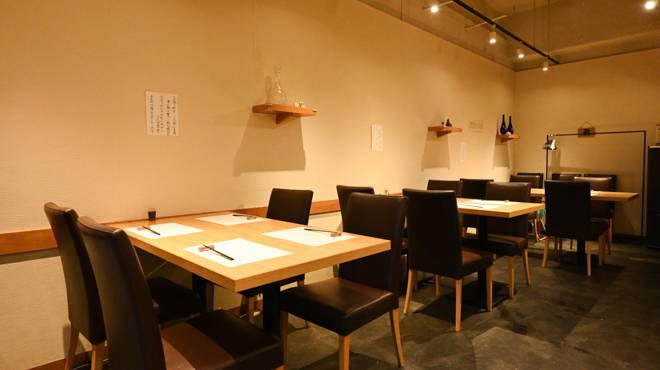
Warm and homey with a small, cute interior, simple décor, and a relaxed neighborhood feel that encourages customers to drop by for daily bread rather than linger for long meals.