
Tabelog 100 #47
Our verdict
Kochouan Semba gives Gifu’s soba tradition a serious low-price anchor: buckwheat noodles, sake, a 26-seat house-restaurant format, and repeated selection in Tabelog’s Soba 100, including the EAST 2025 list. It suits travellers who care less about spectacle than sourcing discipline, regional noodle craft, and the quiet confidence of a specialist lunch room.

Pearl is the En Primeur Club membership app, where members save venues, book tables and use the concierge.
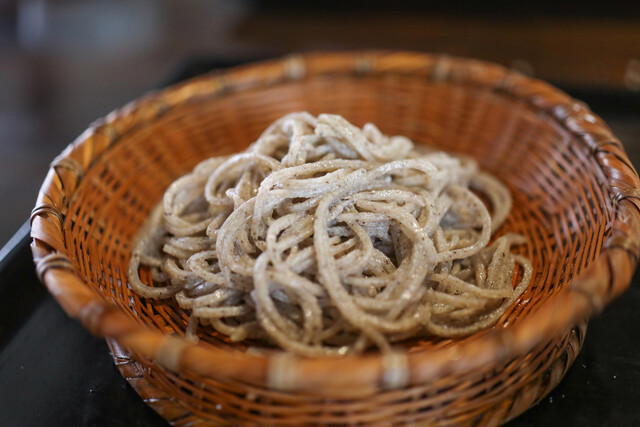
The menu
What to order
- Homemade soba
- Soba sampler
- Shiitake mushroom dishes
Approaching a soba house in Gifu changes the tempo of lunch. The city’s better noodle rooms do not announce themselves with metropolitan theatre; they rely on repetition, milling choices, water, and timing. Kochouan Semba belongs to that quieter category, a restaurant where the point is not novelty but control: buckwheat treated as the centre of the meal rather than buried under a broader dining script.
That distinction matters in Gifu. The prefecture sits between mountain foodways and wider regional travel patterns, so its dining culture often rewards specialists rather than maximalist menus. Soba is particularly unforgiving in this frame. Flour character, noodle width, cooking time, rinsing, and dipping sauce balance leave little room for distraction. A restaurant listed in the JPY 1,000 to JPY 1,999 range and recognised in Tabelog’s Hyakumeiten is not competing with luxury kappo; it is competing on precision within an everyday form.
Buckwheat, water, and the discipline of a narrow soba menu
Japanese soba has always been partly about restraint. The bowl or bamboo tray may look simple, but the craft sits upstream: grain selection, milling ratio, humidity, kneading, and the brief window between boiling and serving. In regional cities, the strongest soba counters tend to reveal themselves through consistency rather than elaboration. Kochouan Semba’s recognition in Tabelog’s 2025 Hyakumeiten for soba places it inside that specialist conversation, alongside restaurants judged within a category where small technical differences carry weight.
The ingredient-sourcing question is central because buckwheat behaves differently from wheat. It has less gluten, responds sharply to handling, and shows flaws quickly when texture or aroma fades. Soba restaurants built around this material tend to keep menus compact and service focused. Here, the recorded category is soba, which signals a meal built around noodle texture, dipping sauce, and the grain’s natural bitterness rather than a long parade of unrelated dishes.
The comparison set in Gifu underlines the point. Nearby names such as Rikidou, Soba Kura Tomi, Chuka Dining Hanabi, åç §åºµ, and たか田 八祥 show that the city can be read through focused addresses rather than a single all-purpose template. Those references help frame Kochouan Semba as a category specialist within a city where lunch can still carry serious craft without premium pricing.
A focused room makes the meal about pace, not performance
Format reinforces the cooking. The experience reads closer to a local soba house than a destination tasting counter, with the emphasis placed on timing, texture, and the short arc between cooking and serving. Experienced diners should expect a compact specialist restaurant rather than a flexible banquet venue, and should plan with the rhythm of soba service in mind.
Tabelog’s 2025 Hyakumeiten recognition gives the restaurant a clear category signal. Tabelog’s Hyakumeiten lists are not Michelin stars, and they should not be treated as the same currency, but in Japan they are meaningful category recognition. For soba, where many serious addresses operate outside luxury-dining circuits, that kind of listing is a useful marker for travellers deciding where to spend a limited meal in Gifu.
The practical reading is simple: this is a soba address with an accessible listed price band and a focused reason to visit. Tabelog records Kochouan Semba at JPY 1,000 to JPY 1,999, with a 2025 score of 3.80 and lunch budget in the same range. In soba culture, late arrival can mean a thinner choice once noodles run out; planning earlier in the service window is the safer editorial call.
Where it fits in a Gifu eating itinerary
Gifu rewards travellers who split meals by genre rather than chasing a single all-purpose address. Soba here can sit alongside other Gifu dining without forcing a hierarchy. Kochouan Semba is the measured lunch stop in that pattern: focused, affordable, and credible enough for a detour if buckwheat noodles are part of the brief.
For broader planning, EP Club’s full Gifu restaurants guide is the natural starting point, with city drinking covered in the Gifu bars guide, stays in the Gifu hotels guide, regional bottles in the Gifu wineries guide, and cultural planning in the Gifu experiences guide. Nearby Gifu dining references can be kept broad: other noodle specialists, varied dining rooms, traditional Japanese restaurants, and casual counters all help set Kochouan Semba’s focused soba role in context.
Travellers building a wider Japan food route can place the Gifu soba stop against other regional formats without needing a direct one-to-one comparison. The useful contrast is not a list of famous names, but the way specific Japanese formats change by city: soba in Gifu, casual counters elsewhere, regional drinking rooms, and specialist restaurants that make one category feel complete.
The verdict is disciplined rather than dramatic. Kochouan Semba is for diners who value the source material of soba: buckwheat handled with care, a room scaled for concentration, and enough third-party recognition to justify making space for it in a Gifu day. It is not the venue for an unfocused, all-purpose meal. It is the address to choose when lunch is about the grain itself.
Frequently asked questions
What does dinner at Kochouan Semba typically cost?
Pricing at Kochouan Semba is listed as JPY 1,000 - JPY 1,999. Tabelog also lists the budget as Dinner: -; Lunch: JPY 1,000 - JPY 1,999.
What time does Kochouan Semba open and close?
Specific opening hours are not provided here; check directly with Kochouan Semba before visiting.
What part of town is Kochouan Semba in?
Gifu.
What's Kochouan Semba best at?
Its clearest credential is the Tabelog Hyakumeiten 2025 recognition for soba, which places Kochouan Semba among noted soba addresses. The recorded category is Soba (Buckwheat noodles), so the focus stays on soba rather than theatrics.
Can Kochouan Semba adjust for dietary needs?
The provided listing identifies Kochouan Semba as a soba restaurant. Diners with dietary needs should contact the restaurant directly before visiting.
Fast Comparison
Comparable venues by cuisine and price in the same metro.
| Venue | Cuisine | Price | Awards | Notes |
|---|---|---|---|---|
| Kochouan SembaThis venue (the venue you are viewing) | Traditional Japanese soba | $10–20 | Tabelog 100 #47 | Not listed |
| Sake no Tori | Traditional Yakitori & Sake Bar | $10–20 | Tabelog 100 #32 | Jūnoecho / central Gifu |
| Rikidou | Ramen & tsukemen shop | Not listed | Tabelog 100 #49 | Gifu |
| Benten Do | Traditional Japanese Wagashi & Western Sweets Shop | $1–10 | Tabelog 100 #48 | Kandamachi |
| Chaya Akawani | Japanese shaved ice & sweets cafe | $1–10 | Tabelog 100 #30 | Hachimancho |
| THE Setsugekka | Luxury Wagyu Yakiniku | $50–100 | Tabelog 100 #66 | Tamamoricho |
Recognition history
Dated appearances from independent guides and award organizations, with the underlying list record or original source where available.
Tabelog 100 #47 · No. 47
Tabelog · Tabelog 100 - Soba - EAST - 2025
Continue exploring
More in Gifu
Restaurants in Gifu
All restaurants in Gifu →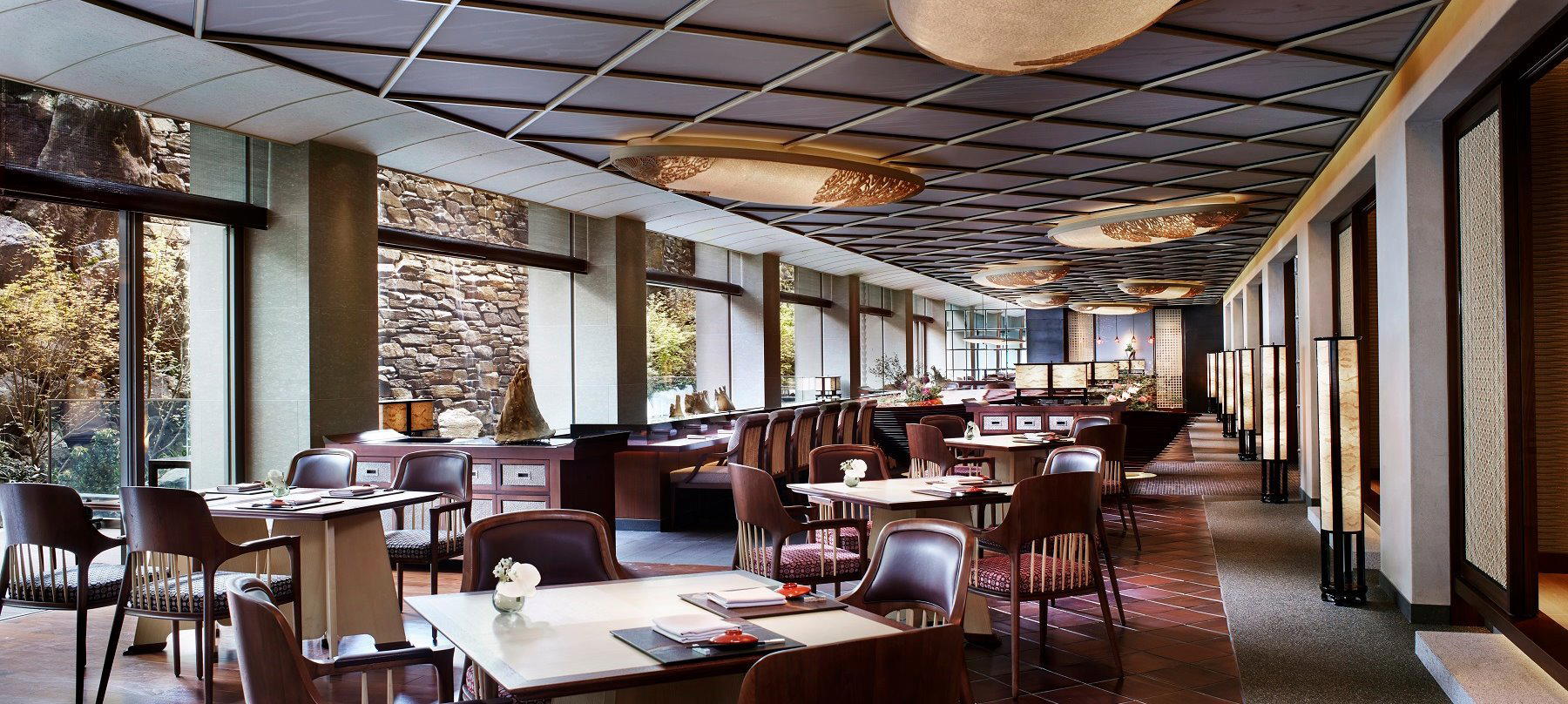
Details
- Quiet
- Cozy
- Classic
- Solo
- Casual Hangout
- Standalone
- Historic Building
- A La Carte
- Sake Program
Current opening hours
- Monday
- Closed
- Tuesday
- 11 AM–2 PM
- Wednesday
- 11 AM–2 PM
- Thursday
- 11 AM–2 PM
- Friday
- 11 AM–2 PM
- Saturday
- 11 AM–2 PM
- Sunday
- 11 AM–2 PM
Hours can change for holidays and private events. Hours as of .
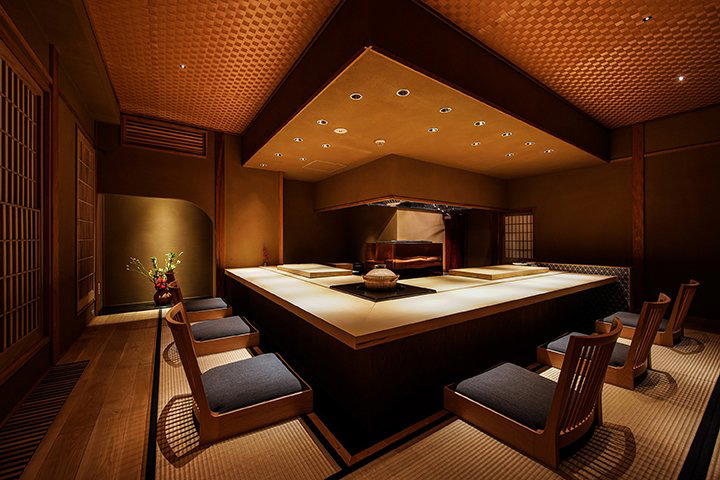
Reviews and listing descriptions characterize Kochouan Semba as a quiet, hideout-style house restaurant with only 26 seats, creating an intimate, classic soba-ya atmosphere focused on the food rather than decor or bustle.