Jivino Enoteca on Bielefeld's Obernstraße occupies the intersection of Italian wine culture and the kind of unhurried enoteca tradition that northern Germany has only recently started to absorb. The address places it in the city's commercial heart, where the dining scene runs from Greek and Mediterranean tables to contemporary gastrobars. Jivino operates in a more specialist register: wine-led, Italian in orientation, and structured around the bottle as much as the plate.
Pearl is the En Primeur Club membership app — saves, bookings, and concierge access live there. Same editors, same standards.
- Address
- Obernstraße 51, 33602 Bielefeld, Germany
- Phone
- +495215609530
- Website
- jivino.de
- Directions
- Get directions
 Saves & bookings on Pearl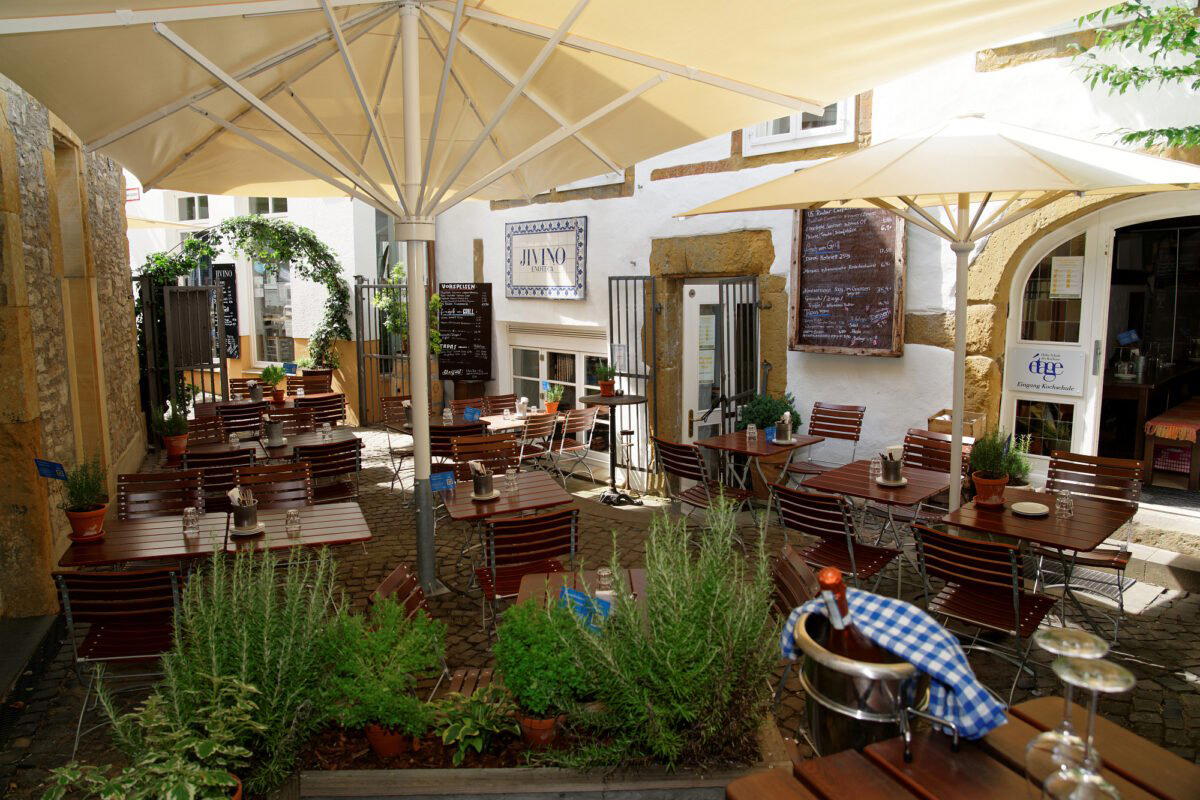
Where the Enoteca Tradition Meets a North German High Street
The enoteca format has a specific logic in its Italian homeland: wine is the anchor, food is supportive, and the atmosphere tilts toward the contemplative rather than the celebratory. On Bielefeld's Obernstraße, one of the city's main commercial arteries, Jivino Enoteca transplants that logic into a dining scene more commonly associated with Mediterranean restaurants and casual gastrobars. The address at number 51 puts it in central Bielefeld.
Bielefeld's restaurant scene has diversified considerably over the past decade. The city's central dining corridor now includes everything from Greek and Mediterranean tables, such as Christos Restaurant and Kostas Restaurant greek mediterran cuisine, to contemporary European formats like charlie Gastrobar and Italian-adjacent options. What remains less represented is the wine-first format: venues where the selection and provenance of bottles shapes the menu architecture, rather than the other way around. That is the gap the enoteca model occupies, and why Jivino sits in a different competitive register than its Obernstraße neighbours.
Italian Wine Culture as a Dining Framework
The enoteca as an institution traces back to a network of state-backed Italian wine shops established in the mid-twentieth century, designed to promote regional production and educate consumers. The format evolved from retail into hospitality, with food menus developing to complement, rather than compete with, the wine offering. Today, the leading Italian enoteche function as editorial statements about what a region produces: the Chianti-focused rooms of Florence, the natural wine enoteche of Rome's Pigneto neighbourhood, the Barolo-anchored cellars of Piedmont. What they share is a structural commitment to the bottle.
Transplanting that framework to a German context involves a specific negotiation. Germany's own wine culture is deep, regionally defined, and increasingly prestigious at the fine dining level. Venues like Schanz in Piesport sit at the intersection of Mosel viticulture and contemporary cuisine, while at the upper tier of German fine dining, restaurants such as Aqua in Wolfsburg and Vendôme in Bergisch Gladbach maintain cellar programs of considerable depth. An Italian enoteca in this environment operates as a counterpoint: it argues for the primacy of Italian viticulture in a country with strong indigenous alternatives.
That argument has traction. Italian wine's breadth, from the indigenous varietals of Sicily and Campania to the age-worthy reds of Piedmont and Tuscany, gives an enoteca format genuine editorial range. A well-curated Italian list in Bielefeld is not a novelty exercise; it is a coherent position in a city where diners are increasingly accustomed to wine as a serious category.
The Obernstraße Setting and What It Implies
Location on a main commercial street like Obernstraße shapes both the opportunity and the challenge for a wine-led venue. The footfall is there, but so is the competition for casual dining spend. The enoteca format works well when it converts passersby into lingerers: people who arrived for a glass and stayed for a bottle, or arrived for food and stayed to work through a flight. That conversion depends on the atmosphere being legible from the threshold, warm and specific enough to differentiate from the surrounding options.
Bielefeld's dining geography places Jivino near enough to other Obernstraße options that the wine-led identity needs to carry the positioning clearly. For reference, Mediterranean-oriented venues in the city, including GUI (Mediterranean Cuisine), operate at the €€€ price point, suggesting that the central dining corridor supports mid-to-upper spend. An enoteca with serious Italian stock will typically sit in that tier or above, depending on how the bottle list is structured. Jivino sits in the €€€ tier and is open daily from 5 PM to 12 AM.
How Jivino Fits Into Germany's Broader Wine Dining Scene
At the summit of Germany's restaurant hierarchy, wine programs function as integral parts of the total experience rather than ancillary lists. Waldhotel Sonnora in Dreis and Victor's Fine Dining by christian bau in Perl maintain cellars that define part of their restaurant identity. Restaurant Haerlin in Hamburg and Schwarzwaldstube in Baiersbronn approach the bottle list as a editorial curatorial exercise. Even at the more experimental end, CODA Dessert Dining in Berlin has shown how a format built around a non-conventional anchor, in that case dessert, can command serious attention when executed with discipline.
Jivino operates at a different scale and register from those Michelin-tracked venues, but the underlying logic is the same: the bottle is a framework for the visit, not an afterthought. In a mid-sized city like Bielefeld, a venue that applies that logic coherently fills a space that larger, food-first restaurants leave open. For comparison, international fine dining venues like Le Bernardin in New York City or Atomix in New York City demonstrate how format discipline at any scale can define a dining category. The enoteca is its own format discipline, and Jivino's presence on Obernstraße represents a bet that Bielefeld diners are ready to engage with it.
Elsewhere on the German dining calendar, venues built around a specific concept, such as JAN in Munich or ES:SENZ in Grassau, have demonstrated that format specificity travels well outside the major urban centres. Bielefeld is not a dining destination in the way Munich or Hamburg is, but it has the demographic and economic base to support a venue with a clear, wine-led point of view.
Planning a Visit
Jivino Enoteca is at Obernstraße 51 in central Bielefeld, within walking distance of the city's main transport connections. Reservations are recommended. For a broader orientation to what Bielefeld's dining scene offers across formats and price points, the full Bielefeld restaurants guide and Klötzer's Restaurant provide useful context for planning a visit across multiple meals.
Price Lens
Comparable venues nearby, for context on price, style, and recognition.
| Venue | Cuisine | Price | Awards | Notes |
|---|---|---|---|---|
| Jivino Enoteca - BielefeldThis venue — the venue you are viewing | Not listed | $$$ | Not listed | Not listed |
| GUI | Mitte, Modern Mediterranean Bistro | $$$ | Michelin Plate | Not listed |
| Razki's Snack | Not listed | $$ | Not listed | Heeper Straße, Middle Eastern Street Food |
| Shiva Iranisches Restaurant | Not listed | $$ | Not listed | Herforder Str., Authentic Iranian |
| Restaurant Kreuzkrug | Schildesche, Westphalian German | $$ | Not listed | Not listed |
| Rancho Steakhouse | Niederwall, Premium Steakhouse | $$$ | Not listed | Not listed |
Continue exploring
More in Bielefeld
Restaurants in Bielefeld
Browse all →
Bars in Bielefeld
Browse all →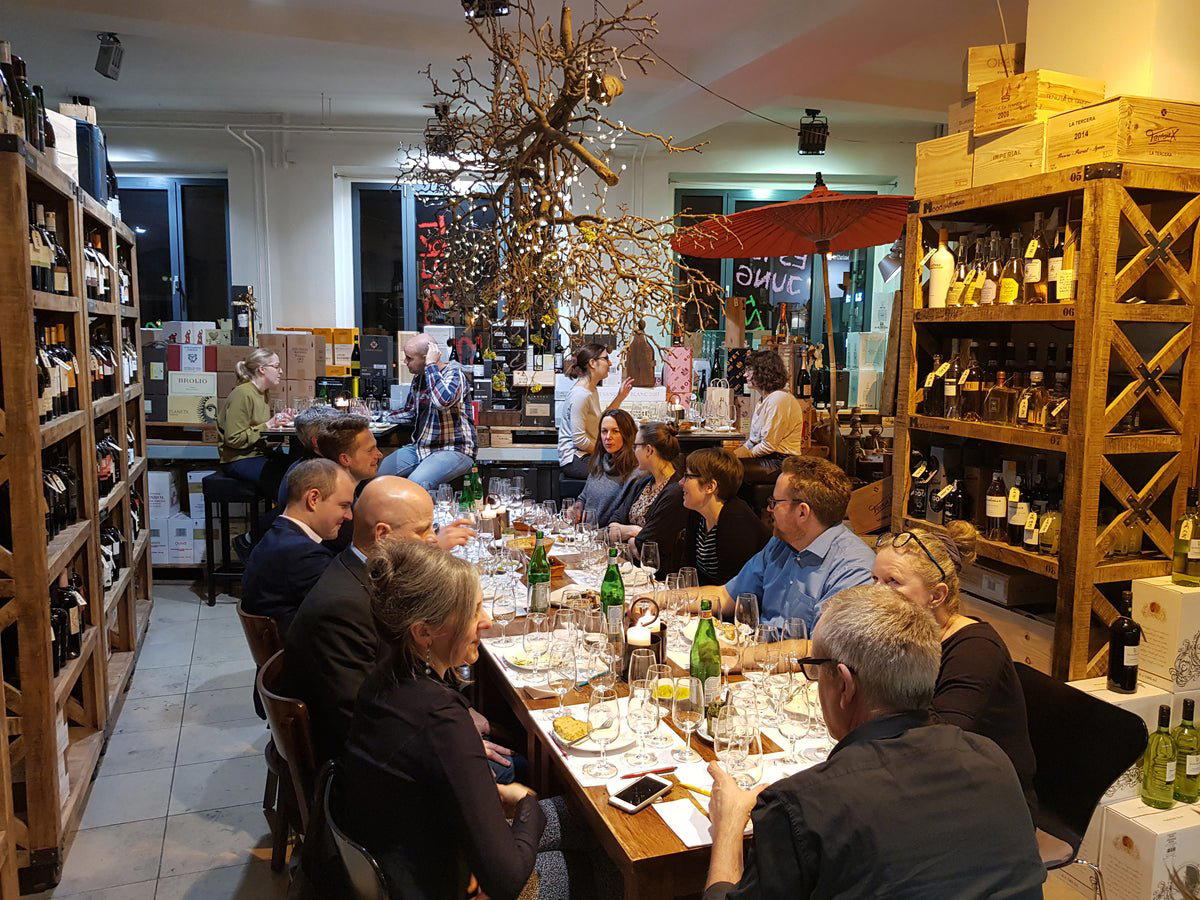
At a Glance
- Romantic
- Cozy
- Elegant
- Intimate
- Date Night
- Special Occasion
- Late Night
- Terrace
- Historic Building
- Wine Cellar
- Extensive Wine List
Current opening hours
- Monday
- 5 PM–12 AM
- Tuesday
- 5 PM–12 AM
- Wednesday
- 5 PM–12 AM
- Thursday
- 5 PM–12 AM
- Friday
- 5 PM–12 AM
- Saturday
- 5 PM–12 AM
- Sunday
- 5 PM–12 AM
Hours can change for holidays and private events. Last verified .
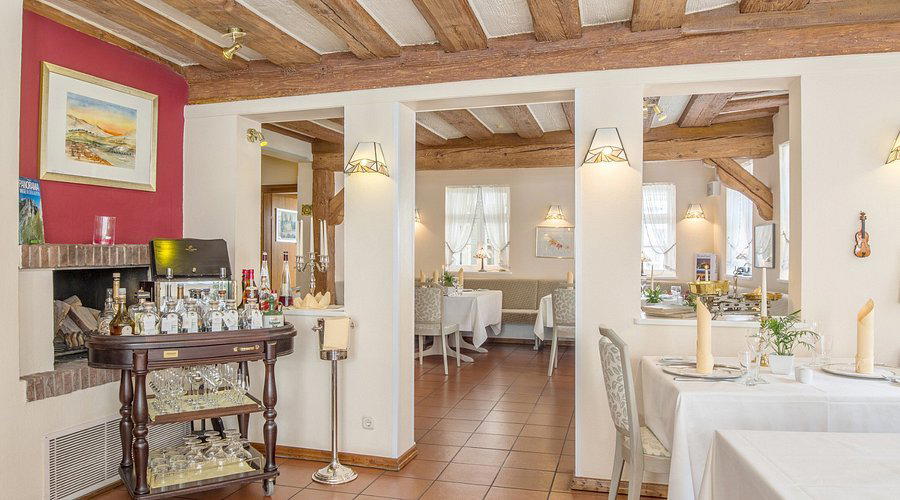
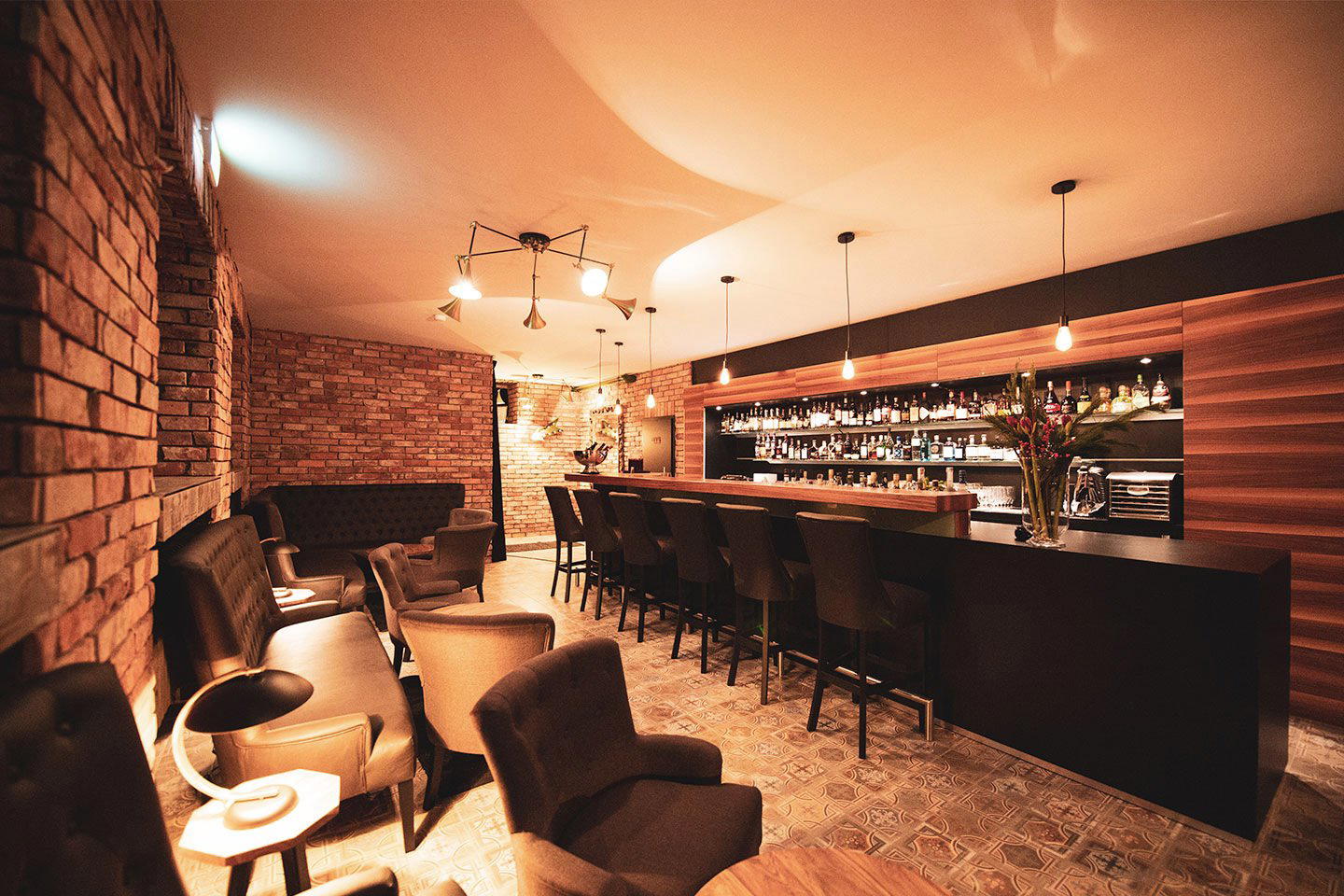
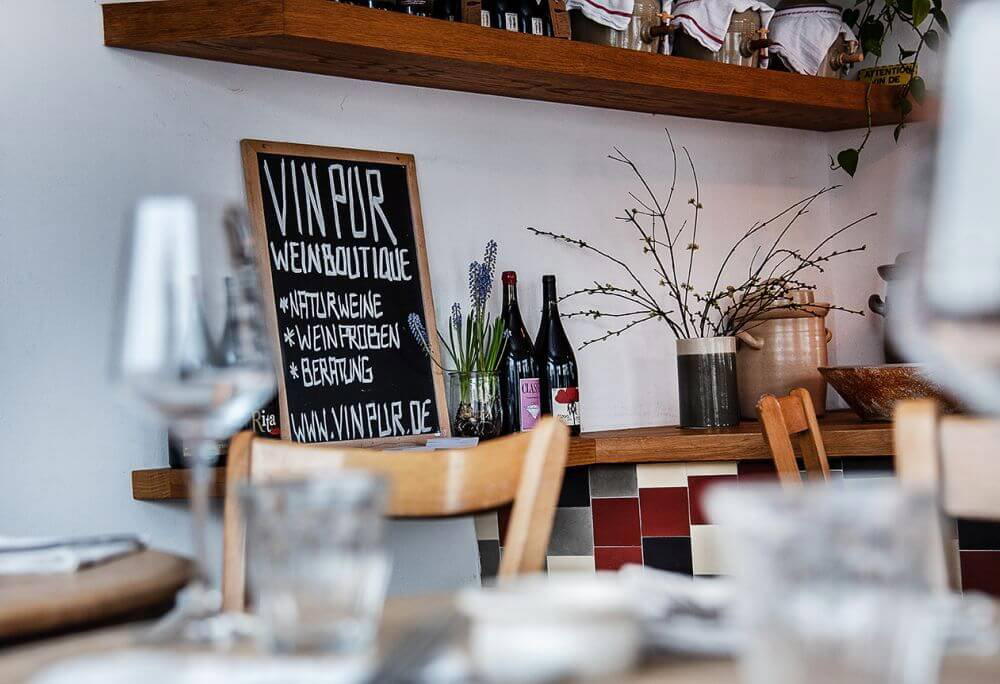
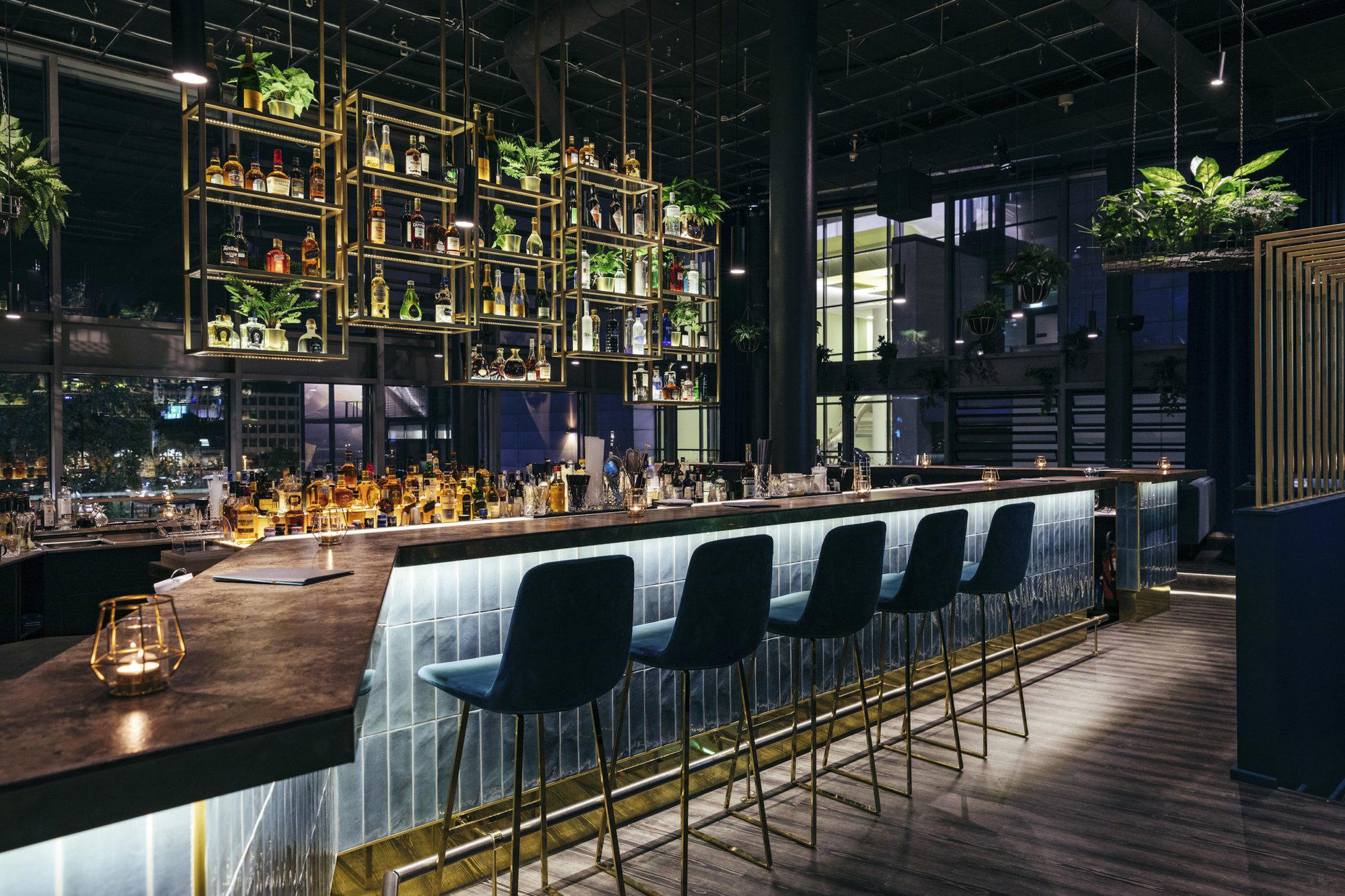
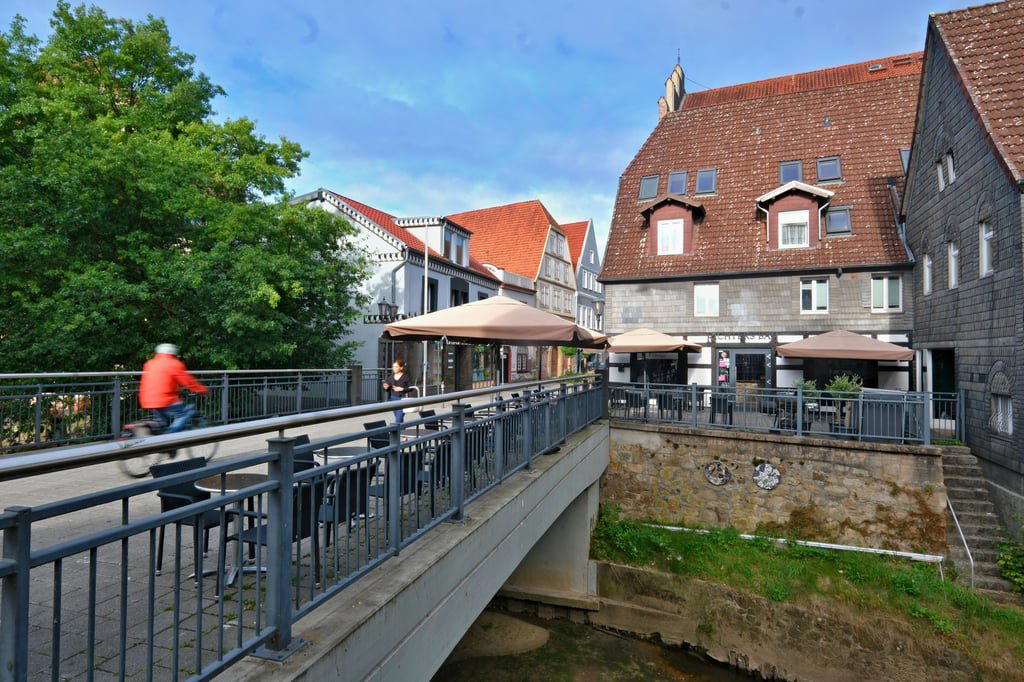
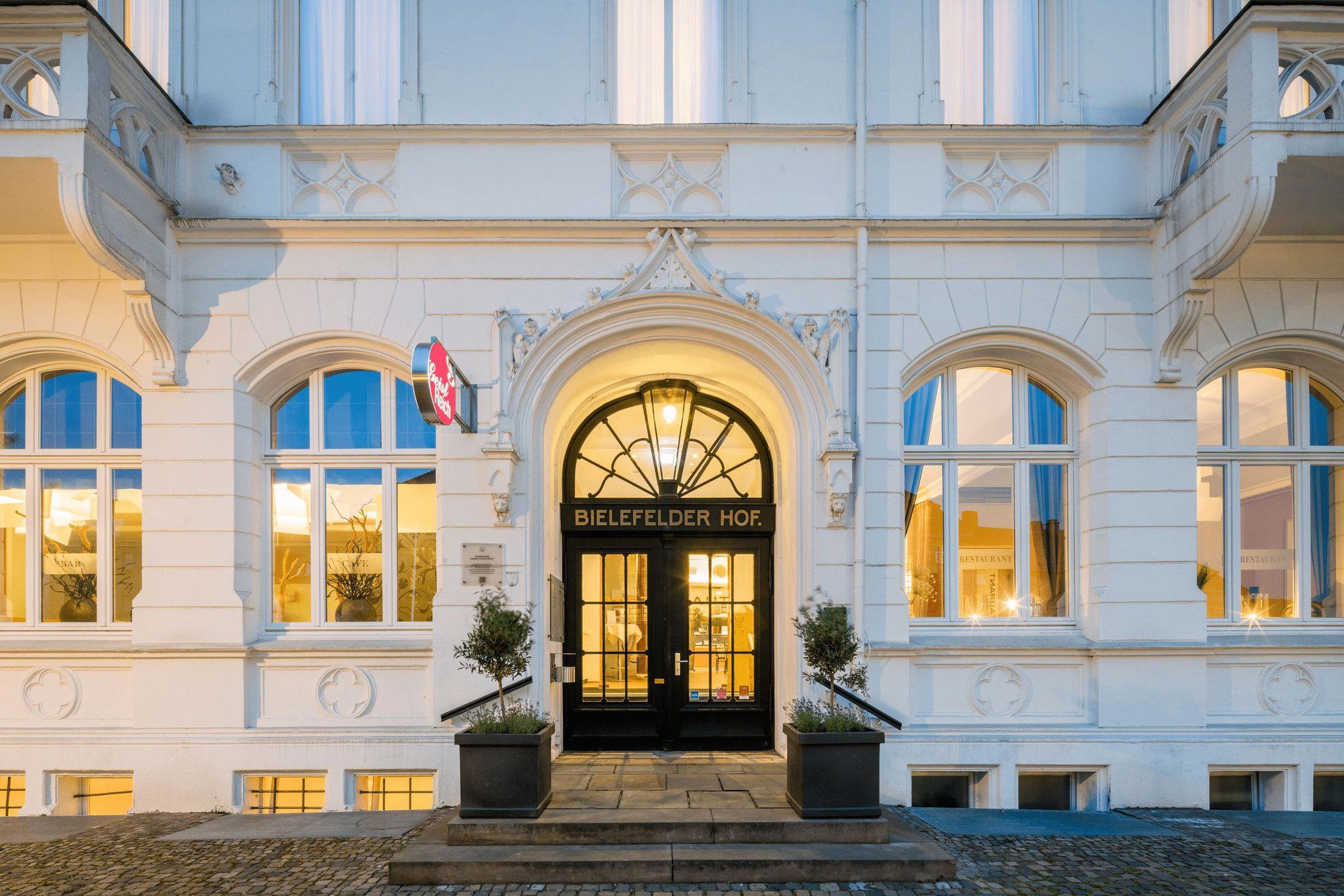
Stylish and cozy atmosphere in a historic setting with warm lighting in the vaulted cellar, winter garden, and covered courtyard.