Our verdict
Klet Ljubekov gaj sits in Blažev dol, a rural pocket of the Sveti Ivan Zelina municipality northeast of Zagreb where the Prigorje region's wine and food traditions run deep. The setting draws visitors looking for an honest connection to the Croatian inland table, away from the coastal circuit that dominates the country's dining conversation. For those tracing the quieter end of continental Croatian hospitality, this is a productive detour.

Pearl is the En Primeur Club membership app, where members save venues, book tables and use the concierge.

Continental Croatia's Quiet Table: What Blažev Dol Represents
Croatia's dining reputation is built almost entirely on its coastline. Pelegrini in Šibenik, Restaurant 360 in Dubrovnik, and Agli Amici Rovinj occupy the country's highest-profile tier, drawing international attention through awards cycles and Adriatic scenery. The inland counties, Prigorje, Zagorje, Moslavina, run on a different logic entirely. Here, the reference points are wine cellars, family-held land, and a kitchen tradition rooted in what the surrounding fields and forests produce rather than what fishing boats bring in. Blažev dol, a small settlement within the Sveti Ivan Zelina municipality roughly 40 kilometres northeast of Zagreb, sits squarely inside that inland tradition. Klet Ljubekov gaj belongs to this geography and to the hospitality format it sustains: the rural klet, a Croatian and Slovenian term for a wine cellar or country house gathering place where the boundary between production, storage, and eating collapses into a single location.
What a Klet Means at the Table
The klet format matters because it shapes everything about how a visit unfolds. Unlike a restaurant that sources ingredients from external suppliers, a klet operation typically draws from the land immediately surrounding it. In Prigorje and the broader Zagreb County wine zone, that means graševina and other continental varieties grown in the local foothills, alongside pork, poultry, and preserved products that reflect a centuries-old calendar of seasonal preparation. The food arrives not as a composed tasting menu in the coastal sense but as an expression of what is ready, what has been cured, and what the cellar has been holding. This is a fundamentally different value proposition from the modern European fine-dining format that venues like Dubravkin Put in Zagreb or Nebo by Deni Srdoč in Rijeka represent, and it should be understood on its own terms rather than measured against them.
Klet Ljubekov gaj, located at Smrndići 1 in the Blažev dol area, operates within this tradition. The address places it in agricultural land outside any town centre, which is itself an indicator of the format: you drive to reach it, and the approach through the Prigorje hills is part of what establishes the context before you arrive. The physical environment, low-slung country architecture, the presence of vines or orchard trees depending on the season, the relative quiet of a working rural property, all signal that the meal ahead is tied to place in a way that urban restaurants, however talented, cannot replicate.
Ingredient Sourcing as the Central Argument
The Prigorje region's food identity is built on proximity. Continental Croatian cooking at its most grounded relies on animal husbandry and curing traditions that stretch back through Austro-Hungarian influence into something older and more local. Smoked meats, lard-based preparations, paprika, freshwater fish from nearby rivers, and the thick, eggy pasta called mlinci or the cornmeal dish žganci appear in various forms across the region's eating houses. What distinguishes a klet from a standard rural restaurant is the degree to which the sourcing is on-site or hyper-local: the wine poured at the table is often made from grapes grown within sight of the building, and the cured products on the board may have been prepared in the same cellar where barrels age. This compression of the supply chain is the format's core editorial argument, and it is the reason venues of this type occupy a different competitive space from the farm-to-table urban restaurants that approximate the same idea with greater distance between field and kitchen. For a broader picture of how Croatian kitchens across the country treat local sourcing, the contrast with Boskinac in Novalja, which applies a similar land-and-cellar philosophy to the Pag island context, is instructive. So too is the approach at Korak in Jastrebarsko, another Zagreb County address working within the inland Croatian register. Further afield, BioMania Bistro Bol takes a parallel sourcing-first stance on the Dalmatian coast, showing how the principle recurs across very different Croatian geographies.
Placing Blažev Dol in the Wider Zagreb County Circuit
Sveti Ivan Zelina municipality is not a household name on Croatia's tourism map, which is precisely what makes it interesting to anyone who has already worked through the coastal circuit. The town of Sveti Ivan Zelina has a modest wine-tourism infrastructure, and the surrounding villages have produced a scatter of cellars and small producers that reward deliberate itinerary planning. Visitors approaching from Zagreb can reasonably combine Blažev dol with Samobor to the west, where Cantilly Garden Restaurant represents a different facet of Zagreb County dining, or extend eastward toward the Moslavina wine zone. The point is that Blažev dol is not an isolated destination but a node in a network of inland Croatian food and wine culture that the coastal narrative consistently underplays. For a broader survey of where to eat across the region, our full Blažev dol restaurants guide maps the local options in detail.
Other regional comparisons are worth noting. Burin in Crikvenica and Cubo in Opatija operate along the Kvarner coast with a more polished resort-adjacent format, while Bodulo in Pag draws on island-specific produce in a way that echoes the sourcing logic of the klet model. The contrast between these coastal expressions and what Blažev dol offers is not a quality gap but a format difference: one is driven by tourism density and Adriatic glamour, the other by agricultural calendar and continental quiet. For anyone who has eaten their way through LD Restaurant in Korčula or Krug in Split and wants to understand a different register of Croatian hospitality, the inland circuit is the logical next chapter. At the further end of the global fine-dining spectrum, places like Le Bernardin in New York City or Atomix operate on entirely different terms, but they share the same underlying premise: that where ingredients come from is the first question any serious kitchen must answer.
Planning a Visit
Reaching Klet Ljubekov gaj requires a car; the address at Smrndići 1 in Blažev dol sits outside any public transport corridor, and the experience of arriving through the Prigorje countryside is part of what the format delivers. The Sveti Ivan Zelina area sees lighter visitor traffic than the Zagreb day-trip circuit, so advance communication is a reasonable precaution rather than a bureaucratic hurdle.
Frequently asked questions
Would Klet Ljubekov gaj be comfortable with kids?
Klet settings in Prigorje are generally informal by nature, shaped around farm-adjacent hospitality rather than formal dining ritual. Blažev Dol's rural location at Smrndići 1 means space and outdoor surroundings are typically part of the visit, which suits families travelling with children. That said, no specific children's menu or play facilities are documented for Klet Ljubekov gaj, so contacting them ahead is advisable.
What kind of setting is Klet Ljubekov gaj?
Klet Ljubekov gaj operates in the klet format, a distinctly continental Croatian tradition where wine production and hospitality share the same property. The address at Smrndići 1 in Blažev Dol places it in agricultural Prigorje, outside urban infrastructure and the coastal dining circuit entirely. Expect a working rural setting, not a polished hotel restaurant.
How far is Klet Ljubekov gaj from Zagreb, and how do you get there?
Klet Ljubekov gaj is located at Smrndići 1 in Blažev Dol, within the Sveti Ivan Zelina municipality of Zagreb County. The drive from Zagreb city centre runs roughly 35–40 kilometres northeast, making it a plausible half-day trip, though a car is required as no public transport serves this part of Prigorje. Build in time for the approach: the final stretch through agricultural land is part of how the visit resets expectations established by urban dining.
What's the must-try dish at Klet Ljubekov gaj?
No specific dishes are publicly documented for Klet Ljubekov gaj. Klets in Prigorje typically anchor their tables in cured meats, animal-husbandry products, and preserved vegetables that reflect the region's continental food traditions rather than coastal seafood. The specific offer at this address in Blažev Dol should be confirmed directly with the venue.
Where exactly is Klet Ljubekov gaj?
Klet Ljubekov gaj is located at Blažev dol, Smrndići 1, 10380, Sveti Ivan Zelina, Croatia, Blazevdol.
What's the best way to book Klet Ljubekov gaj?
No website or phone number is currently listed for Klet Ljubekov gaj. For rural klets in Zagreb County, advance contact is consistently recommended because capacity is limited and hours often depend on season and prior arrangement. Arriving without a reservation at Smrndići 1 in Blažev Dol is a risk worth avoiding.
What has Klet Ljubekov gaj built its reputation on?
Klet Ljubekov gaj sits in the Prigorje region of Zagreb County, where the klet tradition has sustained itself through direct land-to-table production rather than formal culinary awards or media recognition. Its standing in Blažev Dol is grounded in the logic of the format itself: food and drink produced on or near the property, served in a setting that has no coastal equivalent. That specificity is what draws visitors who have already covered Croatia's Adriatic circuit.
How It Stacks Up
Comparable venues nearby, for context on price, style, and recognition.
| Venue | Cuisine | Price | Notes |
|---|---|---|---|
| Klet Ljubekov gajThis venue (the venue you are viewing) | Traditional Croatian Konoba | $20–30 | Not listed |
| Konoba Barba | Traditional Dalmatian Seafood & Grill | $20–30 | Komiza |
| Bolfan Vinski Vrh | Croatian Rural Organic Cuisine | $20–30 | Hrascina |
| Vina Kos – Jurišić | Croatian Winery Dining | $30–50 | Donja Zelina |
| Konoba Nebuloza | Croatian Seafood Konoba | Not listed | Grobnik |
| Konoba Tri Maruna | Traditional Croatian Konoba | $20–30 | Poljica |
Continue exploring
More in Blazevdol
Restaurants in Blazevdol
All restaurants in Blazevdol →

Bars in Blazevdol
Browse all →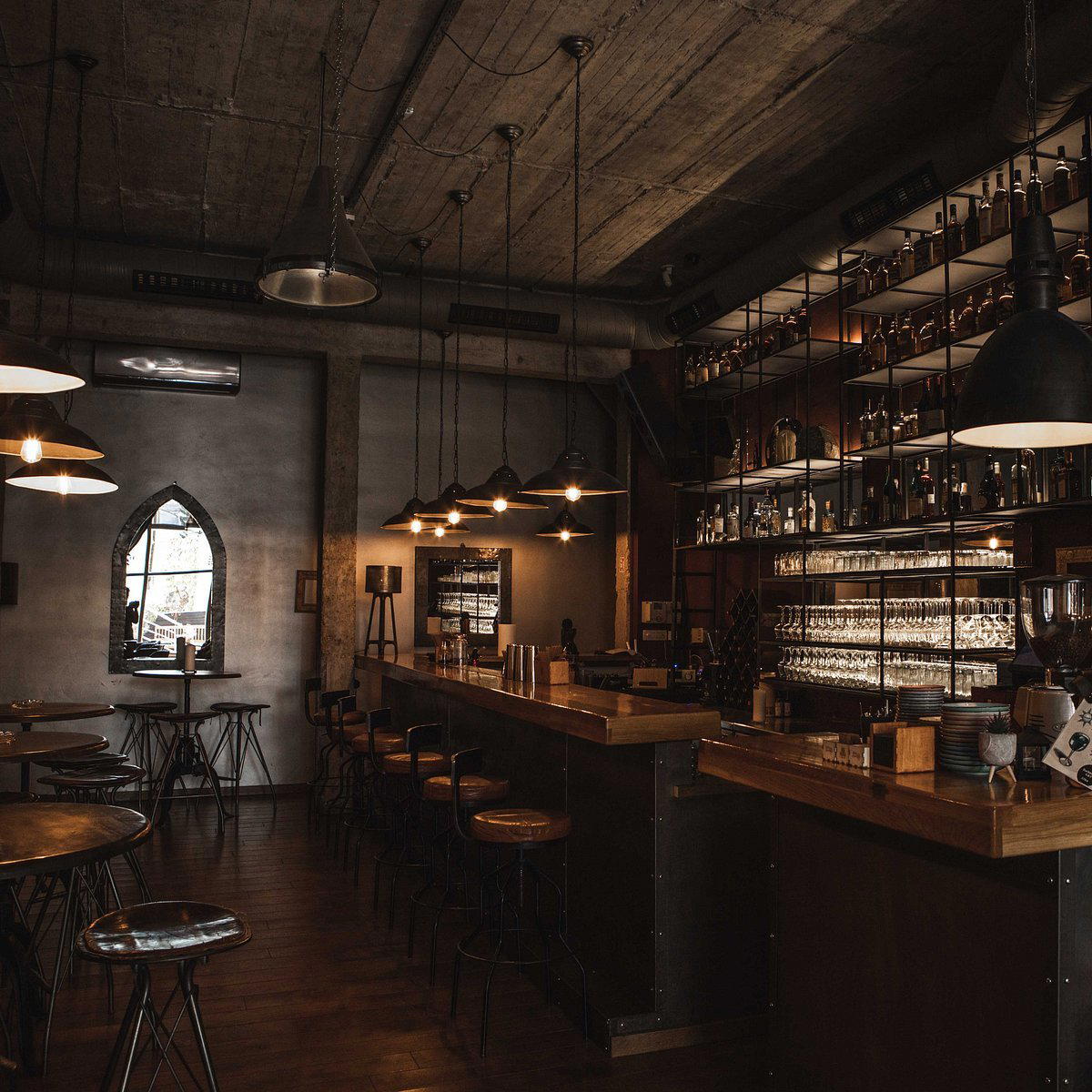
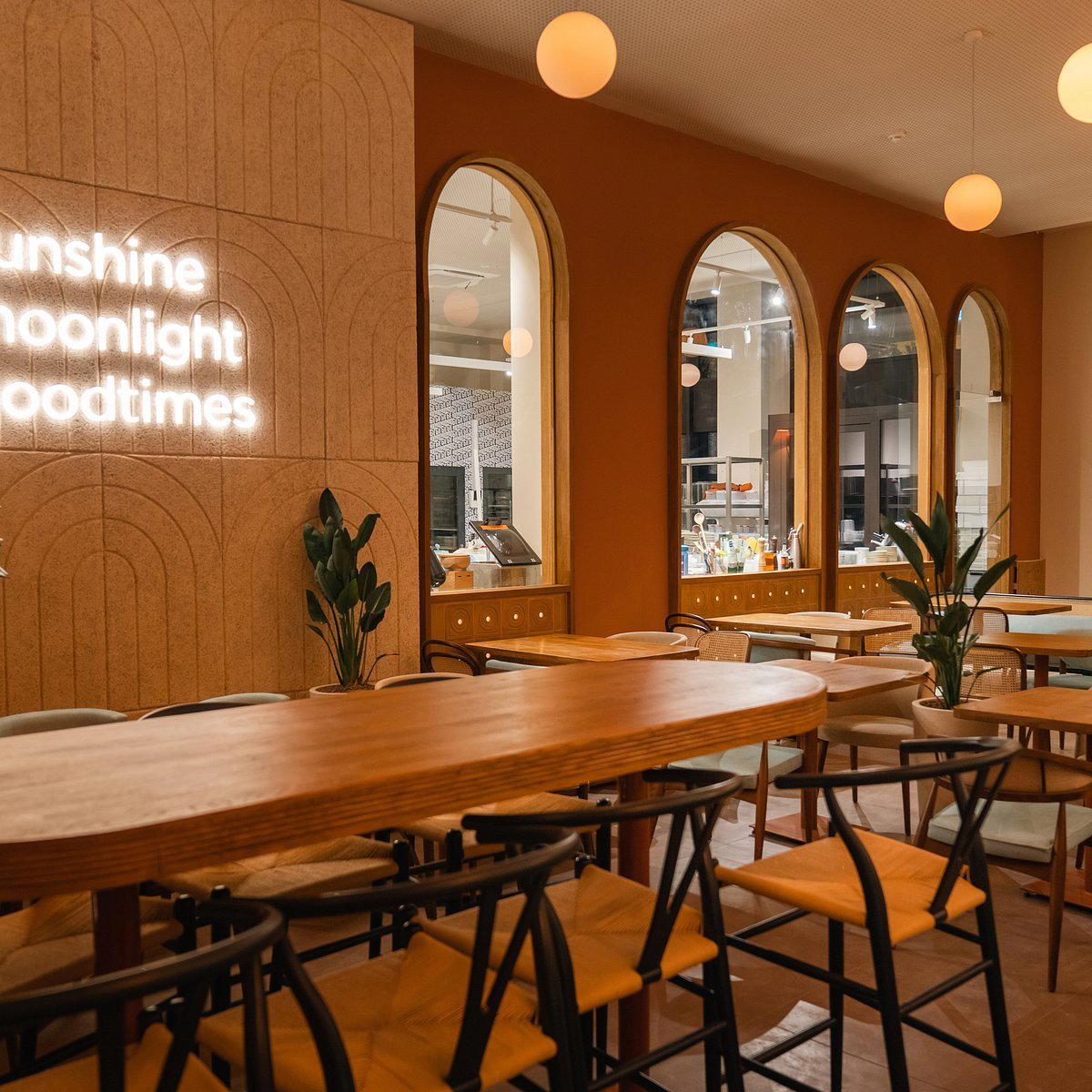
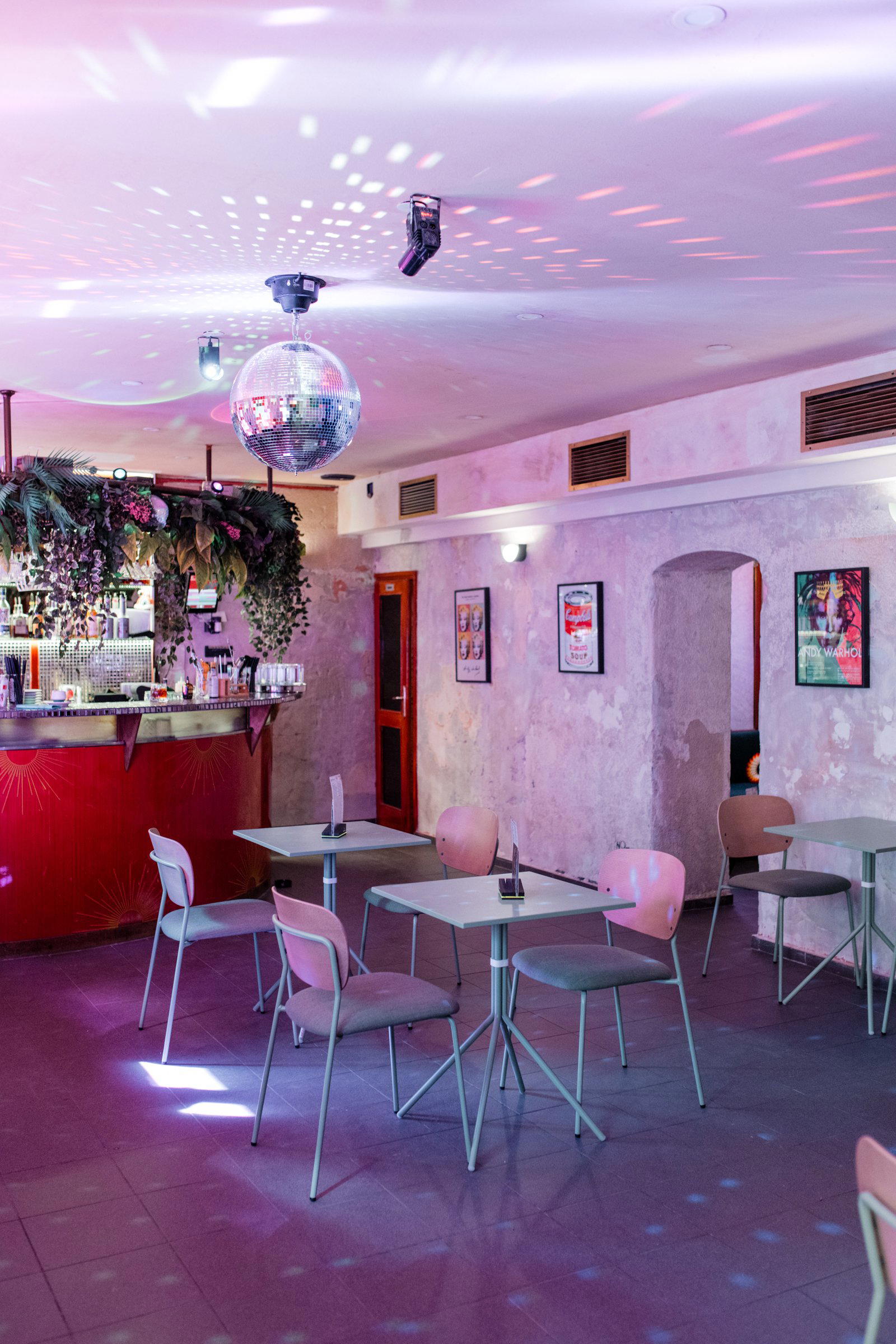


Hotels in Blazevdol
Browse all →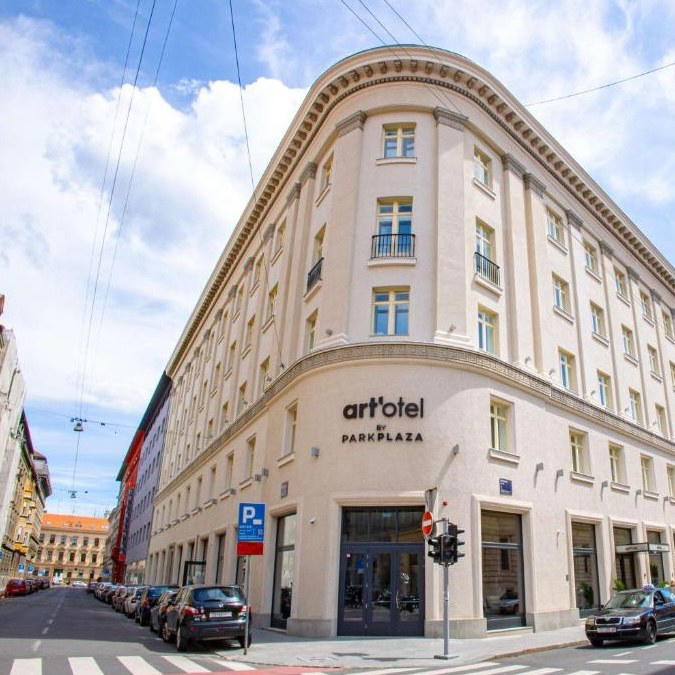

Details
- Rustic
- Cozy
- Scenic
- Family
- Casual Hangout
- Celebration
- Garden
- Terrace
- Extensive Wine List
- Farm To Table
- Local Sourcing
- Garden
- Mountain
- A La Carte
- Local Wines
- Vegetarian Friendly
Current opening hours
- Monday
- Closed
- Tuesday
- 10 AM–6 PM
- Wednesday
- 10 AM–6 PM
- Thursday
- 10 AM–9 PM
- Friday
- 10 AM–9 PM
- Saturday
- 10 AM–8 PM
- Sunday
- 10 AM–6 PM
Hours can change for holidays and private events. Hours as of .
Rustic and cozy with warm lighting, wooden interiors, and a relaxed countryside atmosphere.