
Falstaff Winery - Listed
Saints Hills brings a design-led winery format to Croatia’s Plavac Mali country, pairing underground cellar architecture with a portfolio that reaches from Istrian Malvazija and Chardonnay to Dingač reds. The appeal is less rustic cellar-door charm than a polished estate experience: guided tastings, food pairing, terraces, suites, and a cellar program shaped around cement tanks and French oak.

Pearl is the En Primeur Club membership app — saves, bookings, and concierge access live there. Same editors, same standards.
- Address
- Zagreb, Zagrebačka županija, Kroatien
- Directions
- Get directions

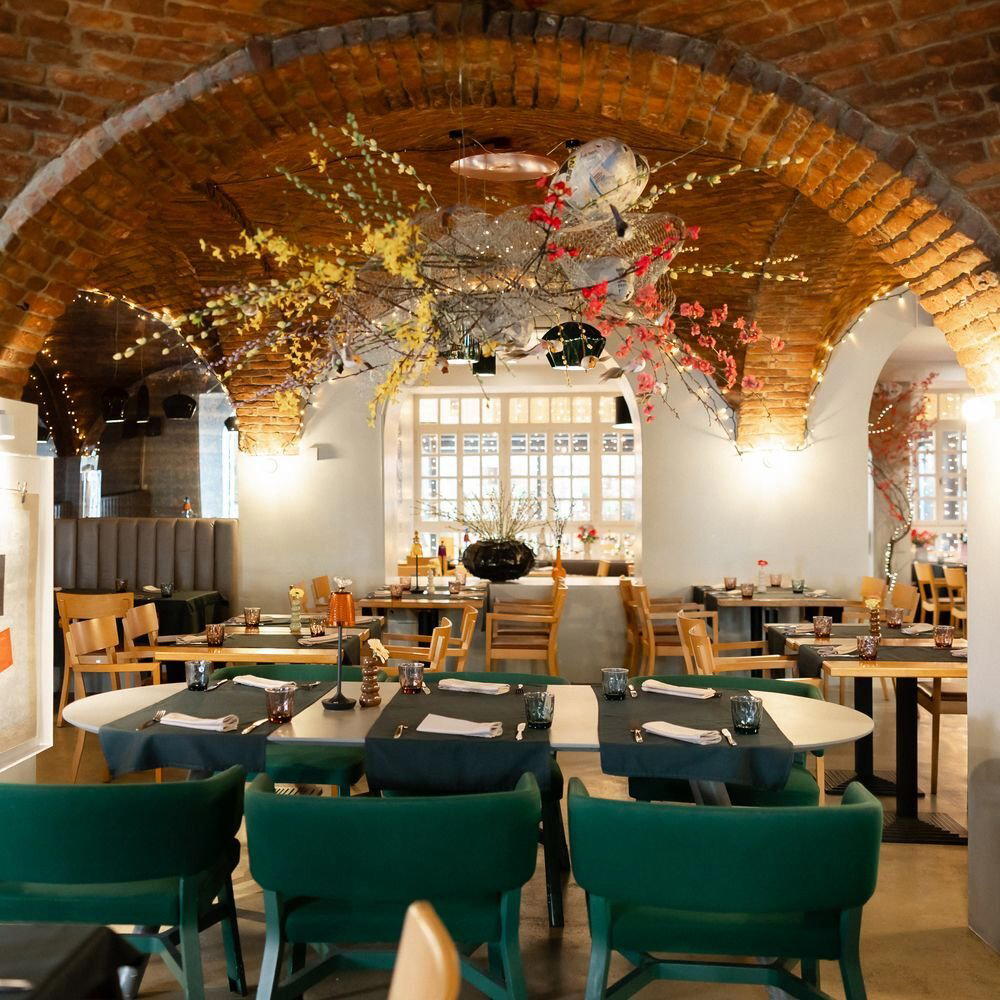
Stone, terraces, and below-ground cellar rooms set the tone before the wine does. Saints Hills belongs to the newer school of Croatian winery hospitality, where architecture is part of the argument: not a tasting counter beside barrels, but an estate experience with reception spaces, cellar levels, restaurant service, suites, and countryside views folded into the visit.
That matters on Pelješac, where wine identity has long been tied to Plavac Mali and the peninsula’s steep, sun-struck red-wine culture. Modern Croatian winery hospitality now runs on two tracks: agricultural and cellar-led, with tastings around family production and local grape literacy; and destination-led, where design, food, lodging, and bottle positioning recast wine tourism for travellers who plan around estates rather than simply stop at them. Saints Hills sits firmly in the second camp.
Pelješac red-wine country, widened into a Croatian coastal portfolio
The estate’s wine story is not a single-vineyard exercise. Its portfolio draws from Dingač on Pelješac, Komarna on the Dalmatian mainland, and Radovani in Istria, giving the range a broader Croatian coastal map rather than a peninsula-only identity. Plavac Mali anchors the red and rosé side, while Malvazija Istarska and Chardonnay form the white-wine base.
That split explains the house style. Pelješac supplies the cultural weight: Dingač carries name recognition among Croatian red-wine drinkers, and Plavac Mali gives the estate its regional spine. Istria supplies contrast through Malvazija, with its different register of acidity, texture, and coastal freshness. The portfolio reads as Croatian rather than merely local, moving between still white, rosé, and red wines without abandoning indigenous reference points.
The cellar work reinforces the premium signal. Cement tanks are used rather than stainless steel, while aged wines move through French oak barrels. St. Roko, a Plavac Mali from Komarna, is aged for 12 to 24 months in French oak; Dingač spends 18 to 24 months in the same broad maturation frame. For travellers used to Dalmatian tastings built around direct fruit and immediate hospitality, that cellar architecture and oak aging place the estate in a more controlled, collector-facing lane.
The bottle ladder also shows ambition. Core names include Mala Nevina and Nevina on the white side, St. Heels Rosé, St. Roko, and Dingač. A limited Dingač Selected Wine was produced in 280 bottles, with historical pricing at 4,500 kuna per bottle; standard Dingač was historically listed at 980 kuna. Those are not casual cellar-door numbers. They place the estate in Croatia’s luxury wine conversation, especially for visitors comparing winery stops by production seriousness rather than scenery alone.
Architecture makes the tasting feel like a destination, not a stopover
Hospitality format is the clearest distinction. The cellar spans two underground levels, with the lowest level 30 meters below ground, and archival storage built into a long lower corridor. For visitors, production becomes choreography: descent, barrel rooms, storage, tasting, food, terrace. This winery is designed to make movement through the property part of the memory.
The aesthetic is polished and modern rather than rustic. Stone architecture gives the estate a regional skin, while contemporary interiors and quiet rooms pull it toward luxury hotel language. Two outdoor terraces, stone bridges linking buildings, and countryside views make the estate part architectural set piece, part wine facility. That combination is increasingly common in ambitious wine regions, but in Pelješac it remains a statement of intent.
Food is built into the format rather than treated as an afterthought. The estate includes a restaurant available by appointment, and tastings can involve food pairing and wine-pairing dinner formats. That suits wines with oak, structure, and higher pricing: Plavac Mali in this register benefits from the table, while Malvazija-Chardonnay blends give the kitchen a white-wine counterpoint. Suites push the experience beyond a conventional tasting into a wine-country stay.
The contrast with broader Croatian wine travel is useful. Many compelling producers offer depth through growers, cellars, and bottles alone. Saints Hills adds the apparatus around the wine: design, views, guided tasting, restaurant, and lodging. That will appeal to travellers who want a composed afternoon or overnight around Croatian wine. It may feel too polished for drinkers chasing bare-bones cellar intimacy, but that is the point: the estate is built for the premium, planned version of the Pelješac wine day.
How to place it within a Zagreb-based Croatia wine itinerary
For readers planning from Zagreb, Saints Hills is best treated as part of a wider Croatian wine itinerary, not a quick city detour. The city remains the practical hub for restaurants, bars, hotels, and culture, while the wine route opens outward toward regions with distinct grape identities.
The broader regional context is worth mapping by grape and coast rather than prestige language. Compare continental, island, Istrian, and Dalmatian choices through producers such as Vina Jakob, Adzic in Kutjevo, Ante Sladić Vino in Skradin, Arman Marijan Winery in Vizinada, Bakovic in Supetar, Baraka Winery in Sibenik, Bastian in Buje, and Bastijana in Hvar. For a wider Central European frame, »der Steiner« Hans Steiner in Podersdorf am See and & Handwein in Mannheim show how different regions package small-production wine culture for travellers.
The editorial case for Saints Hills is clear: choose it when the goal is Croatian terroir through a high-design hospitality lens. The strongest reasons are concrete: Plavac Mali from Dingač and Komarna, Malvazija Istarska from Istria, a two-level underground cellar, French-oak aging, guided tasting formats, restaurant service, terraces, suites, and a premium bottle ladder. In a country where wine travel can still feel fragmented, this estate offers a complete, planned expression of place.
Recognition history
Dated appearances from independent guides and award organizations, with the underlying list record or original source where available.
Falstaff Winery - Listed
Falstaff
Continue exploring
More in Zagreb
Wineries in Zagreb
Browse all →Bars in Zagreb
Browse all →
Restaurants in Zagreb
Browse all →

Details
- Sophisticated
- Scenic
- Modern
- Elegant
- Quiet
- Wine Education
- Special Occasion
- Romantic Getaway
- Group Outing
- Cave Tasting
- Barrel Room
- Vineyard Tour
- Terrace
- Panoramic View
- Design Destination
- Private Tasting
- Mountain
- Vineyard
- Plavac Mali
- Malvazija Istarska
- Chardonnay
- Still Red
- Still White
- Still Rosé
- Guided Tasting
- Food Pairing
- Wine Pairing Dinner
- Croatian
- English
A polished, modern wine estate with stone architecture, contemporary interiors, underground cellar levels, and scenic countryside views from terraces; press coverage describes it as luxurious and architecturally striking.