Klet Kozjak
Klet Kozjak sits in the Zagorje hills outside Zagreb, operating within a Croatian tradition of cellar-kitchen dining where the wine and the food share the same address. The setting places it firmly in the inland counterpart to Croatia's coastal restaurant circuit, with a format built around local produce and regional wine rather than Adriatic seafood. Visitors making the drive from Zagreb find a different register of Croatian hospitality than the coast delivers.
Pearl is the En Primeur Club membership app — saves, bookings, and concierge access live there. Same editors, same standards.
- Address
- Kozjak 18a, 49223, Sveti Križ Začretje, Croatia
- Phone
- +38549228800
- Website
- klet-kozjak.hr
- Directions
- Get directions
 Saves & bookings on Pearl
Zagorje's Cellar Tradition and Where Klet Kozjak Fits
Klet Kozjak is a restaurant in Sveti Križ Začretje serving Traditional Croatian Zagorje cuisine. Croatia's dining conversation has long defaulted to the coast. Pelegrini in Sibenik, Restaurant 360 in Dubrovnik, and Agli Amici Rovinj occupy the upper tier of that coastal circuit, where Adriatic seafood and Mediterranean produce form the backbone of serious cooking. The inland north tells a different story. The Zagorje region, spread across rolling hills between Zagreb and the Slovenian border, has its own hospitality grammar: wine cellars that serve food, farmhouse kitchens open to guests, and a slower, more rooted relationship between the table and the land around it. Klet Kozjak, addressed at Kozjak 18a in Sveti Križ Začretje, operates within that tradition rather than against the coastal mainstream.
The word klet itself signals the format before you arrive. In Croatian and Slovenian hill-country usage, a klet is a cellar or winery structure, often a modest one-storey building where wine is pressed, stored, and eventually shared. The klet as dining venue occupies a distinct niche in the regional hospitality structure: it is not a restaurant that happens to stock local wine, but a wine-producing property where eating and drinking are treated as a single continuous act. This is a format with deep roots in Zagorje, where viticulture has existed alongside smallholder farming for centuries, and where the leading meals are often the ones that happen on the property where the grapes grew.
Approaching the Setting
Sveti Križ Začretje sits in the Krapina-Zagorje County, roughly 40 kilometres north of Zagreb. The surrounding terrain is characteristically Zagorje: compact vineyard plots on south-facing slopes, mixed with woodland and agricultural land, interrupted periodically by the red-roofed farmhouses and baroque chapels that give the region its particular visual rhythm. Arriving at a klet in this landscape means leaving the main road for a narrower track, the kind of approach that filters out casual passing trade and self-selects for guests who have made a deliberate decision to be there.
That physical remove is not incidental. It shapes the pace of a meal and the expectations guests bring to it. Coastal restaurants like LD Restaurant in Korčula or Nebo by Deni Srdoč in Rijeka operate within a tourist economy that generates steady foot traffic and keeps tables turning. A Zagorje klet operates on a different energy: the guests have driven out from the city, or arrived from somewhere further, and the meal tends to expand accordingly.
The Sourcing Logic of Klet Dining
The ingredient sourcing argument for klet-format dining is direct in a way that increasingly fashionable farm-to-table concepts in urban settings often are not. When a property grows its own grapes and maintains relationships with neighbouring smallholders, the supply chain is short enough to be legible. What appears on the table in a Zagorje klet is likely to reflect what is available within a radius that can be measured in kilometres rather than supply-chain abstractions.
Zagorje's agricultural identity centres on a cluster of ingredients that recur across the region's traditional cooking: freshwater fish from the Krapina and Sutla rivers, cured pork products from local breeds, štrukli (a baked or boiled dough-and-cheese preparation that functions as both a starter and a comfort food staple), and seasonal vegetables from kitchen gardens that operate on entirely different rhythms than commercial produce systems. This is not a cuisine designed around exotic inputs. Its integrity comes from precision in handling familiar materials, and from the discipline of cooking within what the season and the locality actually provide.
This sourcing logic connects the restaurant to a broader pattern visible at properties like Boskinac in Novalja and Korak in Jastrebarsko, both of which operate with tight connections between their wine production or procurement and their kitchen output. Inland Croatian dining at its most coherent treats wine and food as parts of the same system, not separate departments.
The Inland Alternative to Coastal Fine Dining
Zagreb's dining scene has developed its own tier of serious restaurants, with Dubravkin Put among the longer-standing addresses for considered cooking in the capital. The day-trip circuit from Zagreb into the surrounding counties extends that logic outward, placing properties like Klet Kozjak within reach of a city audience that has exhausted the urban options and is looking for a different register of experience. The drive from Zagreb to Sveti Križ Začretje takes under an hour by car, making it a credible lunch destination for a weekend.
That positioning matters because it defines who the venue competes with and what it is being measured against. The comparison set is not Krug in Split or Cubo in Opatija. It is the cluster of Zagorje wine estates and farmhouse restaurants that serve a Zagreb audience looking for the kind of meal the city cannot provide: outdoor seating with vineyard views and food that tastes of the specific place it came from. Within that peer group, address and setting do significant work before a single dish arrives.
Planning a Visit
The restaurant is located at Kozjak 18a, 49223 Sveti Križ Začretje. Car is the practical mode of arrival: the address is in hill country where public transport connections are limited, and the surrounding roads reward a driver with views that form part of the experience. For Zagreb-based visitors, the route north through Zaprešić or via Zabok covers the distance efficiently. Visiting outside peak summer weekends gives a quieter experience; Zagorje draws domestic tourism heavily in late spring and early autumn when the landscape is at its most photogenic and local wine cellars are finishing or releasing their current vintages. Current hours and booking requirements should be checked before you go.
How It Stacks Up
Comparable venues nearby, for context on price, style, and recognition.
| Venue | Cuisine | Price | Notes |
|---|---|---|---|
| Klet KozjakThis venue — the venue you are viewing | Traditional Croatian Zagorje | $$ | Not listed |
| Castle Bistro | Modern Croatian Bistro | $$$ | Dubovac |
| Zlatna Školjka | Croatian Seafood | $$ | Martićeva |
| Salvator | Traditional Croatian | $$ | strict center |
| Kod Javora | Traditional Croatian & European | $$ | Donji Grad |
| Restoran Potkova | Traditional Croatian Grill | $$ | Zaprešić |
Continue exploring
More in Sveti Kriz Zacretje
Restaurants in Sveti Kriz Zacretje
Browse all →
Bars in Sveti Kriz Zacretje
Browse all →
Hotels in Sveti Kriz Zacretje
Browse all →
Wineries in Sveti Kriz Zacretje
Browse all →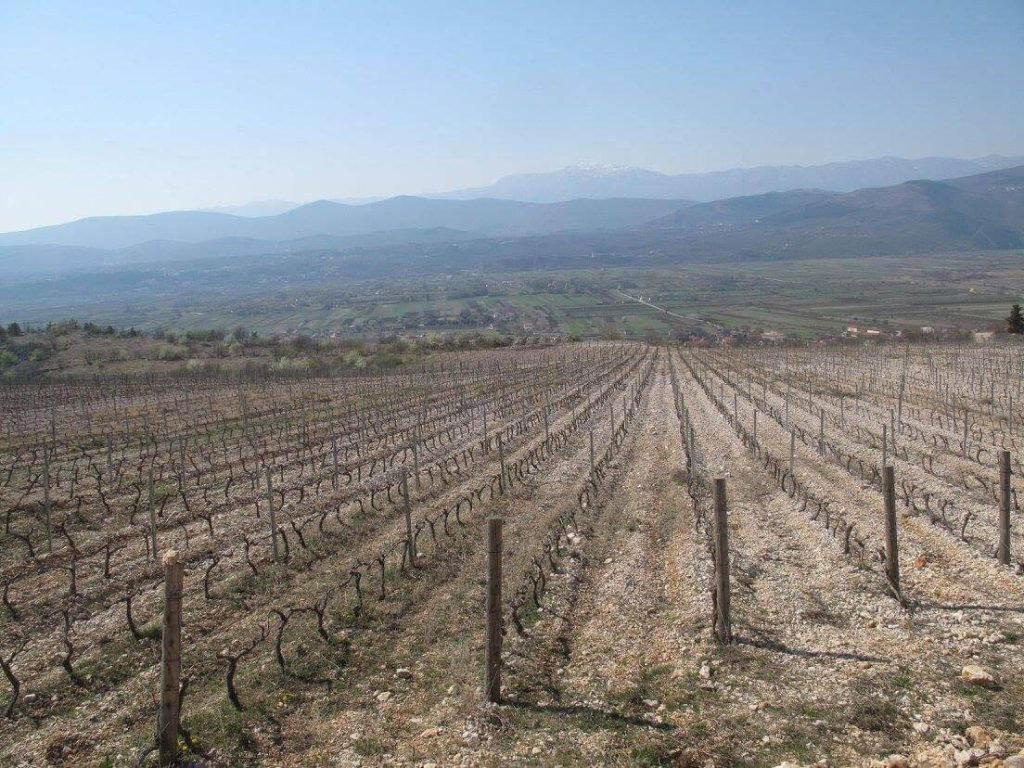

At a Glance
- Rustic
- Cozy
- Scenic
- Family
- Group Dining
- Casual Hangout
- Terrace
- Historic Building
- Local Sourcing
- Mountain
Current opening hours
- Monday
- 8 AM–9 PM
- Tuesday
- 8 AM–9 PM
- Wednesday
- 8 AM–9 PM
- Thursday
- 8 AM–9 PM
- Friday
- 8 AM–9 PM
- Saturday
- 8 AM–11 PM
- Sunday
- 8 AM–9 PM
Hours can change for holidays and private events. Last verified .
Rustic Zagorje-style decor with open fireplace, thatched terrace under natural shade overlooking forests and hills, offering a warm, traditional atmosphere.