Klang Na Pla Khaw
In Phan Thong, a mid-sized industrial district in Chon Buri province, Klang Na Pla Khaw draws on the coastal and agricultural supply lines that define eastern Gulf of Thailand cooking. The address, Nong Tamlueng subdistrict, places it away from tourist circuits, in the kind of local-market orbit where sourcing decisions tend to be made by proximity rather than prestige. For visitors tracing Thai seafood traditions outside Bangkok, it belongs on the itinerary.
Pearl is the En Primeur Club membership app — saves, bookings, and concierge access live there. Same editors, same standards.
- Address
- 5, Nong Tamlueng, Phan Thong District, Chon Buri 20160, Thailand
- Phone
- +66966936953
- Website
- facebook.com
- Directions
- Get directions
 Saves & bookings on Pearl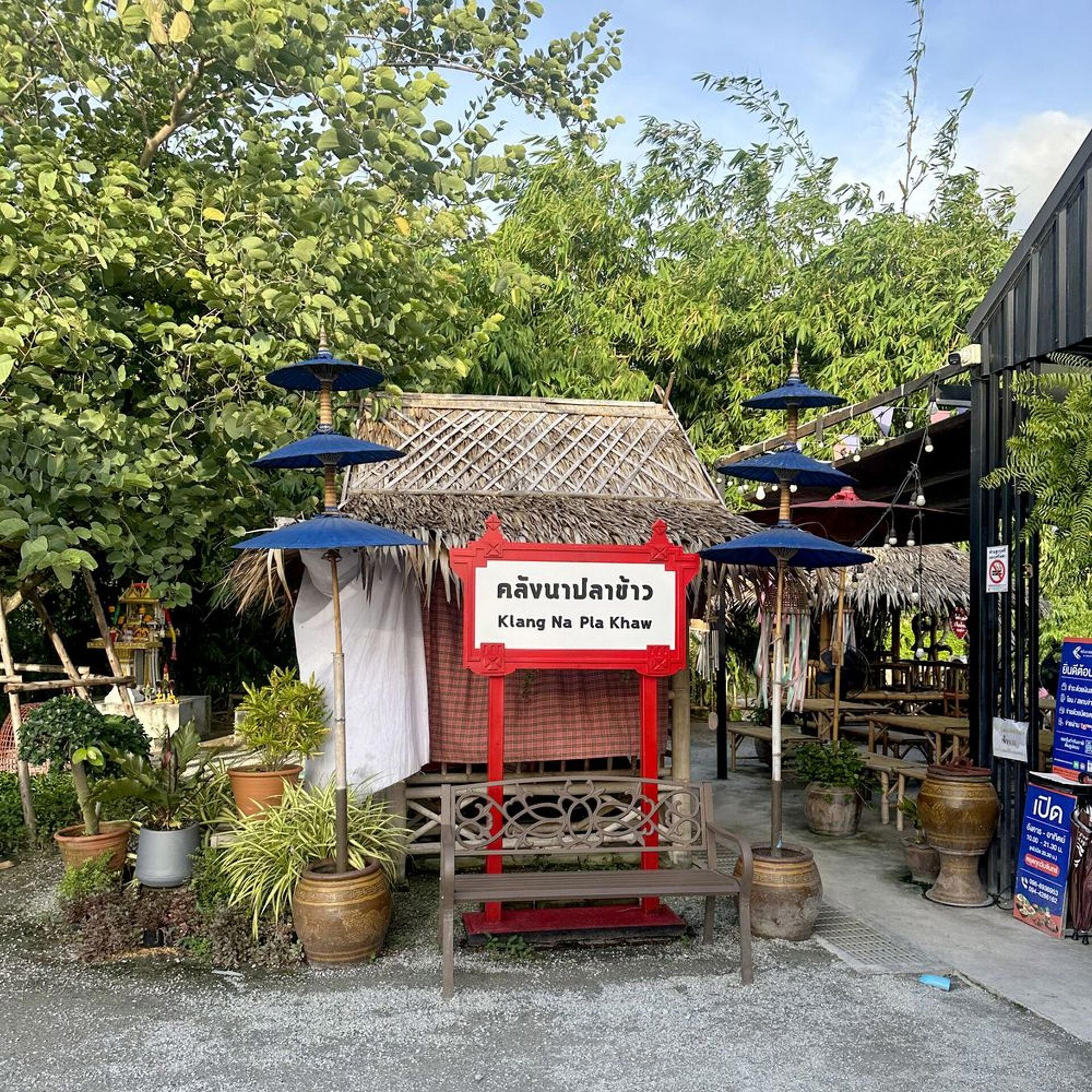
Eastern Gulf Cooking and the Supply Chains That Shape It
The eastern seaboard of the Gulf of Thailand runs through Chon Buri province in a way that most international visitors register only as a motorway corridor between Bangkok and Pattaya. Phan Thong sits inside that corridor, an industrial district by reputation, but one threaded with fishing communities, wet markets, and the kind of localized ingredient networks that inform serious Thai seafood cooking. Klang Na Pla Khaw, in Nong Tamlueng, Phan Thong District, is a casual Isaan and Eastern Thai Seafood restaurant. The name itself signals aquatic intent: pla is fish in Thai, and the full phrase orients the kitchen toward water-sourced ingredients rather than landlocked traditions.
This positioning matters because the eastern Gulf coast produces a different pantry than the Andaman side or the south. The salinity levels, tidal patterns, and estuary systems around Chon Buri yield shellfish, white fish, and fermented seafood products that travel poorly and therefore rarely appear outside their home province with any fidelity. Restaurants that source within this catchment area, rather than from Bangkok's wholesale markets, are working with ingredients at a fundamentally different stage of their life. That geographic specificity is what separates provincial Thai seafood cooking from its Bangkok facsimiles, and it is the frame through which a place like Klang Na Pla Khaw should be assessed.
Where Phan Thong Fits in the Thai Dining Conversation
Bangkok's top tier of Thai cooking, think Sorn in the capital, with its rigorous southern sourcing program and Michelin recognition, has made ingredient provenance a front-of-house talking point. That conversation has filtered outward, but unevenly. Chon Buri province sits closer to the supply origin than to the fine-dining apparatus. Phan Thong is not a destination dining city in the way that Phuket or Chiang Mai have become, and Klang Na Pla Khaw makes no claim to that register. It belongs instead to the category of provincial Thai restaurants where the sourcing is good precisely because the restaurant is embedded in the local economy, not performing distance from it.
That distinction shapes the experience. Ingredient-driven cooking in this context does not mean tasting menus, wine pairings, or the kind of format architecture you find at PRU in Phuket or at internationally decorated counters like Le Bernardin in New York City. It means fish that arrived this morning from a source the kitchen knows by name, prepared according to methods refined over years of working with a consistent local supply. The editorial comparison that applies here is not between the restaurant and fine dining venues, but between the restaurant and the wider category of regional Thai seafood restaurants where sourcing proximity is the primary quality driver.
The Ingredient Logic of the Eastern Seaboard
Thai seafood cooking across the eastern Gulf tends to differ from southern Thai traditions in its treatment of heat and fermentation. The south, as expressed through places like AKKEE in Pak Kret (which draws on southern Thai Muslim traditions), uses fermented shrimp paste and dried spice profiles that read as distinctly regional. The eastern seaboard repertoire is lighter in that specific register, leaning instead toward fresh-catch preparations, clear broths, and the grilled or steamed formats that let the primary ingredient read plainly. A restaurant named around fish and positioned in Nong Tamlueng is likely working within that eastern framework rather than importing southern conventions.
Chon Buri's position as an industrial province has an unexpected culinary consequence: the workforce drawn from across Thailand has created a local restaurant scene that spans regional Thai styles, with seafood as the consistent common ground. The restaurant sits within that social context. The address, subdistrict-level, away from tourist infrastructure, suggests a clientele that is primarily local, which is typically one reliable signal that a kitchen is working to standards set by people who eat there regularly rather than by passing visitors with no repeat relationship to the cooking.
Comparable provincial seafood dynamics appear along Thailand's other coastal corridors. Krua Laew Tae R-Rom in Pattaya, operating within the same Chon Buri province, navigates a similar tension between tourist traffic and local seafood traditions. Further afield, the sourcing discipline at DEVASOM BEACH GRILL in Takua Pa reflects how coastal proximity shapes menus across different Thai provinces. Even the noodle-forward Khok Kloi Bami Tom Yam Khai in Takua Thung illustrates how tom yam traditions diverge by geography and ingredient availability. A version with a quite different sensibility, the Bangkok-based Klang Na Pla Khao (Thai), offers a point of comparison for how the same name and concept can read differently across contexts.
Planning a Visit: What the Address Tells You
The Nong Tamlueng address in Phan Thong District, Chon Buri, 5 Nong Tamlueng, Phan Thong District, Chon Buri 20160, Thailand, is reachable from both Bangkok and the Pattaya corridor, placing it within the orbit of day trips or stopover meals. Reservations are recommended, and arriving at off-peak hours reduces wait risk. The price tier is moderate.
Seasonal timing matters in eastern Gulf seafood cooking. The monsoon months affect catch volumes and species availability along the Chon Buri coast, which means spring and early dry season visits tend to align with broader seafood availability across the region. That pattern holds for most restaurants in this sourcing radius, not just the restaurant specifically. For a broader view of how Thai restaurants in this register handle seasonal supply, the Hoy Tord Chao Lay (หอยทอดชาวเล) in Bangkok, with its oyster-focused menu, illustrates how Thai seafood kitchens adapt to coastal seasonality at different price points. The approach at Loet Rot in Mueang Chiang Mai offers a northern counterpoint, where landlocked geography produces an entirely different seasonal ingredient logic.
A Quick Peer Check
Comparable venues nearby, for context on price, style, and recognition.
| Venue | Cuisine | Price | Awards | Notes |
|---|---|---|---|---|
| Klang Na Pla KhawThis venue — the venue you are viewing | Isaan and Eastern Thai Seafood | $$ | Not listed | Not listed |
| Klang Na Pla Khao | Thai Isan and Eastern Thai | $$ | Michelin Plate | Nong Tamlueng, Phan Thong |
| Kiew Kai Ka | Traditional Regional Thai | $$ | Not listed | Ban Song Krathiam |
| Thip Samai Pad Thai | Well-known Thai Pad Thai | $$ | Not listed | Phra Nakhon |
| Baan Nual | Authentic Homestyle Thai | $$ | Not listed | Sanam |
| Kao Soi Samer Jai (ข้าวซอยเสมอใจ) | Northern Thai Khao Soi | $ | Not listed | Wat Ket |
Continue exploring
More in Phan Thong
Restaurants in Phan Thong
Browse all →
Bars in Phan Thong
Browse all →

At a Glance
- Rustic
- Cozy
- Family
- Group Dining
- Casual Hangout
- Standalone
- Local Sourcing
Current opening hours
- Monday
- 10 AM–10 PM
- Tuesday
- 11 AM–10 PM
- Wednesday
- 10 AM–10 PM
- Thursday
- 10 AM–10 PM
- Friday
- 9:30 AM–10 PM
- Saturday
- 9:30 AM–10 PM
- Sunday
- 10 AM–10 PM
Hours can change for holidays and private events. Last verified .
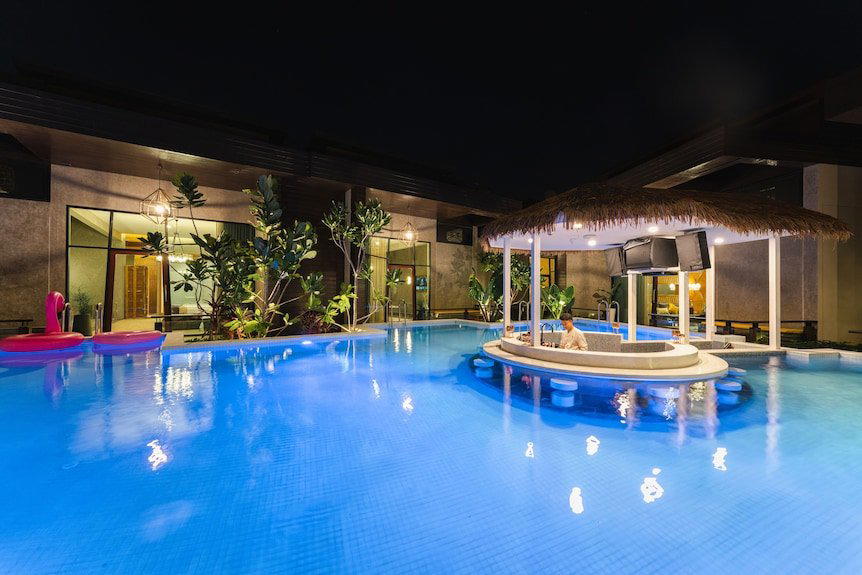
Country-style atmosphere like eating at home, with ample indoor seating including air-conditioned rooms.