Korean dining occupies a quiet but committed niche in Doha's restaurant scene, and KKUM on Al Kinana Street sits within that specialist tier. The address draws a crowd that knows what it's looking for: the structured rituals of a Korean meal, from banchan to grilled proteins, delivered in a city where the format remains genuinely uncommon.
Pearl is the En Primeur Club membership app — saves, bookings, and concierge access live there. Same editors, same standards.
- Address
- Al Kinana St, Doha, Qatar
- Phone
- +97444823705
- Website
- instagram.com
- Directions
- Get directions
 Saves & bookings on Pearl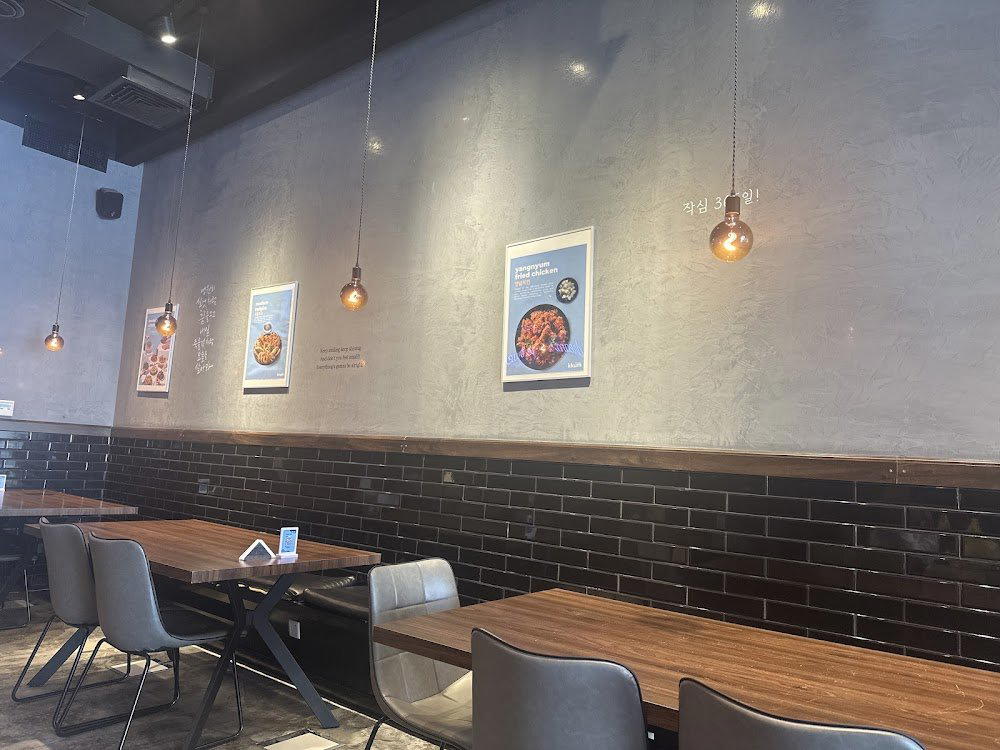
Korean Ritual in a City Built for Spectacle
KKUM Korean Restaurant is a casual Korean Fried Chicken & Dakgalbi restaurant in Doha, Qatar, on Al Kinana St. The headline positions belong to French Contemporary at IDAM by Alain Ducasse, to Cantonese at Hakkasan, to Japanese at Morimoto. Against that backdrop, Korean food occupies a smaller, more self-contained corner, one that rewards the diner who arrives already fluent in the format rather than the one looking for spectacle. KKUM Korean Restaurant, located on Al Kinana Street, sits inside that specialist tier.
That positioning matters because Korean dining, at its core, is one of the more ritualised meal structures in East Asian cuisine. The experience is not built around a single centrepiece dish. It is built around accumulation: the arrival of banchan before anything else, the pacing of grilled proteins over charcoal or gas, the way rice and soup function as anchors rather than afterthoughts. In a restaurant culture dominated by French tasting menus and Middle Eastern sharing formats, the Korean model asks something slightly different of the table, patience with the sequence, attention to the condiments, willingness to participate in the cooking where tableside grills are involved.
What the Format Demands of the Table
The architecture of a Korean meal is worth understanding before you sit down. Banchan, the small, shared side dishes that arrive alongside or before the main order, are not starters in the Western sense. They are continuous. They are refilled. They set the register of salt, acid, and fermented depth against which everything else is measured. Kimchi, namul (seasoned vegetables), japchae, and pickled accompaniments each serve a structural role in the meal rather than a decorative one.
Where tableside grilling is part of the offering, the ritual deepens further. Korean barbecue, galbi (short ribs), bulgogi, samgyeopsal (pork belly), is cooked in stages, with timing and char level affecting the result significantly. The convention of wrapping grilled meat in perilla leaf or lettuce with a smear of ssamjang paste is one of the more quietly satisfying eating formats in any cuisine: it is interactive without being theatrical, personal without being fussy.
For diners more familiar with Doha's Middle Eastern sharing traditions, the mezze logic of Baron or the Qatari hospitality codes at Al Nahham, the Korean format has recognisable structural parallels. Both traditions centre shared plates, both use condiments as essential rather than optional elements, and both carry an implicit social expectation that the meal is a group activity. The differences lie in the fermentation register and the tableside preparation, neither of which has a direct equivalent in the Gulf tradition.
Korean Dining in the Gulf Context
Korean restaurants in the Gulf have expanded steadily over the past decade, tracking both the growth of Korean soft power globally and the presence of South Korean construction and infrastructure workers in the region. Doha has a small but consistent Korean dining circuit that sits largely outside the hotel restaurant tier, in standalone neighbourhood addresses and commercial strips rather than in lobby-level showcase spaces.
That structural difference from, say, Al Liwan or Al Sufra at the Marsa Malaz Kempinski means that Korean dining in Doha tends to operate closer to neighbourhood-restaurant logic: regulars, direct service, less formality in presentation, lower price points relative to hotel peers. It also means that the ingredient sourcing decisions and kitchen priorities are visible in the food more directly than in destinations where production values are part of the proposition.
For comparison, Korean dining at the upper tier of other markets looks substantially different. Atomix in New York City, which holds two Michelin stars, operates Korean cuisine as a structured tasting format with academic rigour around fermentation and technique. That mode of Korean dining has not yet found significant footing in Doha, where the format remains closer to its traditional, community-oriented register. KKUM occupies the latter category: the reference point is the Seoul neighbourhood grill house or the family-run jjigae restaurant, not the New York fine-dining adaptation.
Eating Korean Well in Doha: What to Know in Advance
The Al Kinana Street address places KKUM in a section of Doha that sits within reach of the central city without being embedded in the tourist or hotel corridor. Getting there by car or ride-hailing app is the practical approach for most visitors; the address is findable but not prominently signposted in the way that hotel restaurants are.
Because verified booking information, phone, website, reservation platform, is not currently confirmed for KKUM, one reliable approach for visitors is to arrive with flexibility, particularly at weekend evening hours when Korean restaurants across the Gulf tend to draw their strongest covers from expat communities. Other options in the Korean and Asian neighbourhood-restaurant bracket include Koo Madame in Lusail, which offers a different East Asian register further up the coast.
Korean cuisine's fermentation-forward flavour profile means it handles dietary restrictions in particular ways. The kitchen at a traditional Korean restaurant will typically have vegetarian-adaptable banchan and tofu-based soups alongside the meat-dominant barbecue programme, though the fermentation bases, fish sauce, shrimp paste, and anchovy stock, appear in dishes that may not look visibly non-vegetarian. Diners with allergy or dietary constraints should confirm with the kitchen directly; the baseline assumption in a traditional Korean kitchen is a full-spectrum pantry.
For those mapping Doha's wider dining circuit, the city's higher-formality end anchors at addresses like IDAM by Alain Ducasse, with a larger casual and neighbourhood tier covering everything from Carluccio's in Leabaib to Planet Hollywood in Msheireb. Korean dining sits in the neighbourhood-specialist column of that map: lower production values than the hotel tier, higher specificity of tradition, and a dining logic that rewards familiarity with the format.
What It’s Closest To
Comparable venues nearby, for context on price, style, and recognition.
| Venue | Cuisine | Price | Notes |
|---|---|---|---|
| KKUM Korean RestaurantThis venue — the venue you are viewing | Korean Fried Chicken & Dakgalbi | $ | Not listed |
| Usta Turkish Kebap & Doner | Authentic Turkish Kebap & Doner | $$ | Souq Waqif |
| yugo | Asian Fusion | $$ | West Bay |
| Choices | International Buffet | $$$ | Al Matar Street |
| Spice Market | Modern Southeast Asian with Sushi | $$$ | West Bay |
| Al Nahham | Modern Lebanese Seafood | $$$$ | Banana Island |
Continue exploring
More in Doha
Bars in Doha
Browse all →
At a Glance
- Lively
- Cozy
- Group Dining
- Casual Hangout
- Family
Current opening hours
- Monday
- 11:30 AM–11 PM
- Tuesday
- 11:30 AM–11 PM
- Wednesday
- 11:30 AM–11 PM
- Thursday
- 11:30 AM–11 PM
- Friday
- 1–11 PM
- Saturday
- 11:30 AM–11 PM
- Sunday
- 11:30 AM–11 PM
Hours can change for holidays and private events. Last verified .
Casual and chill vibe with a fun atmosphere for nights out, friendly staff, and rich bold flavors.