Kirchenfeld
Kirchenfeld sits on Thunstrasse in one of Bern's most composed residential quarters, drawing a local crowd that returns not for novelty but for consistency. The address places it within easy reach of the Kunstmuseum and the Rose Garden, and its regulars treat it with the quiet familiarity of a neighbourhood institution rather than a destination dining exercise.
Pearl is the En Primeur Club membership app — saves, bookings, and concierge access live there. Same editors, same standards.
- Address
- Thunstrasse 5, 3005 Bern, Switzerland
- Phone
- +41313510278
- Website
- kirchenfeld.ch
- Directions
- Get directions
 Saves & bookings on Pearl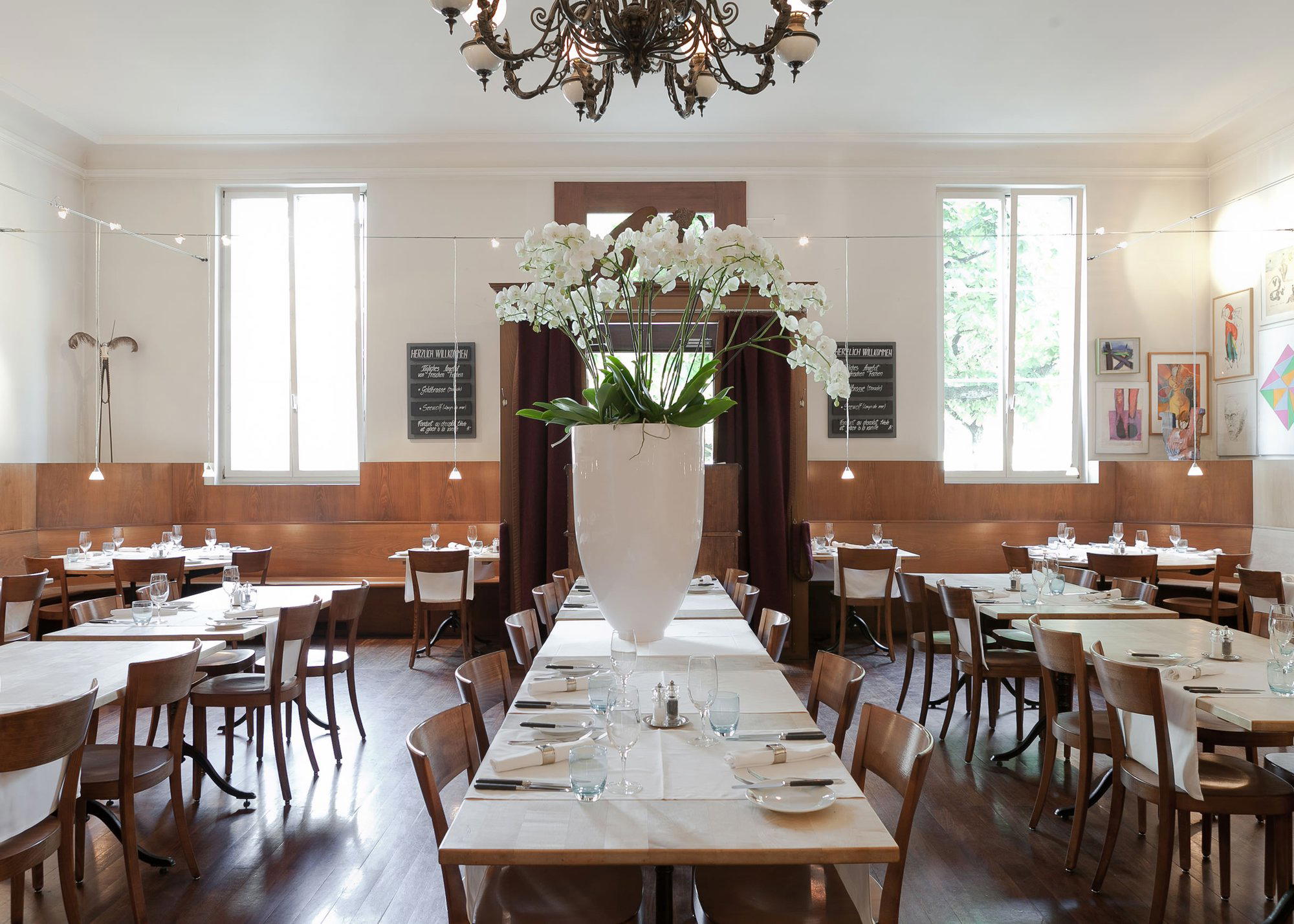
The Kirchenfeld Quarter and the Case for Neighbourhood Dining
Bern's dining conversation tends to concentrate on the medieval Altstadt, where the arcaded streets and the density of foot traffic make restaurants easy to find and easy to fill. Kirchenfeld sits across the Aare on a different set of terms. The neighbourhood takes its character from wide, tree-lined streets, early twentieth-century residential architecture, and the cluster of museums along Helvetiaplatz. This is not a quarter that needs to perform for visitors; it functions on the confidence of people who already live there. Restaurants that endure in Kirchenfeld do so because regulars come back, and regulars come back because the experience earns that return rather than simply announcing it.
Thunstrasse 5 is a Bern address without the self-conscious heritage framing of the old city. The approach is residential in scale, and the physical environment signals a room oriented toward its repeat clientele rather than toward first-time visitors working through a checklist. That positioning is, in its own way, a deliberate choice: in a city where the Wein & Sein end of the market and the Steinhalle end of the creative spectrum both compete for attention, the neighbourhood operator survives by being the place those same diners want on a Tuesday.
What Keeps the Regulars Coming Back
One instructive thing about a restaurant's relationship with its regulars is not what appears on the printed menu but what those regulars have worked out through repetition. In Kirchenfeld, as in comparable residential addresses across Swiss-German cities, the expectation is of a room that does not require you to re-orient yourself each visit: same atmosphere, same level of attentiveness, a kitchen whose output is consistent enough that you know roughly what you are ordering before you order it. That predictability is not a failure of ambition; it is a specific form of hospitality intelligence.
Swiss neighbourhood dining at this level operates within a set of conventions that favour technique over novelty and seasonal rotation over menu reinvention. The regulars of a Kirchenfeld address are typically professionals from the embassy belt and museum sector who have already worked through the destination-dining circuit and return to local rooms for the relief of not needing to perform appreciation. In Bern specifically, where the federal administration and the diplomatic community create a population unusually well-travelled and unusually unpretentious in its local habits, this translates into restaurants where the service register is knowledgeable but not theatrical.
Kirchenfeld's proximity to the Bernisches Historisches Museum, the Naturhistorisches Museum, and the Kunstmuseum means the surrounding street life has a cultural density unusual for a purely residential quarter. Dinner here tends to follow an afternoon in those institutions rather than precede a evening in the Altstadt. That sequencing shapes the crowd and, by extension, the room's atmosphere: unhurried, conversational, and oriented toward the meal as the main event rather than as a prelude.
Bern's Dining Tiers and Where Kirchenfeld Fits
Switzerland's restaurant scene at the leading end is well-documented: Hotel de Ville Crissier in Crissier, Schloss Schauenstein in Fürstenau, and Cheval Blanc by Peter Knogl in Basel represent the country's highest-recognition tier, alongside destinations like Memories in Bad Ragaz, 7132 Silver in Vals, and focus ATELIER in Vitznau. Those rooms require advance planning, occasion framing, and a different relationship with the bill. Further down the Swiss dining map, addresses like Colonnade in Lucerne, Einstein Gourmet in Sankt Gallen, and Da Vittorio in St. Moritz compete on a different register of prestige. IGNIV Zürich by Andreas Caminada represents the Zurich-facing version of destination casual.
Bern's own upper tier is smaller but not thin. In the Altstadt and its immediate surrounds, Wein & Sein operates at the modern cuisine end with a price point and format that signal serious intent. Steinhalle anchors the creative end. Below that tier, the mid-range bracket includes rooms like ZOE for vegetarian-forward eating, Al Toque, and Azzurro – Terra e Mare. Kirchenfeld operates in the neighbourhood tier below those destination addresses but above the purely casual.
That positioning is, in Swiss dining terms, a sustainable one. The city's population of around 130,000 is large enough to support a neighbourhood restaurant culture but small enough that reputations form through word of mouth rather than review cycles. A room that loses its regulars in Bern has no algorithm to replace them.
Planning a Visit
Kirchenfeld is accessible on foot from the Kirchenfeldbrücke, the bridge connecting the Altstadt to the right bank, which takes roughly ten minutes from the Bear Park end of the old city. The number 3 and number 5 tram lines serve the quarter from Bern Hauptbahnhof, with stops along Helvetiaplatz. For visitors staying in the Altstadt or near the station, the walk across the bridge is a reasonable evening approach, particularly in the longer light of spring and early summer when the Aare below runs high and green. Visitors planning to combine dinner with the museum quarter should note that most of the Helvetiaplatz institutions close at 17:00, leaving time to cross to the Kirchenfeld address before the evening service. Given the absence of publicly available booking data, checking availability directly via the address at Thunstrasse 5 or arriving in the early part of the evening service is the approach most consistent with how neighbourhood rooms of this type operate in Swiss-German cities. For a fuller picture of Bern's dining options across all price points and cuisines, the EP Club Bern restaurants guide provides comparative coverage across the city's main dining neighbourhoods.
The Kirchenfeld neighbourhood itself rewards the unhurried approach. Arriving early enough to walk the residential blocks around Thunstrasse before the meal contextualises the room in a way that arriving by taxi from the Altstadt does not. The quarter feels like the Bern that Bern's own residents actually live in, and that legibility is part of what makes it the right address for the kind of evening its regulars are looking for.
How Kirchenfeld Bern compares with similar nearby venues.
| Venue | Cuisine | Price |
|---|---|---|
| Steinhalle | Creative | €€€€ |
| ZOE | Vegetarian | €€€ |
| Casino Restaurant | Modern French | €€€ |
| Wein & Sein | Modern Cuisine | €€€€ |
Continue exploring
More in Bern
Restaurants in Bern
Browse all →
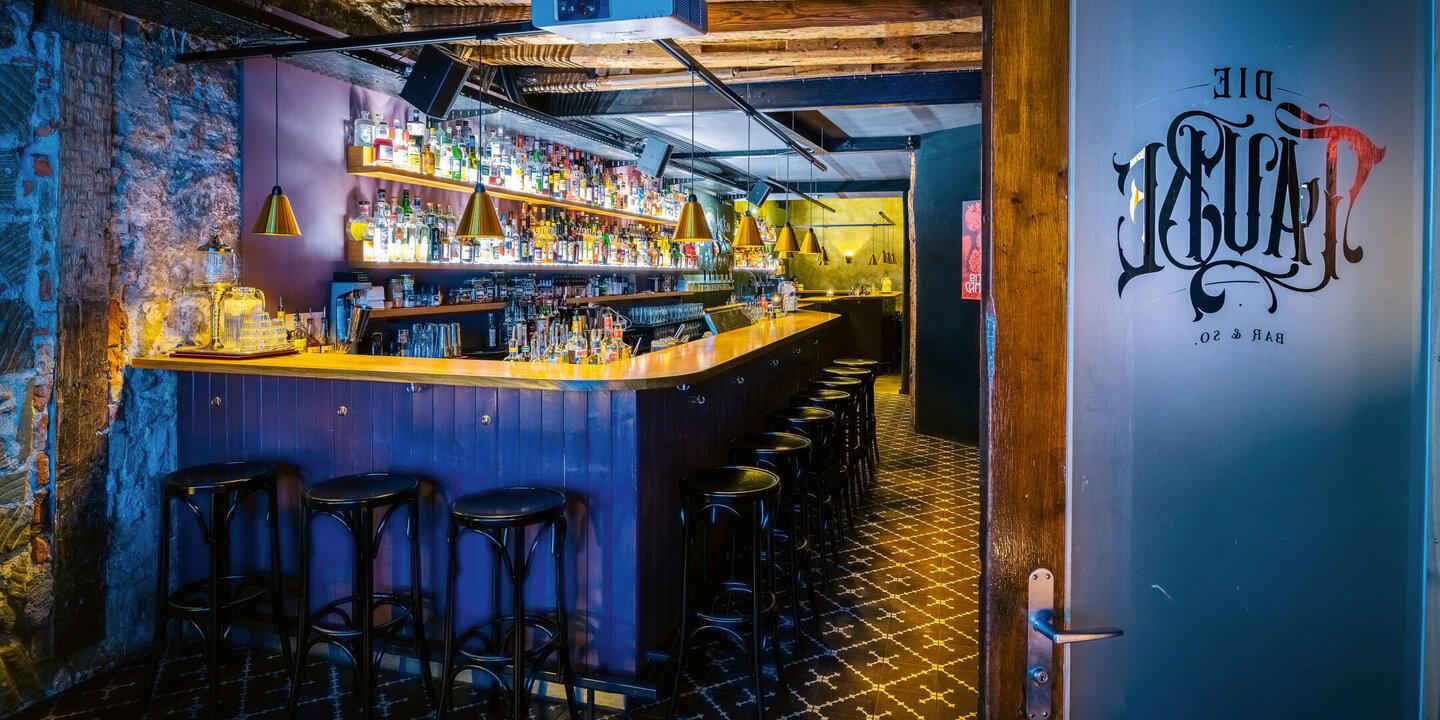
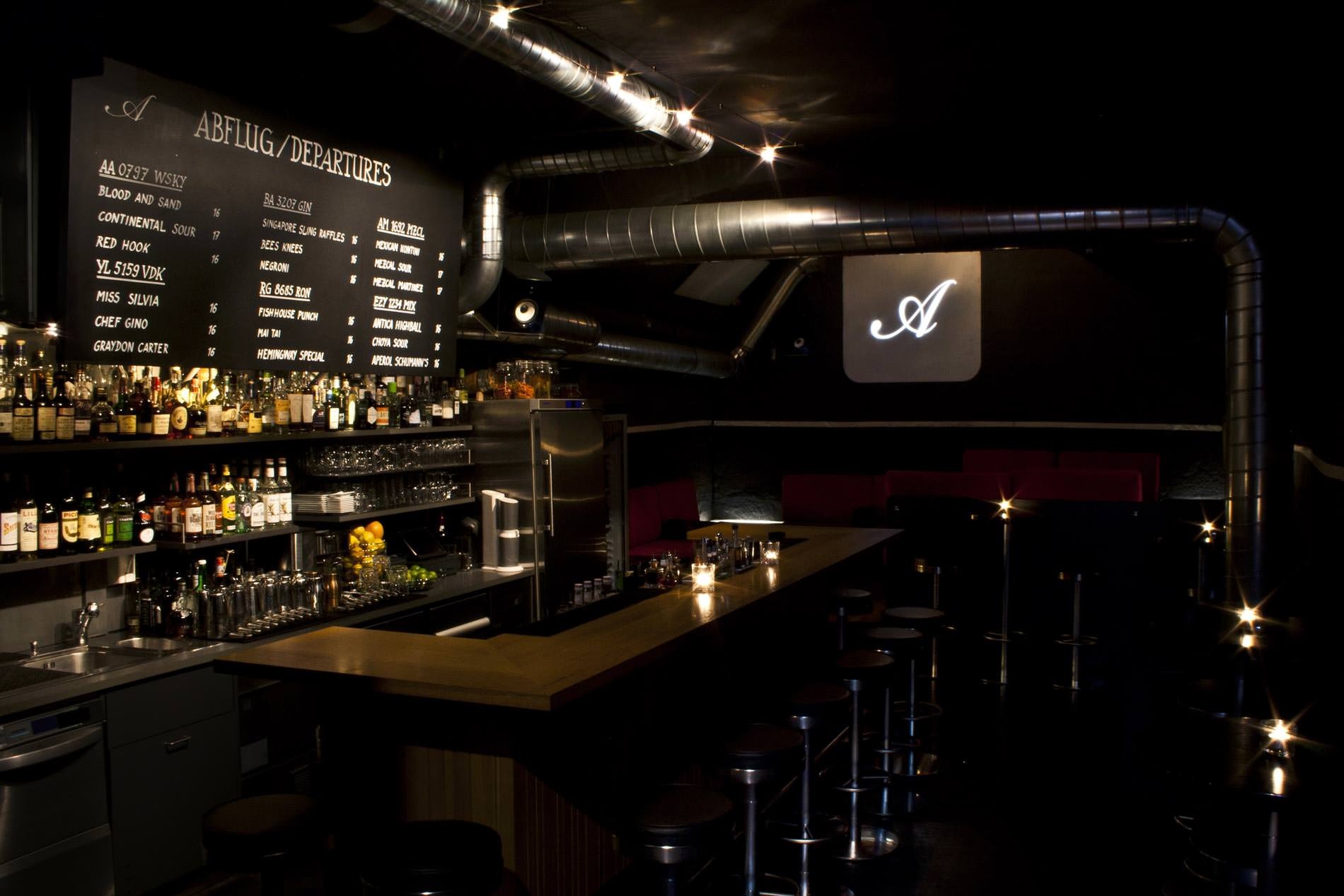
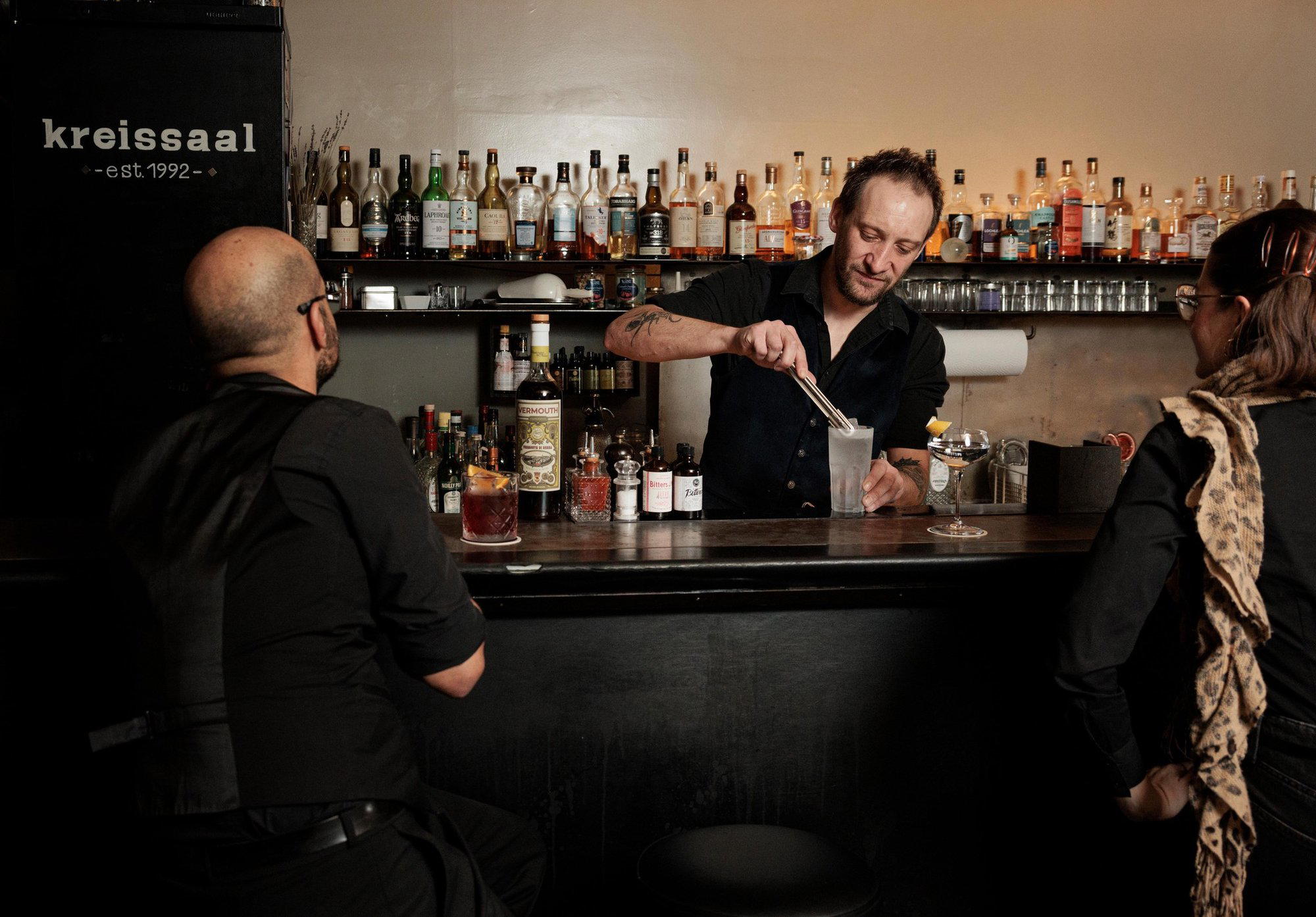
Bars in Bern
Browse all →
Hotels in Bern
Browse all →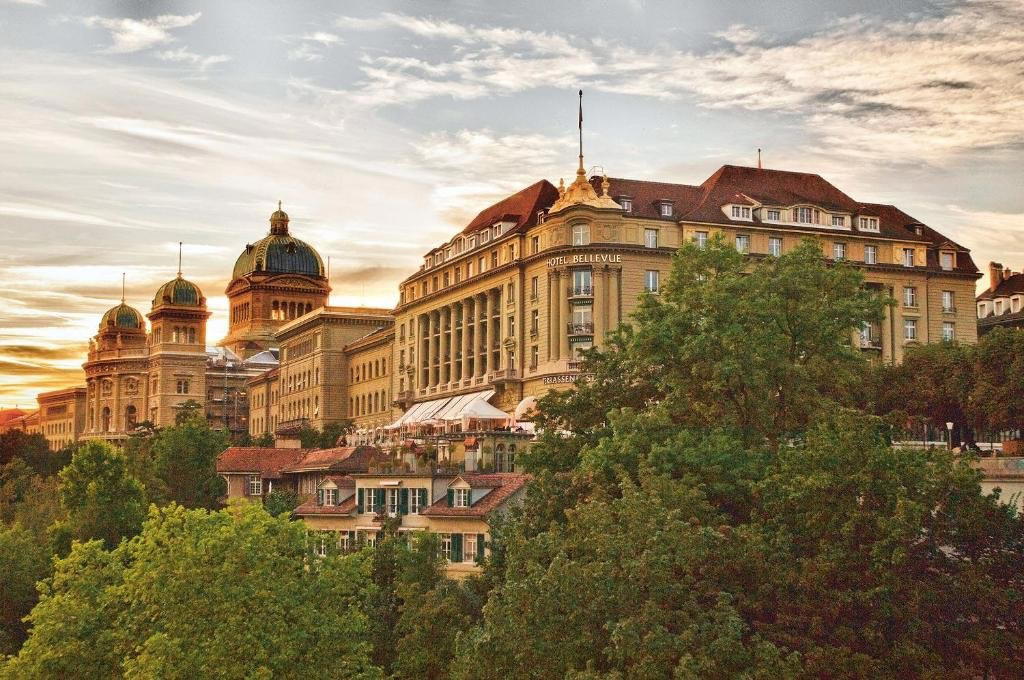

At a Glance
- Classic
- Elegant
- Cozy
- Special Occasion
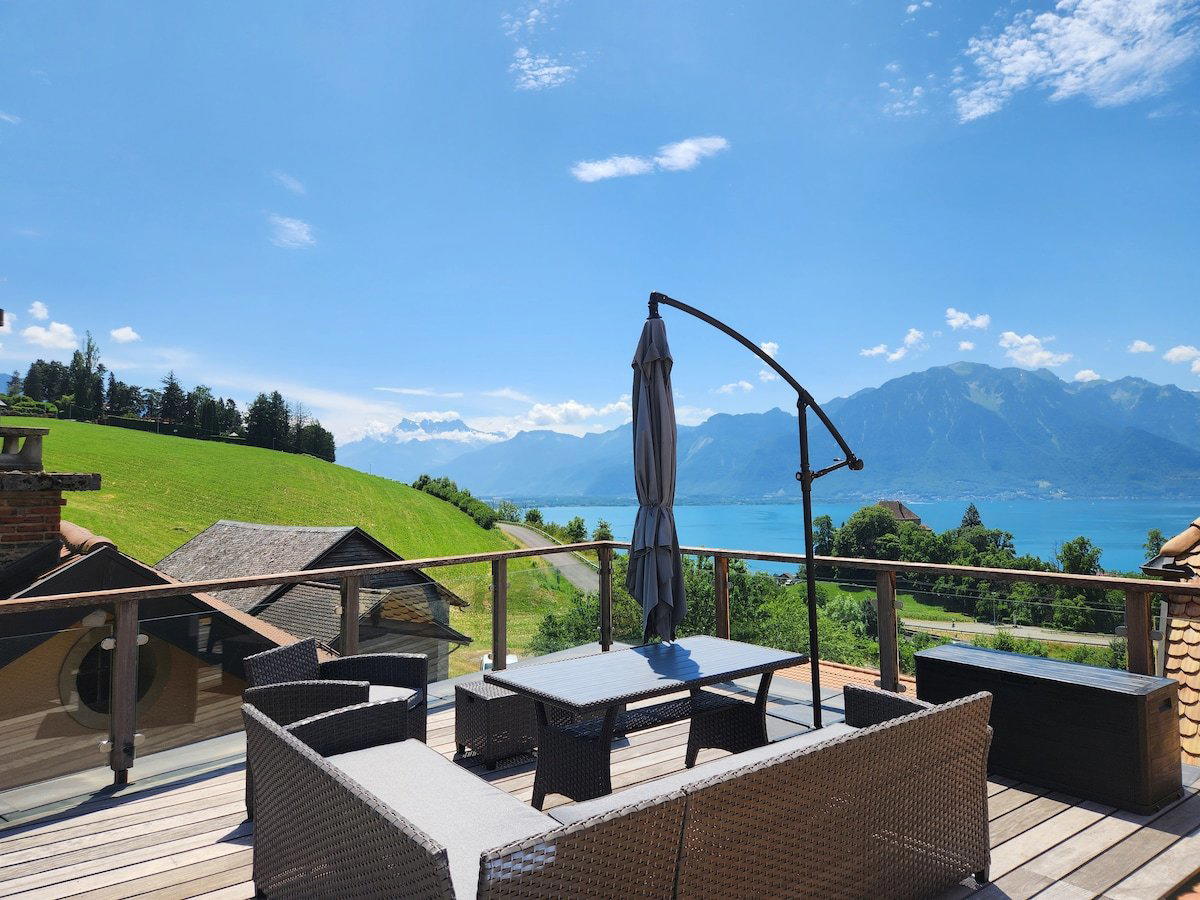
- Terrace
- Historic Building
Current opening hours
- Monday
- Closed
- Tuesday
- 9 AM–11 PM
- Wednesday
- 9 AM–11 PM
- Thursday
- 9 AM–11 PM
- Friday
- 9 AM–11 PM
- Saturday
- 9 AM–11 PM
- Sunday
- Closed
Hours can change for holidays and private events. Last verified .
Atmospheric lighting with high rooms and elegant historic decor including stucco ceilings and antiques.