Kiraku

Our verdict
Chef Daiki Sato's kitchen runs on a philosophy of sourcing-led simplicity, positioning this modest address as a reference point for the East Bay's Japanese food scene.

Pearl is the En Primeur Club membership app — saves, bookings, and concierge access live there. Same editors, same standards.
- Address
- 2566B Telegraph Ave, Berkeley, CA 94704
- Phone
- (510) 848-2758
- Hours
- Mon ClosedTue–Thu 5:30–10 PMFri–Sat 5:30–11 PMSun Closed
- Website
- kirakuberkeley.com
- Directions
- Get directions
The menu
What to order
- Suzuki carpaccio
- Mini donburi
- Sashimi sampler
- Grilled beef tongue skewers
Berkeley's Quiet Argument for Ingredient-Led Japanese Cooking
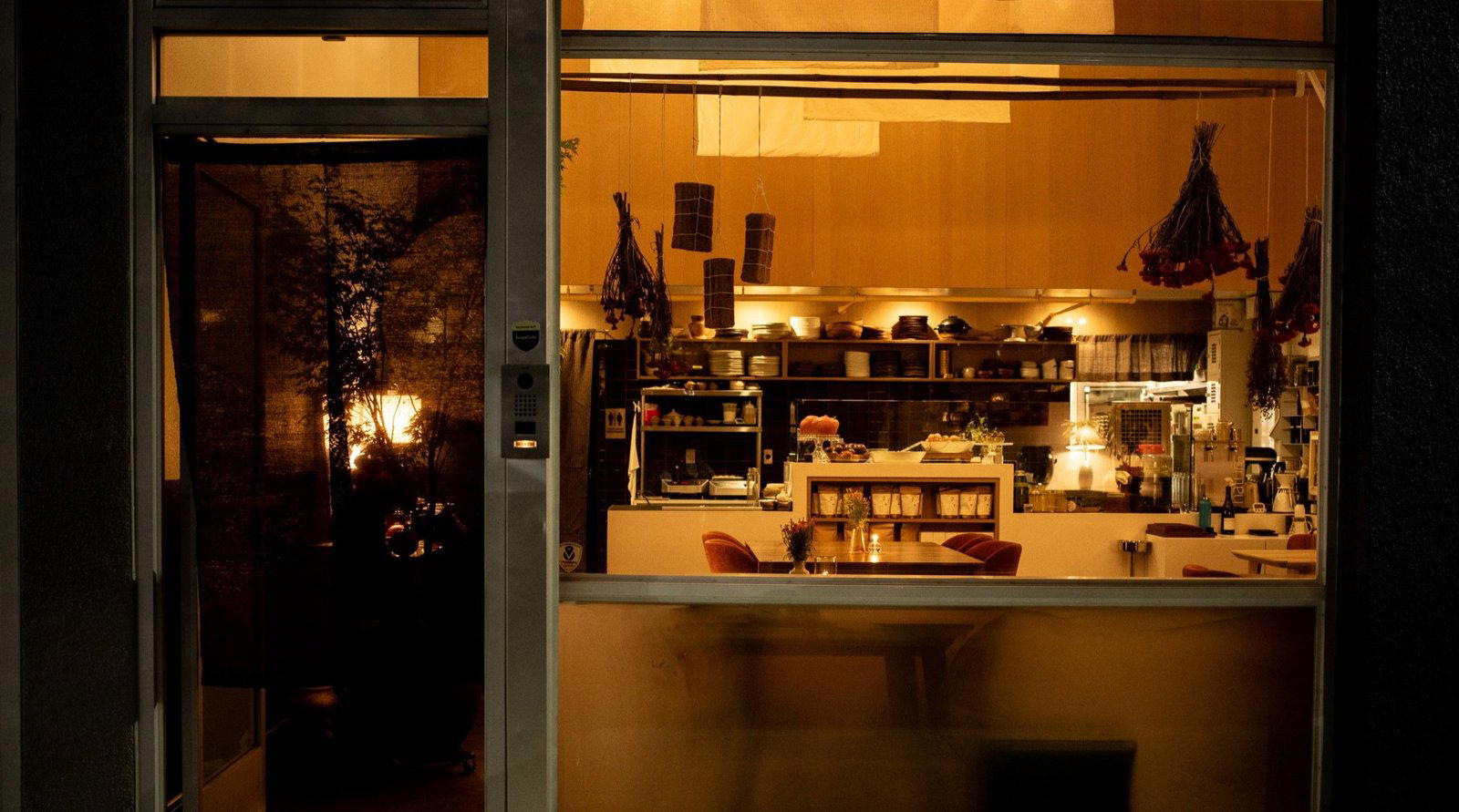
Telegraph Avenue in Berkeley does not announce itself the way San Francisco's dining corridors do. There are no neon-lit cocktail bars, no door staff with clipboards. The storefronts run low and modest, and Kiraku fits that register exactly — a narrow room on a stretch of avenue better known for student traffic than food criticism. Both programmes skew toward venues where the food, not the atmosphere, is doing the work.
That distinction matters in the Bay Area context. The formal Japanese dining bracket in San Francisco proper has consolidated around high-investment omakase formats: long tasting counters, chef-to-guest ratios that justify four-figure covers, and sourcing narratives delivered tableside. Nisei, Delage, and Gozu each occupy versions of that tier. Kiraku does not compete there. It belongs to a different and arguably more demanding category: the neighbourhood Japanese restaurant that earns serious critical attention without the scaffolding of a tasting menu format.
Where the Food Comes From, and Why That's the Story
Japanese cuisine at this level, izakaya-adjacent, technically disciplined, priced for repeat visits, lives or dies on ingredient decisions. The format doesn't hide behind elaborate sauces or constructed presentations. A piece of fish grilled over charcoal, a bowl of house-made tofu, a seasonal vegetable preparation: these are exposing dishes. They require sourcing relationships that go beyond wholesale distributors.
The Bay Area is unusually well-positioned for this kind of cooking. Northern California's proximity to both Pacific fisheries and some of the country's most productive agricultural land means that a kitchen with the right supplier relationships can source at a level that most American cities cannot match. The produce networks around Berkeley and the East Bay in particular have depth built over decades, small farms supplying restaurants that have been buying from them long enough to shape what gets grown. For a Japanese kitchen leaning on seasonal vegetables and fresh protein, this is the relevant infrastructure.
That sourcing advantage is not automatic, it requires a chef who knows how to access it and a kitchen philosophy oriented around letting ingredients carry the dish. At #587 across North America, it sits in a tier that filters out most restaurants in the country. Within the Bay Area's Japanese segment specifically, it occupies a different niche from the omakase tier represented by venues like Iyasare or Izakaya Rintaro, both of which draw on Japanese-Californian frameworks but with different format logic.
The East Bay Japanese Scene as a Distinct Category
Berkeley and Oakland have historically operated as pressure-relief valves for the kind of serious cooking that San Francisco's rents price out. The concentration of university-adjacent food culture, combined with lower commercial overhead, has produced a cluster of restaurants that earn national recognition without the marketing infrastructure of their across-the-bay counterparts. Kiraku fits this pattern: a small room, a focused kitchen, and the kind of guest loyalty that builds slowly through food quality rather than launch publicity.
The izakaya format itself rewards this setting. In Japan, the genre spans an enormous range, from standing-bar cheapness to chef-driven rooms that read more like kaiseki, but its core logic is consistent: small dishes, seasonal rotation, an assumption that guests will order broadly and return often. That rotation model aligns naturally with ingredient-led cooking, because the menu can shift as sourcing shifts. What's available from a trusted supplier in October looks different from what's available in April, and a kitchen built around that flexibility can respond in ways that fixed menus cannot.
In the Bay Area context, this connects Kiraku to a broader tradition of restaurants that treat California's agricultural calendar as a menu-building tool. That tradition shows up at different price points, from the three-Michelin-star frameworks at The French Laundry in Napa and Single Thread Farm in Healdsburg down to neighbourhood rooms where the same seasonal logic operates without the formal apparatus. Kiraku operates closer to the latter end of that spectrum, which is precisely what makes it useful to know about.
What the Recognition Signals
OAD rankings are assembled from critic votes rather than anonymous inspector visits, which means they skew toward venues that food professionals and serious eaters seek out repeatedly. A #587 North America ranking in 2025 places Kiraku inside a bracket that includes some of the most-discussed restaurants on the continent, rooms like Le Bernardin in New York City, Alinea in Chicago, Providence in Los Angeles, and Emeril's in New Orleans. That Kiraku appears in that ranking without Michelin stars, without a high-visibility address, and without the format signals that typically drive critic attention says something specific about the kitchen's consistency.
Pearl operates as a curated discovery platform rather than a mass-review aggregator, and its recommendations function as a signal that the venue performs above its visibility level. Together, the two recognitions suggest a restaurant that overdelivers relative to its profile, which in a city region as saturated with serious dining as the Bay Area is a meaningful filter.
That score held across a sample size large enough to absorb outliers, which indicates consistency rather than occasional brilliance.
For visitors calibrating a wider Bay Area Japanese itinerary, Kiraku operates in a different register from Tokyo-referencing rooms like Myojaku or Azabu Kadowaki, but the underlying craft priorities, seasonal sourcing, clean technique, restraint in composition, connect across formats.
Know Before You Go
- Address: 2566B Telegraph Ave, Berkeley, CA 94704
- Cuisine: Japanese (izakaya-adjacent)
- Chef: Daiki Sato
- Guest rating:
- Getting there: Telegraph Ave is served by AC Transit; the venue sits in Berkeley's core commercial corridor between campus and Ashby
How Kiraku Fits Into a Bay Area Itinerary
Kiraku works well as an anchor for an East Bay evening rather than a cross-bay destination trip, though the recognition it carries justifies making the journey from San Francisco specifically. Pair it with exploration of Berkeley's food corridor on Telegraph and its parallel streets, which have sufficient density to build a full evening around. For broader Bay Area planning, our full San Francisco restaurants guide maps the city's dining across price tiers and neighbourhood clusters, and our San Francisco hotels guide, bars guide, wineries guide, and experiences guide cover the wider region for visitors building multi-day programmes.
Frequently asked questions
What part of town is Kiraku in?
Kiraku is located at 2566B Telegraph Ave, Berkeley, CA 94704, San Francisco.
What awards or recognition does Kiraku have?
What do people recommend at Kiraku?
Kiraku follows an izakaya format built around rotating seasonal small plates rather than a fixed tasting menu, so standout dishes shift with what the kitchen is sourcing. Ordering broadly across the menu, rather than anchoring on a single dish, reflects how the format is intended to be used.
What cuisine category does Kiraku fall under?
Price and Positioning
| Venue | Cuisine | Price | Awards | Notes |
|---|---|---|---|---|
| KirakuThis venue — the venue you are viewing | Modern Japanese Izakaya | $50–100 | Not listed | Not listed |
| Lazy Bear | Modern American Tasting Menu | Not listed | 2 Michelin Stars · World's 50 Best #25 | Progressive American, Contemporary |
| Benu | Modern Asian Fusion Fine Dining | $150–200 | 3 Michelin Stars · World's 50 Best #33 | French - Chinese, Asian |
| Atelier Crenn | Contemporary French Fine Dining | $300–500 | 3 Michelin Stars · World's 50 Best #44 | Modern French, Contemporary |
| Quince | Modern French Fine Dining | $300–500 | 3 Michelin Stars · World's 50 Best #48 | Italian, Contemporary |
| Saison | Modern French-Italian | Not listed | Michelin Plate | Progressive American, Californian |
Recognition history
Dated appearances from independent guides and award organizations, with the underlying list record or original source where available.
Opinionated About Dining Casual in North America Recommended
Opinionated About Dining
Full recognition history (2 entries)
Opinionated About Dining Top Restaurants in North America Ranked #587
Opinionated About Dining