Brasa South American Steakhouse
A South American steakhouse on Canal Street, Brasa brings the wood-fired traditions of the Southern Cone to a city more accustomed to roux-based cooking. The address places it in New Orleans' Central Business District, where the dining conversation is shifting toward formats that sit outside the Creole-Cajun mainstream. For carnivores willing to step off the French Quarter circuit, it occupies a distinct niche in the city's protein-forward dining scene.
Pearl is the En Primeur Club membership app — saves, bookings, and concierge access live there. Same editors, same standards.
- Address
- 365 Canal St Ste. 220, New Orleans, LA 70130
- Phone
- +15043715553
- Website
- brasasteak.com
- Directions
- Get directions
 Saves & bookings on Pearl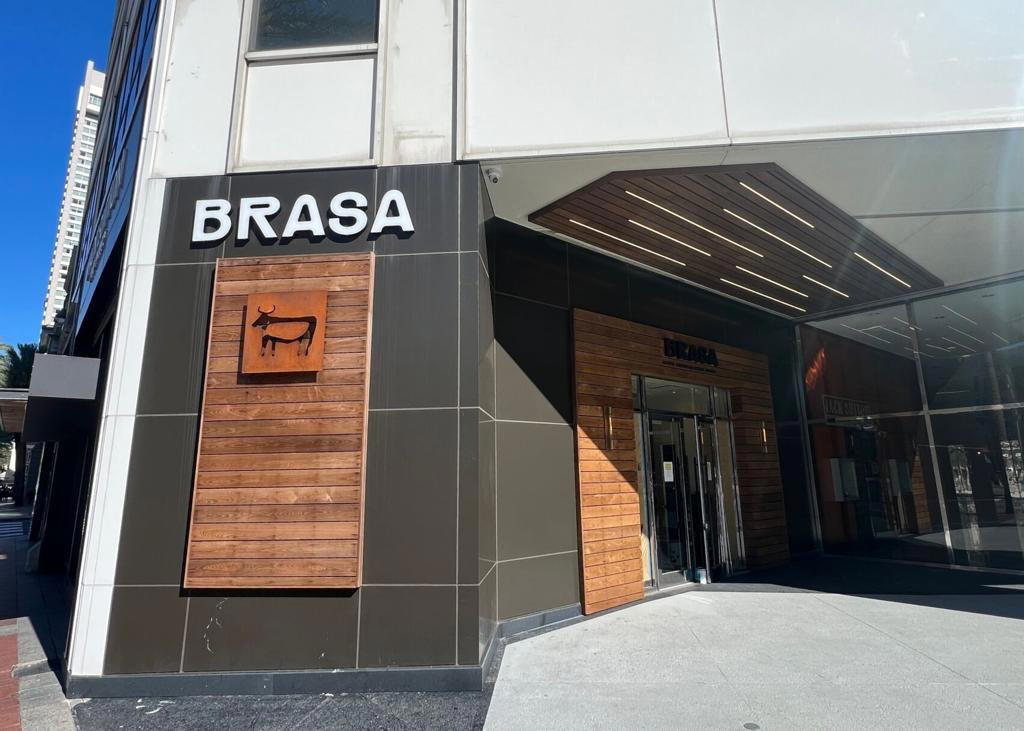
Canal Street as a Dining Address
Canal Street is a practical dining corridor in New Orleans. The French Quarter anchors tourist dining to the east; the Warehouse District pulls the design-conscious crowd to the west. The stretch of Canal at Suite 220 sits in that transitional zone, a Central Business District address where the restaurant population skews toward hotel dining rooms and business-lunch formats rather than destination cooking. That context matters for reading Brasa South American Steakhouse: it is operating in a part of the city where the competition is thinner and the diner profile more varied than in, say, the Marigny or the Garden District.
South American steakhouse traditions have a long history of traveling well. The churrascaria format, with its emphasis on wood-fired heat, salt-forward seasoning, and parade-style service, became an export product from Brazil and Argentina decades ago. What tends to get lost in translation, particularly in North American cities, is the pacing: the slow accumulation of cuts, the room's energy shifting as the grill work progresses. When that rhythm is preserved, the format holds a different logic from the American chophouse model, less about the single showpiece cut and more about sequence, smoke, and the architecture of the meal itself.
The Physical Proposition
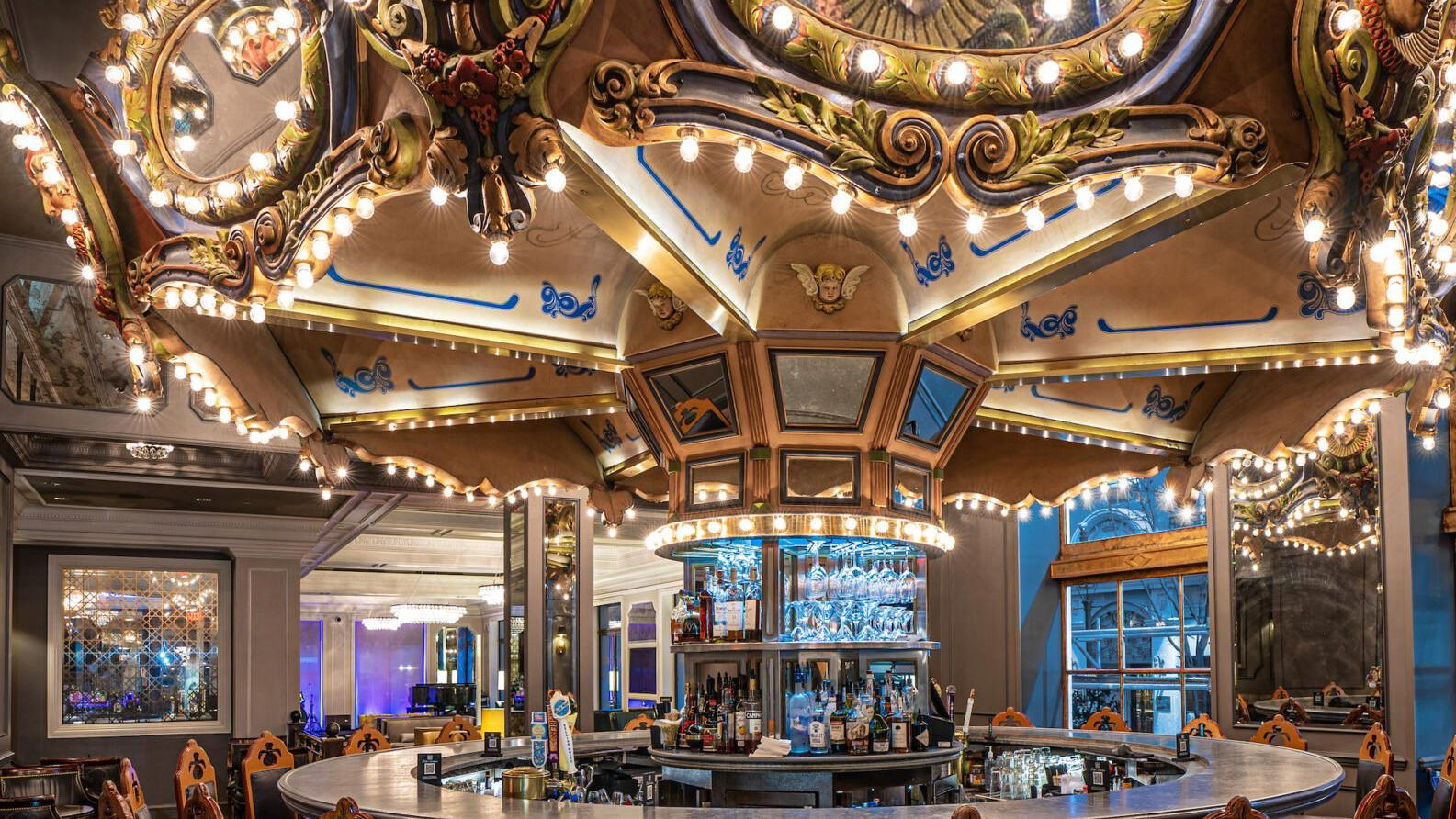
South American steakhouses, when designed with care, commit to a particular spatial grammar. Large tables to accommodate group dining, open sightlines to a grill station or rotisserie, warm materials that absorb the smell of woodsmoke without becoming oppressive. The format is inherently theatrical: the meat arrives at the table rather than the diner arriving at the plate. That inversion shapes everything from the floor plan to the staff choreography.
Brasa's Canal Street location places it in a suite-format space, which suggests a footprint shaped by a larger building's floor plan rather than a purpose-built restaurant shell. Suite addresses in New Orleans' CBD tend to mean a second-floor perch or a carved-out commercial unit, which can work for the format if the interior design does the job of creating enclosure and atmosphere that a ground-floor room gets for free from street presence. The address context signals that the room is doing work the exterior cannot.
Where This Sits in New Orleans' Dining Conversation
New Orleans restaurants are most often discussed through the lens of Creole and Cajun tradition. Emeril's on Tchoupitoulas represents one node of that conversation, the chef-driven interpretation of Louisiana technique. Bayona in the French Quarter extends the New American thread through local ingredients. Contemporary operators like Re Santi e Leoni and Saint-Germain represent a newer generation working at the higher end of the contemporary format. Zasu adds American contemporary to the mid-tier.
Brasa sits outside all of those lineages. South American steakhouse cooking has no local antecedent in New Orleans' culinary history, this is not a cuisine with deep roots in Louisiana. That means the format imports its own tradition rather than extending a local one. In a city where provenance and lineage carry unusual weight in dining conversations, that is a deliberate positioning choice. It also means Brasa is drawing a diner who wants something that the city's dominant culinary story does not supply: wood-fired beef, Southern Cone seasoning, and a meal structure organized around protein rather than sauce.
For comparison at the national level, the range of American fine dining extends from tasting-menu formats at places like Le Bernardin in New York City, Lazy Bear in San Francisco, The French Laundry in Napa, Smyth in Chicago, Single Thread Farm in Healdsburg, Providence in Los Angeles, Blue Hill at Stone Barns in Tarrytown, Addison in San Diego, The Inn at Little Washington, Frasca Food and Wine in Boulder, Atomix in New York City, and Atelier Moessmer Norbert Niederkofler in Brunico to casual-format specialists operating in a completely different register. Brasa's South American steakhouse model occupies a middle band of that spectrum: format-driven, protein-centered, and accessible to groups in a way that tasting-menu formats are not.
The Argument for This Format in This City
New Orleans already handles its large-group dining through a mix of old-line Creole rooms, po'boy institutions, and sprawling Cajun seafood operations. What the city's group-dining market has less of is a format where the spectacle is the grill rather than the room's history or the seafood's volume. South American steakhouses fill that gap by making the cooking process itself the centerpiece: the fire, the rotation, the cuts arriving sequentially rather than all at once. That is a different kind of theatre from Commander's Palace's white-tablecloth formality or Pêche's open-kitchen seafood informality.
For visitors who spend multiple nights in the city, the steakhouse format also offers a useful reset. New Orleans' dominant flavors, the fat richness of a proper gumbo, the acidity of remoulade, the char of blackened fish, can accumulate over a multi-day visit. A wood-fired beef format with chimichurri and salt as the primary seasoning logic offers contrast without requiring the diner to abandon protein-forward preferences. That is not a small selling point in a city where dietary range can feel narrow after two or three meals. See our full New Orleans restaurants guide for the broader picture.
Quick Comparison
Comparable venues nearby, for context on price, style, and recognition.
| Venue | Cuisine | Price | Notes |
|---|---|---|---|
| Brasa South American SteakhouseThis venue — the venue you are viewing | South American Steakhouse | $$$ | Not listed |
| Charlie's Steak House | Classic New Orleans Steakhouse | $$$ | Uptown |
| Dickie Brennan's Steakhouse | Steakhouse with Cajun & Creole | $$$$ | French Quarter |
| Bon Ton Prime Rib | Classic Steakhouse with Cajun Influences | $$$$ | Central Business District |
| GAIA Steakhouse | Seafood and Steakhouse | $$$$ | Central City |
| Steak Knife Restaurant | Classic Steakhouse | $$$$ | Lakeview |
Continue exploring
More in New Orleans
Restaurants in New Orleans
Browse all →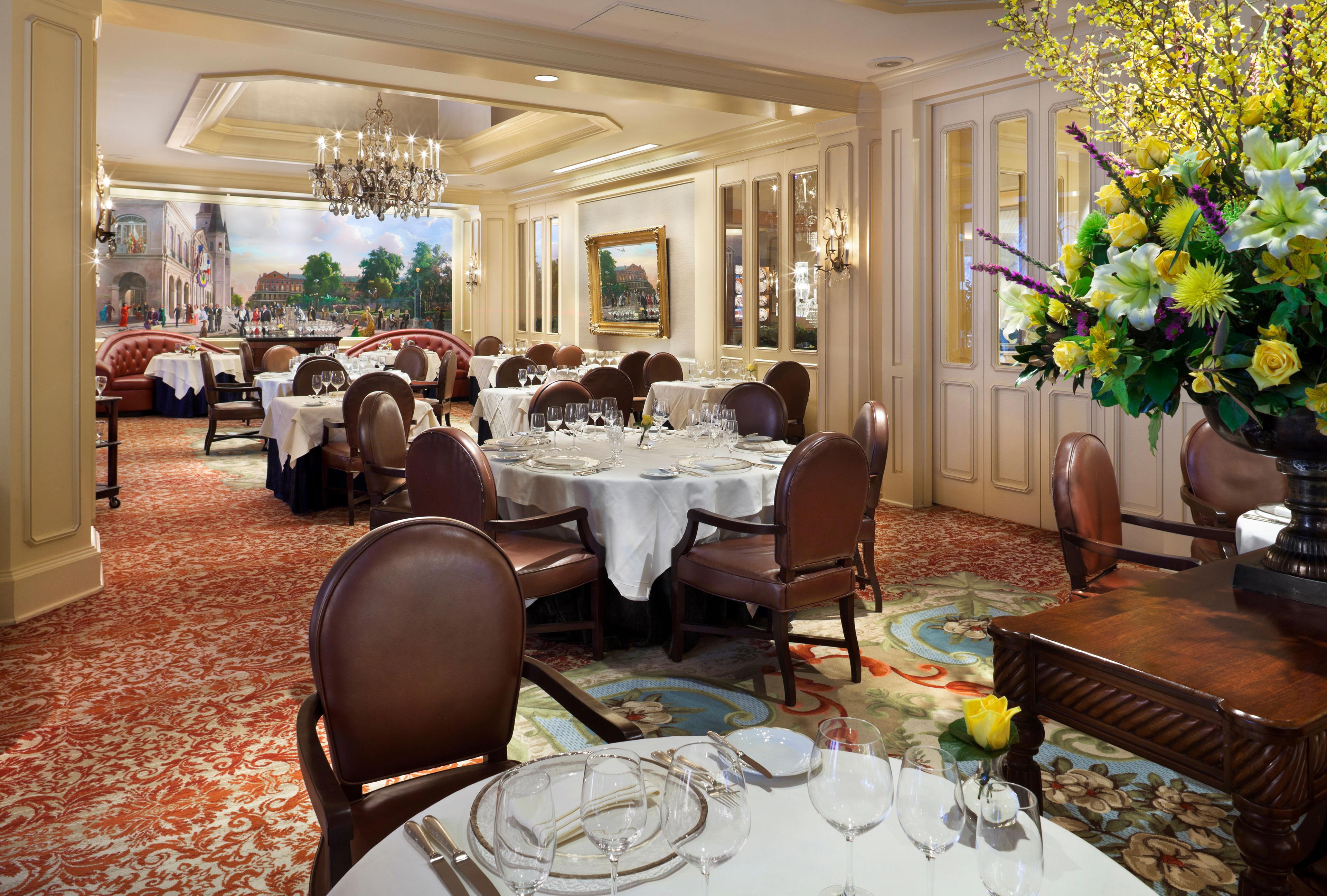
Bars in New Orleans
Browse all →
At a Glance
- Elegant
- Lively
- Sophisticated
- Date Night
- Special Occasion
- Group Dining
- Open Kitchen
- Private Dining
- Craft Cocktails
Current opening hours
- Monday
- 4–10 PM
- Tuesday
- 4–10 PM
- Wednesday
- 4–10 PM
- Thursday
- 4–10 PM
- Friday
- 12–3 PM, 4–11 PM
- Saturday
- 4–11 PM
- Sunday
- 4–9 PM
Hours can change for holidays and private events. Last verified .
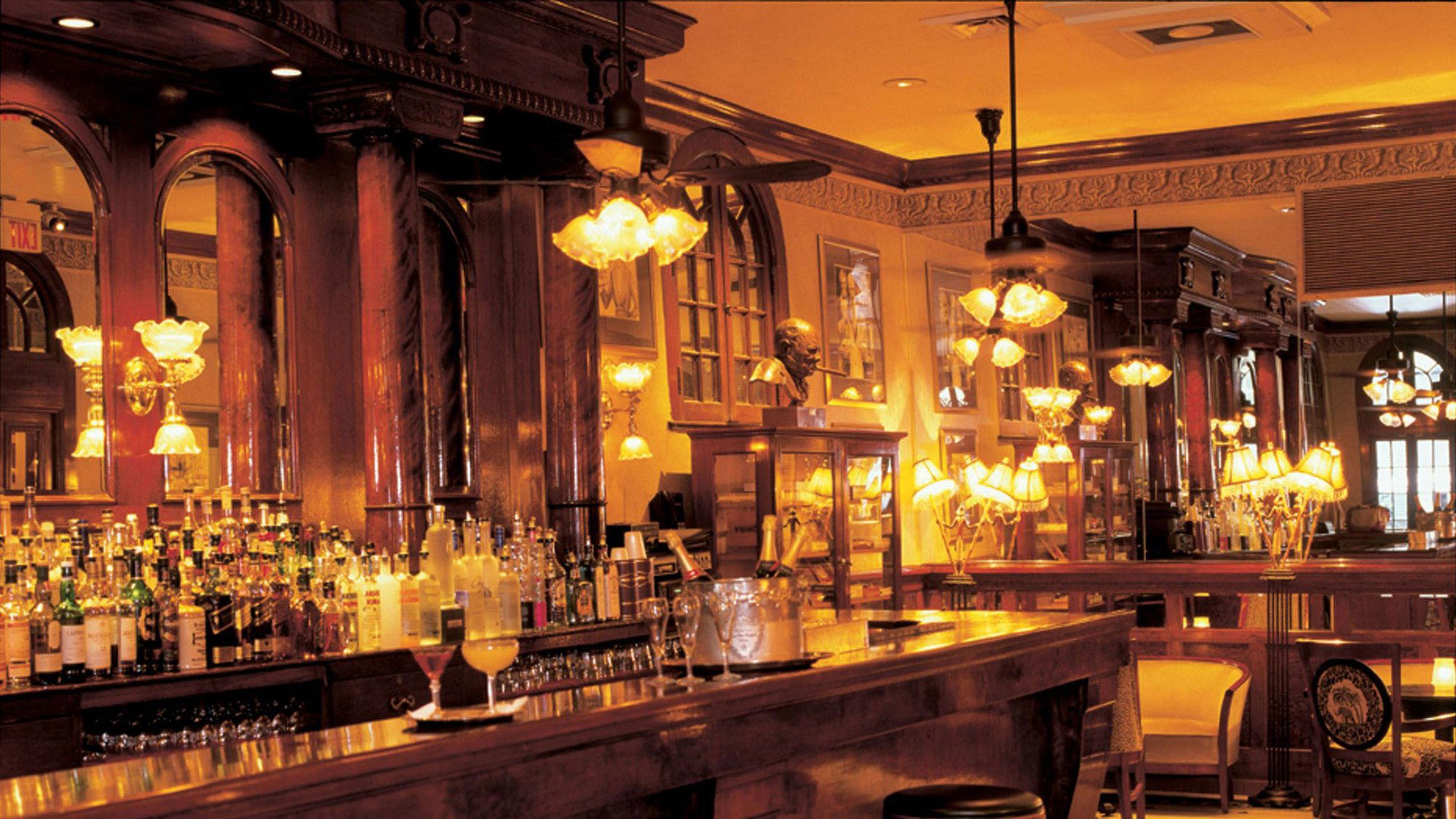
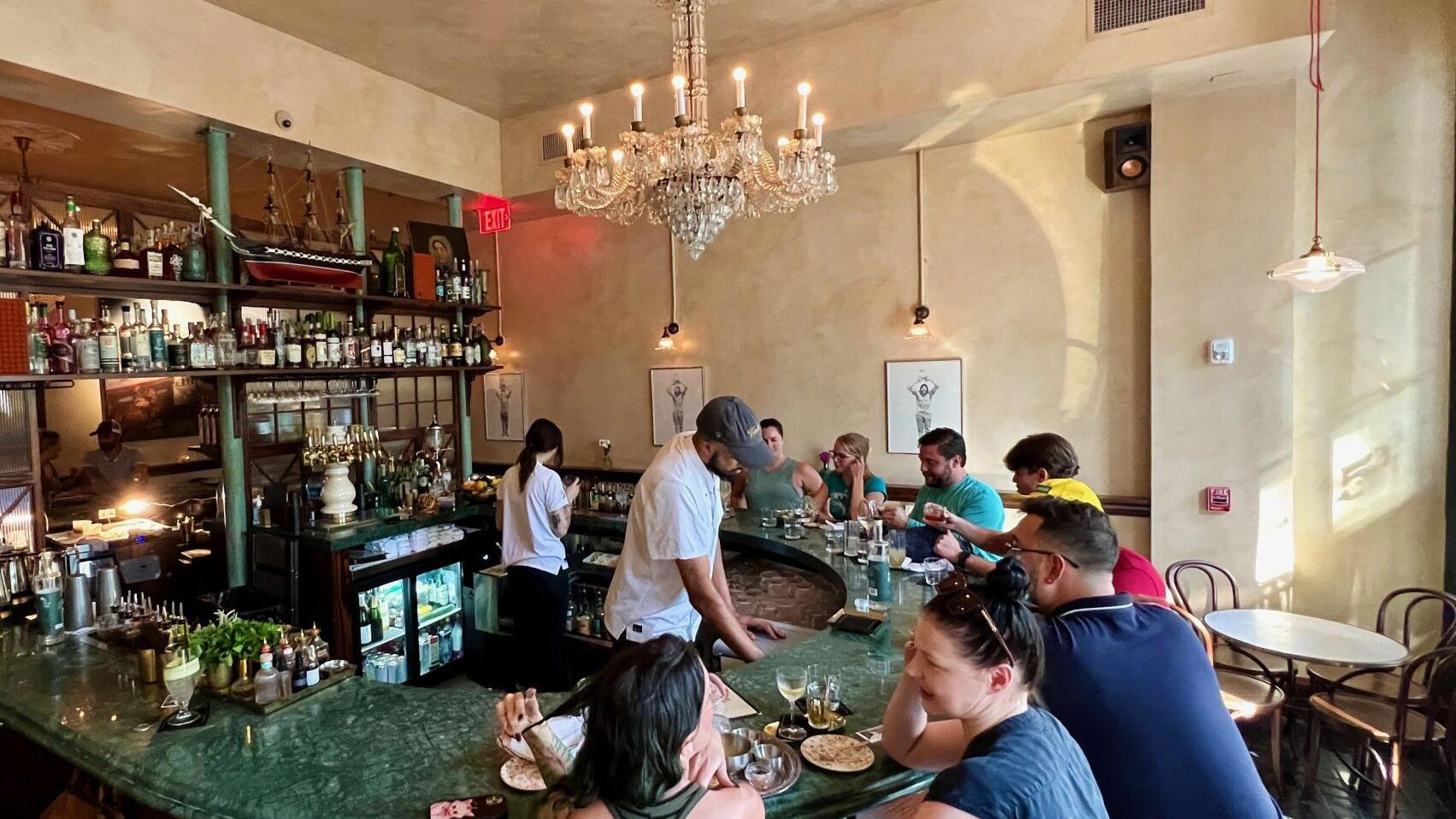
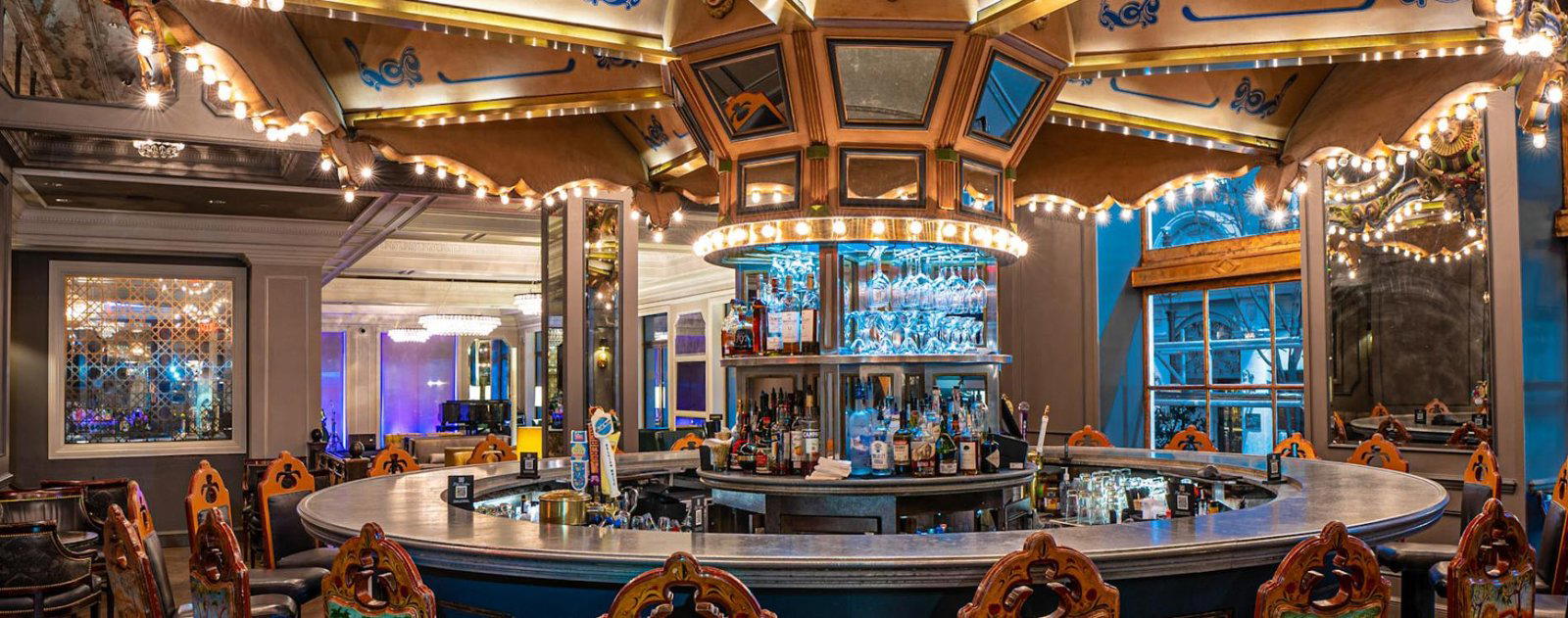
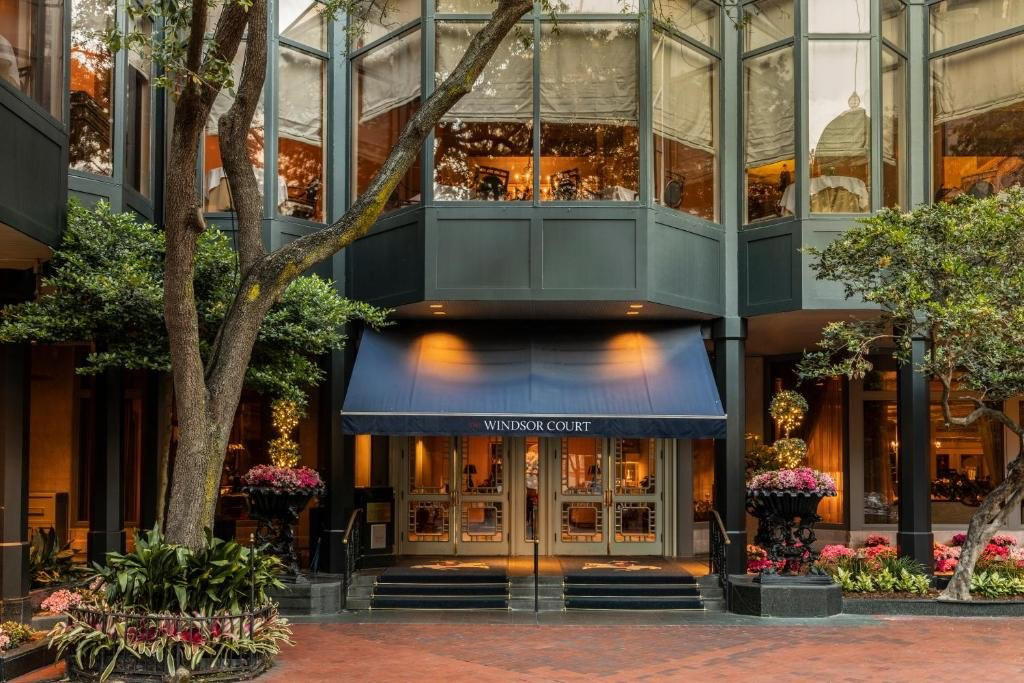
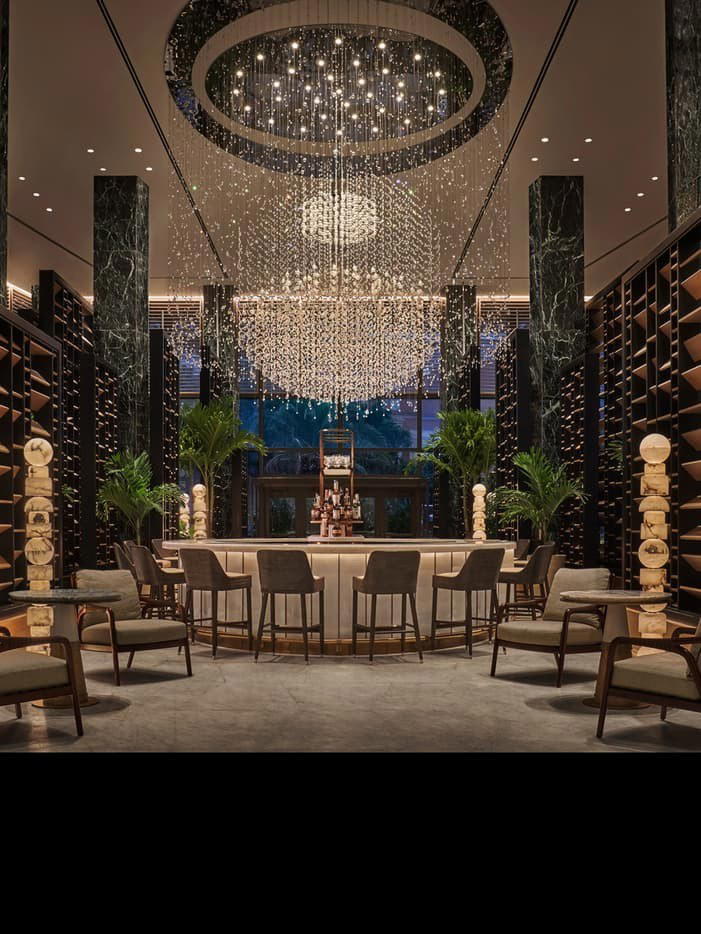
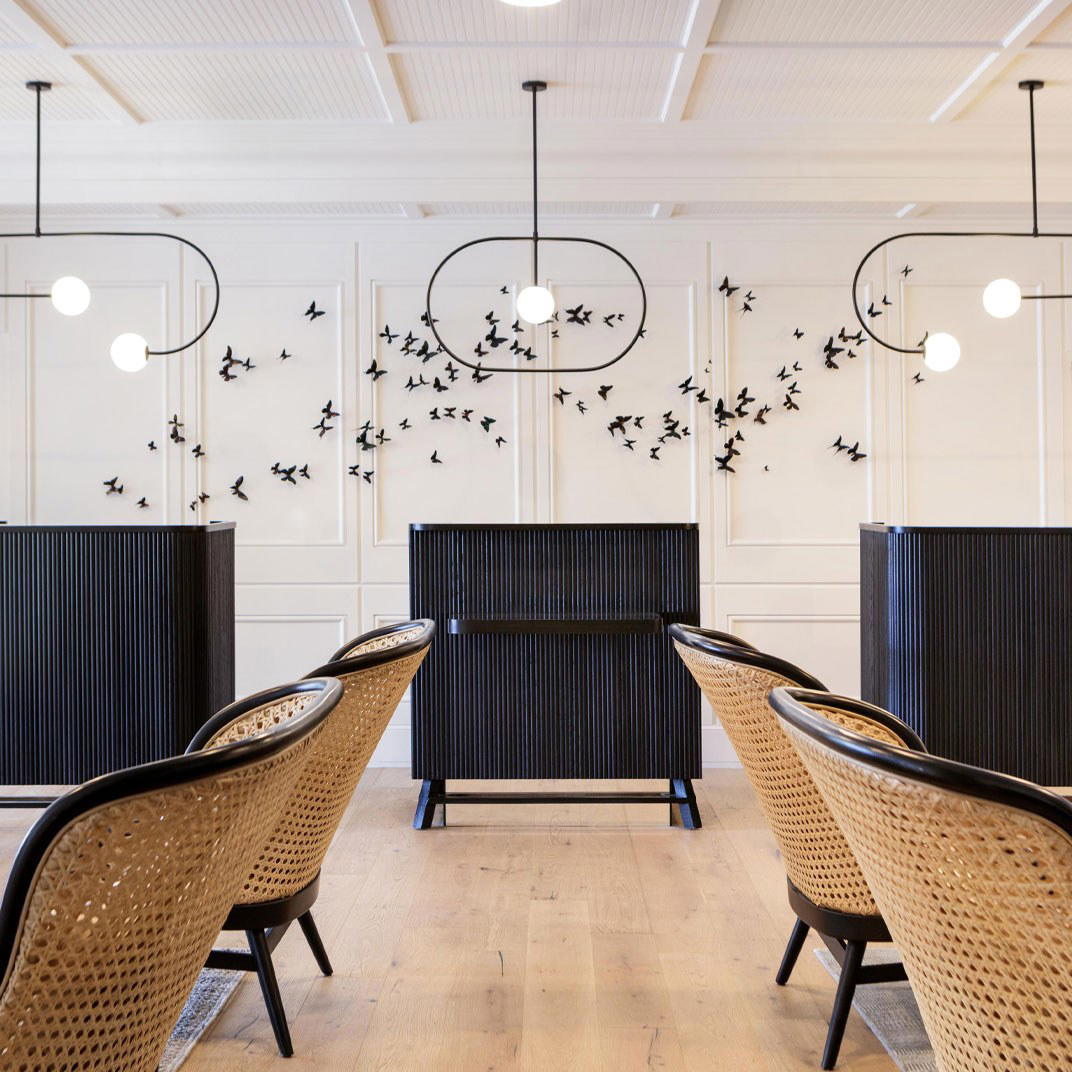
Elegantly designed space with lively music, lush greenery, and swanky cocktail bar.