King Of Shawarma
Our verdict
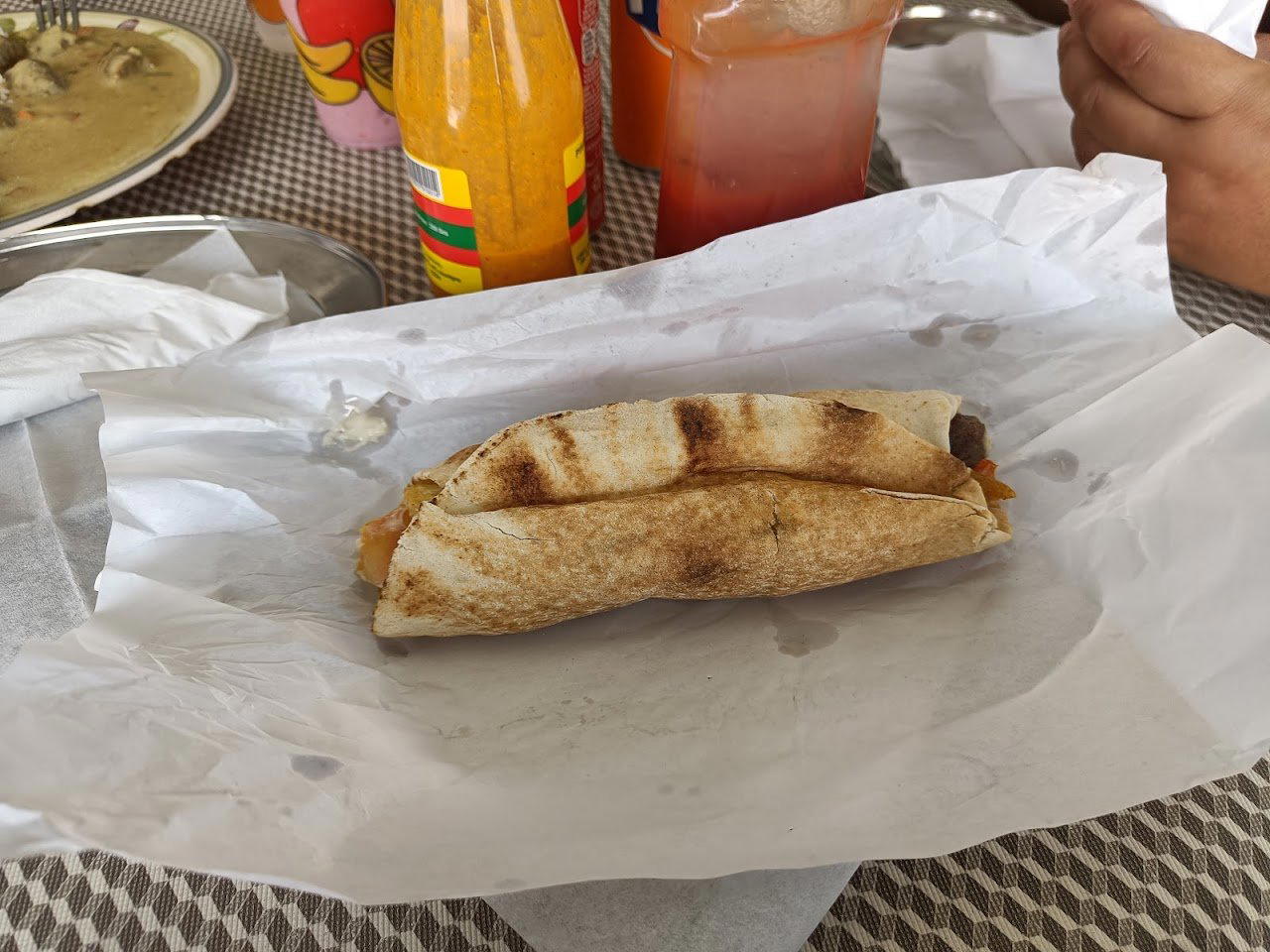
King Of Shawarma serves Middle Eastern shawarma in Banjul, with shawarma, macanek wrap, and shish kebabs for a casual quick bite at lunch.

Pearl is the En Primeur Club membership app — saves, bookings, and concierge access live there. Same editors, same standards.
The menu
What to order
- Shawarma
- Macanek wrap
- Shish kebabs
Shawarma in West Africa: What the Format Tells You About Banjul
Street-level shawarma has a way of arriving in unexpected cities and taking root in the local food culture with surprising permanence. In Banjul, The Gambia's compact capital spread across a peninsula where the river meets the Atlantic, the format has settled into everyday eating alongside grilled fish, benachin, and domoda. King Of Shawarma operates within that context: a shawarma counter in a city where the strongest culinary traditions run toward slow-cooked, spice-forward West African cooking, and where the interaction between those traditions and introduced formats has produced something that doesn't map neatly onto either origin.
The broader pattern across West African capitals is instructive. In cities like Dakar, Accra, and Abidjan, shawarma counters have moved from novelty to neighbourhood staple over the past two decades, often adapting the flatbread-wrapped format to local spicing preferences and sourcing whatever proteins are most accessible. Banjul follows a similar arc, though at a smaller scale: the city's population is modest, the economy is largely informal, and the food scene operates at a price point and rhythm quite different from the tasting-menu cities on EP Club's broader coverage list — venues like Alinea in Chicago, Arpège in Paris, or Le Bernardin in New York City. Placing King Of Shawarma against that backdrop is not a like-for-like comparison; it is a reminder that the range of serious eating globally includes formats and price points far outside the Michelin belt.
Ingredient Sourcing in a River-Delta City
What matters editorially about any shawarma counter is the supply chain behind the meat. In the Levant and Turkey, where the format originates, shawarma relies on tightly stacked vertical spits — typically lamb, chicken, or mixed beef, marinated overnight and slow-cooked against a vertical heat source for hours. The result depends heavily on the marinade and on the quality and freshness of the protein stack.
In Banjul, the sourcing equation is shaped by geography. The Gambia is a narrow country running along the Gambia River, with Atlantic coastline to the west and a largely agricultural interior. The livestock supply, primarily cattle and poultry, comes from local small-scale farming and cross-border trade with Senegal. Chicken is the most consistent protein available at scale, which is why most shawarma counters in the region default to poultry rather than lamb. The spice inputs, cumin, coriander, paprika, garlic, arrive through Banjul's trading networks, where West African markets blend North African and Levantine spice traditions with local Senegambian flavour preferences. The result, across the region, tends toward a warmer, sometimes more aggressively spiced marinade than the versions found in Beirut or Istanbul.
What the location implies is that the sourcing is local, the pricing reflects the Banjul consumer economy, and the format likely leans toward the chicken-dominant West African shawarma style rather than a strict Levantine reproduction. For travellers arriving from markets where ingredient provenance is heavily documented, say, the hyper-sourced menus at Atelier Crenn in San Francisco or the garden-to-table rigour at Azurmendi in Larrabetzu, the sourcing story here is less narrated and more ambient: the ingredients come from the country and its immediate neighbours, handled through channels that are functional rather than branded.
The Banjul Eating Context
Banjul's restaurant scene is small and concentrated, with the more active food strip running through the Senegambia area to the north rather than in the capital proper. Visitors to Banjul itself tend to encounter a mix of local chop houses serving Gambian staples, a handful of Lebanese and Indian-run restaurants reflecting historical trading community influences, and informal street-food operations. Shawarma counters sit within that last tier, operating at accessible price points and serving a local clientele alongside travellers moving through the city.
The name King Of Shawarma signals positioning within that informal tier: it is a claim of category leadership within a specific format, of the kind common to street-food operations in West African cities where naming conventions tend toward confidence. The Gambia's tourism industry, which has historically made the country one of West Africa's more visited destinations relative to its size, brings a consistent flow of European visitors, primarily from the UK, Germany, and Scandinavia, who have made the "Smiling Coast" a winter sun destination since the 1960s. That visitor profile creates demand for recognisable formats served at local prices, which is part of the structural reason shawarma operations have found a stable market in the country. For practical planning, Banjul is accessible via Banjul International Airport, roughly 22 kilometres from the city centre, with direct charter and scheduled flights from Europe. Our full Banjul restaurants guide covers the broader eating scene across the capital and the Senegambia strip.
Placing King Of Shawarma on the Spectrum
EP Club's coverage spans a wide range, from three-Michelin-star counters like 8½ Otto e Mezzo Bombana in Hong Kong and Alain Ducasse at Louis XV in Monte Carlo, to ambitious mid-tier operations like Emeril's in New Orleans and Lazy Bear in San Francisco. King Of Shawarma operates in a different register entirely: the format is fast, the transaction is informal, and the value proposition is immediate rather than experiential in the tasting-menu sense. That does not make it a lesser entry in the coverage set; it makes it a different kind of entry, relevant to travellers whose Banjul itinerary includes the city's street-level food culture rather than its handful of formal restaurant options. Venues like Aponiente in El Puerto de Santa María or Amber in Hong Kong represent the opposite end of the format and price spectrum; the comparison is useful precisely because it clarifies what King Of Shawarma is and is not.
Planning a Visit
In the context of Banjul's informal food sector, operations of this type typically do not require reservations, accept walk-in traffic, and operate on cash. Daytime and early evening hours are most reliable for street-facing shawarma counters in West African cities. Visitors travelling with children will find the format, counter service, accessible pricing, familiar wrapped sandwich presentation, generally comfortable for families. The absence of a formal booking system and the likely modest pricing relative to Banjul's tourism-facing restaurants make it an accessible option across age groups.
Frequently Asked Questions
Would King Of Shawarma be comfortable with kids?
Based on the format, informal counter service in a city with a moderate tourism economy, the setting is likely comfortable for children. Shawarma as a format is widely familiar, the transaction is fast, and street-level operations in Banjul are generally priced well within family budgets. That said, specific facilities for children (high chairs, dedicated space) are not documented, which is typical for informal counters in this category across West African cities.
How would you describe the vibe at King Of Shawarma?
Banjul's food scene operates on an informal register quite distinct from the award-decorated rooms tracked elsewhere in EP Club's coverage. King Of Shawarma, as a named counter in a compact capital city without a Michelin presence or published critical record, falls within the city's street-level, transactional food culture: quick service, accessible prices, and a local clientele. It is the opposite of occasion dining.
What is the signature dish at King Of Shawarma?
Across the West African shawarma counter category, chicken shawarma is the most common lead item, typically served in flatbread with garlic sauce, pickles, and vegetables. The cuisine type points toward a shawarma-specialist format rather than a broad-menu operation.
Is King Of Shawarma a good option if I only have a short time in Banjul?
For travellers with limited time in Banjul who want a fast, local eating option rather than a sit-down restaurant, a shawarma counter fits that use case efficiently. King Of Shawarma's name positions it as a category-specific operation rather than a general eatery, which suggests the format is focused and the service is quick. Banjul's compact geography means most points of interest are within short travel distances, making a counter stop a practical option between other activities. Cross-reference with our Banjul restaurants guide for context on the wider eating options available in the city and the Senegambia area.
Frequently asked questions
Would King Of Shawarma be comfortable with kids?
Shawarma counters in Banjul operate as informal, fast-service spots, and that format is generally relaxed enough for families with children. There are no known dress codes or booking requirements associated with King Of Shawarma, which aligns with the accessible, walk-in nature of street-level dining in the Gambian capital.
How would you describe the vibe at King Of Shawarma?
The name signals intent rather than ambiguity: this is a counter-format operation in Banjul, oriented around speed and the shawarma format rather than extended dining. Banjul's food scene is compact and informal, and venues in this category typically draw a mix of locals and visitors looking for a quick, filling meal rather than a sit-down occasion. Expect a utilitarian atmosphere consistent with street-level shawarma culture elsewhere in the region.
Is King Of Shawarma one of the few dedicated shawarma spots in Banjul?
Banjul's restaurant scene is small and concentrated, with the more active dining strip running through Senegambia to the north rather than in the capital proper. A venue carrying the shawarma format as its entire identity — rather than as one item on a broader menu — is relatively uncommon at this scale in the Gambian capital. That positioning, combined with the directness of the name, suggests King Of Shawarma operates as a specialist counter rather than a general restaurant.
What's the signature dish at King Of Shawarma?
The name positions shawarma as the primary format, which in the West African context typically means spiced, spit-roasted meat served in flatbread or with rice. The shawarma format itself — originating in the Levant and adapted across different supply chains and local tastes — is the editorial anchor here.
Continue exploring
More in Banjul
Restaurants in Banjul
All restaurants in Banjul →
Bars in Banjul
Browse all →
Details
- Cozy
- Casual Hangout
- A La Carte
- Fruit Juices
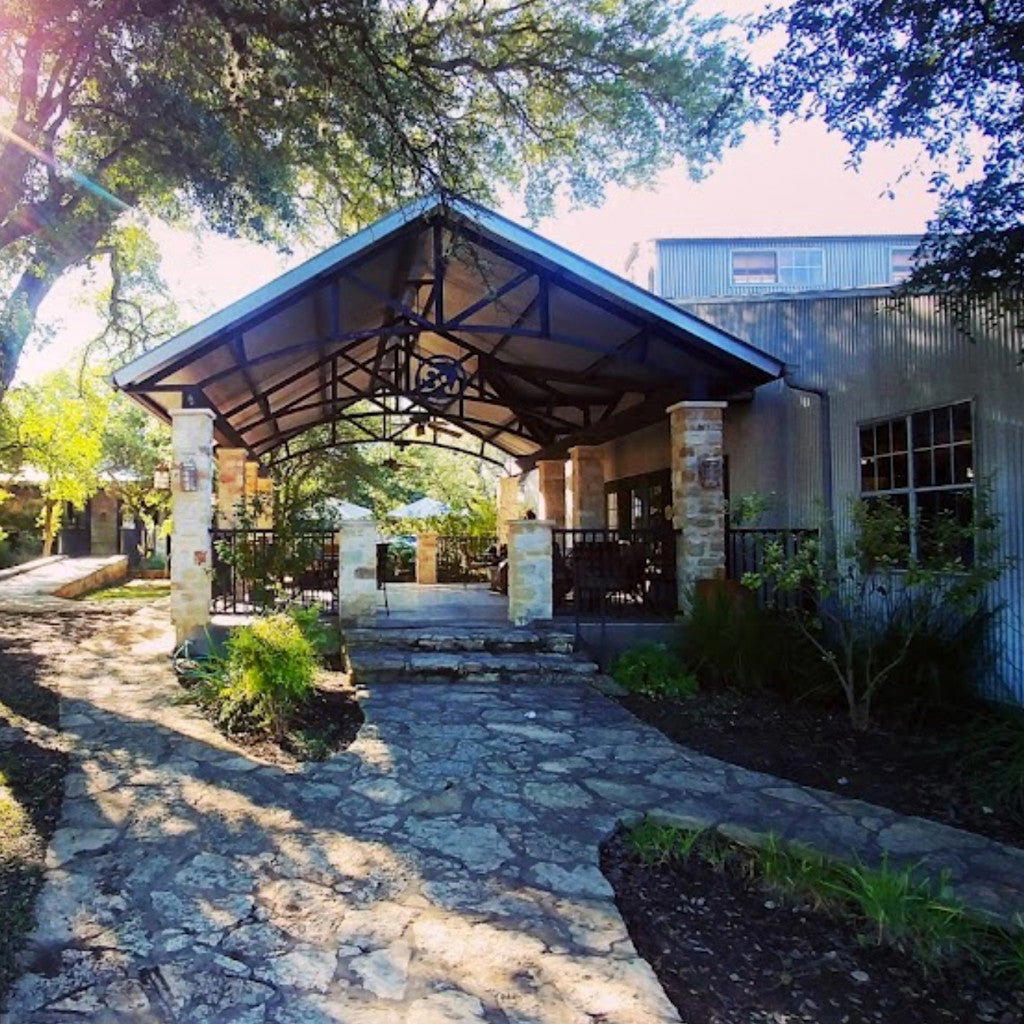
Warm and friendly diner with a bustling lunch atmosphere.