
Tabelog 100 #4
Our verdict
Kikusui Zushi Nishi ten places Akashi’s seafood culture in a small sushi format, with counter seating, table seats, and a reputation tied to fish from the Akashi Strait. Its Tabelog Sushi WEST 100 selections in 2021, 2022, and 2025 put it in a serious regional tier rather than a casual local-sushi category.

Pearl is the En Primeur Club membership app, where members save venues, book tables and use the concierge.
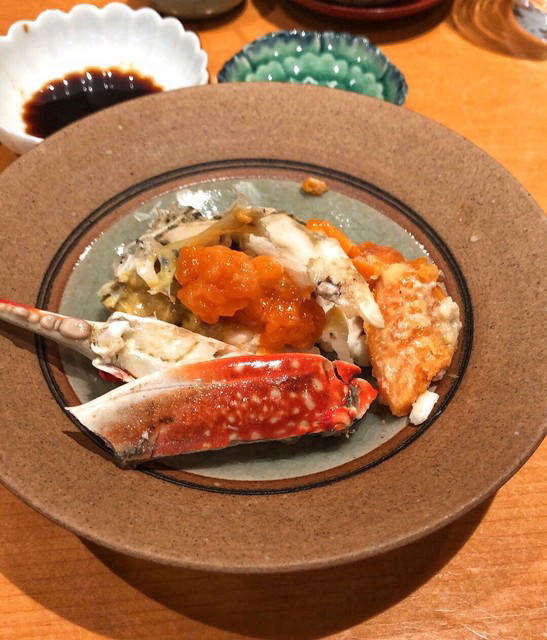
The menu
What to order
- Anago nigiri with rock seaweed, salt and sansho
- Aged Akashi tai (sea bream) nigiri
- Assorted nigiri omakase
- Assorted sashimi
In Akashi, Kikusui Zushi Nishi ten gives the local sushi conversation a clear premium address. The restaurant is not best understood through imported theatre or biographical myth; the specific facts that matter are its Akashi setting, its listed focus on sushi, seafood, and Japanese cuisine, and its recognition in the 2025 Tabelog Hyakumeiten selection. It is a sushi room where fish, rice, and the pace of a local meal carry more weight than spectacle.
Akashi gives the restaurant its frame. Sushi here reads differently from a capital-city luxury template because the venue’s public identity is rooted in a regional city rather than an international omakase circuit. For diners, that makes the meal less about chasing a famous name and more about understanding how a focused sushi address can sit inside a smaller Japanese dining scene.
Akashi fish culture, translated through sushi rather than ceremony
The restaurant’s Tabelog Hyakumeiten recognition in 2025 matters because it separates it from ordinary neighbourhood sushi while keeping it inside a western Japan frame. That is an important distinction. Akashi is not Tokyo, and the better comparison is not a trophy counter in Ginza but the regional Japanese tradition in which seafood restaurants, sushi counters, and Japanese dining rooms overlap.
The listed categories, sushi, seafood, and Japanese cuisine, capture that overlap. The food emphasis is fish-led, which places the meal inside a familiar regional pattern: seafood first, rice as structure, and the restaurant’s local setting as part of the experience. In a city where standing bars such as Tachinomi Dokoro Donbee and Tachinomi Dokoro Tanakaya keep the drinking culture informal, a sushi counter at this level offers a more composed version of the same local appetite.
The room should be read through focus rather than spectacle. That matters in sushi because format controls tempo. A serious sushi setting privileges the sequence of pieces and the relationship between preparation and service, while the broader category remains approachable for diners who want the cuisine without turning the meal into theatre. This is not a venue to understand through corporate scale or grand display. It belongs to the public grammar of a sushi shop, even at a higher spend.
Where it sits in Akashi's dining hierarchy
Akashi’s restaurant map is broader than seafood, but the price spread tells a clear story. Kikusui Zushi Nishi ten is listed at Dinner: JPY 15,000 - JPY 19,999 and Lunch: JPY 10,000 - JPY 14,999, placing it above a purely casual stop. Pizzeria Beatrice and Mugikiri Tokuoka are useful reference points precisely because they show how varied the city’s casual and mid-range dining can be. CiRO sits closer to a planned dinner bracket, but sushi with recognized regional standing occupies another category: tighter product focus and a higher reliance on fish quality.
Kikusui Zushi Nishi ten is therefore not simply “expensive for Akashi.” It represents a specific premium local logic. The city setting gives a sushi counter here cultural grounding without requiring a luxury format imported from elsewhere. For travellers, that makes the restaurant useful when the goal is not to collect famous names, but to understand how a smaller Japanese city expresses culinary status through a focused restaurant category.
The restaurant’s recognition adds editorial weight without needing to turn the meal into a biography or a lineage story. In Japanese regional dining, reputation often functions less as nostalgia than as quality control: a name remains legible when locals and outside diners can understand what it is trying to do. The 2025 Tabelog Hyakumeiten listing gives that local signal a broader marker, especially for diners using Akashi as more than a stop on a wider Japan itinerary.
How to read the room before committing
This is a better fit for diners who want seafood and sushi as the centre of the meal, not a broad Japanese menu with sushi as one option. Vegetarians should confirm suitable arrangements in advance; the public identity is fish-focused, and the listed cuisine categories do not suggest a plant-based program. Solo diners and small groups can approach it as a focused sushi address without changing the restaurant’s essential character.
For broader Akashi planning, the restaurant makes sense as the serious sushi anchor in a city itinerary that can otherwise stay relaxed. Use Our full Akashi restaurants guide to place it alongside casual meals, and pair the dining plan with Our full Akashi hotels guide, Our full Akashi bars guide, Our full Akashi wineries guide, and Our full Akashi experiences guide for the wider trip architecture.
Travellers building a Japan food itinerary around regional specificity rather than capital-city repetition can also compare the Akashi argument with other focused addresses across the country, from unnamed regional specialists in other Japanese cities to other dining rooms abroad that interpret Japanese food culture in different settings. Those comparisons only sharpen the case for eating sushi in a city with its own seafood vocabulary.
Frequently asked questions
Is Kikusui Zushi Nishi ten expensive?
Pricing at Kikusui Zushi Nishi ten is listed as Dinner: JPY 15,000 - JPY 19,999; Lunch: JPY 10,000 - JPY 14,999.
Where do I go for Kikusui Zushi Nishi ten?
Akashi.
What are Kikusui Zushi Nishi ten's hours?
Current hours should be confirmed directly with Kikusui Zushi Nishi ten before visiting.
What has Kikusui Zushi Nishi ten built its reputation on?
Its strongest credential is Tabelog Hyakumeiten recognition in 2025. The Akashi setting and focus on sushi, seafood, and Japanese cuisine put it in the serious sushi tier rather than a broad, general-purpose dining room.
Is Kikusui Zushi Nishi ten good for vegetarians?
Vegetarian diners should confirm in advance. The venue is defined by sushi, seafood, and Japanese cuisine, so its seafood-first style sets the menu direction.
Cost Snapshot
Comparable venues by cuisine and price in the same metro.
| Venue | Cuisine | Price | Awards | Notes |
|---|---|---|---|---|
| Kikusui Zushi Nishi tenThis venue (the venue you are viewing) | Seasonal Akashi sushi omakase | $100–150 | Tabelog 100 #4 | Not listed |
| Tachinomi Dokoro Donbee | Japanese Standing Bar (Izakaya) | Not listed | Tabelog 100 #22 | Akashi, Japanese Standing Bar (Izakaya) |
| Tachinomi Dokoro Tanakaya | Standing sake bar & Japanese small plates | $30–50 | Tabelog 100 #98 | Uonotana (fish market area), Standing sake bar & Japanese small plates |
| CiRO | Traditional Southern Italian trattoria & pizzeria | $30–50 | Tabelog 100 #95 | Hommachi, Traditional Southern Italian trattoria & pizzeria |
| Mugikiri Tokuoka | Dining | Not listed | Tabelog 100 #18 | Not listed |
| Pizzeria Beatrice | Authentic Neapolitan Pizzeria | $20–30 | Tabelog 100 #67 | Asagiri, Authentic Neapolitan Pizzeria |
Recognition history
Dated appearances from independent guides and award organizations, with the underlying list record or original source where available.
Tabelog 100 #4 · No. 4
Tabelog · Tabelog 100 - Sushi - WEST - 2025
Continue exploring
More in Akashi
Restaurants in Akashi
All restaurants in Akashi →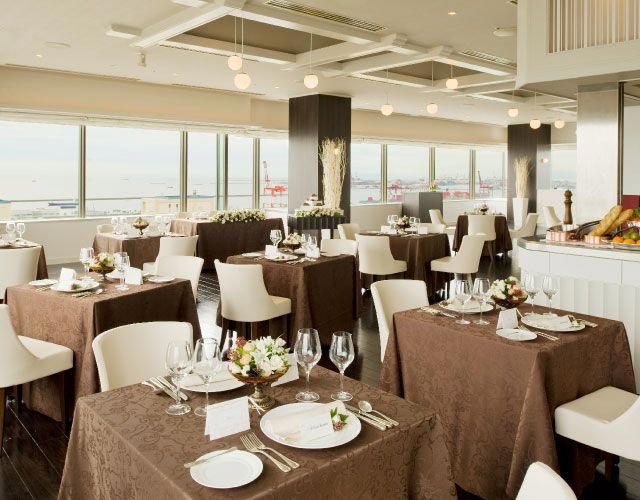
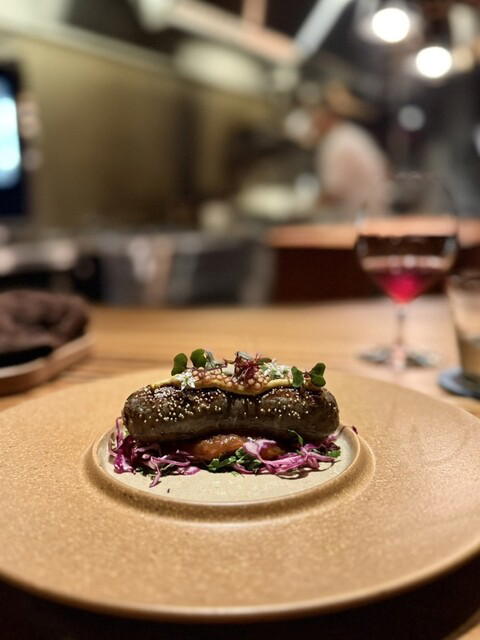
Hotels in Akashi
Browse all →
Wineries in Akashi
All wineries in Akashi →
Details
- Classic
- Cozy
- Intimate
- Elegant
- Solo
- Date Night
- Business Dinner
- Special Occasion
- Chefs Counter
- Standalone
- Sake Program
- Local Sourcing
- Sustainable Seafood
- Omakase
- Counter Dining
- Set Menu
- Sake
- Shochu
- Pescatarian Friendly
Current opening hours
- Monday
- 12–2 PM, 5–8:30 PM
- Tuesday
- 12–2 PM, 5–8:30 PM
- Wednesday
- 12–2 PM, 5–8:30 PM
- Thursday
- Closed
- Friday
- 12–2 PM, 5–8:30 PM
- Saturday
- 12–2 PM, 5–8:30 PM
- Sunday
- 12–2 PM, 5–8:30 PM
Hours can change for holidays and private events. Hours as of .
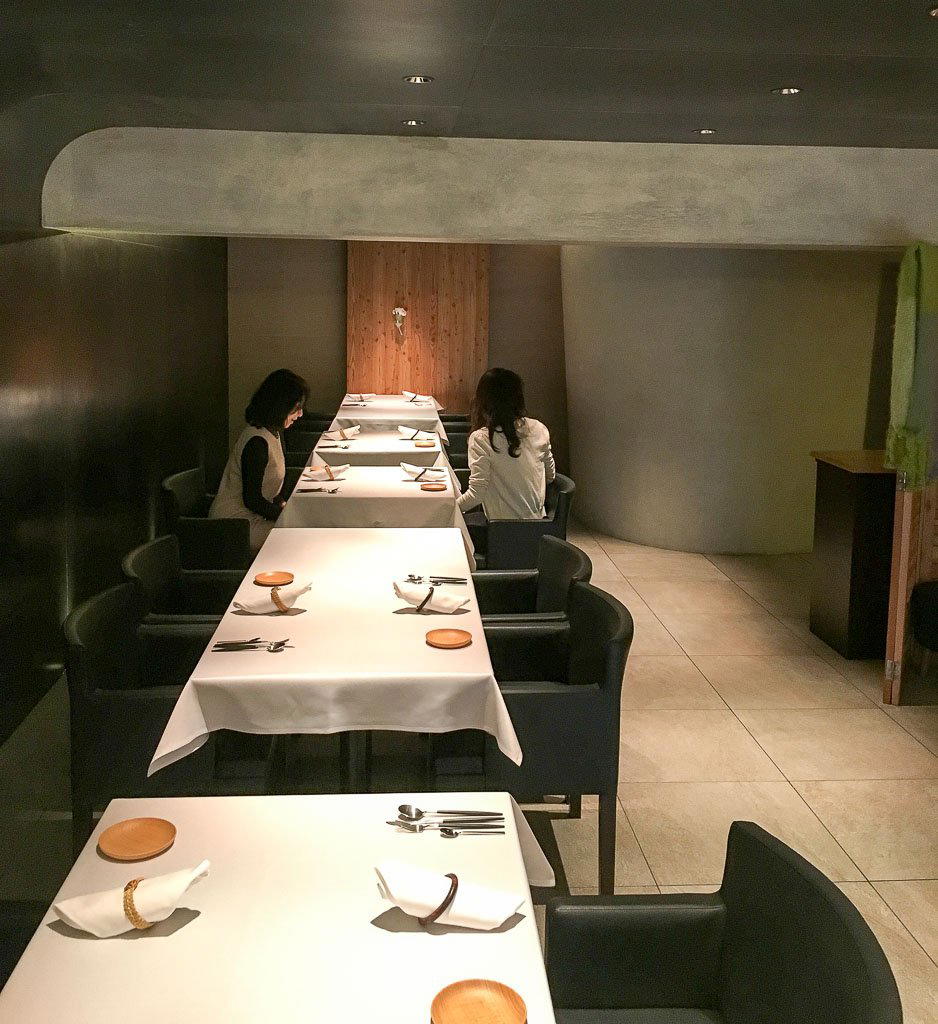
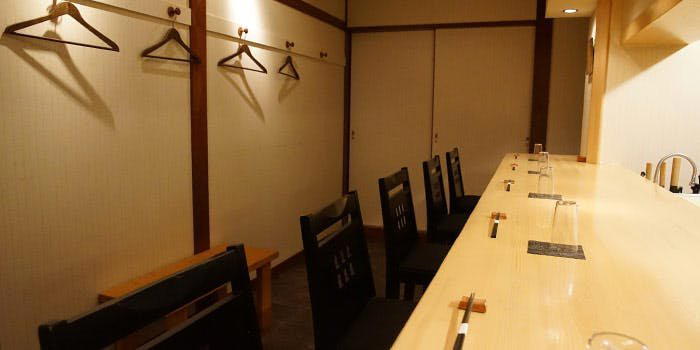
An intimate, non-smoking house-style hideaway with only 17 seats, centered on a classic wooden counter and relaxed, spacious seating where guests quietly savor seasonal sushi omakase in a calm, refined atmosphere.