Kigo Kitchen
Kigo Kitchen occupies a Westlake Avenue address that positions it squarely in Seattle's South Lake Union corridor, where the lunch and dinner divide shapes how the neighborhood eats. The kitchen draws from a Pacific Northwest framework common to the city's more ingredient-focused dining tier, offering a reference point for visitors and locals tracing Seattle's evolving casual-to-serious dining spectrum.
- Address
- 210 Westlake Ave N, Seattle, WA 98109
- Phone
- +1 206 805 8845
- Website
- kigokitchen.com
- Directions
- Get directions
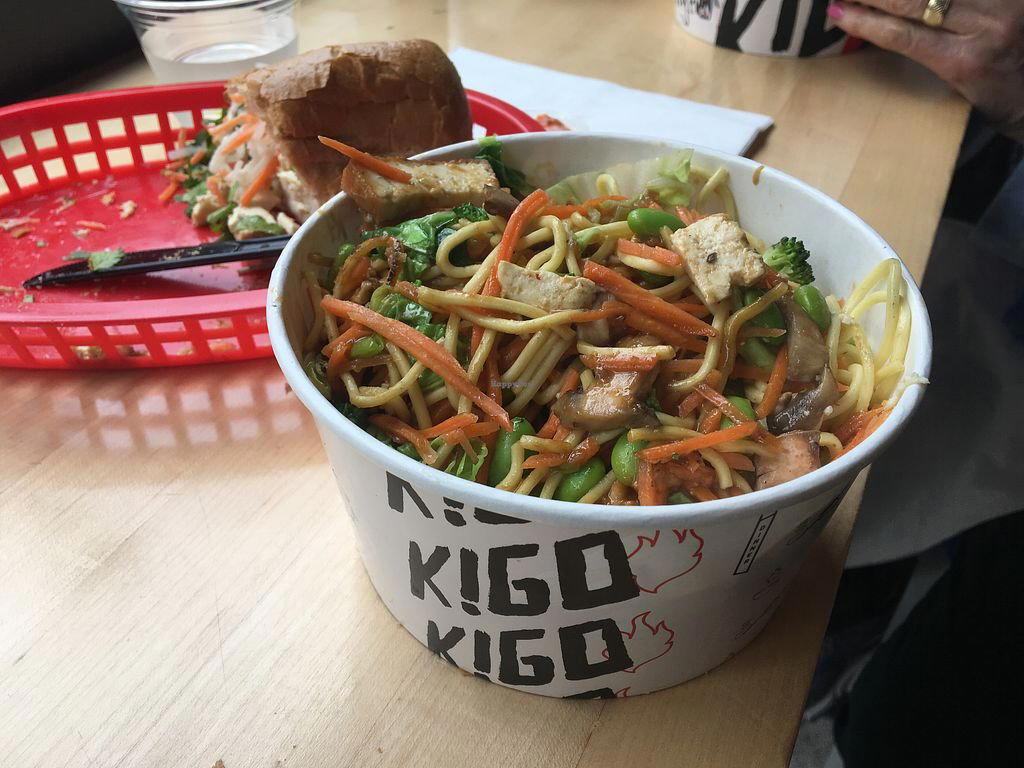
South Lake Union's Dining Rhythm and Where Kigo Kitchen Sits
Seattle's South Lake Union neighborhood has undergone one of the more dramatic culinary transformations in the Pacific Northwest over the past decade. What was once a low-density light industrial zone is now a dense tech-company corridor with lunch demands that rival downtown and evening ambitions that push further than most tech campuses ever do. The restaurants that have settled along Westlake Avenue and its surrounding blocks serve two distinct crowds: the midday wave of office workers with 45 minutes and a preference for speed, and the evening contingent that lingers longer, drinks more deliberately, and expects a different level of attention. Kigo Kitchen, at 210 Westlake Ave N, Seattle, is an Asian-Inspired Fast Casual restaurant priced around $15 per person and sits directly inside that daily rhythm.
This lunch-versus-dinner split is not a Seattle-specific quirk. Across American cities with dense daytime professional populations, from the Financial District in New York to the Fulton Market corridor in Chicago, the same restaurants operate almost as two different businesses depending on the hour. What distinguishes the better ones is a willingness to let both services have distinct identities rather than running the same food faster at noon. Seattle's dining scene, which includes reference-point venues like Canlis (New American) at the higher end and neighborhood operators throughout Capitol Hill and Fremont, has generally absorbed that lesson. The question for any Westlake address is whether it answers both halves of the day with equal coherence.
The Westlake Corridor: Context Before the Counter
South Lake Union's dining character is still shaking out. It has the density to support serious cooking, and the tech-adjacent demographic skews toward spending, but it lacks the neighborhood identity of Capitol Hill or the culinary history of Pike Place. That position creates both opportunity and risk for operators. There is no strong incumbent tradition to push against, which means kitchens here can define their own category, but it also means there is less inherited foot traffic and fewer loyal regulars built over decades.
The more interesting kitchens in this part of Seattle have responded by anchoring themselves in recognizable culinary frameworks, Pacific Northwest sourcing, Asian-influenced preparations, or direct American comfort executed with precision, rather than chasing novelty. Joule (New Asian) in Wallingford represents one version of that thinking: a defined cuisine approach that holds across service periods. Kigo Kitchen operates in this same broader context, where a Westlake address demands legibility for a transient lunch crowd and enough depth to hold an evening table.
Daytime Service in Seattle's Tech Corridor
The lunch format in South Lake Union is shaped almost entirely by the office park logic of the neighborhood. Midday diners here are not on vacation and are not celebrating; they are eating between meetings. The restaurants that work leading at noon in this corridor offer clear formats, fast pacing, and a menu that reads quickly without collapsing into fast-food simplicity. It is a demanding brief, and most venues across American cities fail one side or the other: either they go so fast they lose all quality signal, or they try to maintain dinner-service complexity and frustrate the room.
Seattle's Pacific Northwest framework, seasonal produce, regional seafood, clean preparations, translates reasonably well to daytime service because it avoids the heavy sauce work and long braise times that make dinner kitchens difficult to adapt. The same sourcing intelligence that positions a kitchen credibly at dinner can, if structured correctly, move efficiently at lunch without sacrificing its identity. This is the operating logic of the better South Lake Union addresses, and it informs how any serious kitchen in this zip code must approach its daytime offering.
Evening Service and the Expectation Gap
Dinner in South Lake Union is a harder argument to make than lunch. The neighborhood does not yet generate the evening foot traffic that Capitol Hill or Belltown sustains, and diners choosing a dinner destination in Seattle have compelling alternatives across the city. Venues like 1415 1st Ave and 1744 NW Market St anchor different neighborhoods with different character, and the choice to eat in South Lake Union at night is rarely made by accident.
For a kitchen on Westlake to hold a dinner table, it needs a proposition that survives the comparison. That means either a price and format that makes it the neighborhood's most obvious option, or a quality signal that makes it worth the detour. The strongest evening performers in comparable American tech corridors, think certain Fulton Market restaurants in Chicago, or South of Market venues in San Francisco, have generally solved this by building a dinner identity around a specific cuisine angle or a clearly communicated tasting format. Casual visitors tend to drift toward the familiar; repeat diners and serious eaters follow a point of view.
For wider geographic comparisons across the American fine dining spectrum, venues like Lazy Bear in San Francisco, Smyth in Chicago, and Providence in Los Angeles each represent how a kitchen can sustain a distinct evening identity even in dense competitive markets, a useful benchmark set for thinking about what serious dinner service requires.
Planning a Visit to 210 Westlake Ave N
Kigo Kitchen's address at 210 Westlake Ave N places it within walking distance of the South Lake Union streetcar line, making it accessible from downtown Seattle without requiring a car. The Westlake Ave corridor has parking, though midday availability tightens considerably on weekdays when the office population peaks.
Visitors tracing the Pacific Northwest dining circuit may also find relevant context in venues like 2963 4th Ave S, which represents another node in Seattle's evolving south-of-downtown dining geography. For those extending trips to the broader American West Coast fine dining tier, Single Thread Farm in Healdsburg, Addison in San Diego, and Blue Hill at Stone Barns in Tarrytown each represent the highest-investment end of the ingredient-driven dining model that Pacific Northwest kitchens draw from conceptually. The international comparison set, including Atelier Moessmer Norbert Niederkofler in Brunico and Atomix in New York City, illustrates how far that regional-sourcing philosophy can be pushed at the tasting-menu level.
Budget and Context
Comparable venues nearby, for context on price, style, and recognition.
| Venue | Cuisine | Price | Notes |
|---|---|---|---|
| Kigo KitchenThis venue — the venue you are viewing | Not listed | $$ | Not listed |
| Taylor Shellfish Oyster Bar | Not listed | $$ | Pioneer Square, Pacific Northwest Raw Shellfish & Oyster Bar |
| Kedai Makan Capitol Hill | Not listed | $$ | Pike/Pine, Malaysian Street Food |
| Paseo Fremont | Fremont, Caribbean Sandwiches | $$ | Not listed |
| Curry Lab Sapporo | Not listed | $$ | Ravenna, Sapporo-Style Japanese Soup Curry |
| A.K. Pizza | Othello, New York-Style Pizza | $$ | Not listed |
Continue exploring
More in Seattle
Restaurants in Seattle
Browse all →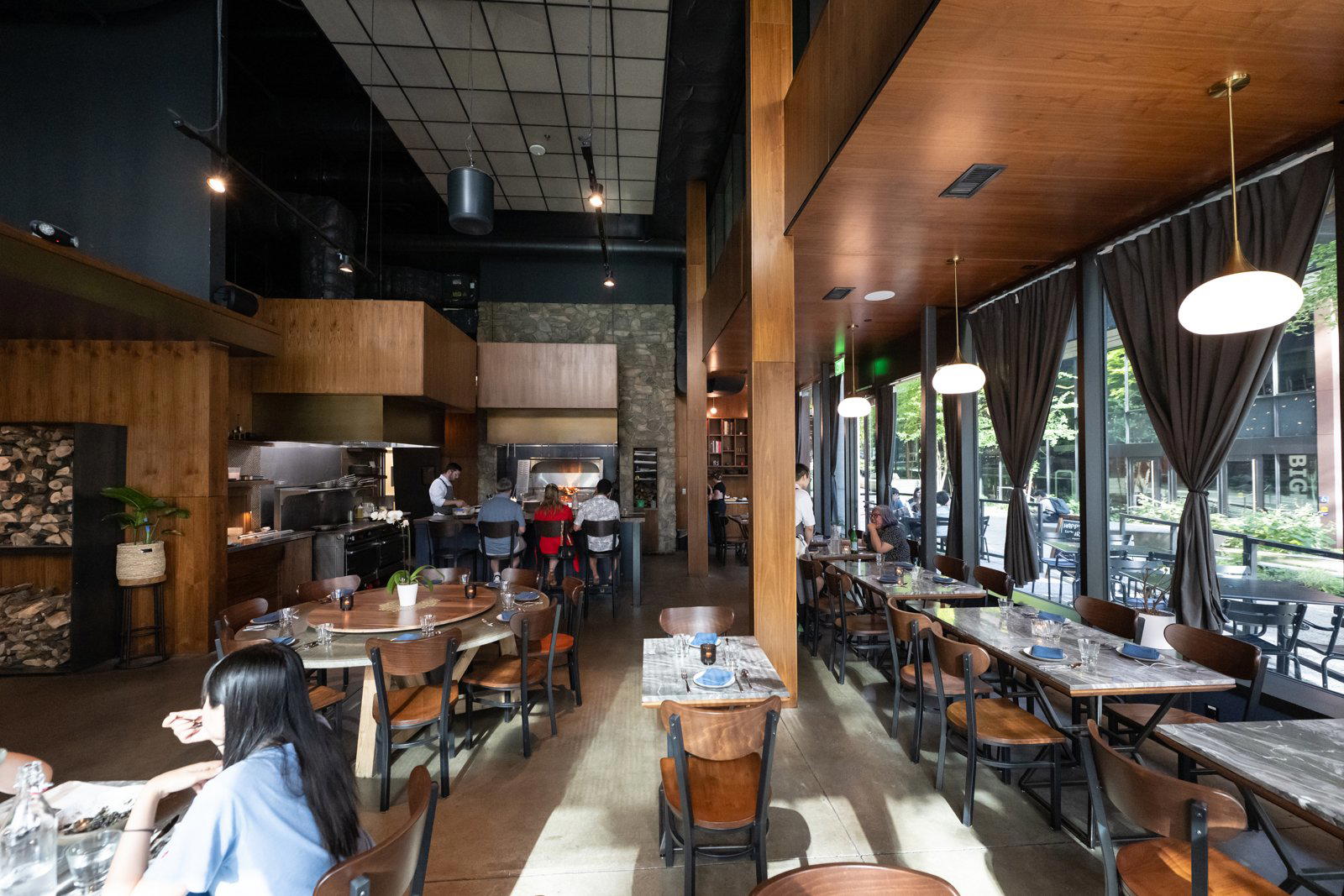
Bars in Seattle
Browse all →
Hotels in Seattle
Browse all →
At a Glance
- Modern
- Trendy
- Casual Hangout
- Open Kitchen
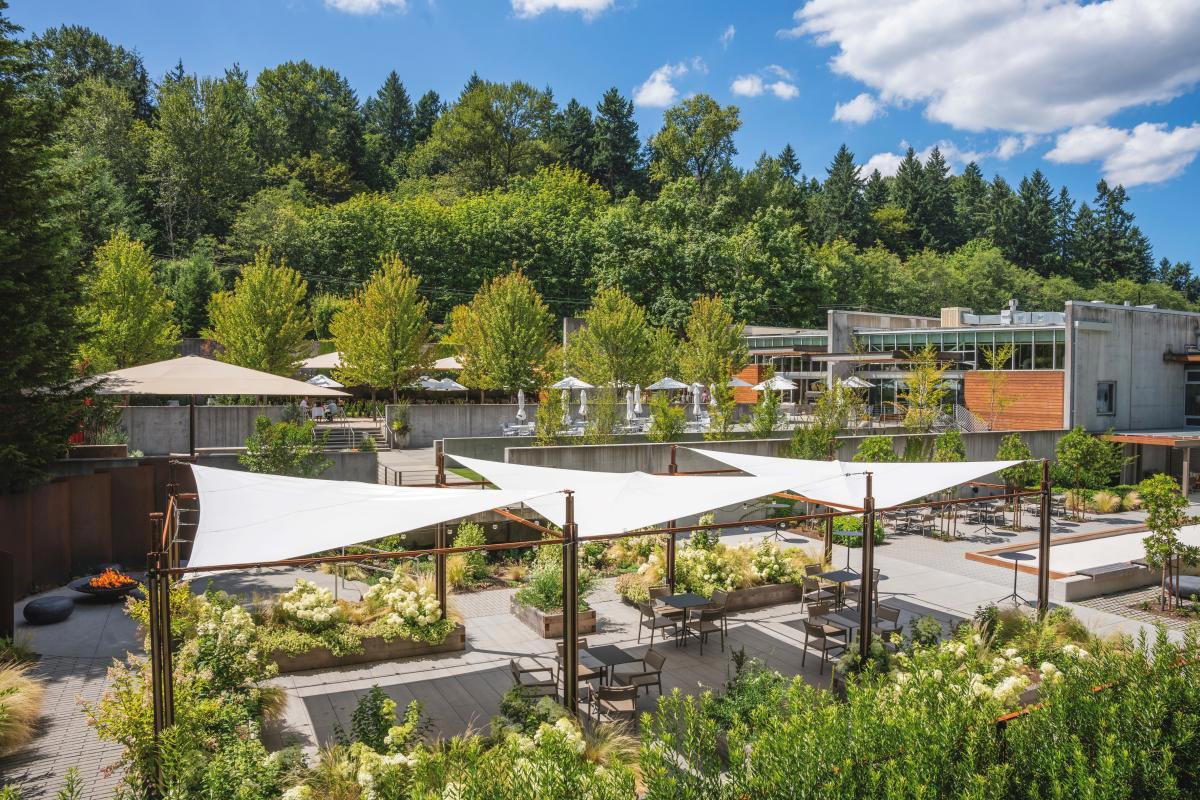
Cafeteria-style atmosphere on the Amazon campus with counter service and open kitchen.