
Michelin Plate
Our verdict
Most restaurants in the Sultanahmet district compete on location and laminated menus rather than kitchen discipline. Khorasani, a rustic grill house on Ticaretine Sokak, takes a different approach: barbecued meats and kebabs held to a consistent standard that earned Michelin Plate recognition in both 2024 and 2025., not just occasionally.

Pearl is the En Primeur Club membership app, where members save venues, book tables and use the concierge.
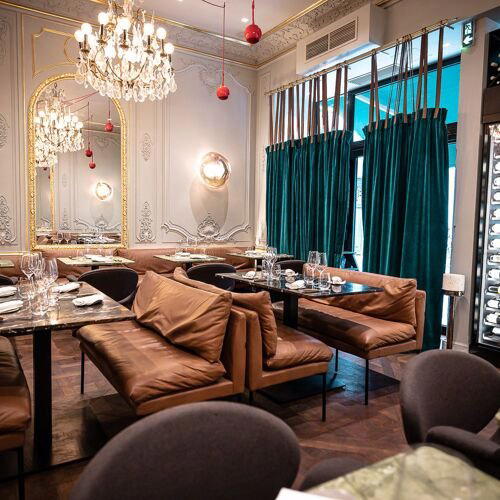
The Sultanahmet Grill That Michelin Noticed
Walk through the Sultanahmet district on any given afternoon and the restaurants are hard to miss: laminated menus propped outside doorways, photographs of every dish, staff positioned at the entrance to wave passing tourists inside. It is a dining environment defined almost entirely by footfall and convenience. Within that context, earning a Michelin Plate two consecutive years, 2024 and 2025, is a meaningful signal. The Michelin Plate designation is awarded to kitchens that inspectors consider to serve food worth stopping for, distinct from the starred tier but a credible marker of consistent cooking in a neighbourhood where consistency is not the default setting.
Khorasani sits on Ticaretine Sokak, a short street in the Fatih district that places it within reach of the Hagia Sophia and the Blue Mosque without being on the main tourist drag. The room reads as deliberately unpretentious: the style is described as rustic, and the format leans into the Turkish grill tradition rather than away from it. There are no tasting menus, no modernist interpretations. What the kitchen does is barbecue meat to order, serve kebabs built around lamb, and back them with the kind of pita bread that earns its place on the table rather than occupying it as an afterthought.
What the Awards Record Actually Signals
Istanbul's Michelin-recognised restaurant pool spans a considerable range. At the upper end, Turk Fatih Tutak holds two Michelin Stars in the modern Turkish category, while Mikla and Neolokal each carry one Star for their interpretive approaches to Turkish and Mediterranean ingredients. These are destination restaurants, priced at ₺₺₺₺, oriented toward a considered tasting experience. Khorasani occupies a different coordinate entirely: a single price tier (₺), a traditional format, and recognition that speaks to execution rather than ambition of concept.
The Michelin Plate, appearing consecutively in 2024 and 2025, indicates that inspectors returned and found the same standard in place. That kind of repeat recognition in a tourist-heavy neighbourhood is not incidental. The majority of Sultanahmet restaurants exist to serve large volumes of visitors who will not return, which creates little structural incentive to maintain kitchen discipline. Khorasani's Michelin record suggests the kitchen is not operating on that logic.
The Grill Tradition in Context
Turkish kebab and grill culture is one of the more codified culinary traditions in the region. The categories are specific: Adana kebab (minced lamb with chilli, shaped onto wide skewers), şiş kebab (cubed lamb grilled over charcoal), and beyti among others, each with regional inflections and a set of textural expectations around char, fat content, and internal temperature. Pita and flatbreads are not peripheral; they are structural to the meal, used to gather the meat, to absorb the juices from the grill, and to balance the vegetables served alongside.
What separates a kitchen that executes this tradition from one that approximates it is primarily sourcing and fire management. The quality of lamb, the temperature discipline at the grill, and the timing of the bread relative to the meat are where standards diverge. Khorasani's Michelin recognition positions it in the tier where that execution is being held to account, something the editorial record from Michelin inspectors describes as lamb that is succulent, vegetables that are crisp, and bread that arrives in the right condition to do its job.
Placing Khorasani in the Broader Istanbul Picture
Istanbul's dining scene is not homogeneous, and Sultanahmet is only one part of it. The more experimental and fine-dining end of Turkish cuisine is concentrated in Beyoğlu and the Bosphorus-adjacent neighbourhoods, where restaurants like Lokanta by Divan and SADE Beş Denizler Mutfağı operate. For those oriented toward the modern Turkish direction, Casa Lavanda offers a different register again. Khorasani does not compete in any of those spaces. It is a traditional grill house in the historic centre, and the relevant comparison is not a starred tasting-menu restaurant but the dozens of other grill and kebab operations in the same postcode.
It is also worth situating Khorasani within the wider context of traditional Turkish grill restaurants recognised elsewhere in the country. 7 Mehmet in Antalya represents a different regional tradition, and kitchens like Aravan Evi in Ürgüp operate in Cappadocia's distinct culinary register. Traditional cuisine holds Michelin recognition across Turkish geography; Khorasani's consecutive Plates place it within that national pattern rather than as an anomaly in its city.
For those travelling beyond Istanbul, Kitchen by Osman Sezener in Bodrum, Narımor in Izmir, and Ahãma in Göcek each represent the traditional and regional ends of Turkish dining in their respective cities. The full Istanbul restaurants guide covers the city's range in more depth, from this price tier through to the tasting-menu end of the spectrum. Further reading on the city is available through the Istanbul hotels guide, the Istanbul bars guide, the Istanbul wineries guide, and the Istanbul experiences guide.
For comparable traditional cuisine formats in other European contexts, Auberge Grand'Maison in Mûr-de-Bretagne and Auga in Gijón share the same Michelin-recognised traditional framework, where kitchen discipline rather than concept innovation is the basis for recognition.
Planning a Visit
Khorasani is located at Ticaretine Sokak No. 9/b in the Fatih district, within the Sultanahmet area and close to the major Ottoman monuments. The format is a grill house, so the expectation is grilled meats, kebabs, and bread, not a multi-course European structure. Visiting at lunch rather than peak dinner hours is likely to involve shorter waits; the restaurant's proximity to the main tourist sites means evening demand can be high.
FAQ
What is the signature dish at Khorasani?
Khorasani's kitchen centres on barbecued meats and kebabs, with lamb the primary protein. Michelin inspectors have specifically cited the lamb kebab as the point of reference for the restaurant's quality, served alongside grilled vegetables and pita bread. The format is a traditional Turkish grill rather than a menu that rotates around a single showpiece dish; the kebabs are the category the kitchen is recognised for, not an individual creation.
A Lean Comparison
A quick peer reference to anchor this venue in its category.
| Venue | Cuisine | Price | Awards | Notes |
|---|---|---|---|---|
| KhorasaniThis venue (the venue you are viewing) | Traditional Turkish Grill & Kebabs | $20–30 | Michelin Plate | Not listed |
| Turk Fatih Tutak | Modern Turkish Fine Dining | $200–300 | 2 Michelin Stars · World's 50 Best #66 | Modern Turkish, ₺₺₺₺ |
| Mikla | New Anatolian Kitchen | $100–150 | 1 Michelin Star · World's 50 Best #44 | Modern Turkish, Mediterranean Cuisine, ₺₺₺₺ |
| Neolokal | Modern Turkish Fine Dining | $200–300 | 1 Michelin Star · World's 50 Best #100 | Modern Turkish, Turkish, ₺₺₺₺ |
| Arkestra | Modern European with Global Influences | $100–150 | 1 Michelin Star · Gault & Millau Türkiye 3 Toques | Fusion, ₺₺₺₺ |
| Nicole | Contemporary Turkish Fine Dining | $150–200 | 1 Michelin Star · Gault & Millau Türkiye 3 Toques | Modern Turkish, Modern Cuisine, ₺₺₺₺ |
Recognition history
Dated appearances from independent guides and award organizations, with the underlying list record or original source where available.
Michelin Plate
Michelin
Full recognition history (3 entries)
Michelin Plate
Michelin
Michelin Plate
Michelin
Continue exploring
More in Istanbul
Restaurants in Istanbul
All restaurants in Istanbul →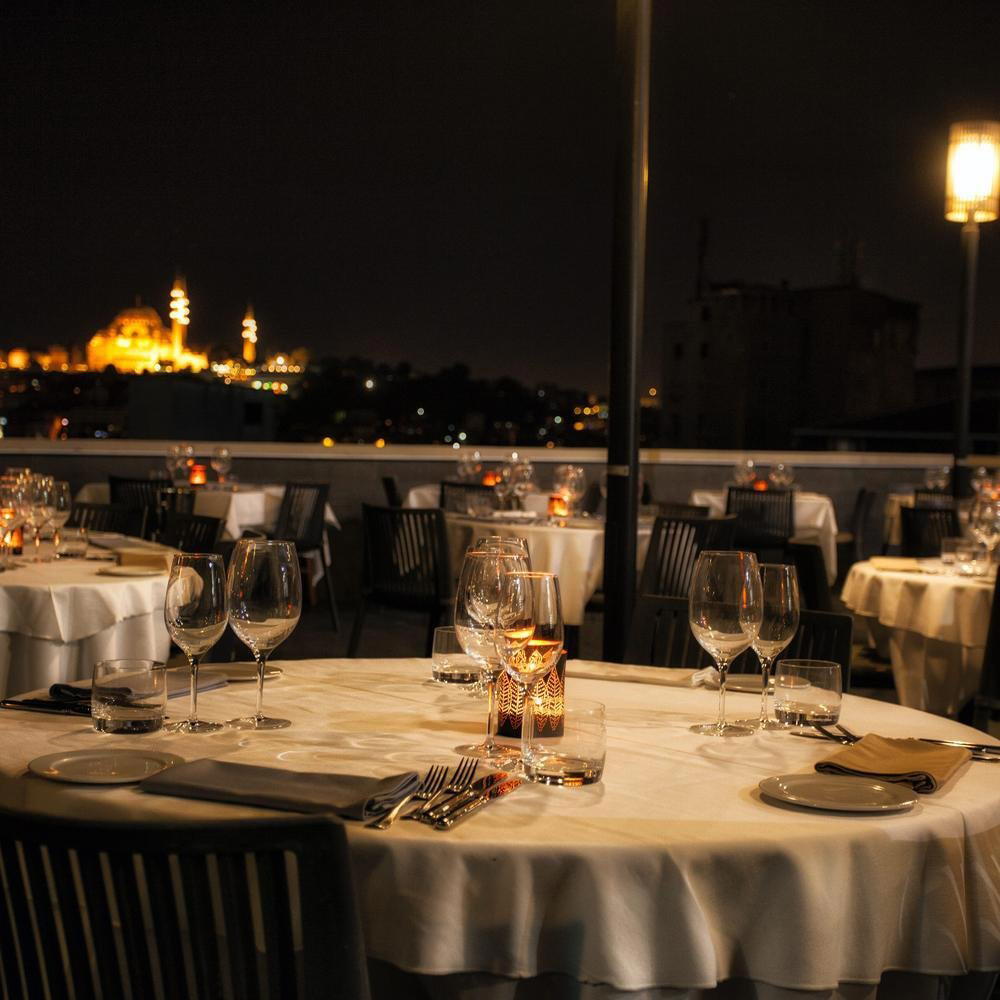
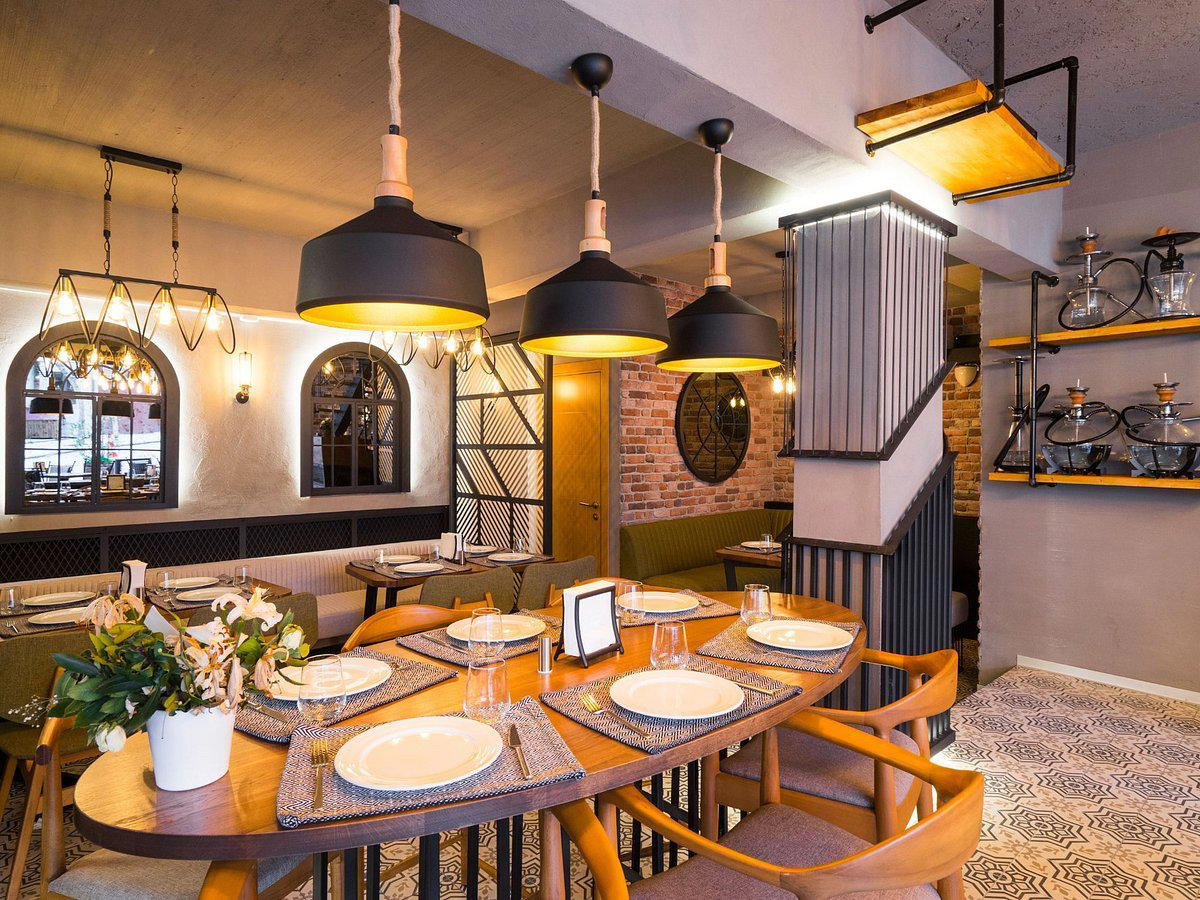
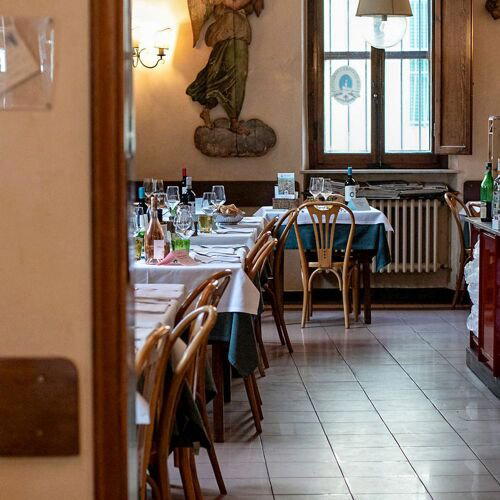
Bars in Istanbul
All bars in Istanbul →
Details
- Cozy
- Rustic
- Classic
- Elegant
- Family
- Group Dining
- Casual Hangout
- Open Kitchen
- Extensive Wine List
- A La Carte
- Vegetarian Friendly
- Vegan Options
- Halal
Current opening hours
- Monday
- 11 AM–2 AM
- Tuesday
- 11 AM–2 AM
- Wednesday
- 11 AM–2 AM
- Thursday
- 11 AM–2 AM
- Friday
- 11 AM–2 AM
- Saturday
- 11 AM–2 AM
- Sunday
- 11 AM–2 AM
Hours can change for holidays and private events. Hours as of .
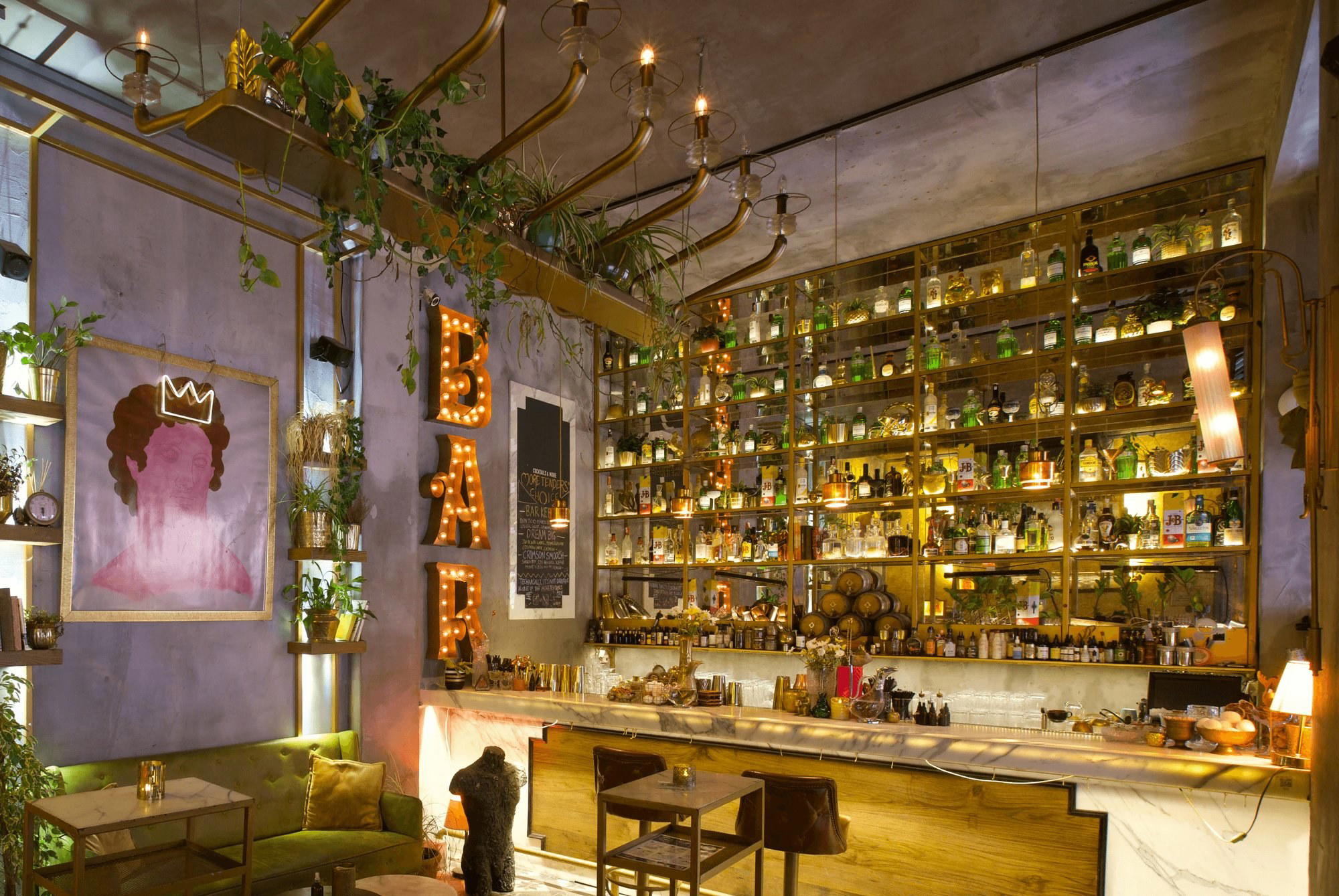
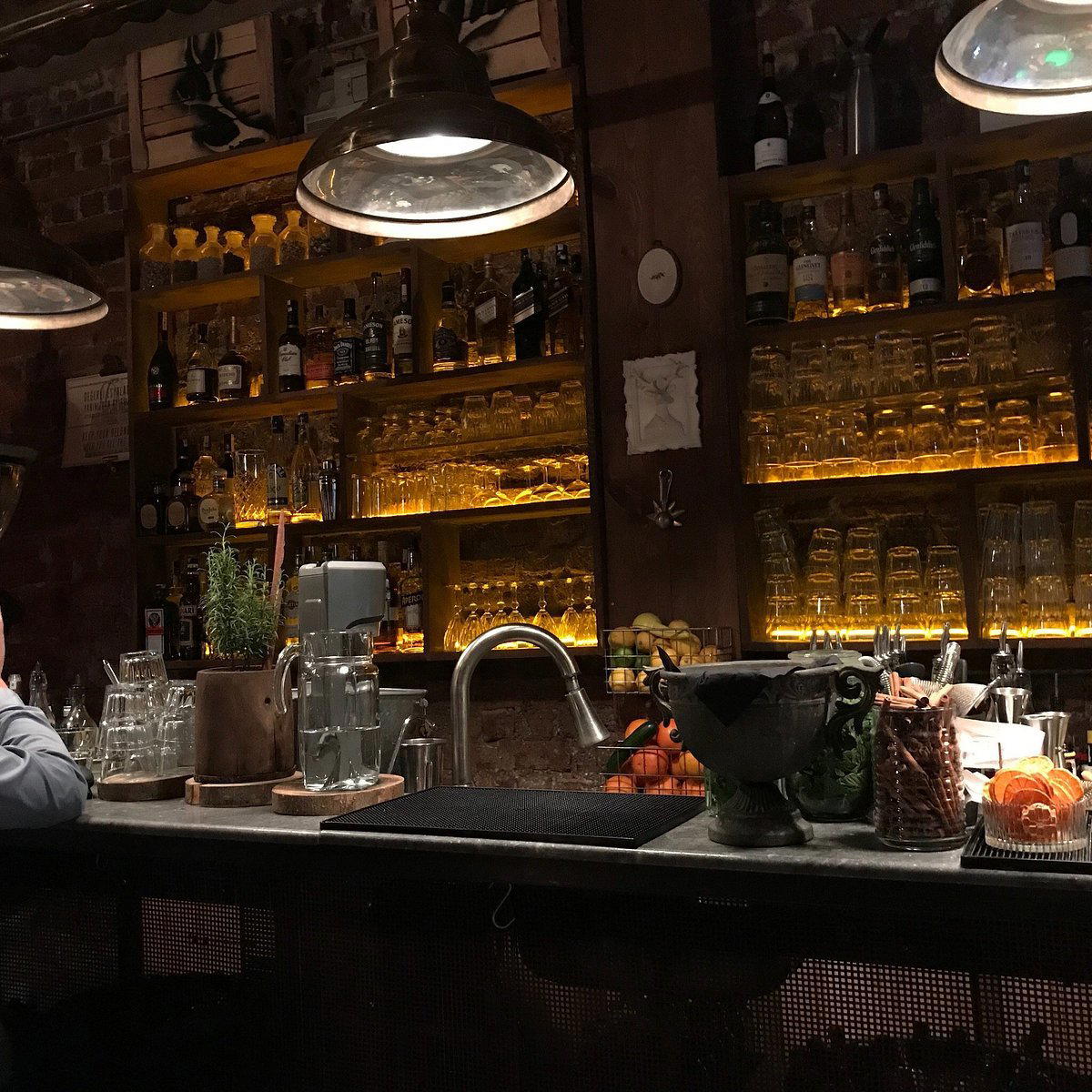
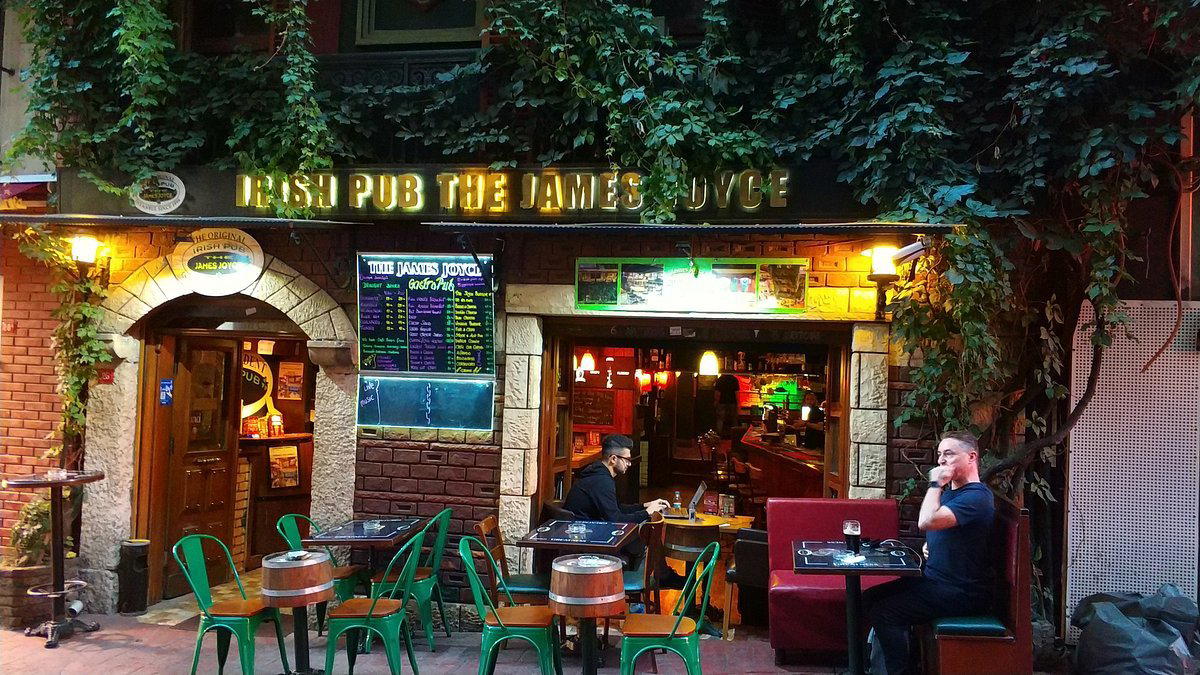
Cozy seating with soft lighting, rustic style, and a welcoming fireplace creating a tasteful, understated Turkish atmosphere.