Kentô Cozinha Oriental occupies a Centro address in Cabo Frio, a beach city better known for salt flats and weekend crowds than for Asian cuisine. The restaurant represents a distinct category in the local dining scene: a dedicated oriental kitchen operating in a resort town where seafood and churrascaria typically dominate. For travellers looking beyond the standard Cabo Frio formula, it offers an alternative register entirely.
Pearl is the En Primeur Club membership app — saves, bookings, and concierge access live there. Same editors, same standards.
- Address
- Av. Nossa Sra. da Assunção, 294 - Centro, Cabo Frio - RJ, 28906-200, Brazil
- Phone
- +552226454305
- Website
- instabio.cc
- Directions
- Get directions
 Saves & bookings on Pearl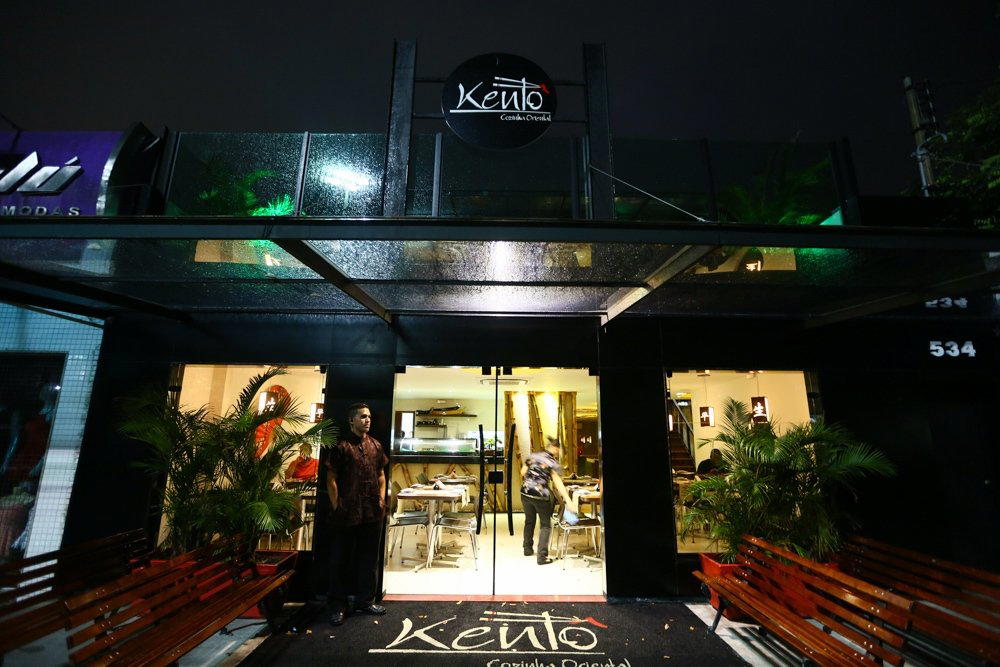
Oriental Dining in a Beach Town Context
Cabo Frio is a city built around water and salt. The lagoons, the white-sand beaches stretching toward Arraial do Cabo, the weekend influx from Rio de Janeiro, these define what most visitors expect from the food scene: fresh seafood, grilled meats, cold beer. The presence of a dedicated oriental kitchen on Avenida Nossa Senhora da Assunção, in the Centro district, is therefore a distinct departure from the norm. Kentô Cozinha Oriental occupies a position that few restaurants in Cabo Frio hold: a focused, cuisine-specific address in a city where the dining category tends to blur toward crowd-pleasing generalism.
Across Brazil, this pattern plays out in secondary resort cities with some regularity. São Paulo-trained palates migrate to beach towns, and a cluster of more specific restaurants follows. In the interior of Rio de Janeiro state, Japanese and broader pan-Asian cuisines have taken root in cities with active weekend tourism, often supported by the significant Japanese-Brazilian community whose presence across the country is one of the largest outside Japan itself. Brazil has approximately 1.5 million people of Japanese descent, concentrated in São Paulo but with a cultural reach that has shaped the food culture of dozens of cities far beyond the capital. The sushi bar in a beach town is, in that sense, not an anomaly, it is part of a longer national story. Venues like Ikon Restaurant Japonês em Unamar show that Japanese-oriented dining has found a foothold across multiple Cabo Frio neighbourhoods, not just in the Centro.
The Ritual of an Oriental Meal in a Resort Setting
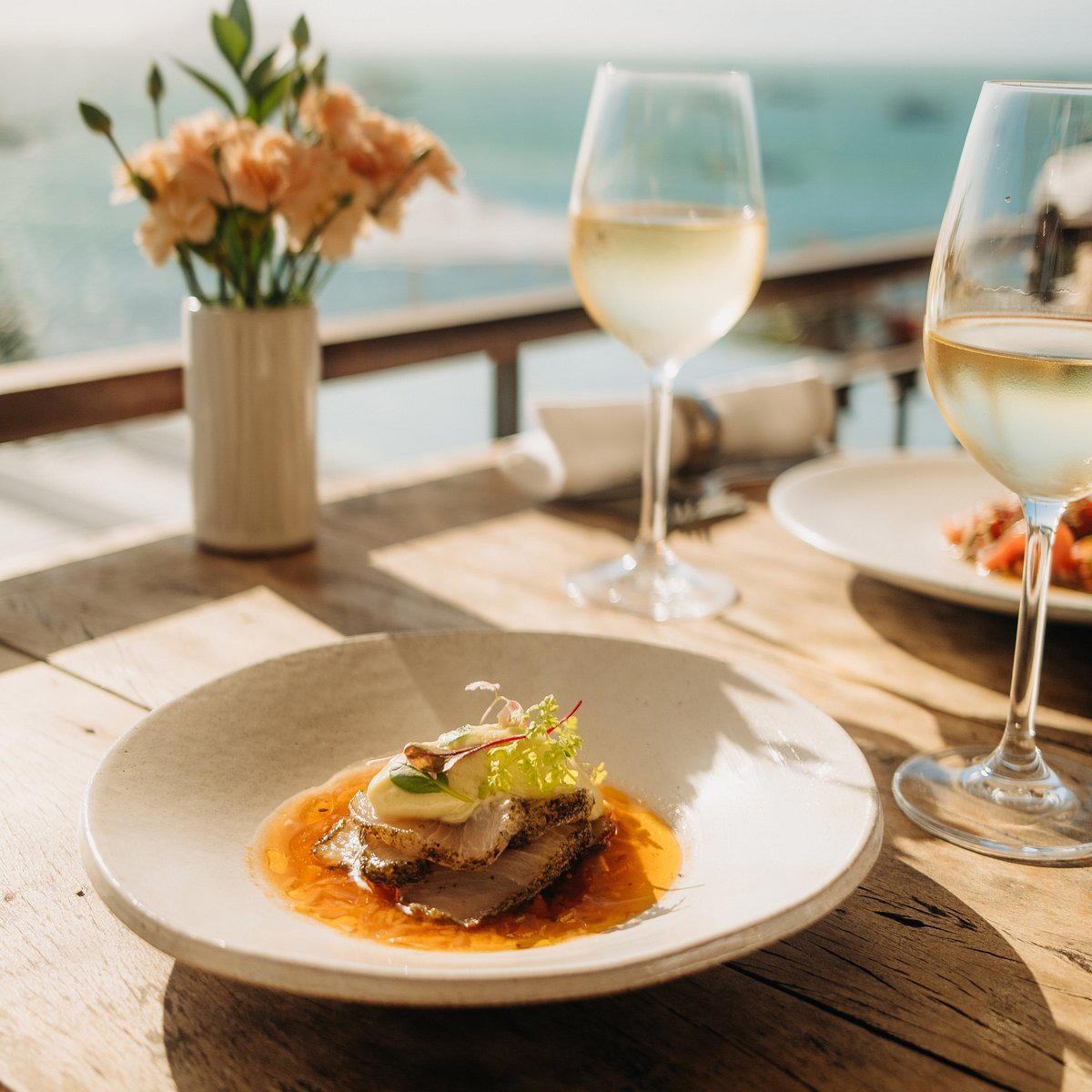
The dining customs associated with oriental cuisine, with its pacing of small plates, hot broths and cold raw preparations, sit in deliberate contrast to the beach-town rhythm that surrounds Kentô. Where the broader Cabo Frio restaurant culture tends toward long, communal meals built around churrasco or peixada, an oriental kitchen operates on a different internal logic. Dishes arrive in sequences calibrated around temperature and contrast. The cold arrives cold; the hot arrives at the correct moment. That discipline, when maintained, imposes a structure on the meal that is itself part of the experience.
This is what separates a serious oriental kitchen from the generic pan-Asian menus that proliferate in tourist-heavy towns. The difference is not always visible on a menu; it reveals itself in the pacing, the mise en place, and the way a table manages the gap between raw and cooked preparations. In cities like Cabo Frio, where the dining public skews toward casual and the peak demand is compressed into weekends and holiday periods, sustaining that discipline requires deliberate choices about format and kitchen organisation.
For context on what the higher end of Brazilian oriental dining looks like, venues such as Atomix in New York City and Le Bernardin in New York City demonstrate how Asian-influenced and technique-driven kitchens at the formal end of the spectrum manage ritual and pacing as central to the offer. Brazil's own benchmark for serious restaurant ambition sits with places like D.O.M. in São Paulo and Lasai in Rio de Janeiro, both of which operate in urban contexts with entirely different competitive pressures than a beach city. Kentô operates in a different environment, which makes direct comparison less useful than understanding what it does within its own context.
Where Kentô Sits in the Cabo Frio Scene
The Centro address on Avenida Nossa Senhora da Assunção places Kentô within walking distance of the central canal and the commercial core of Cabo Frio. This is a practical location for visitors staying in the main hotel corridor and for the local population that does not rely on the beach-adjacent strip for dining. The Centro dining scene in Cabo Frio tends to be more year-round than the beachfront, less dependent on peak-season footfall, and more frequented by the permanent resident population alongside tourists.
Within the local competitive set, Kentô occupies a distinct niche. ICONIKO and Arcos do Canal represent other reference points in Cabo Frio's dining scene, each with their own format and customer base. A restaurant with an oriental focus holds a different position in that map, it is not competing on the same terms as a beachside seafood grill or a traditional Brazilian steakhouse. That specificity can work in its favour: the reader who arrives in Cabo Frio already wanting Asian food faces a shorter list of options, which makes Kentô's Centro location a logical starting point.
Brazil's broader restaurant geography rewards those who track oriental cuisine beyond the obvious São Paulo addresses. Across the country, from Kampeki Sushi in Canoas in the south to the regional kitchens of Bistro Fitz Carraldo in Manaus in the Amazon, the diversity of what Brazilian restaurants serve reflects a country whose immigration history is among the more complex in the world. Cabo Frio is one more data point in that pattern.
Planning Your Visit
Kentô Cozinha Oriental is located at Avenida Nossa Senhora da Assunção, 294, in the Centro district of Cabo Frio, Rio de Janeiro state. Cabo Frio is approximately 160 kilometres east of Rio de Janeiro and is accessible by bus from the Novo Rio terminal or by car along the BR-106. The town's peak season runs from December through February, when demand across all restaurants rises sharply and wait times extend accordingly; visiting outside school holiday periods generally means a more relaxed experience. For a broader view of the city's dining options, the full Cabo Frio restaurants guide maps the scene across neighbourhoods and categories. Those exploring the wider Rio de Janeiro state coastline may also find reference points in places like Arte e café Imperial in Angra dos Reis and Casa da Picanha Penedo in Itatiaia for a sense of how dining varies across the region.
Cuisine and Recognition
Comparable venues nearby, for context on price, style, and recognition.
| Venue | Cuisine | Price | Notes |
|---|---|---|---|
| Kentô Cozinha OrientalThis venue — the venue you are viewing | Modern Japanese Sushi & Seafood | $$$ | Not listed |
| Ikon Restaurant Japonês em Unamar | Japanese Sushi Restaurant | $$ | Unamar |
| ICONIKO | Modern Japanese Sushi | $$$ | Passagem |
| Arcos do Canal | Italian-Brazilian Seafood | $$ | Passagem |
| Charco | Modern Brazilian with South American and Asian influences | $$$ | Jardim Paulista |
| Shiso | Modern Japanese Fusion | $$$ | Barra da Tijuca |
Continue exploring
More in Cabo Frio
Restaurants in Cabo Frio
Browse all →
At a Glance
- Modern
- Trendy
- Date Night
- Special Occasion
- Open Kitchen
Current opening hours
- Monday
- 6:30 PM–12 AM
- Tuesday
- 6:30 PM–12 AM
- Wednesday
- 6:30 PM–12 AM
- Thursday
- 6:30 PM–12 AM
- Friday
- 6:30 PM–12 AM
- Saturday
- 6:30 PM–12 AM
- Sunday
- Closed
Hours can change for holidays and private events. Last verified .
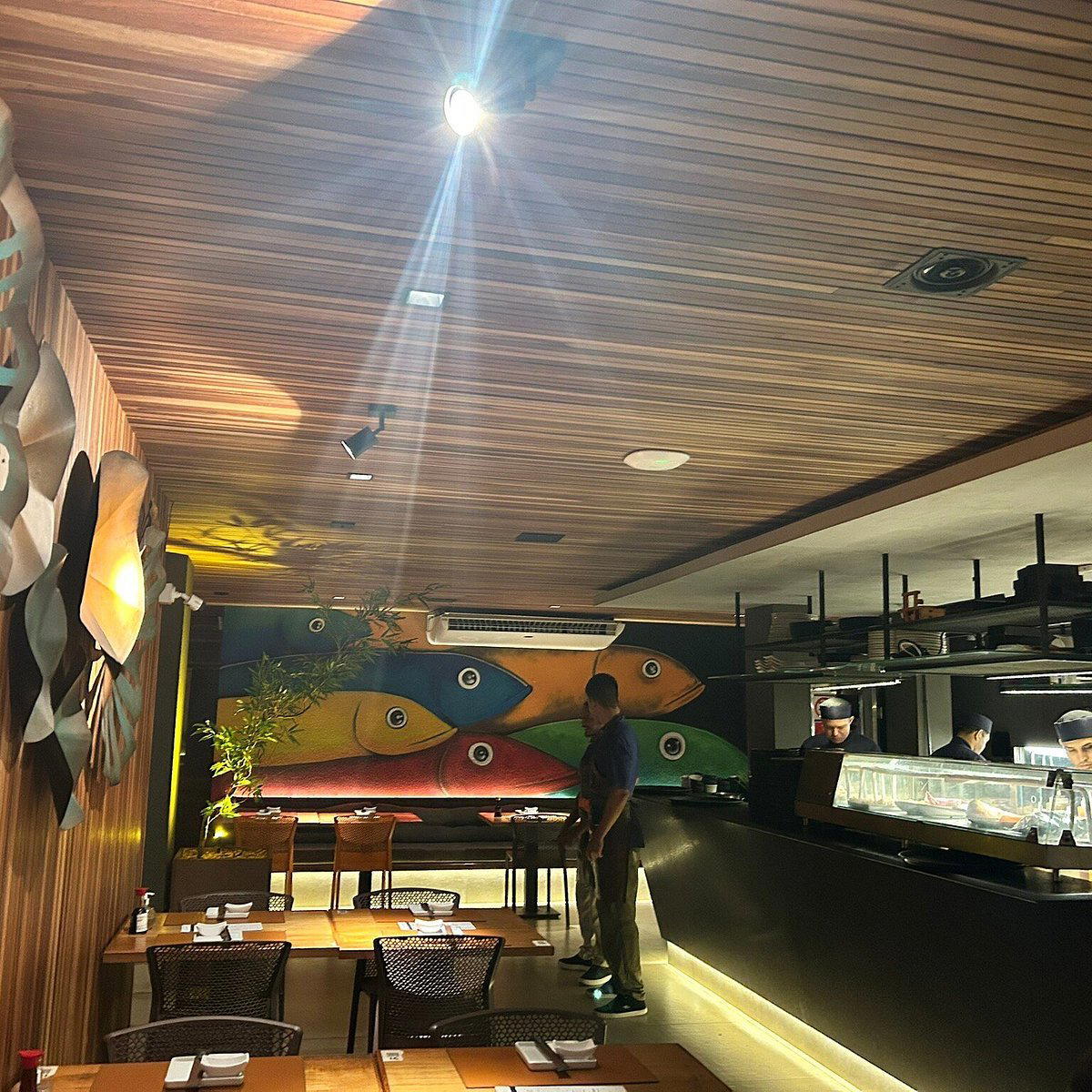
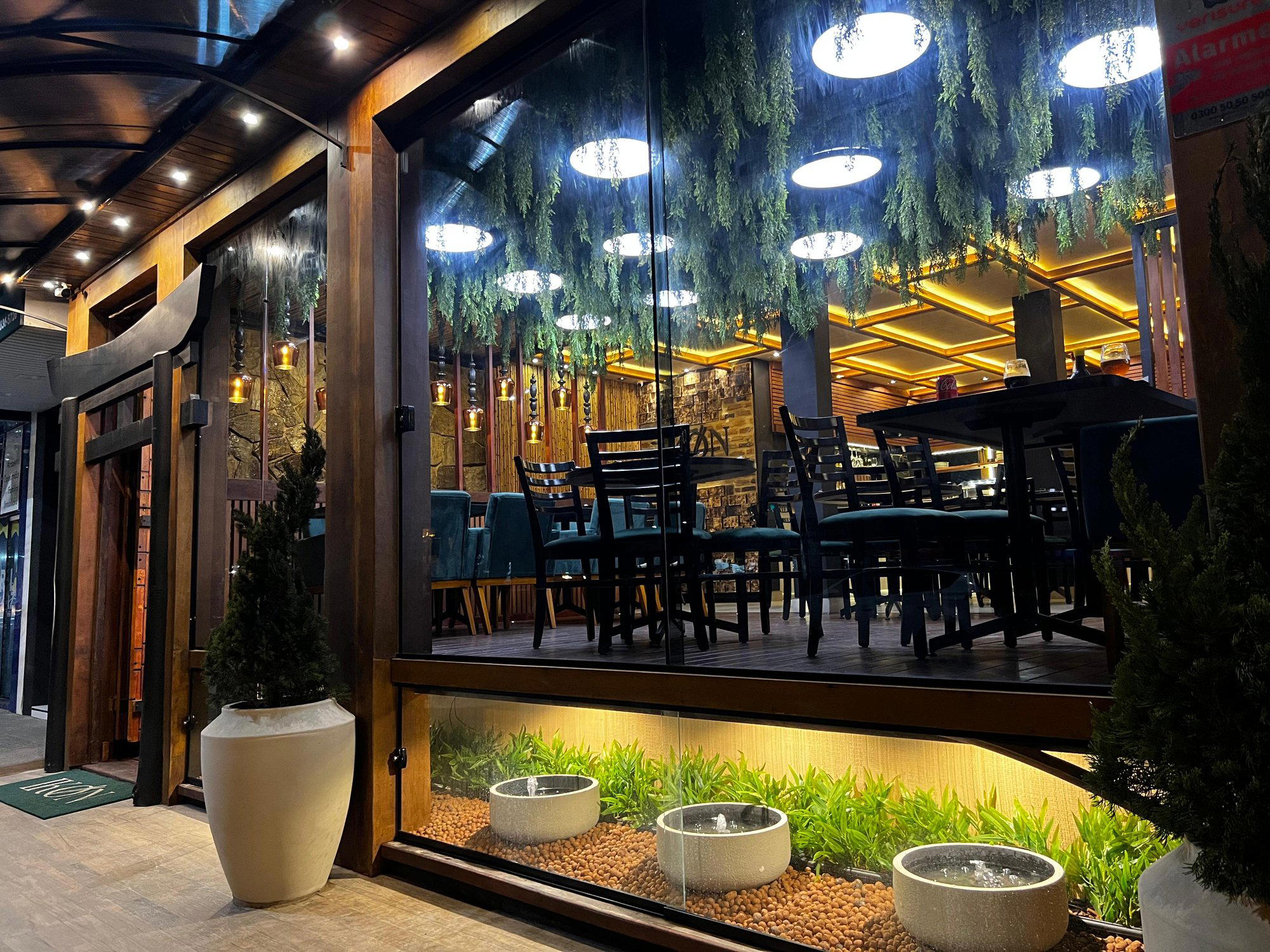
Beautiful decor and nice ambiance with modern wood elements creating a welcoming contemporary atmosphere.