Where the Restinga Meets the Plate Cabo Frio sits at the point where the restinga scrubland, the saltwater lagoons, and the open Atlantic converge, and the leading kitchens in the city have always reflected that geography. The address on Rua...
Pearl is the En Primeur Club membership app — saves, bookings, and concierge access live there. Same editors, same standards.
- Address
- R. Elpídio Barbosa dos Santos, 207 - Passagem, Cabo Frio - RJ, 28906-115, Brazil
- Phone
- +552233437229
- Website
- iconiko.com.br
- Directions
- Get directions
 Saves & bookings on Pearl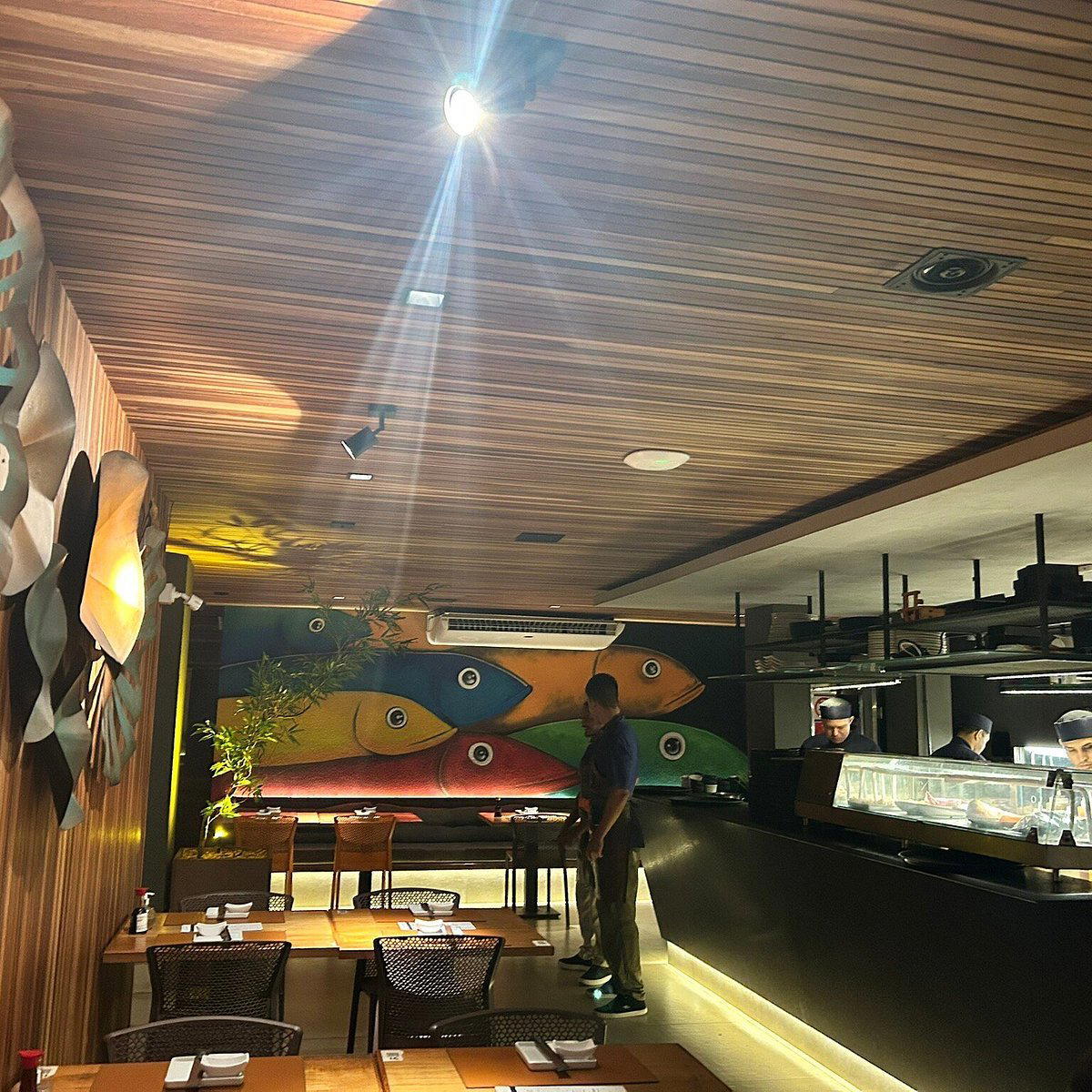
Where the Restinga Meets the Plate
Cabo Frio sits at the point where the restinga scrubland, the saltwater lagoons, and the open Atlantic converge, and the leading kitchens in the city have always reflected that geography. The address on Rua Elpídio Barbosa dos Santos places ICONIKO squarely in the Passagem neighbourhood, one of the residential corridors that connects the tourist waterfront to the quieter interior of the city.
Brazil's mid-sized coastal cities have developed a distinct restaurant culture over the past decade.
The Sourcing Context: Rio de Janeiro State's Coastal Larder
Understanding why any Cabo Frio kitchen matters starts with understanding what the surrounding region produces. The Região dos Lagos, the lake district that stretches between Maricá and Arraial do Cabo, is one of Brazil's most productive zones for artisanal fishing. Corvina, dourado, robalo, and a rotating cast of shrimp species move through the local market system at a pace that rewards kitchens close enough to use them before they travel. Inland, the green belt between the coast and the Serra do Mar produces cassava, tropical fruit, and leafy greens that form the backbone of fluminense home cooking.
This is the sourcing environment that gives Cabo Frio restaurants their structural advantage over urban kitchens, where the same ingredients arrive after long cold-chain journeys. The catch-to-kitchen timeline in a city like Cabo Frio can be measured in hours rather than days, and the menus that take that seriously tend to read differently from those that don't.
Passagem: A Neighbourhood Read
The Passagem district is not the city's tourist-facing strip. It lacks the saturated seafood-restaurant rows that cater to the summer crowds who arrive for the white-sand beaches and the strong southwesterly winds that have made Cabo Frio a recognised kite-surfing destination. That residential character is worth registering: kitchens here are accountable to a repeat-visit clientele rather than a one-time seasonal audience. In dining terms, that accountability tends to produce more consistent cooking and a stronger relationship with local suppliers, because the customer base notices when quality slips.
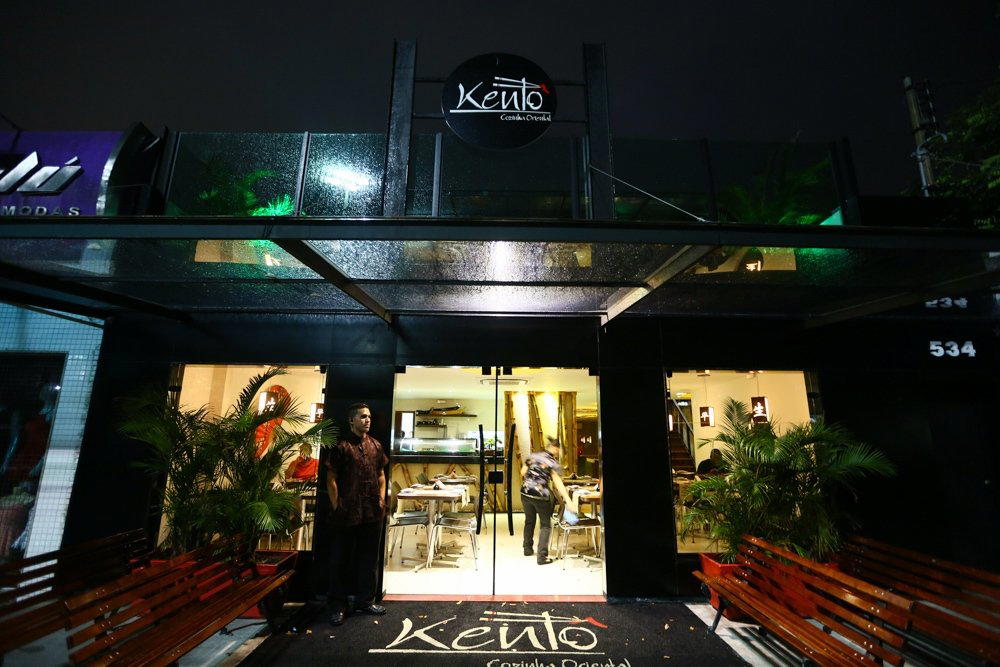
Other Cabo Frio addresses worth tracking include Arcos do Canal, which occupies a different position in the city's dining geography, and the Japanese-influenced offerings at Ikon Restaurant Japonês em Unamar and Kentô Cozinha Oriental, which reflect the broader spread of cuisine types now operating in the region.
Brazilian Coastal Dining in National Context
Brazil's dining conversation tends to polarise between the fine-dining ambitions of São Paulo and the beachside informality of the Northeast. The Rio de Janeiro state coast occupies a middle register that doesn't get sufficient editorial attention. The culinary traditions here draw on African-influenced fluminense cooking, Portuguese seafood technique, and the practical pragmatism of communities that have fished and farmed the same coastline for generations. That combination produces a cuisine that is harder to categorise than Bahian or Paulistano food, but no less defined.
The point of comparison is instructive. Kitchens in Cabo Frio are not trying to replicate what happens at reference points like Le Bernardin in New York City or Atomix in New York City. They are working from a different premise entirely: hyperlocal sourcing as a practical necessity, not a branding strategy. When a fish was in the water two hours ago, the kitchen's job is to get out of the way.
That philosophy has parallels in other parts of Brazil. The slow-cooked traditions of restaurants like Cantina Pozzobon in Santa Maria and the ingredient-focused approaches at places like Bistro Fitz Carraldo in Manaus show that Brazil's regional kitchens are doing serious work with local ingredients well outside the São Paulo spotlight. The same pattern holds along the Fluminense coast.
Planning a Visit
Cabo Frio is accessible from Rio de Janeiro by bus or car, with the journey taking roughly two and a half to three hours depending on traffic and the time of year. The shoulder months of April through June and September through November offer more relaxed access to the city's restaurants and cooler, more comfortable conditions for extended meals.
ICONIKO's address at R. Elpídio Barbosa dos Santos, 207, Passagem, Cabo Frio, RJ, places it in a part of the city reached by car or ride-hailing app; the venue sits away from the main pedestrian corridors.
Comparable Spots, Quickly
Comparable venues nearby, for context on price, style, and recognition.
| Venue | Cuisine | Price | Notes |
|---|---|---|---|
| ICONIKOThis venue — the venue you are viewing | Modern Japanese Sushi | $$$ | Not listed |
| Kentô Cozinha Oriental | Modern Japanese Sushi & Seafood | $$$ | City Center |
| Ikon Restaurant Japonês em Unamar | Japanese Sushi Restaurant | $$ | Unamar |
| Arcos do Canal | Italian-Brazilian Seafood | $$ | Passagem |
| Shiso | Modern Japanese Fusion | $$$ | Barra da Tijuca |
| COLTIVI ☕️Café & 🍕Pizzaria | Italian Pizza Café | $$$ | Humaitá |
Continue exploring
More in Cabo Frio
Restaurants in Cabo Frio
Browse all →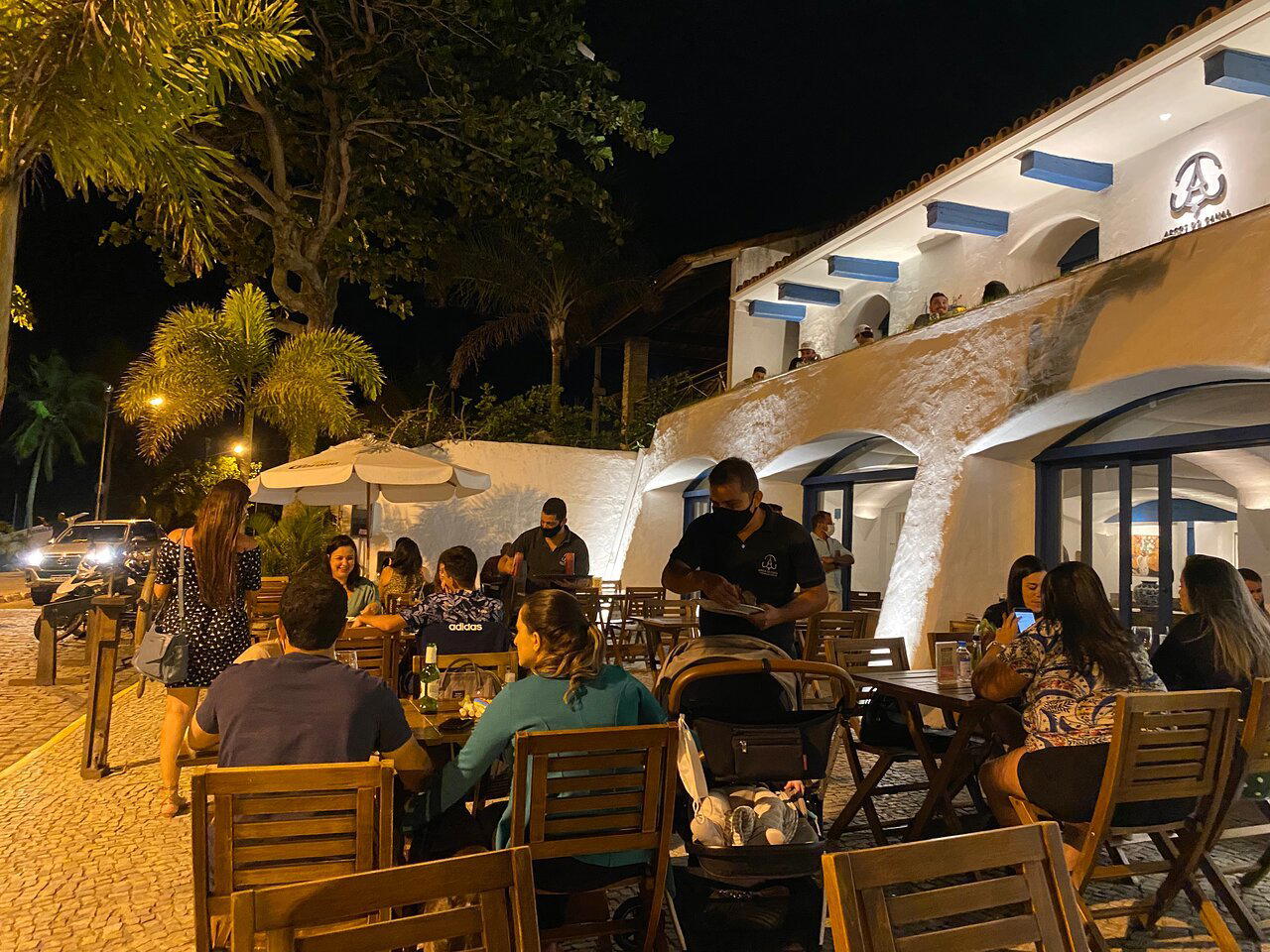
At a Glance
- Sophisticated
- Modern
- Elegant
- Scenic
- Date Night
- Special Occasion
- Celebration
- Standalone
- Design Destination
- Craft Cocktails
Current opening hours
- Monday
- 6 PM–12 AM
- Tuesday
- 6 PM–12 AM
- Wednesday
- 6 PM–12 AM
- Thursday
- 6 PM–12 AM
- Friday
- 6 PM–12 AM
- Saturday
- 6 PM–12 AM
- Sunday
- 6 PM–12 AM
Hours can change for holidays and private events. Last verified .
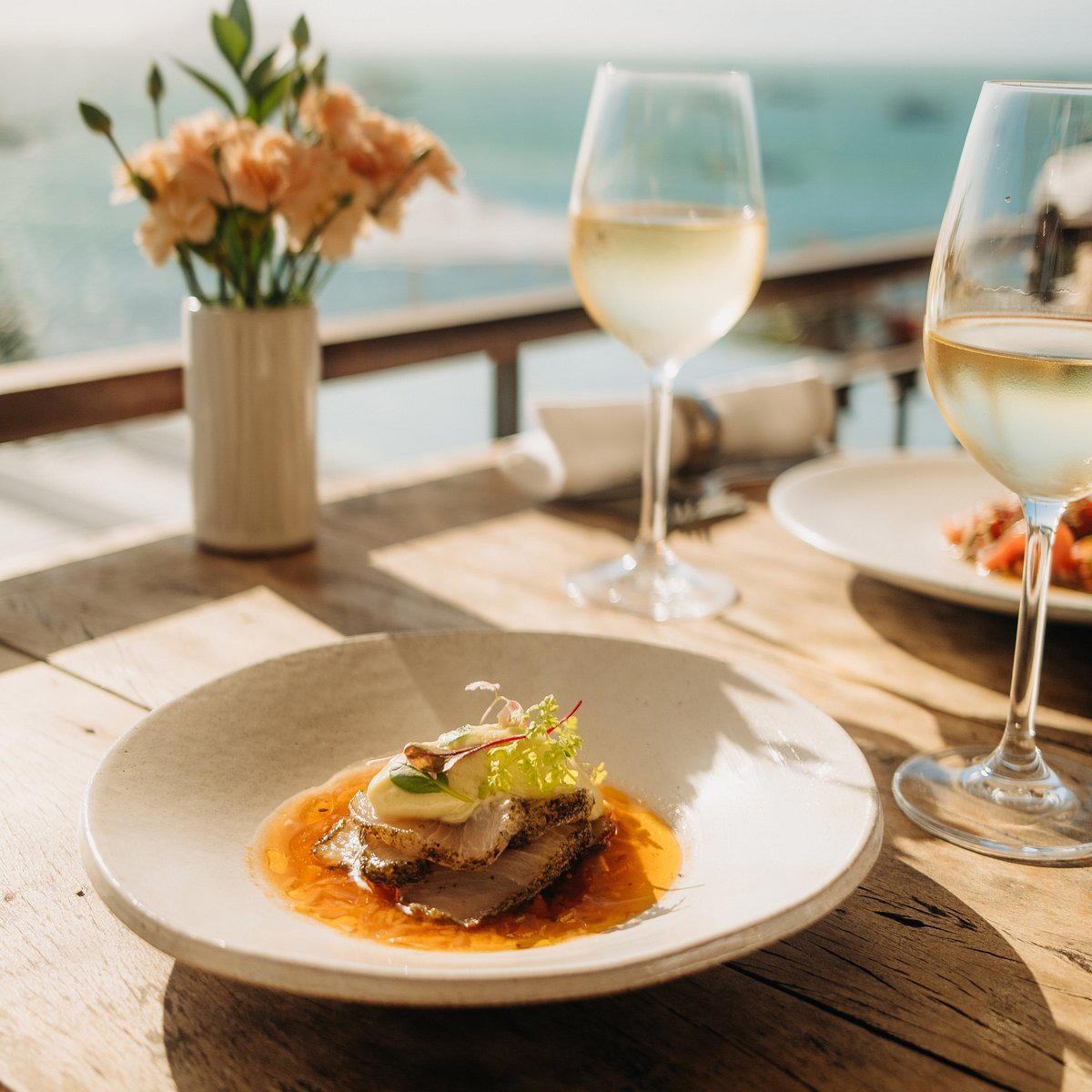
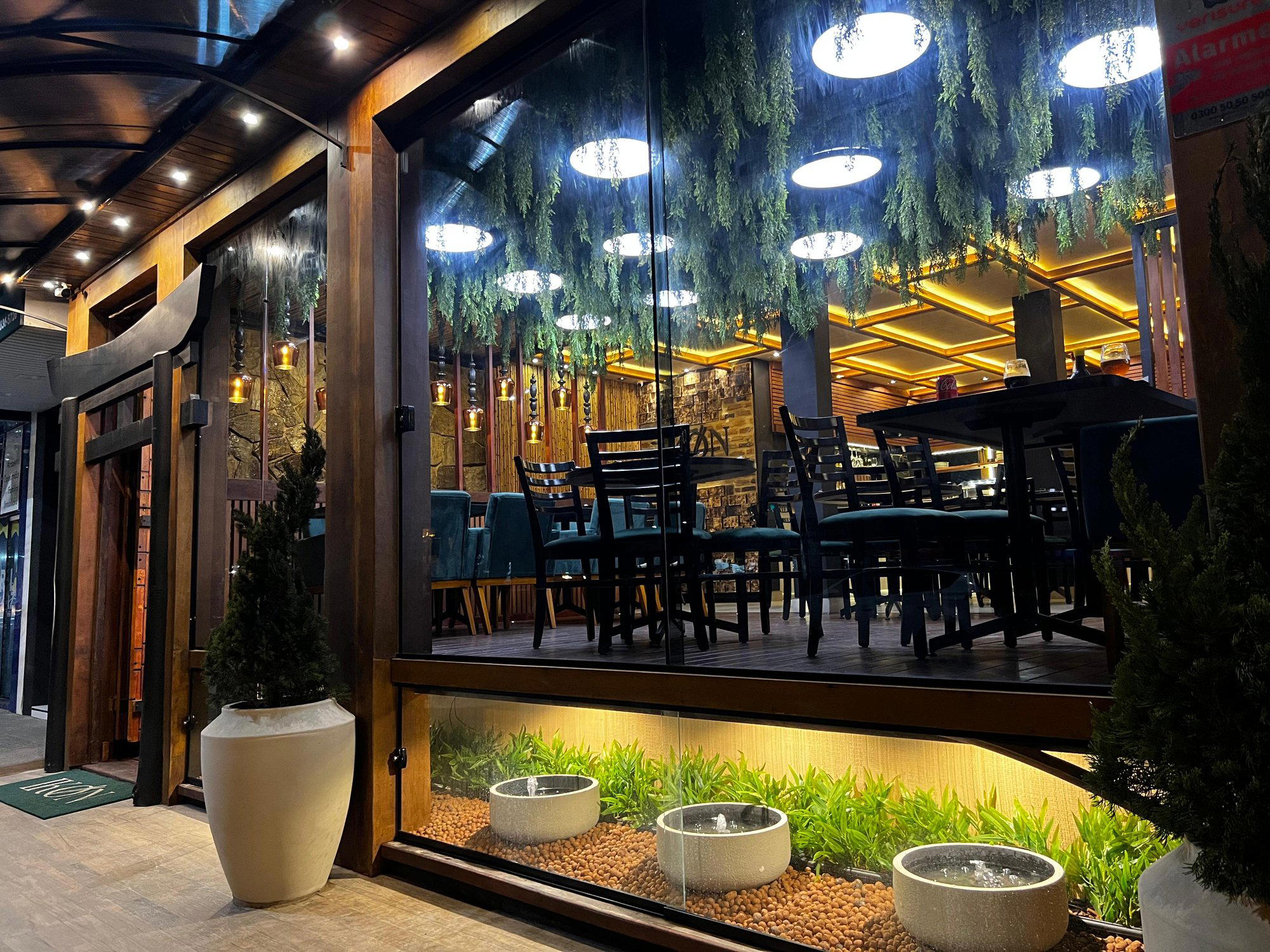
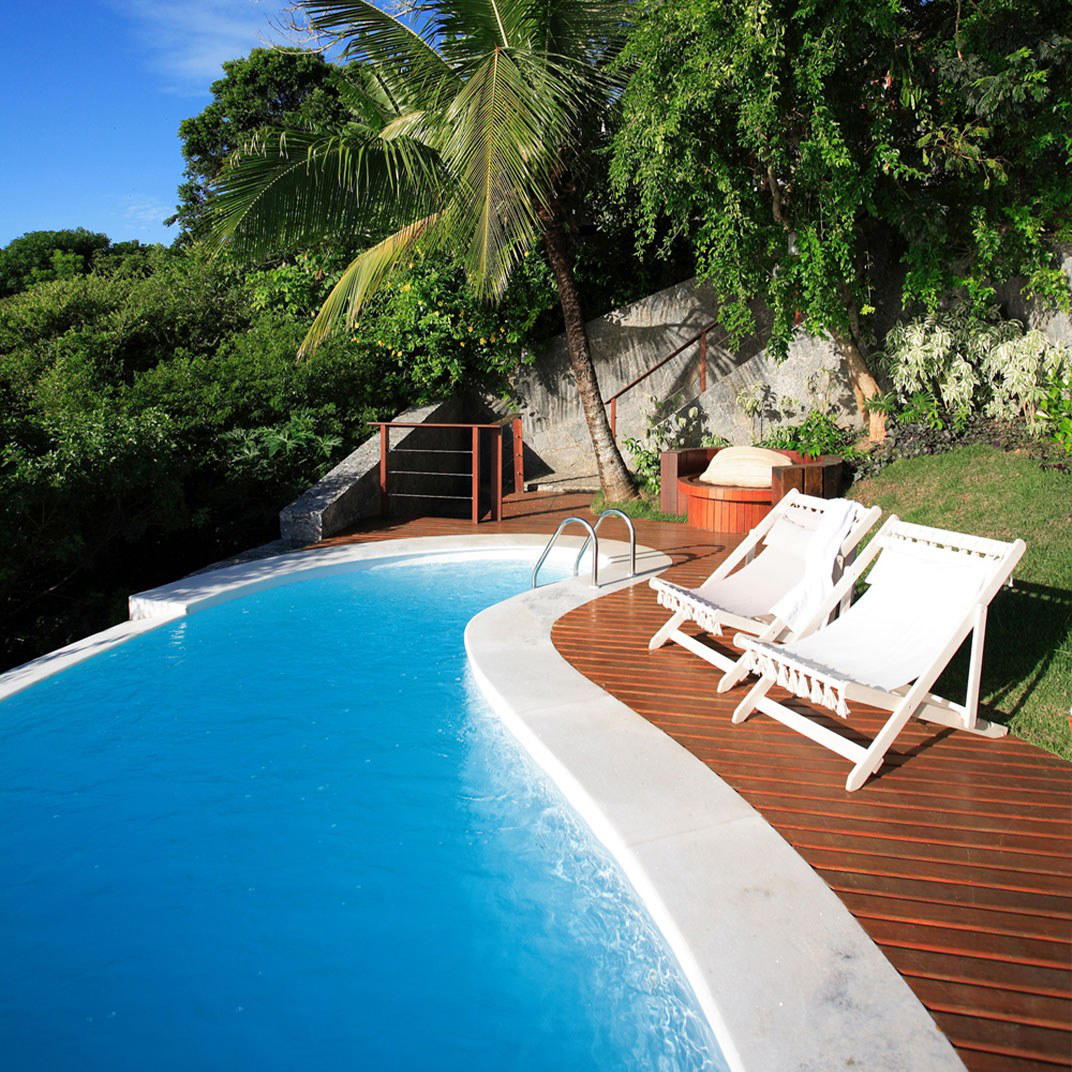
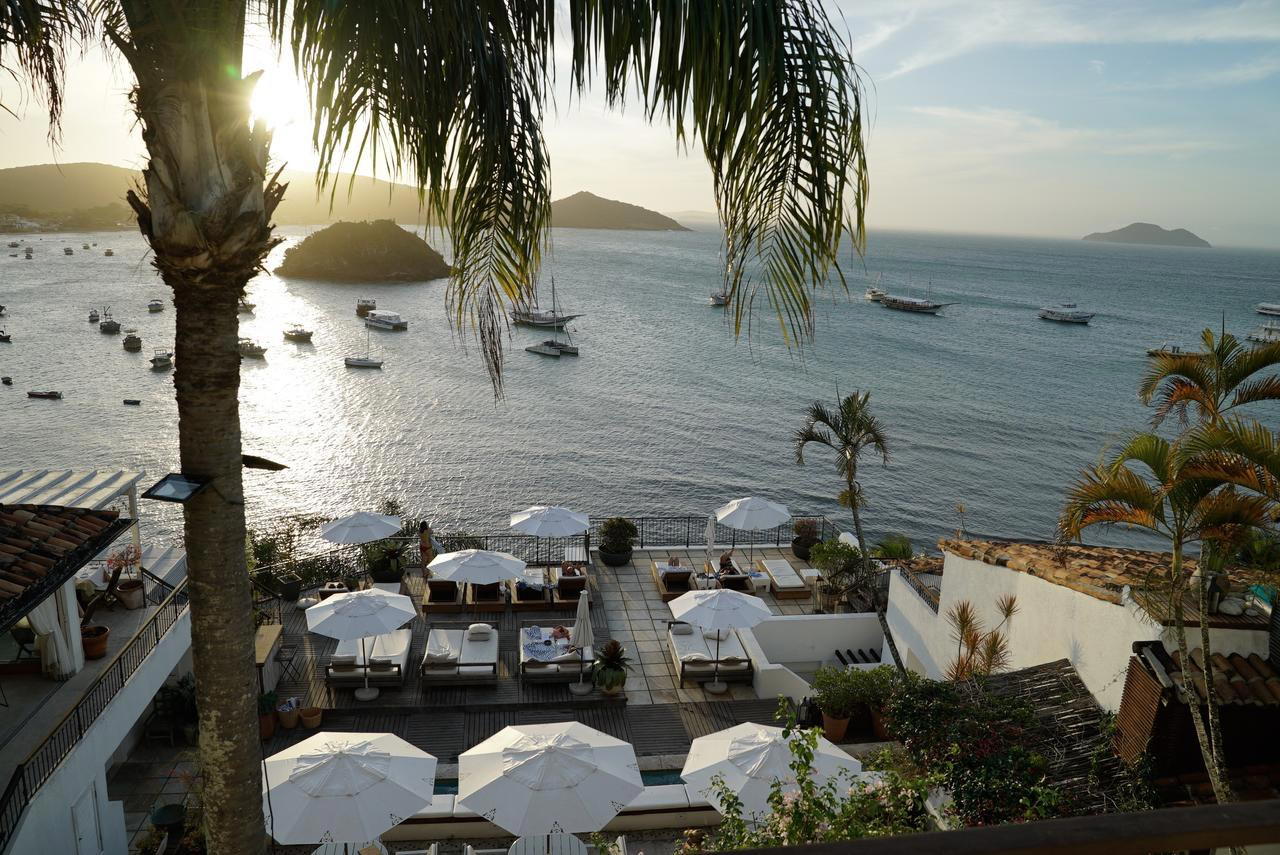
Contemporary and elegant with high Instagram appeal; features blue hour photography opportunities and calmer galleries during optimal dining times.