
Tabelog 100 #5
Our verdict
A Chiba wagashi counter with Tabelog 100 recognition in the East Japan traditional sweets category, Kasho Shirotae Narashinodai honten belongs to the everyday side of Japan’s sweets culture rather than the ceremonial kaiseki-adjacent tier. The draw is format as much as fame: a take-out Japanese confectionery address in Narashinodai, useful for travelers reading Funabashi beyond ramen, bakeries, and station-front dining.

Pearl is the En Primeur Club membership app, where members save venues, book tables and use the concierge.
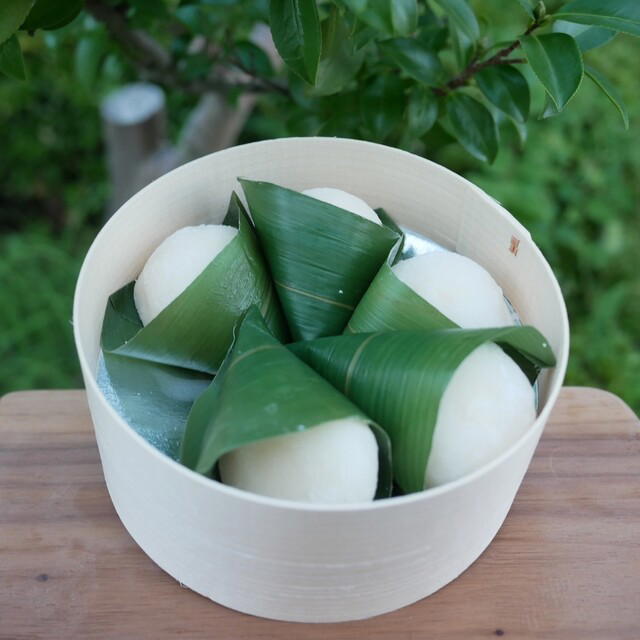
On the approach to a serious wagashi shop, the tempo is different from a restaurant arrival. There is no dining room theater, no course progression, no sommelier choreography. The signs are quieter: a retail frontage, wrapped sweets leaving in small parcels, and the familiar Japanese habit of buying something precise for later rather than sitting down for a long meal. In Funabashi, that format matters. Funabashi’s food culture is often read through commuter convenience and neighborhood restaurants, but its sweets shops show another layer: craft built for gifting, tea, family visits, and seasonal courtesy.
Kasho Shirotae Narashinodai honten sits in that tradition, with selection for the 2023 Tabelog 100 list for Japanese traditional sweets. That recognition places it in a category where reputation depends less on spectacle than consistency, texture control, and the ability to make small-format sweets feel worth a detour. In Japan, wagashi is not simply dessert after dinner. It has links to tea practice, regional ingredients, calendar observance, and the social grammar of omiyage, the small gift carried to hosts, offices, and relatives.
Wagashi as daily culture, not restaurant ceremony
The distinction between a confectionery and a restaurant is useful here. A sushi counter asks the diner to surrender to sequence; a wagashi shop asks the buyer to understand timing, storage, and occasion. Traditional Japanese sweets can carry different expectations, from same-day softness to longer-lasting gift boxes. The craft is often judged by restraint: sweetness that does not flatten tea, textures that hold for transport, and presentation that signals season without turning into souvenir kitsch.
That is why the Tabelog 100 category is a meaningful trust signal. It does not rank the shop against fine-dining restaurants; it places it among specialist Japanese sweets addresses. The comparison set is closer to patisseries, tea sweet counters, and local confectioners than to full-service dining rooms. Within Funabashi, that makes Kasho Shirotae Narashinodai honten a different kind of food stop from other local dining rooms, where the decision is usually about a meal. Here, the decision is about what to carry away.
Funabashi rewards that kind of reading. The city’s dining map stretches from casual counters to bakeries and neighborhood specialists, with Boulangerie Queue representing the Western bread side of the local everyday-purchase economy. The useful comparison is not cuisine-for-cuisine, but habit-for-habit: both bakeries and wagashi shops live by repeat custom, morning-to-evening purchasing, and the discipline of making modest items feel considered. Travelers who only chase destination restaurants miss this quieter register of Japanese food culture.
Where Funabashi's casual price tier gets more interesting
Funabashi has plenty of low-cost food options, but not all inexpensive eating carries the same cultural weight. Ramen Jiro Keisei ookubo ten, Sakuma Ice Cream Kobo, and Boulangerie Queue all sit in accessible price territory, yet each answers a different craving: volume, refreshment, bread, or sweets. Kasho Shirotae Narashinodai honten belongs to the group where the spend is small but the standards are exacting. That is a useful distinction for visitors building a day around Chiba rather than treating it as overflow from Tokyo.
The shop format also changes the itinerary. It works before a train ride, after a neighborhood lunch, or as a purposeful stop when exploring Funabashi. Japanese confectionery is often at its strongest when folded into the day rather than isolated as an event. Pairing a wagashi purchase with tea later, or carrying a box for a host, is closer to the way the category functions locally than treating it as a plated dessert course.
For broader planning, Our full Funabashi restaurants guide gives the strongest context for meals around the city, while Our full Funabashi hotels guide, Our full Funabashi bars guide, Our full Funabashi wineries guide, and Our full Funabashi experiences guide help place a sweets stop inside a fuller Chiba itinerary. The city’s range is wider than a single category suggests: casual international cooking, local Japanese rooms, and neighborhood specialists all sit alongside confectionery, showing how commuter suburbs in Japan often hold more culinary variety than their station exits initially imply.
How to read the stop in a Japan-wide itinerary
Travelers moving through Japan often reserve their attention for capital-city dining, then overlook the craft categories that work through local repetition. Wagashi is one of those categories. It is less about a single named dish than about seasonal availability, shelf life, and the relationship between sweet and tea. In that sense, a Funabashi confectionery can teach as much about Japanese eating habits as a formal restaurant, because it shows how craft survives in ordinary errands.
The same logic applies across Japan’s regional food map. A specialist stop in Chiba should not be judged by the criteria used for formal restaurants, grill counters, seafood rooms, or curry specialists in other cities. It belongs to a separate tradition, closer to the purchase-and-carry rhythms also seen at casual Japanese addresses and sake-adjacent food culture, where format shapes the experience as much as cuisine does.
For travelers comparing across cities, it also helps to separate Japanese sweets from café culture. Some venues invite lingering; a traditional sweets shop rewards selection and timing. Even international-casual dining sits in a different decision tree. At Kasho Shirotae Narashinodai honten, the point is not to stretch the meal, but to understand how a small purchase can carry season, craft, and social purpose in Japanese food culture.
Frequently asked questions
What's the price range at Kasho Shirotae Narashinodai honten?
Pricing at Kasho Shirotae Narashinodai honten is listed as - JPY 999 View spending breakdown.
Is Kasho Shirotae Narashinodai honten open every day?
Current opening days and hours are not provided here; call Kasho Shirotae Narashinodai honten directly at 047-467-0430 before visiting.
Where is Kasho Shirotae Narashinodai honten located?
Funabashi.
What's the signature at Kasho Shirotae Narashinodai honten?
The clear calling card is Japanese traditional sweets, which is how the shop is categorized in the provided Tabelog 100 2023 recognition. The focus is on wagashi in Funabashi rather than a full restaurant meal.
Do they accommodate allergies at Kasho Shirotae Narashinodai honten?
For allergy questions, call the shop directly at 047-467-0430 before ordering. Kasho Shirotae Narashinodai honten in Funabashi is a Japanese traditional sweets shop, so ingredient checks matter for confectionery purchases.
Does Kasho Shirotae Narashinodai honten work for a family meal?
It can work well if the plan is a simple sweets stop rather than a long meal. The listed price range is - JPY 999 View spending breakdown, making it an accessible wagashi stop for several people in Funabashi.
Cost and Credentials
Nearby venues at a similar price tier for orientation.
| Venue | Cuisine | Price | Awards | Notes |
|---|---|---|---|---|
| Kasho Shirotae Narashinodai hontenThis venue (the venue you are viewing) | Creative Japanese Wagashi Sweets Shop | Not listed | Tabelog 100 #5 | Not listed |
| Motsuyaki Doppo Honmachi ten | Standing bar for grilled offal (motsuyaki) | $10–20 | Tabelog 100 #75 | Honmachi, Funabashi, Standing bar for grilled offal (motsuyaki) |
| Sakuma Ice Cream Kobo | Takifudo, Ice Cream & Gelato | $1–10 | Tabelog 100 #88 | Not listed |
| Ramen Jiro Keisei ookubo ten | Jiro-style ramen and tsukemen | $1–10 | Tabelog 100 #10 | Funabashi, Jiro-style ramen and tsukemen |
| Teppanyaki Kuku | Teppanyaki & Wagyu Steakhouse | $50–100 | Tabelog 100 #75 | Nishi-Funabashi, Teppanyaki & Wagyu Steakhouse |
| Boulangerie Queue | Not listed | $10–20 | Tabelog 100 #15 | Tsuboi Higashi, Japanese neighborhood bakery |
Recognition history
Dated appearances from independent guides and award organizations, with the underlying list record or original source where available.
Tabelog 100 #5 · No. 5
Tabelog · Tabelog 100 - Japanese traditional sweets / Japanese sweets cafe - EAST - 2023
Continue exploring
More in Funabashi
Restaurants in Funabashi
All restaurants in Funabashi →









Details
- Classic
- Cozy
- Solo
- Family
- Casual Hangout
- After Work
- Standalone
- A La Carte
- Counter Dining
Current opening hours
- Monday
- 9:30 AM–7 PM
- Tuesday
- 9:30 AM–7 PM
- Wednesday
- Closed
- Thursday
- 9:30 AM–7 PM
- Friday
- 9:30 AM–7 PM
- Saturday
- 9:30 AM–7 PM
- Sunday
- 9:30 AM–7 PM
Hours can change for holidays and private events. Hours as of .
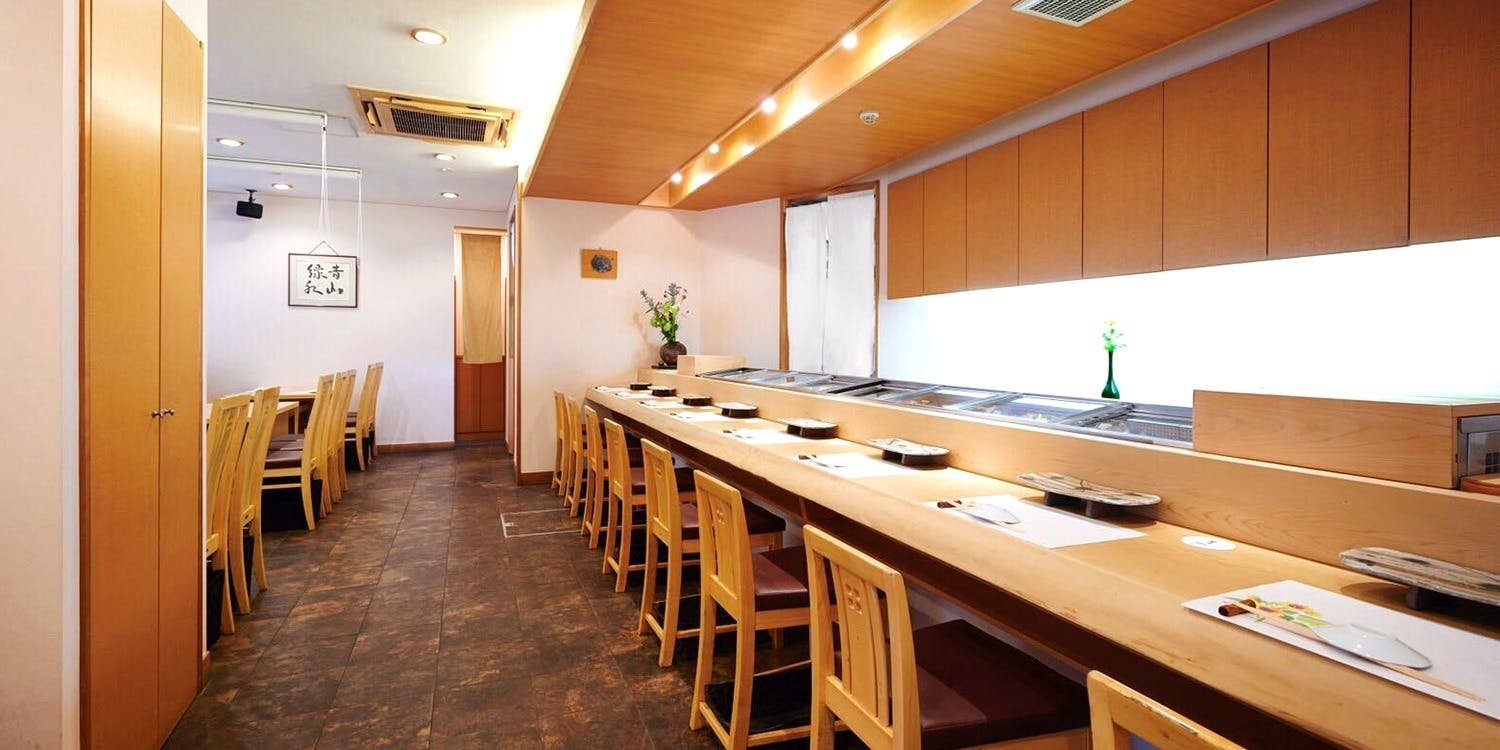
A small, classic wagashi shop with a quiet, low-key atmosphere focused on takeaway Japanese sweets rather than sit‑down dining.