
Michelin Plate
Our verdict
A Michelin Plate-recognised wine estate in Bodrum's Çömlekçi quarter, Karnas Vineyards pairs estate-grown wines with farm-to-fork cooking that draws on the peninsula's Mediterranean produce. The kitchen applies modern technique to local ingredients, positioning this as one of the more considered dining addresses on a stretch of coastline where restaurants often lean heavily on scenery over substance.

Pearl is the En Primeur Club membership app, where members save venues, book tables and use the concierge.
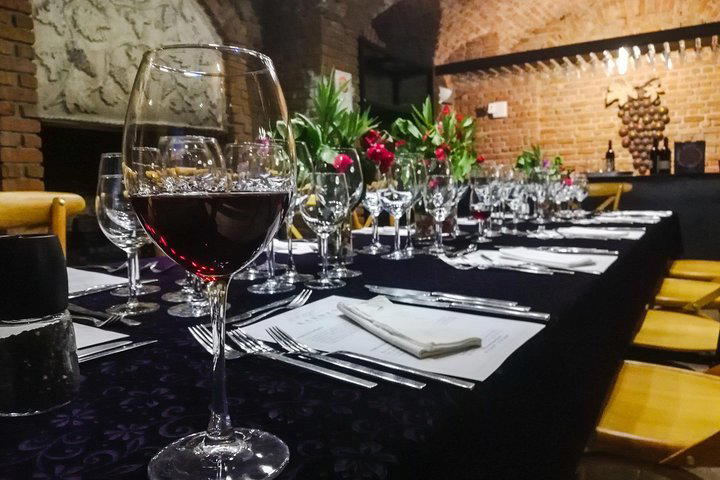
Where the Vines Begin, the Meal Follows
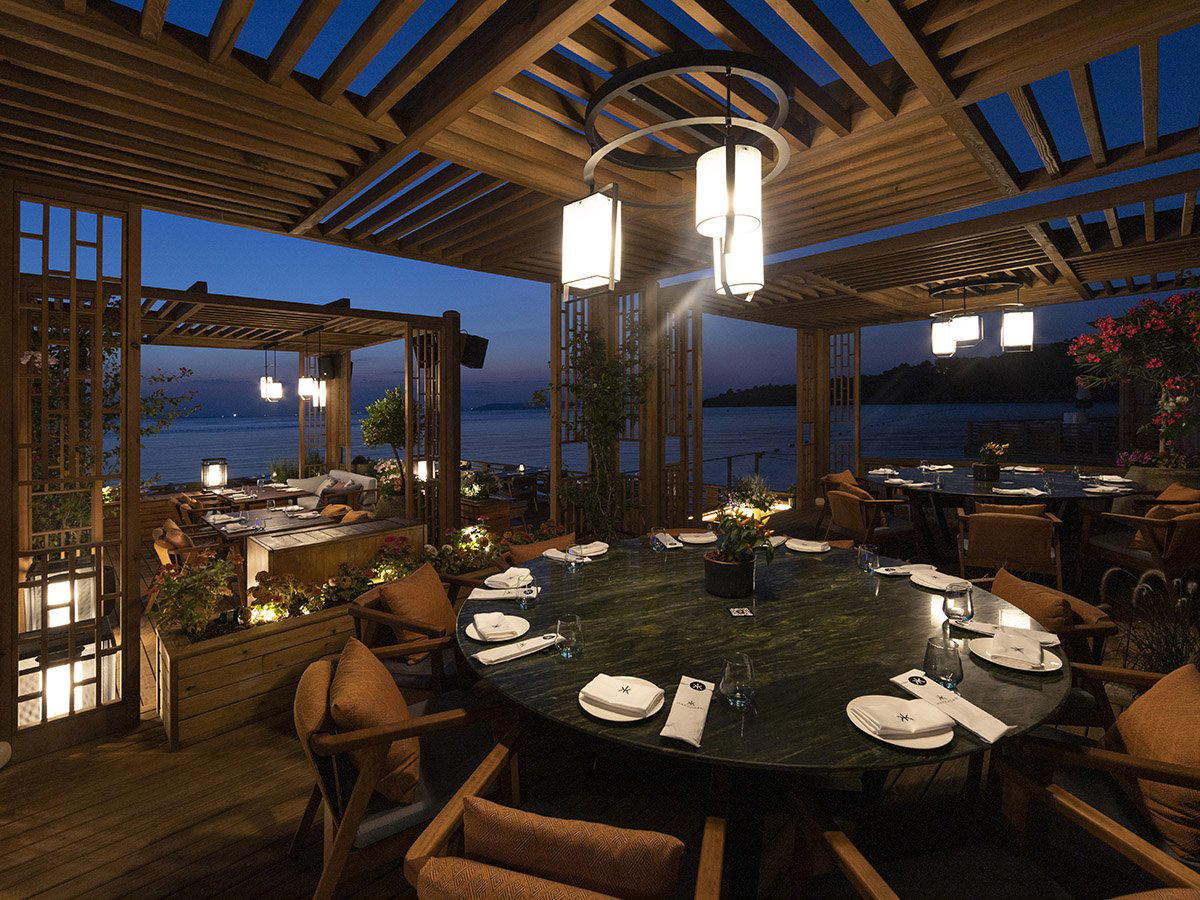
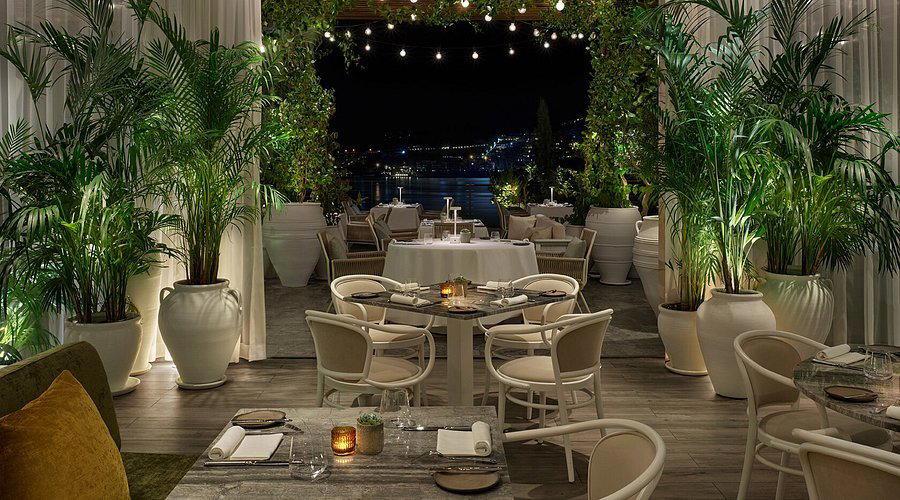
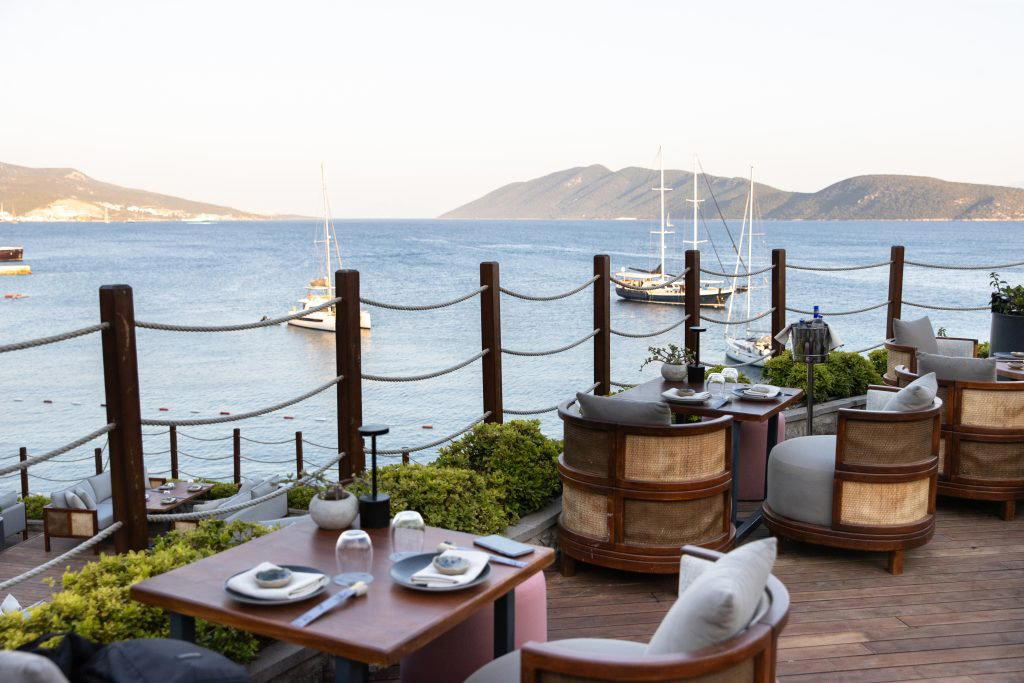
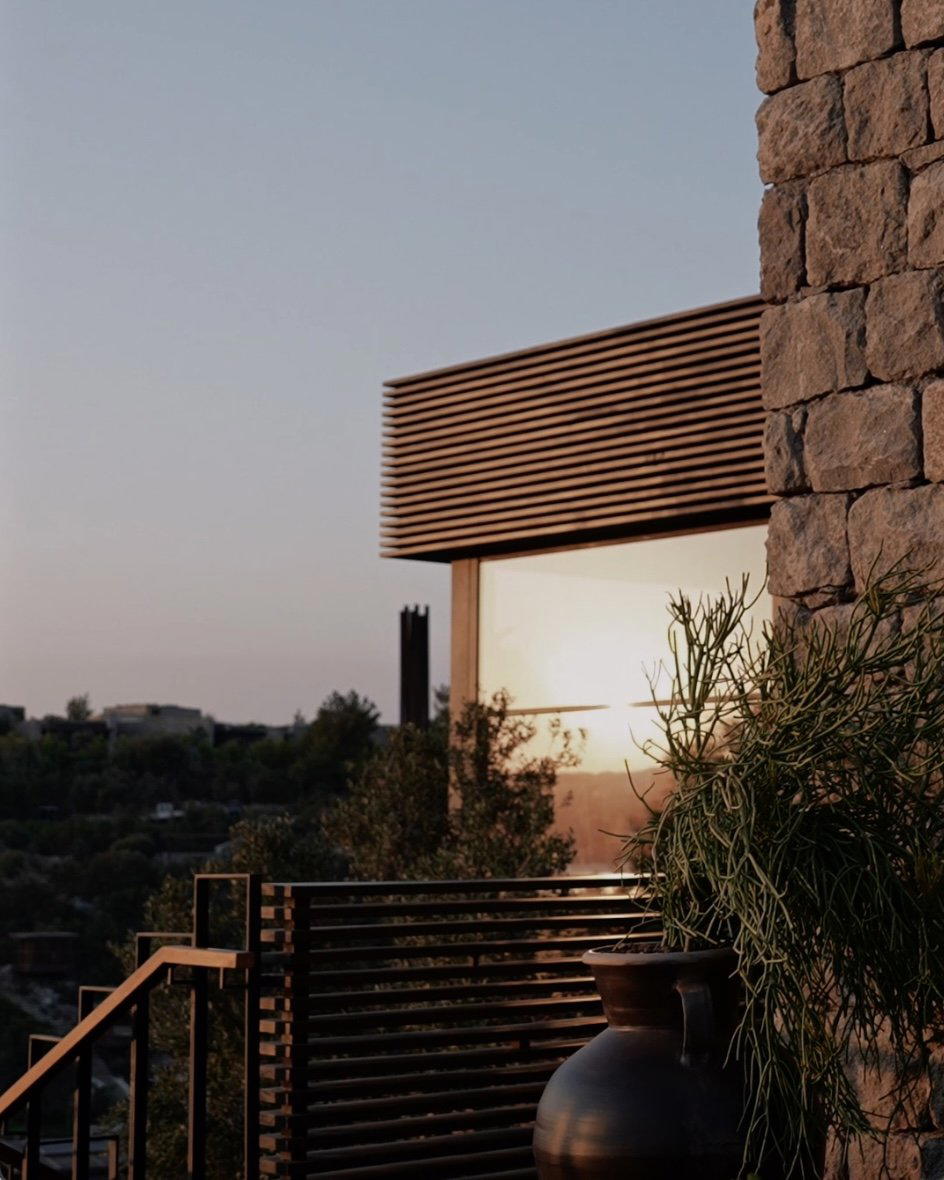
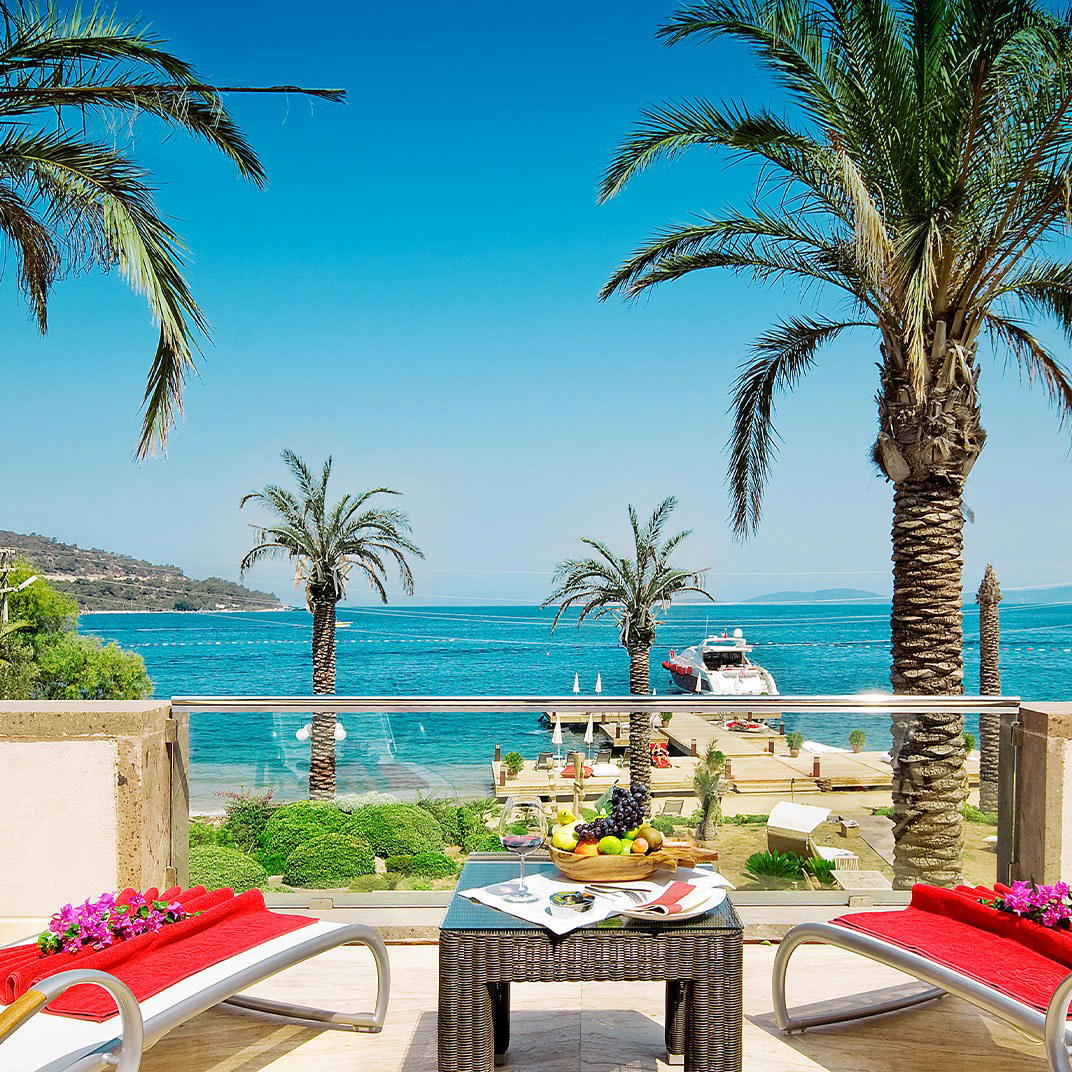
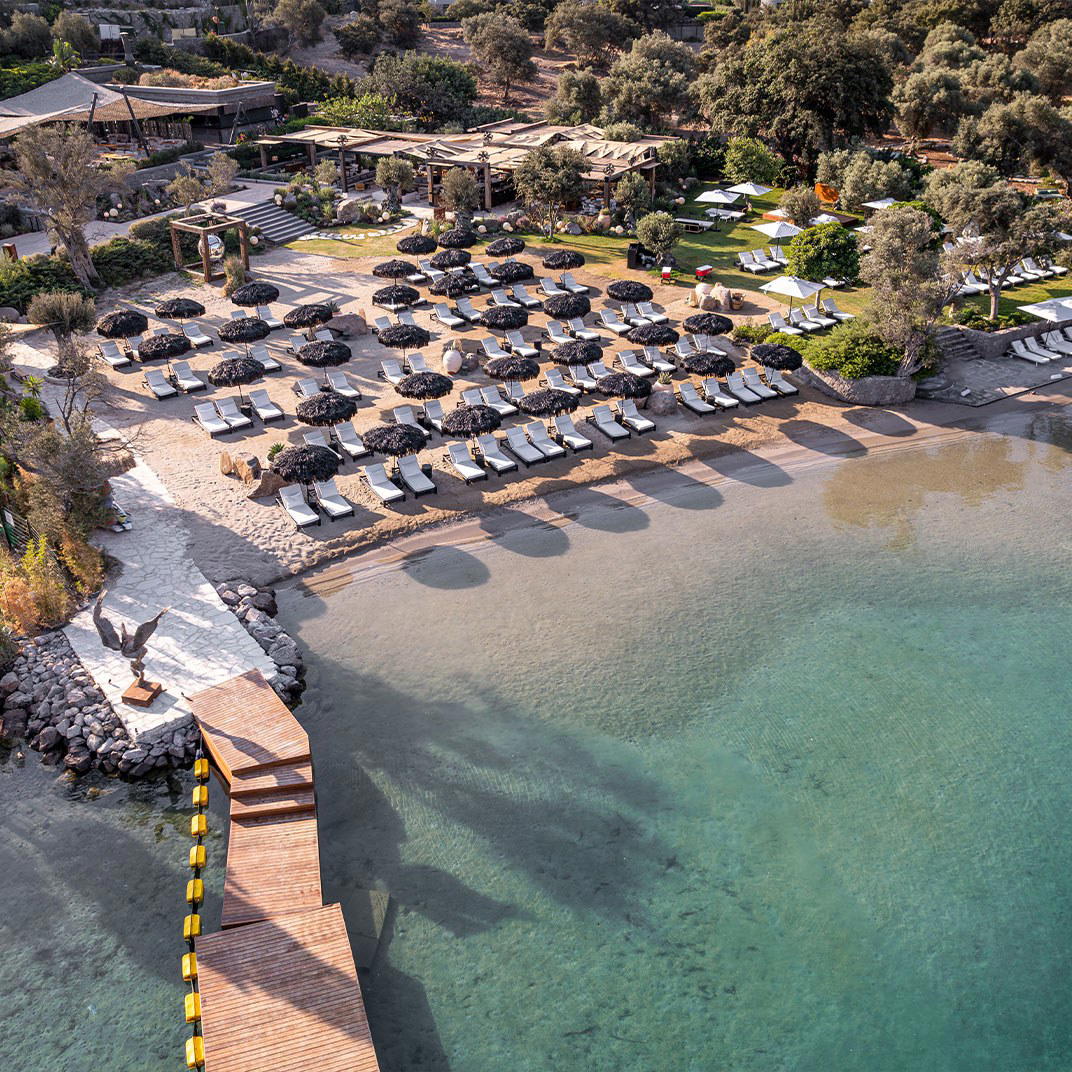
The approach to Karnas Vineyards does a lot of the editorial work before you reach the table. A large ornamental pond with a central fountain marks the entrance to the estate; beyond it, a terrace opens onto rows of vines with the soft, salt-tinged air of the Bodrum peninsula carrying across from the Aegean. This is the kind of setting that Turkey's southwestern coast has long promised but often underdelivered on when it comes to the food that follows. Karnas is one of the places where the kitchen keeps pace with the view.
Bodrum's dining scene has evolved sharply over the past decade. The peninsula spent years as a summer-party destination where restaurants lived or died by their sunset terraces and cocktail lists. A quieter shift has been underway since: a cohort of addresses, from the high-end modern cuisine of Maçakızı down through mid-tier Turkish kitchens like Beynel and produce-led spots like Bağarası, have started treating the peninsula's terroir as the argument rather than the backdrop. Karnas fits inside that shift, with the added dimension of a working vineyard framing every decision on the plate.
Farm-to-Fork as Method, Not Marketing
The phrase farm-to-fork has become so overused that it no longer means anything in most contexts. At Karnas, it carries a more specific set of commitments. The kitchen is run by a chef who sources from her own garden as a baseline, not as an occasional seasonal flourish. Produce that does not come from the estate is sourced locally across the Bodrum peninsula and the wider Muğla region, which gives the menu a regional specificity that is harder to fake than a well-worded menu description.
The cooking style sits at the intersection of traditional Turkish technique and modern plating discipline. A documented dish from the kitchen illustrates the approach: pan-fried sea bass, caught locally at close to peak freshness, is combined with braised seaweed, mandarin marmalade, a butter oil emulsion, and lime zest. That combination reads as a set of deliberate decisions about acidity, fat, and brine rather than fusion for its own sake. It connects to a broader movement in Turkish fine dining, visible at addresses like Turk Fatih Tutak in Istanbul and Narımor in Izmir, where chefs are reinterpreting Anatolian and Aegean ingredients through a contemporary lens rather than replicating them in a folkloric register.
Michelin Plate recognition in 2025 confirms the kitchen's technical standing without placing it in the starred tier occupied by Kitchen by Osman Sezener at ₺₺ or Maçakızı at ₺₺₺₺. Karnas sits at ₺₺₺, pricing against the middle-to-upper band of Bodrum's serious dining options and aligning with the proposition that estate-grown wine, garden produce, and Michelin-level cooking can occupy the same table at a mid-luxury price point.
The Sweet Register: Dessert and Pastry in the Turkish Aegean
Turkey's dessert tradition is one of the most geographically layered in the eastern Mediterranean. Baklava carries strong Gaziantep provenance; knafeh pulls toward the Arab southeast; Turkish delight, in its more refined iterations, belongs to a confectionery tradition that predates the republic. Along the Aegean coast, however, the dessert register is softer and more fruit-forward, shaped by access to figs, pomegranates, quince, and citrus from the surrounding orchards.
At an estate like Karnas, where the chef's garden supplies the kitchen and mandarin zest appears in a main course, the dessert course becomes an extension of the same sourcing logic. The citrus thread running through the sea bass dish, that lime zest and mandarin marmalade, suggests a kitchen that thinks about sweetness and acidity as continuous rather than as separate chapters of a meal. In a region where the local equivalent of a sweet finish more often means a piece of lokum with a thimble of Turkish coffee, a kitchen that builds Aegean citrus and estate-grown produce through from first course to last represents a meaningful divergence from the regional norm.
Elsewhere across Turkey's contemporary dining scene, that dessert seriousness is increasingly present. Aravan Evi in Ürgüp works with Cappadocian ingredients in a similar holistic frame; 7 Mehmet in Antalya has long made Taurus produce the spine of its menu. Along the Bodrum peninsula, Dereköy Lokantası and Agora Pansiyon in nearby Milas represent the more traditional end of Muğla's kitchen output, where the dessert course stays close to its Ottoman and village roots. Karnas occupies the space between those poles.
The Vineyard Dimension
Bodrum's wine identity has been developing in earnest for roughly two decades. The peninsula's climate, warm days, cooling Aegean breezes, and volcanic-influenced soils, supports a range of varieties including indigenous Turkish grapes alongside international plantings. Karnas approaches its wine production as part of the same estate-wide philosophy that governs the kitchen: what grows here shapes what appears on the table. Visiting the estate means being able to sample wines in the context of their landscape, which is a different experience from reading a wine list in a hotel restaurant. For a broader picture of where Karnas sits in Bodrum's producer landscape, the full Bodrum wineries guide covers the peninsula's other estate and producer options.
Planning a Visit
Karnas Vineyards is located in the Çömlekçi quarter of Bodrum, at Sokak No:400. Given its Michelin Plate status and limited estate capacity, booking ahead is advisable, particularly during the summer season from June through September when the Bodrum peninsula draws its heaviest visitor traffic. The terrace setting makes late afternoon and evening visits the obvious choice, when light on the vines shifts and the temperature drops to something more comfortable than midday.
For parallel dining options across the peninsula, the full Bodrum restaurants guide maps the broader field. Those planning a longer stay can use the Bodrum hotels guide, bars guide, and experiences guide to build out the surrounding itinerary. For Turkish dining outside the peninsula, Ahãma in Göcek and 29 in Istanbul represent the range of what contemporary Turkish kitchens are producing at the higher end, while dede in Baltimore shows how far the diaspora conversation has travelled.
Frequently asked questions
What's the pricing like at Karnas Vineyards?
Pricing at Karnas Vineyards is listed as ₺₺₺.
Has Karnas Vineyards won any awards?
Karnas Vineyards has received recognition including: As soon as you drive onto this family-owned wine estate, you sense that something special is about to happen. The large pond with its fountain draws the eyes, and the terrace overlooking the vines has a delightful Mediterranean feel – it's ….
What do regulars order at Karnas Vineyards?
The kitchen's documented centrepiece is pan-fried sea bass with braised seaweed, mandarin marmalade, a butter oil emulsion, and lime zest, a dish that earned a Michelin Plate in 2025 and reflects the chef's approach of reframing local ingredients through precise technique. The produce often comes directly from the estate's own garden, which keeps the menu tied to what is seasonal and available rather than fixed year-round.
What part of town is Karnas Vineyards in?
Karnas Vineyards is located at Çömlekçi, Sokak No:400, Bodrum, 48400, Türkiye, Bodrum.
Do I need a reservation for Karnas Vineyards?
Yes. Karnas holds a 2025 Michelin Plate, and the terrace capacity at this estate in Çömlekçi is inherently limited, outdoor vineyard seating does not scale the way a city restaurant can. Booking ahead is the practical move, particularly during Bodrum's peak summer months when demand across the peninsula runs high.
What It’s Closest To
| Venue | Cuisine | Price | Awards | Notes |
|---|---|---|---|---|
| Karnas VineyardsThis venue (the venue you are viewing) | Turkish Farm-to-Table with Wine Pairing | $100–150 | Michelin Plate | Not listed |
| Maçakızı | Modern Aegean | $150–200 | 1 Michelin Star · World's 50 Best #96 | Modern Cuisine, ₺₺₺₺ |
| Kitchen By Osman Sezener | Contemporary Turkish Coastal Cuisine | $150–200 | 1 Michelin Star · Gault & Millau Türkiye 2 Toques | Modern Cuisine, ₺₺ |
| Arka Ristorante Pizzeria | Neapolitan Pizza Trattoria | $10–20 | Michelin Bib Gourmand | Not listed |
| Beynel | Traditional Turkish Meze & Kebab | $20–30 | Michelin Bib Gourmand | Not listed |
| İki Sandal | Traditional Turkish Meyhane | $20–30 | Michelin Bib Gourmand | Not listed |
Recognition history
Dated appearances from independent guides and award organizations, with the underlying list record or original source where available.
Michelin Plate
Michelin
Full recognition history (2 entries)
Michelin Plate
Michelin
Continue exploring
More in Bodrum
Restaurants in Bodrum
All restaurants in Bodrum →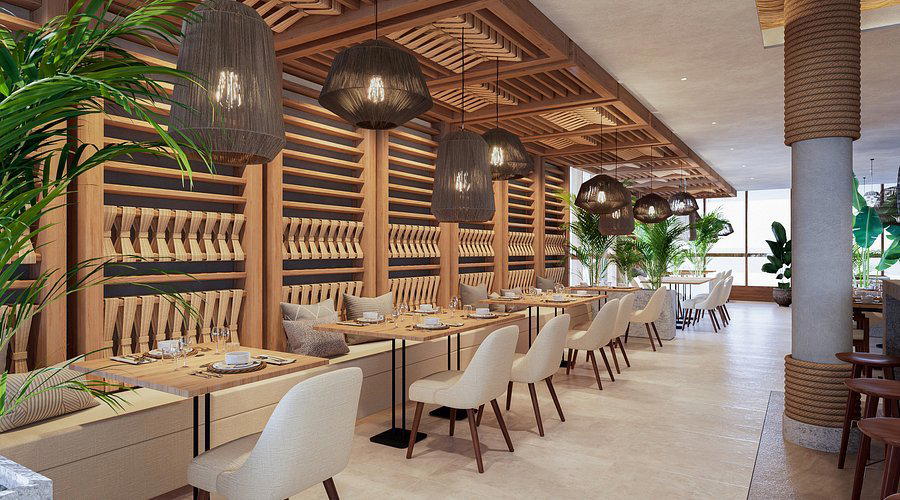
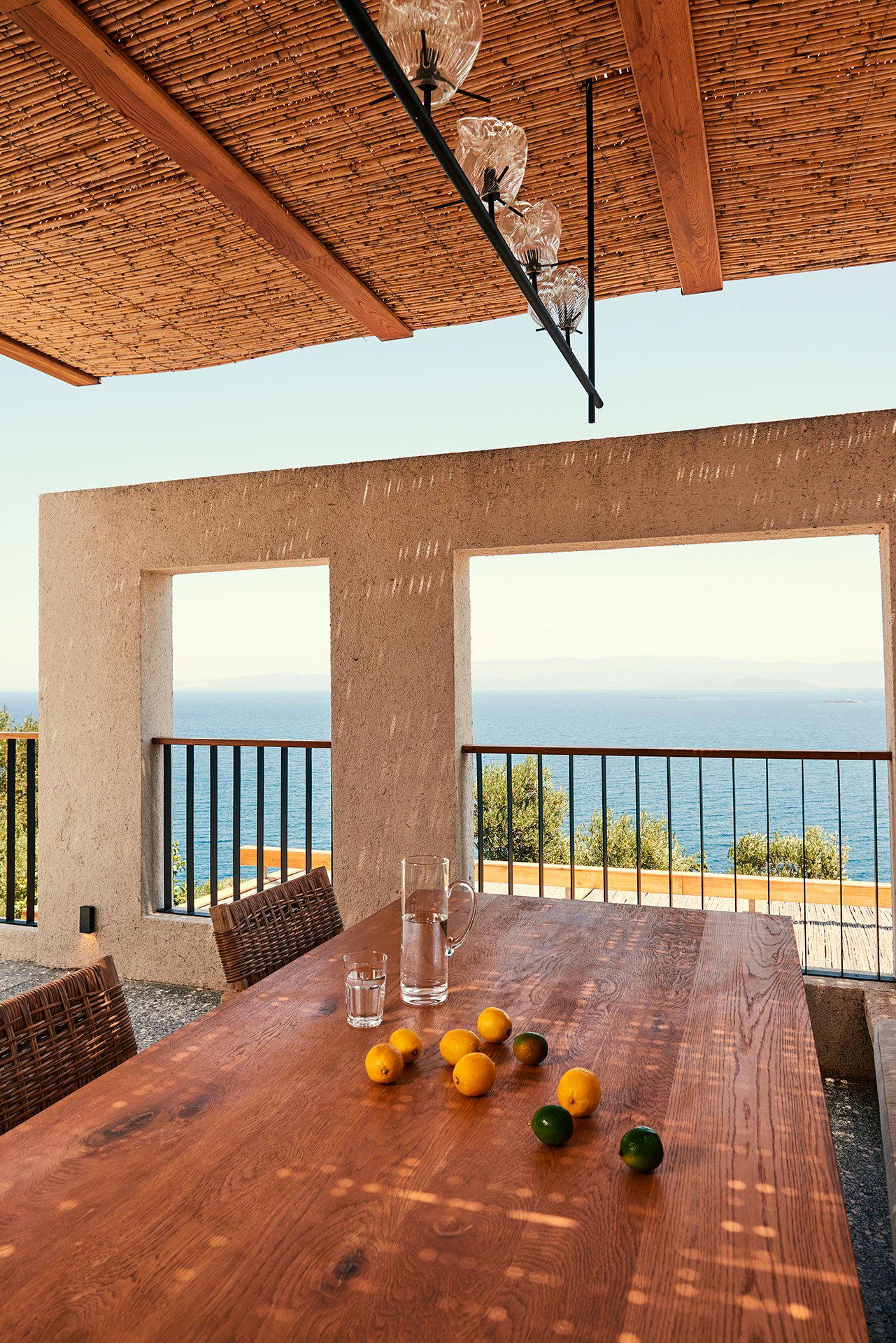
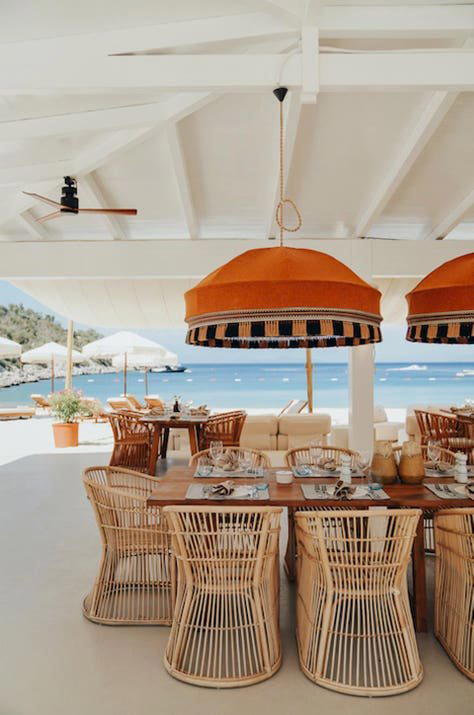
Karnas Vineyards
The wine
- Wine program
- Deep wine list
- Extensive wine list
Details
- Scenic
- Romantic
- Rustic
- Elegant
- Cozy
- Date Night
- Celebration
- Special Occasion
- Wine Cellar
- Terrace
- Extensive Wine List
- Farm To Table
- Local Sourcing
- Vineyard
- Mountain
- Garden
- A La Carte
- Zinfandel
- Syrah
- Vegetarian Friendly
Romantic outdoor terrace overlooking vines, mountains, and a pond with soothing music, ducks, and cats, creating an idyllic, serene Mediterranean atmosphere.