

Michelin Plate · Gault & Millau Türkiye 2 Toques
Our verdict
Hakkasan Bodrum brings Cantonese cooking to the Aegean peninsula, operating from Gölköy with consecutive Michelin Plate recognition in 2024 and 2025. In a resort town where grilled fish and meze set the standard, this is a deliberate outlier: a full-service Chinese kitchen positioned at the upper-mid price tier, drawing a clientele that treats Bodrum summer as an occasion for something beyond the local.

Pearl is the En Primeur Club membership app — saves, bookings, and concierge access live there. Same editors, same standards.
- Address
- Gölköy, 314 Sokak No.10, 48483 Bodrum/Muğla, Türkiye
- Phone
- +90 252 311 26 49
- Hours
- Daily 6 PM–1 AM
- Website
- mandarinoriental.com
- Directions
- Get directions
- Booking
- Book on OpenTable
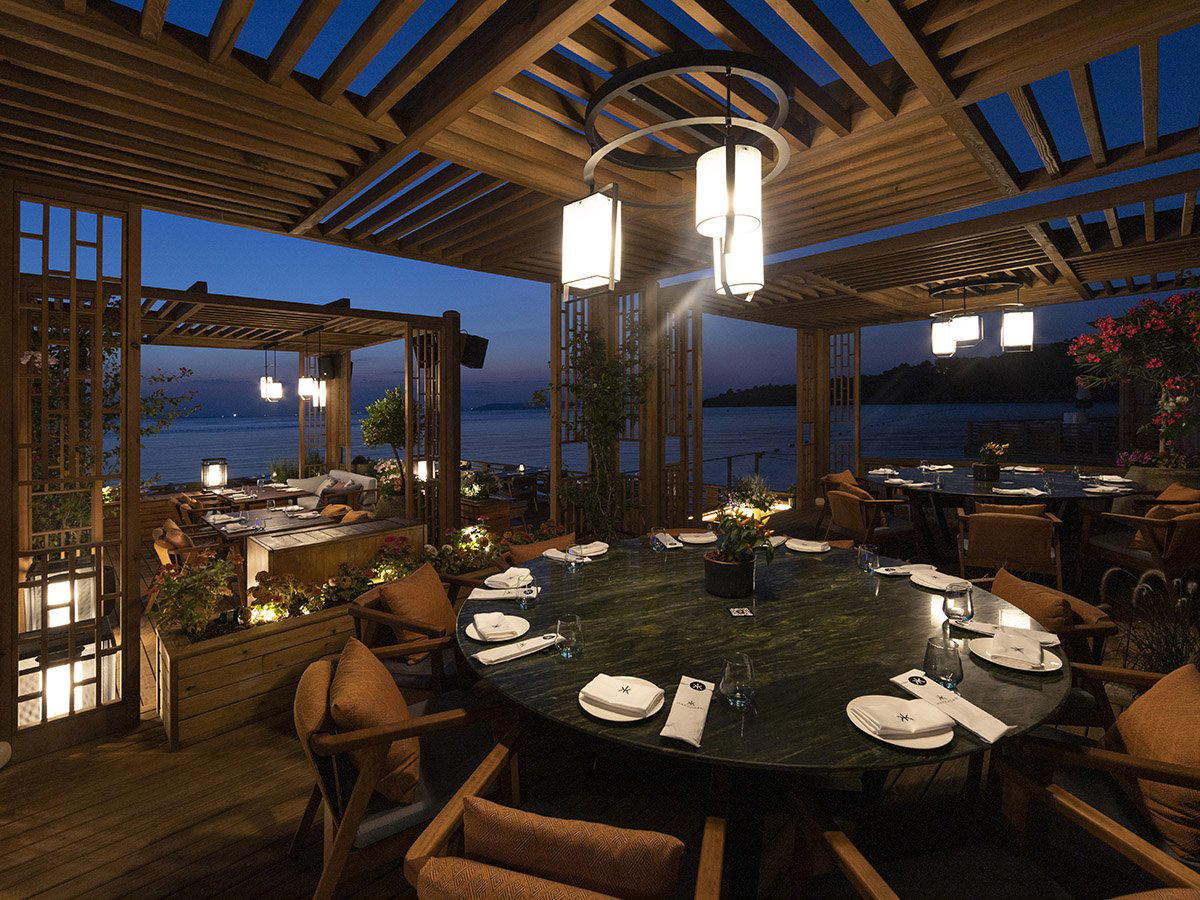
Cantonese on the Aegean: Where Hakkasan Bodrum Sits in the Season
Summer in Bodrum runs on a particular rhythm: whitewashed terraces, cold rosé, fish pulled from the same waters you swam in that afternoon. The restaurant scene is shaped almost entirely by that logic, with meze culture and grilled seafood accounting for the vast majority of serious dining. Against that backdrop, a Cantonese kitchen operating at the Michelin Plate level in Gölköy is not a small anomaly. It is a genuinely different proposition, and understanding what it offers requires stepping back from the local default entirely.
Hakkasan as a brand occupies a specific position in global luxury dining: Cantonese technique delivered in high-design rooms, in cities where Chinese fine dining is not the expected offer. The Bodrum outpost follows that template, bringing the same category logic to a Turkish resort context that has historically had no frame of reference for it. The address in Gölköy, on 314 Sokak, places it slightly apart from the most congested stretches of the peninsula, which affects the arrival experience and the kind of evening it supports.
The Cantonese Kitchen and What It Means Here
Cantonese cuisine, in its serious form, is built on restraint: clean stocks, precise heat control, ingredients treated to express rather than obscure their character. This is not the Sichuan-led spice register that has come to define popular perceptions of Chinese cooking in many Western markets. At the highest tier of Cantonese cooking, from 102 House in Shanghai to Chef Tam's Seasons in Macau, the emphasis falls on technique, sourcing, and a kitchen discipline that is closer in philosophy to kaiseki than to casual Chinese dining. Hakkasan has always positioned itself as the category's accessible luxury entry point in markets where that upper tier does not exist.
That context matters in Bodrum, because the local dining conversation is largely conducted in a different register entirely. Maçakızı, the peninsula's Michelin-starred modern cuisine address, works with Mediterranean and Anatolian ingredients through a contemporary lens. Kitchen by Osman Sezener occupies the modern cuisine space at a lower price point. Barbarossa and Bağarası remain within the Mediterranean and Turkish frameworks. Arka Ristorante Pizzeria serves the Italian end of the resort-town internationalist spectrum. None of these address the same culinary tradition as Hakkasan Bodrum, which means the venue exists without a direct local competitor and prices accordingly at the ₺₺₺ tier.
Tea as a Structural Element, Not an Afterthought
One of the features that consistently separates serious Cantonese dining from its casual counterpart is the treatment of tea. In a traditional Chinese tea service, the pot arrives before food, varieties are selected to complement what follows, and refills are managed throughout the meal rather than treated as a beverage footnote. Pu-erh, tieguanyin, longjing, and white teas each carry different tannin structures, astringency levels, and aromatic profiles, and a kitchen that understands this will steer guests toward pairings that cut through the fat of roasted meats or lift the delicacy of steamed preparations. In a resort setting where most dining revolves around wine selected from a short seasonal list, a considered tea programme represents a genuinely different approach to the table.
Hakkasan's global identity has always incorporated this dimension. Whether it translates fully to the Bodrum operation is not verifiable from available data, but the brand architecture consistently presents tea as an integral component rather than an optional extra. For a diner arriving from a long afternoon of Aegean heat, a well-selected cold brew or a pot of lightly oxidised oolong at the start of a meal functions differently to a glass of wine: it resets the palate and frames what follows. That's not a philosophical position so much as a physiological one.
Recognition and Where It Places the Room
The Michelin Plate, awarded in both 2024 and 2025, signals that Michelin's inspectors consider the kitchen to be producing cooking that merits attention, even if it has not crossed into starred territory. In Turkey's growing Michelin footprint, which has expanded its coverage to include Istanbul and Bodrum among others, a Plate award in a resort-season market is a meaningful data point. It places Hakkasan Bodrum above the unmarked field while remaining below the starred tier occupied by Maçakızı on the peninsula itself.
For comparison, venues with sustained Plate recognition across consecutive years have generally maintained consistent kitchen output rather than coasting on a single strong season. Two consecutive awards suggest the operation is not purely dependent on summer tourist volume but is maintaining a standard the inspectors consider worth noting year-on-year. That kind of consistency in a seasonal market, where kitchen teams often rotate significantly between summers, is not a given.
Elsewhere in Turkey, the Michelin-recognized landscape includes Turk Fatih Tutak in Istanbul at the starred level and Narımor in Izmir among recognized addresses further along the Aegean coast. 7 Mehmet in Antalya covers the southern Mediterranean stretch.
Visiting: What to Know Before You Go
Hakkasan Bodrum operates seasonally, aligned with the Bodrum summer calendar that runs roughly from late spring through early autumn. The Gölköy location, at 314 Sokak No.10, sits within the quieter northern arc of the peninsula rather than the Bodrum town centre, which makes it a destination rather than a casual drop-in. For readers planning the wider peninsula, our [full Bodrum restaurants guide]() covers the full field, and the [Bodrum hotels guide](), [bars guide](), [wineries guide](), and experiences guide round out the stay. The ₺₺₺ price positioning places it in the upper-mid tier for Bodrum dining, below the starred-restaurant ceiling but above the casual meze circuit. Booking ahead is advisable during peak summer weeks; the venue's format and price point attract a clientele with planned rather than spontaneous dining habits.
Readers with a specific interest in regional discoveries elsewhere in Turkey's southwest might also consider Ahãma in Göcek, Agora Pansiyon in Milas, or further afield, Aravan Evi in Ürgüp for a different regional register entirely.
Frequently asked questions
Is Hakkasan Bodrum award-winning?
Hakkasan Bodrum has received recognition including: Michelin Plate (2025); Michelin Plate (2024).
What dish is Hakkasan Bodrum famous for?
What is documented is that Hakkasan Bodrum runs a Cantonese kitchen, a cuisine defined by clean stocks, precise heat control, and ingredient-led cookery. Michelin's inspectors awarded a Plate in both 2024 and 2025, which reflects consistent kitchen output rather than a single standout dish.
Is Hakkasan Bodrum expensive?
Pricing at Hakkasan Bodrum is listed as ₺₺₺.
Do they take walk-ins at Hakkasan Bodrum?
No booking policy is publicly confirmed in available venue records. Given the Michelin Plate recognition across two consecutive years and Bodrum's compressed summer season, walk-in availability during peak months is likely limited. Contacting the Gölköy location directly is advisable before arriving without a reservation.
What has Hakkasan Bodrum built its reputation on?
Hakkasan Bodrum has positioned itself as Bodrum's only serious Cantonese kitchen, operating in a resort town where the default dining register runs toward Turkish seafood and mezes. Michelin's Plate recognition in 2024 and again in 2025 confirms the kitchen is producing cooking that inspectors consider worthy of attention, placing it in a distinct category relative to the broader Bodrum restaurant scene.
Peers You’d Cross-Shop
| Venue | Cuisine | Price | Awards | Notes |
|---|---|---|---|---|
| Hakkasan BodrumThis venue — the venue you are viewing | Modern Cantonese | Not listed | Michelin Plate · Gault & Millau Türkiye 2 Toques | Not listed |
| Maçakızı | Modern Aegean | $150–200 | 1 Michelin Star · World's 50 Best #96 | Modern Cuisine, ₺₺₺₺ |
| Kitchen By Osman Sezener | Contemporary Turkish Coastal Cuisine | $150–200 | 1 Michelin Star · Gault & Millau Türkiye 2 Toques | Modern Cuisine, ₺₺ |
| Arka Ristorante Pizzeria | Neapolitan Pizza Trattoria | $10–20 | Michelin Bib Gourmand | Italian, ₺ |
| Beynel | Traditional Turkish Meze & Kebab | $20–30 | Michelin Bib Gourmand | Turkish, ₺₺ |
| İki Sandal | Traditional Turkish Meyhane | $20–30 | Michelin Bib Gourmand | Traditional Cuisine, ₺₺ |
Recognition history
Dated appearances from independent guides and award organizations, with the underlying list record or original source where available.
Michelin Plate
Michelin
Gault & Millau Türkiye 2 Toques
Gault & Millau · Gault & Millau Türkiye 2026 - 2 Toques
Full recognition history (3 entries)
Michelin Plate
Michelin
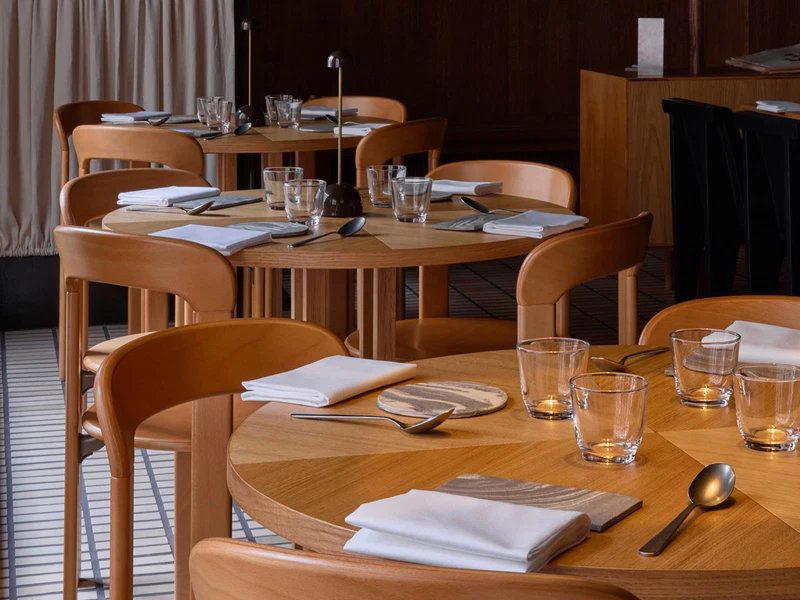
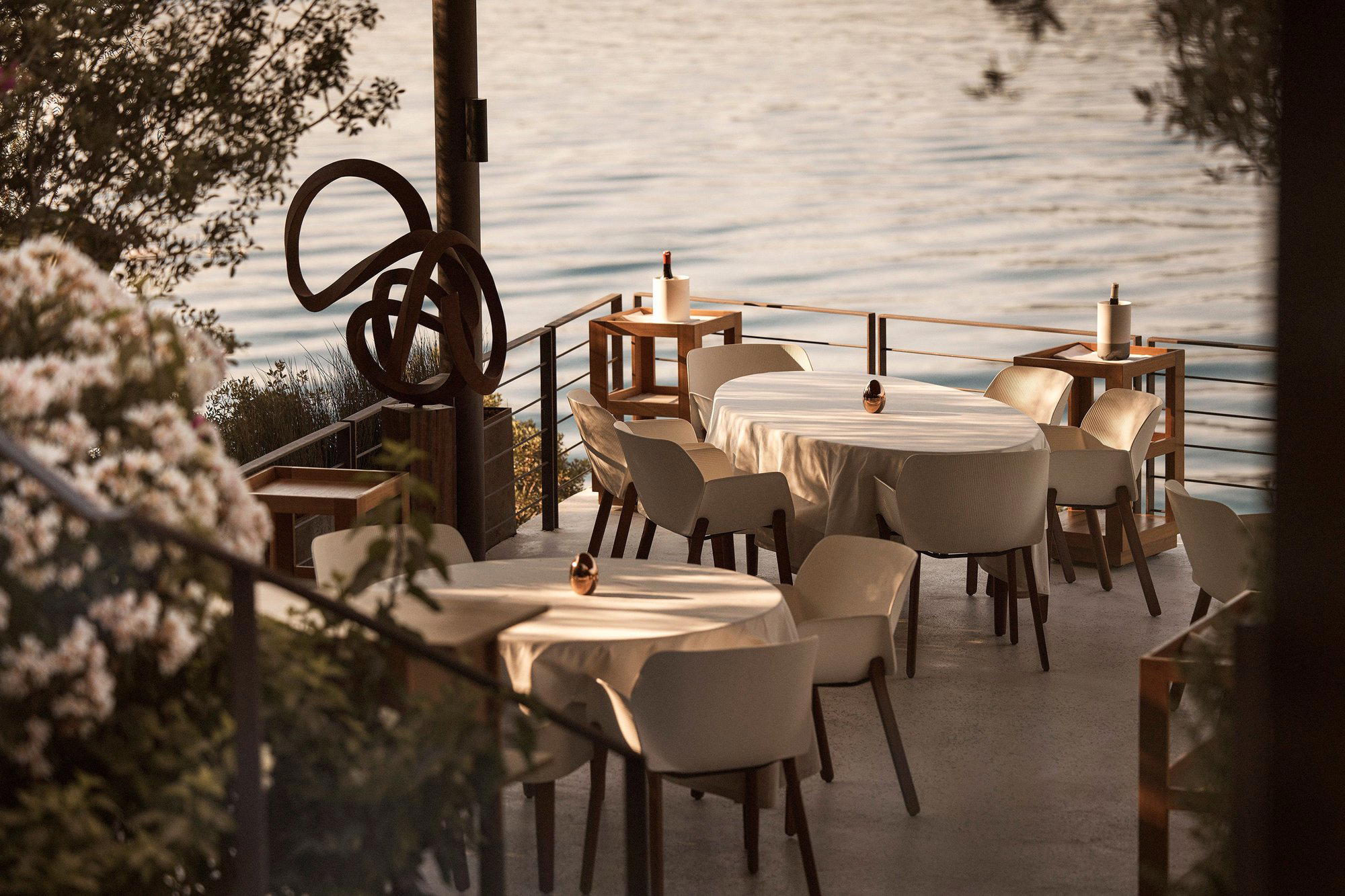
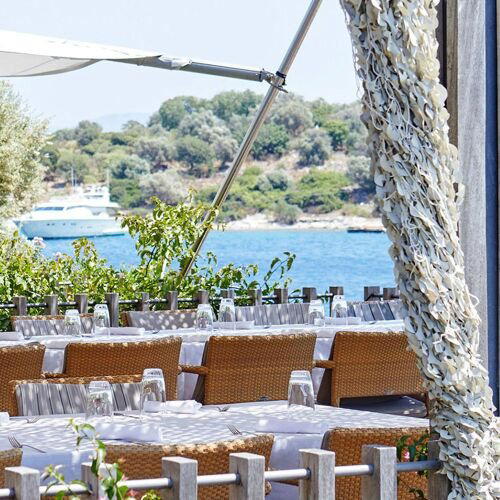
Hakkasan Bodrum
The wine
- Wine program
- Exceptional wine program
- Extensive wine list
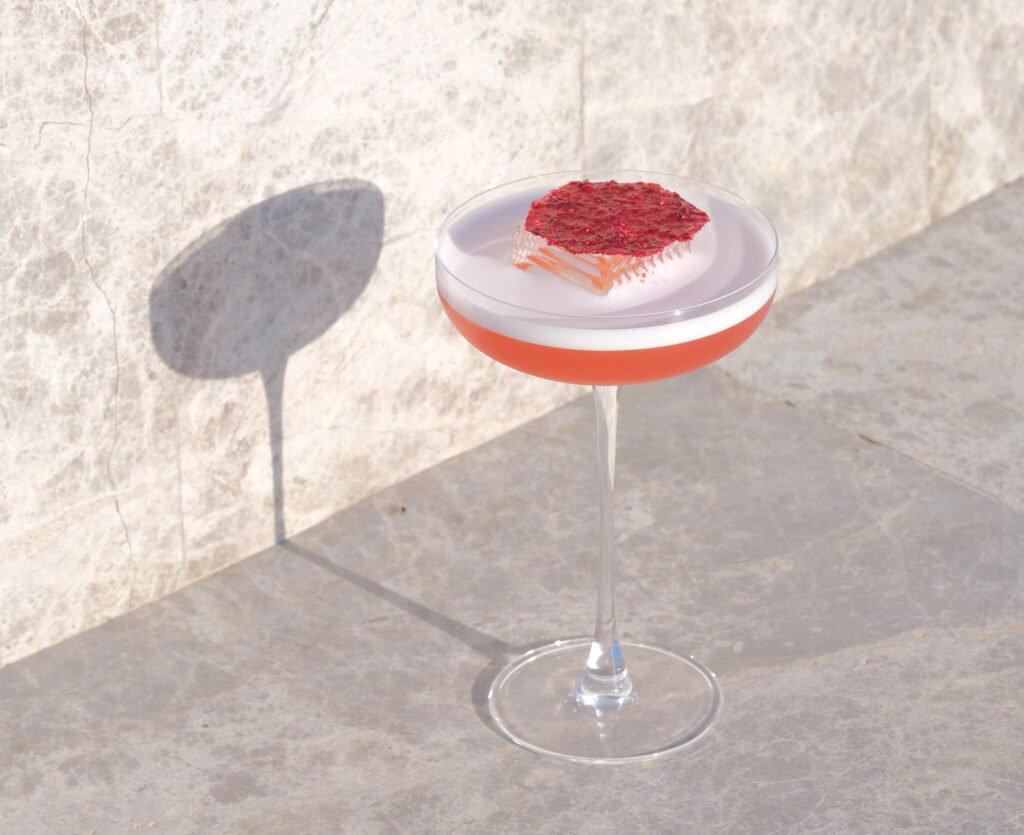
- Craft cocktails
Details
- Elegant
- Sophisticated
- Ornate
- Date Night
- Special Occasion
- Waterfront
- Terrace
- Hotel Restaurant
- Craft Cocktails
- Extensive Wine List
- Waterfront
- A La Carte
Current opening hours
- Monday
- 6 PM–1 AM
- Tuesday
- 6 PM–1 AM
- Wednesday
- 6 PM–1 AM
- Thursday
- 6 PM–1 AM
- Friday
- 6 PM–1 AM
- Saturday
- 6 PM–1 AM
- Sunday
- 6 PM–1 AM
Hours can change for holidays and private events. Last verified .
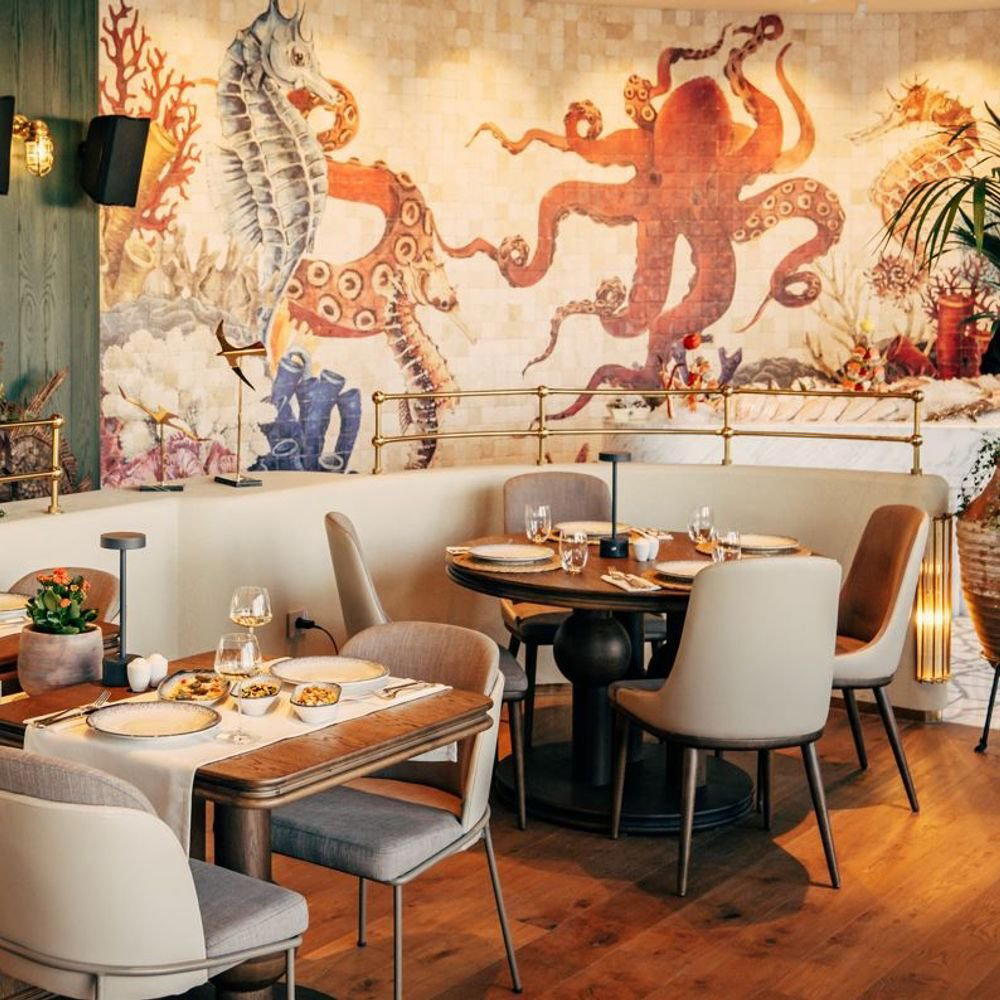
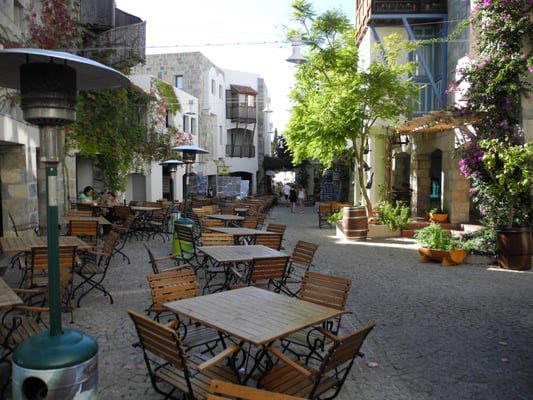
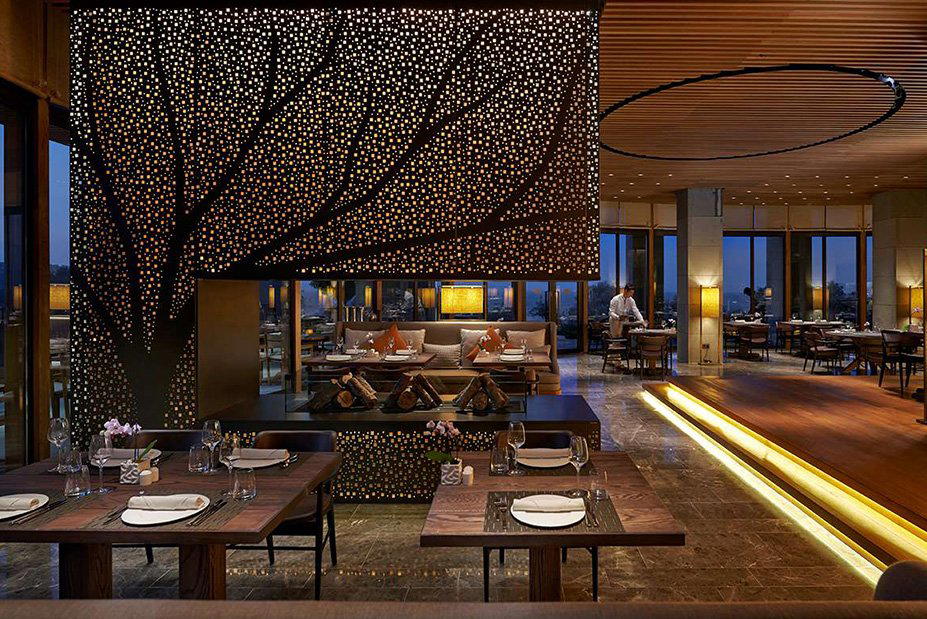
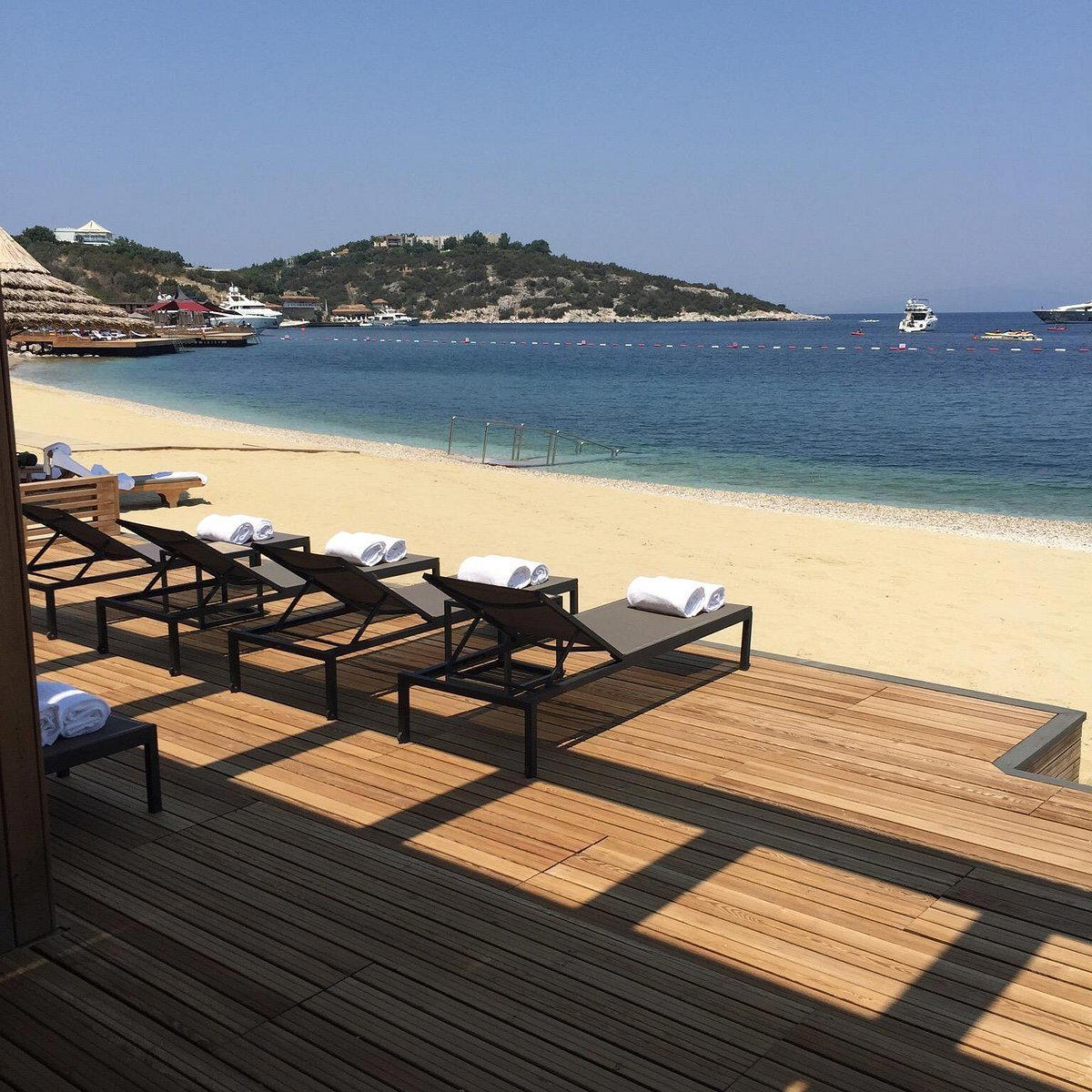
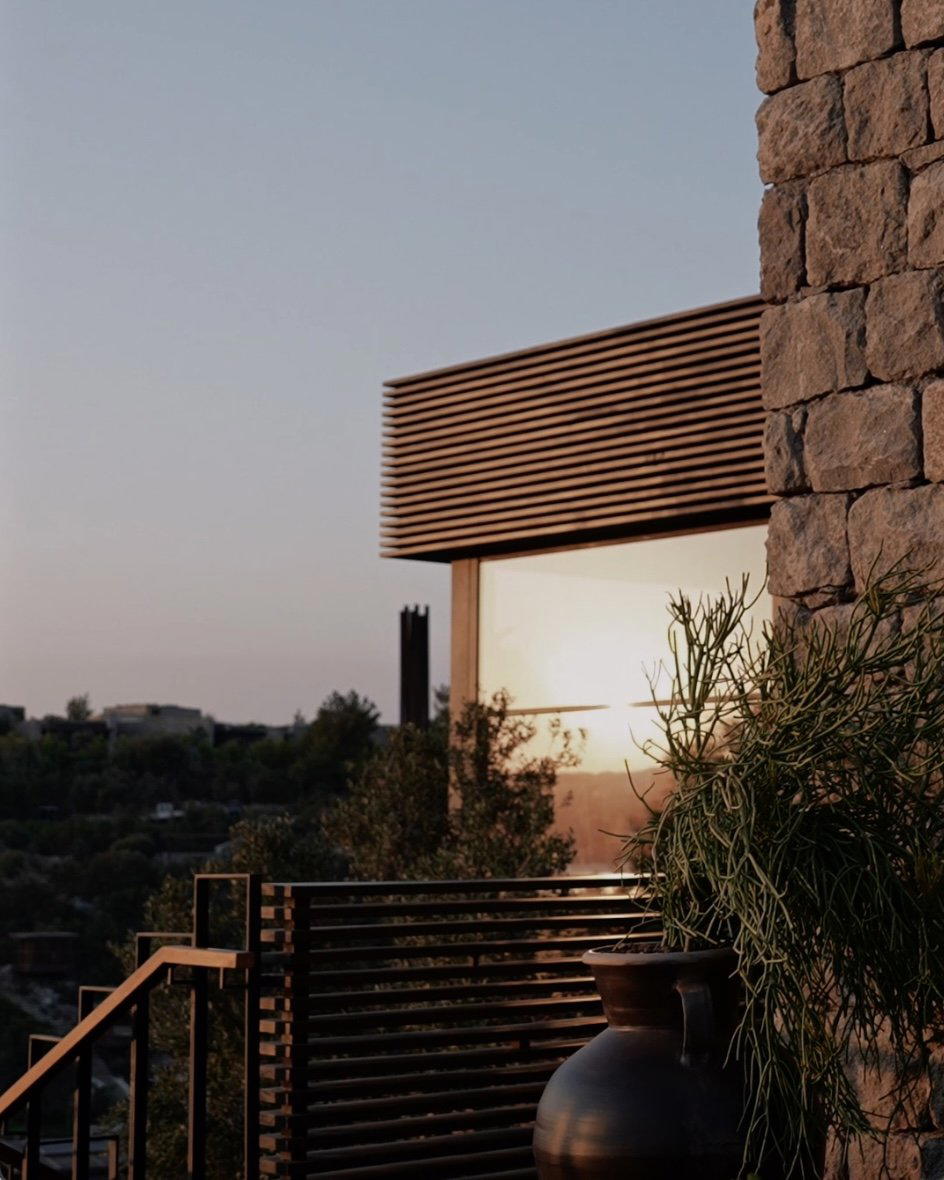
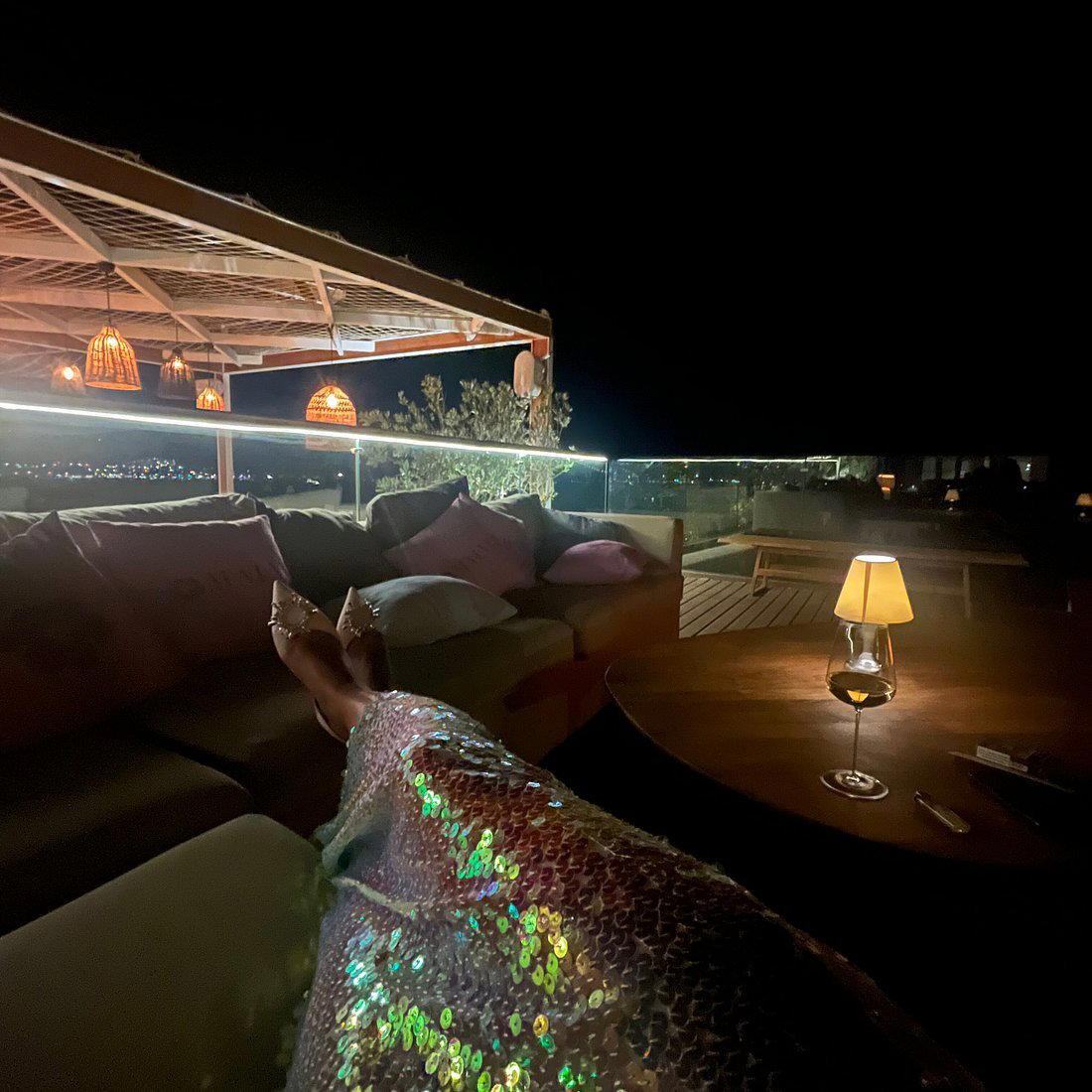
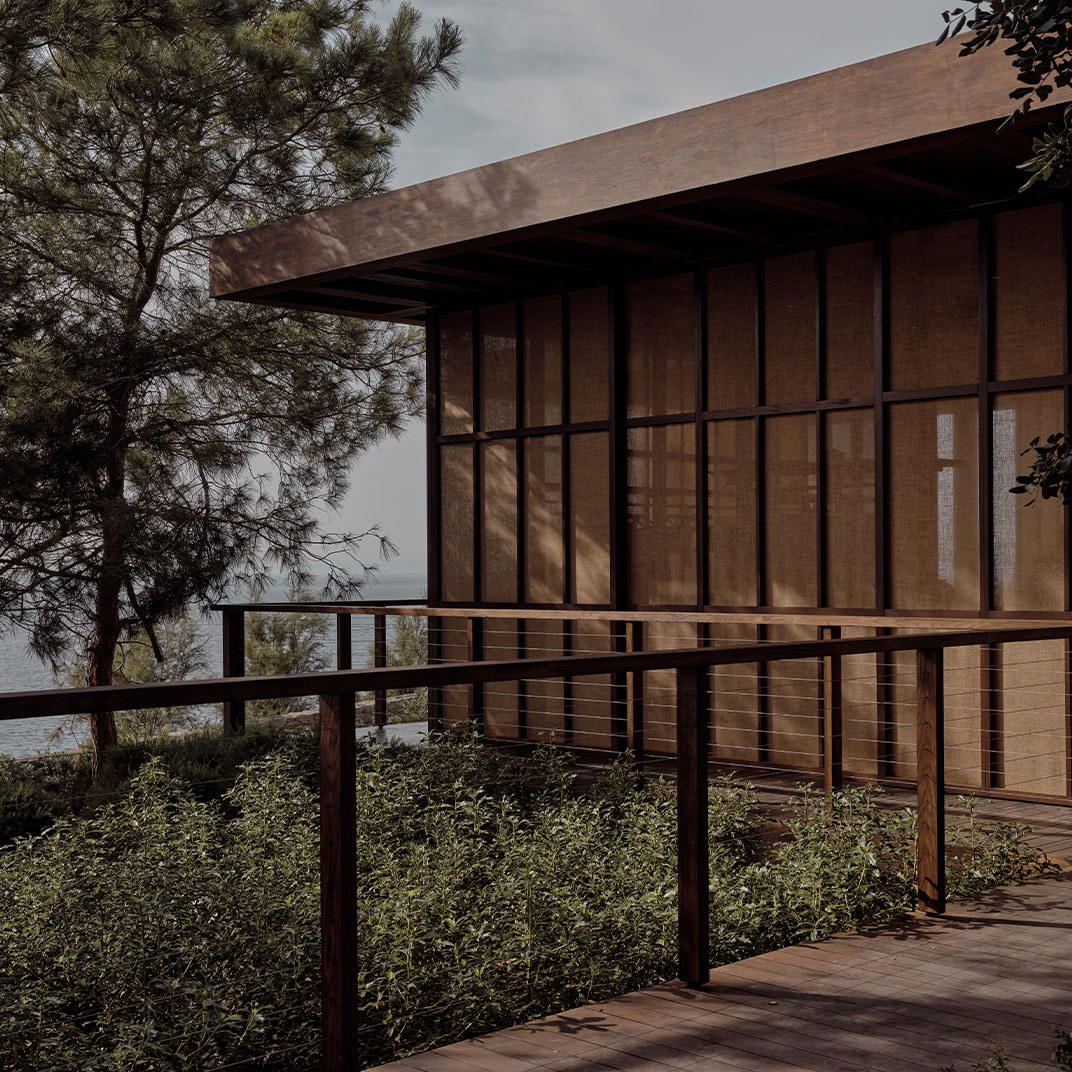
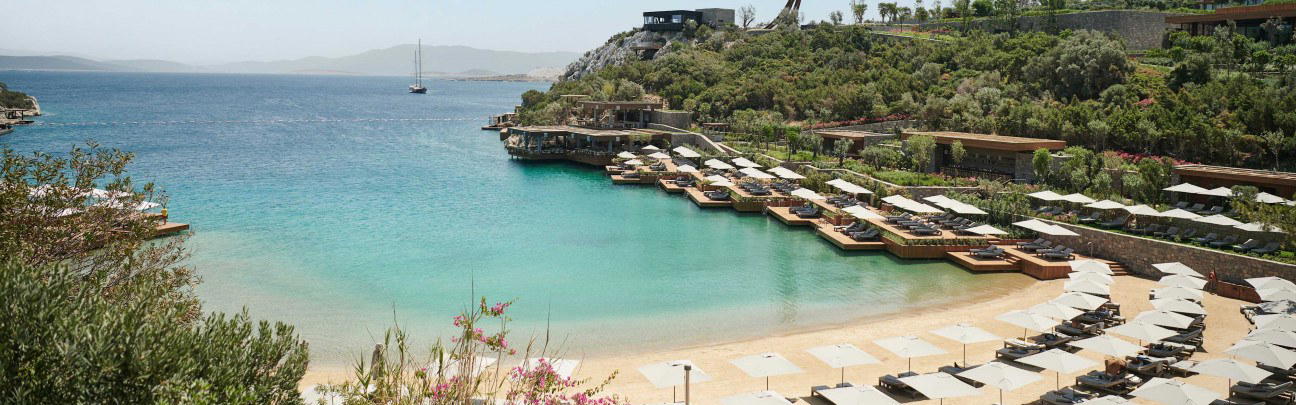
Elegant dining space with wood finishes, nautical-inspired decor blending modern Chinese aesthetic with local Bodrum elements, against a glistening sea backdrop.