
Tabelog 100 #75
Our verdict
Kapo Choryumon places Cantonese and dim sum cooking inside Ginza’s polished department-store dining circuit, a setting where comfort, private rooms, and multilingual service matter as much as kitchen credentials. Its Tabelog 100 Chinese cuisine TOKYO 2026 selection, 40-seat scale, fish-focused cooking, and BYO policy put it in a practical luxury bracket rather than the hushed counter-dining lane.

Pearl is the En Primeur Club membership app, where members save venues, book tables and use the concierge.
The menu
What to order
- Goldfish-shaped dumplings (金魚の姿揚げ)
- Braised shark fin with hua diao wine
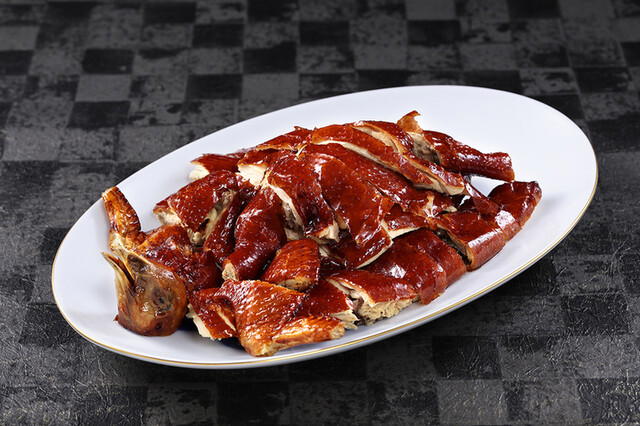
- Crispy chicken (signature Hong Kong-style)
- Braised sea cucumber dishes
Tokyo dining often signals itself before the first course: polished lift lobbies, quiet corridors, shopping bags under banquettes, and rooms tuned for conversation over spectacle. Kapo Choryumon belongs to this Tokyo premium mode, where Chinese cooking is judged by consistency, comfort, and the kitchen’s ability to carry lunch and dinner without turning formal service into theatre.
The setting matters. Tokyo has long absorbed imported cuisines into a Japanese register of order and precision, and Chinese cooking fits that grammar in a way that can feel composed rather than showy. Dim sum, shared dishes, and attentive service suit a city where meals often sit between shopping, family obligations, business entertaining, and late-afternoon appointments. The restaurant’s 2026 selection from Tabelog’s Chinese category gives it a public marker in a competitive field spanning polished dining rooms and independent Chinese specialists.
Tokyo Chinese dining without the counter-restaurant script
Tokyo’s premium restaurant culture is often framed through sushi, tempura, and kaiseki counters, but its Chinese tier follows different social rules: more group-friendly in spirit, often more conversational, and less dependent on chef-facing choreography. Kapo Choryumon’s Chinese, dim sum and yum cha classification puts it in that lane, closer to polished occasion dining than narrow omakase.
That distinction helps travellers choose a serious Tokyo meal. Tempura Yamanoure sits within a single-discipline Japanese tradition, while Tsukushi Rou Ginza ten speaks to another kind of Tokyo expense-account meal. Kapo Choryumon is more flexible as a category choice: formal enough for planning, broad enough for mixed generations, and anchored by Chinese cooking rather than the ritual minimalism behind much of the city’s international reputation.
The food identity is Chinese, with dim sum and yum cha included in the official category. That framing prizes timing, texture, and dishes that can work across the table rather than only as a one-person sequence. The result is not sloganized fusion, but a local dining category: Chinese dishes in a setting attuned to Japanese pacing and a more measured style of dining.
Why the Tabelog 100 signal matters in this category
Tabelog’s Chinese cuisine TOKYO 2026 list is a useful filter because Tokyo Chinese restaurants do not all compete for the same diner. Some are everyday noodle and set-meal addresses; some are grand dining rooms; others trade on regional specificity or wine-friendly tasting formats. A Tabelog 100 selection places Kapo Choryumon among recognised Tokyo Chinese addresses, not just convenient Tokyo restaurants. Its Tabelog score of 3.76 is another data point, though the award signal carries more editorial weight for visitors who do not closely follow local review culture.
The 2026 recognition gives the listing a clear public reference point. In a city where new openings crowd attention, that kind of selection matters. It suggests the room and kitchen have earned notice within a crowded local field, especially in Tokyo, where rent, competition, and diner expectations are unforgiving.
The published budget also clarifies the intended audience. Dinner is listed at JPY 15,000 - JPY 19,999, while lunch is listed at JPY 5,000 - JPY 5,999. That is not an everyday drop-in signal; it makes the restaurant practical for planned meals, celebrations, and hosts wanting a recognised Chinese format with enough range to suit different occasions.
How to read it against Tokyo's wider dining map
For visitors building a Tokyo itinerary, Kapo Choryumon is most useful when a polished city meal is already in the day. It requires less mental preparation than a sushi or tempura counter and handles more dining situations. Comparison names such as Azabu Kyutoku, 寿司 健, Japanese Restaurant "Ginza Tsuru" Tokyo / Wagyu Shabu-shabu & Sukiyaki, and Tempura Yamanoure show choices travellers often face: Japanese formality, beef-led comfort, single-craft specialization, or a Chinese room structured for a serious evening.
That broader map matters. Tokyo rewards category thinking more than checklist dining. Other casual, specialist, café, yakitori, seafood, charcoal, and nightlife-led dining rooms solve different needs. Kapo Choryumon sits in another register: recognised Chinese dining for travellers who want a planned meal without defaulting to a counter or a single-craft format.
Travellers extending the same editorial lens across Japan and beyond can compare how format changes by city: beef-led dining, café culture, contemporary dining, Vietnamese cooking, specialist curry, and smaller-format dining all answer different travel needs. Outside Japan, Japanese drinking and rice formats show how familiar ideas translate into other cities without carrying the same local context.
The editorial case for Kapo Choryumon is not that every Tokyo visitor needs another reservation. It is that Chinese dining in Tokyo deserves judgment by its own format: group suitability, room control, service flexibility, and recognition within a crowded local category. On those terms, this is useful for travellers wanting Tokyo polish without committing the evening to a silent counter or single-ingredient Japanese tradition.
Frequently asked questions
Is Kapo Choryumon better for a quiet night or a lively one?
It suits a more measured dinner better than a high-energy one. The appeal is structured around Chinese dining, dim sum and yum cha, and recognised Tokyo restaurant quality rather than nightlife energy. Its Tabelog 100 Chinese cuisine selection for 2026 adds weight without changing that format.
Is Kapo Choryumon expensive?
Dinner at Kapo Choryumon is listed at JPY 15,000 - JPY 19,999, while lunch is listed at JPY 5,000 - JPY 5,999.
What is Kapo Choryumon known for?
Kapo Choryumon is known as a Tokyo Chinese restaurant in the dim sum and yum cha category, with a 2026 Tabelog 100 Chinese cuisine TOKYO selection and a Tabelog score of 3.76.
A Lean Comparison
Comparable venues to place this listing in its category.
| Venue | Cuisine | Price | Awards | Notes |
|---|---|---|---|---|
| Kapo ChoryumonThis venue (the venue you are viewing) | Modern Cantonese & Dim Sum in Ginza Six | $50–100 | Tabelog 100 #75 | Not listed |
| 寿司 健 | High-End Edo-Mae Sushi Omakase | $300–500 | Black Pearl 1 Diamond | Not listed |
| Japanese Restaurant "Ginza Tsuru" Tokyo / Wagyu Shabu-shabu & Sukiyaki | Japanese Wagyu Shabu-Shabu & Sukiyaki | $150–200 | Not listed | Not listed |
| Tempura Yamanoure | Tempura | Not listed | Not listed | Not listed |
| Tsukushi Rou Ginza ten | Luxury Chinese shark fin specialist | $100–150 | Tabelog 100 #92 | JPY 30,000 - JPY 39,999 JPY 8,000 - JPY 9,999 |
Recognition history
Dated appearances from independent guides and award organizations, with the underlying list record or original source where available.
Tabelog 100 #75 · No. 75
Tabelog · Tabelog 100 - Chinese cuisine - TOKYO - 2026
Continue exploring
More in Tokyo
Restaurants in Tokyo
All restaurants in Tokyo →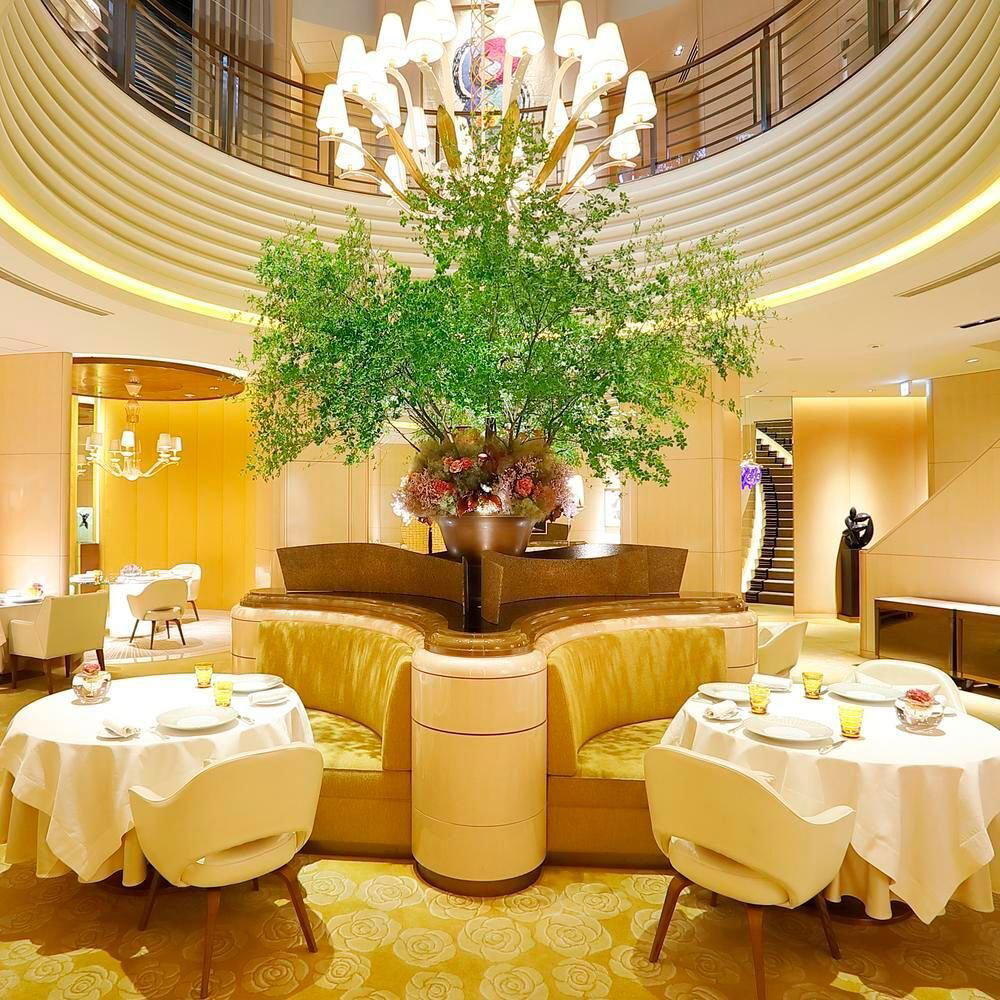

Bars in Tokyo
All bars in Tokyo →
Details
- Elegant
- Modern
- Sophisticated
- Business Dinner
- Special Occasion
- Group Dining
- Date Night
- After Work
- Celebration
- Private Dining
- Design Destination
- Standalone
- Corkage Allowed
- A La Carte
- Small Plates
- Set Menu
- Wine
- Chinese Tea
- Beer
- Allergy Accommodating
Current opening hours
- Monday
- 11 AM–3 PM, 5:30–9:30 PM
- Tuesday
- 11 AM–3 PM, 5:30–9:30 PM
- Wednesday
- 11 AM–3 PM, 5:30–9:30 PM
- Thursday
- 11 AM–3 PM, 5:30–9:30 PM
- Friday
- 11 AM–3 PM, 5:30–9:30 PM
- Saturday
- 11 AM–3 PM, 5:30–9:30 PM
- Sunday
- 11 AM–3 PM, 5:30–9:30 PM
Hours can change for holidays and private events. Hours as of .
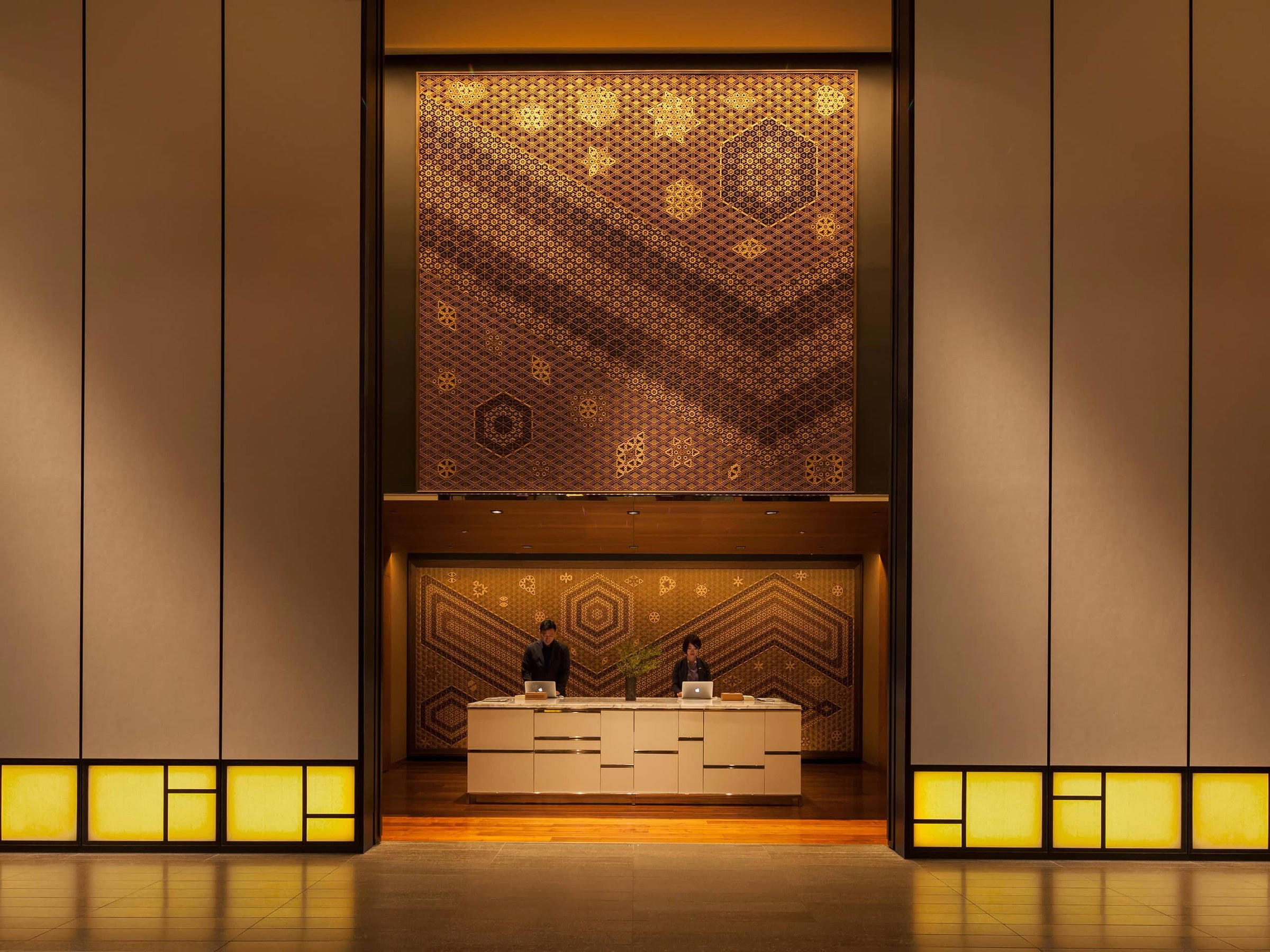
Elegant, modern interior within Ginza Six, with comfortable tables and sofa seating and a calm, refined atmosphere suited to business and special-occasion dining rather than a noisy banquet hall.