Kaoru Sushi
Kaoru Sushi occupies a strip-mall suite at 3288 Pierce St in Richmond, California, operating within a Bay Area corridor where Japanese dining ranges from quick-service ramen to counter omakase. The restaurant sits in Richmond's mixed commercial fabric, where community-oriented Japanese kitchens serve a different function than the trophy dining rooms across the bay in San Francisco.
Pearl is the En Primeur Club membership app — saves, bookings, and concierge access live there. Same editors, same standards.
- Address
- 3288 Pierce St # A107, Richmond, CA 94804
- Phone
- (510) 280-5079
- Website
- kaorumenu.com
 Saves & bookings on Pearl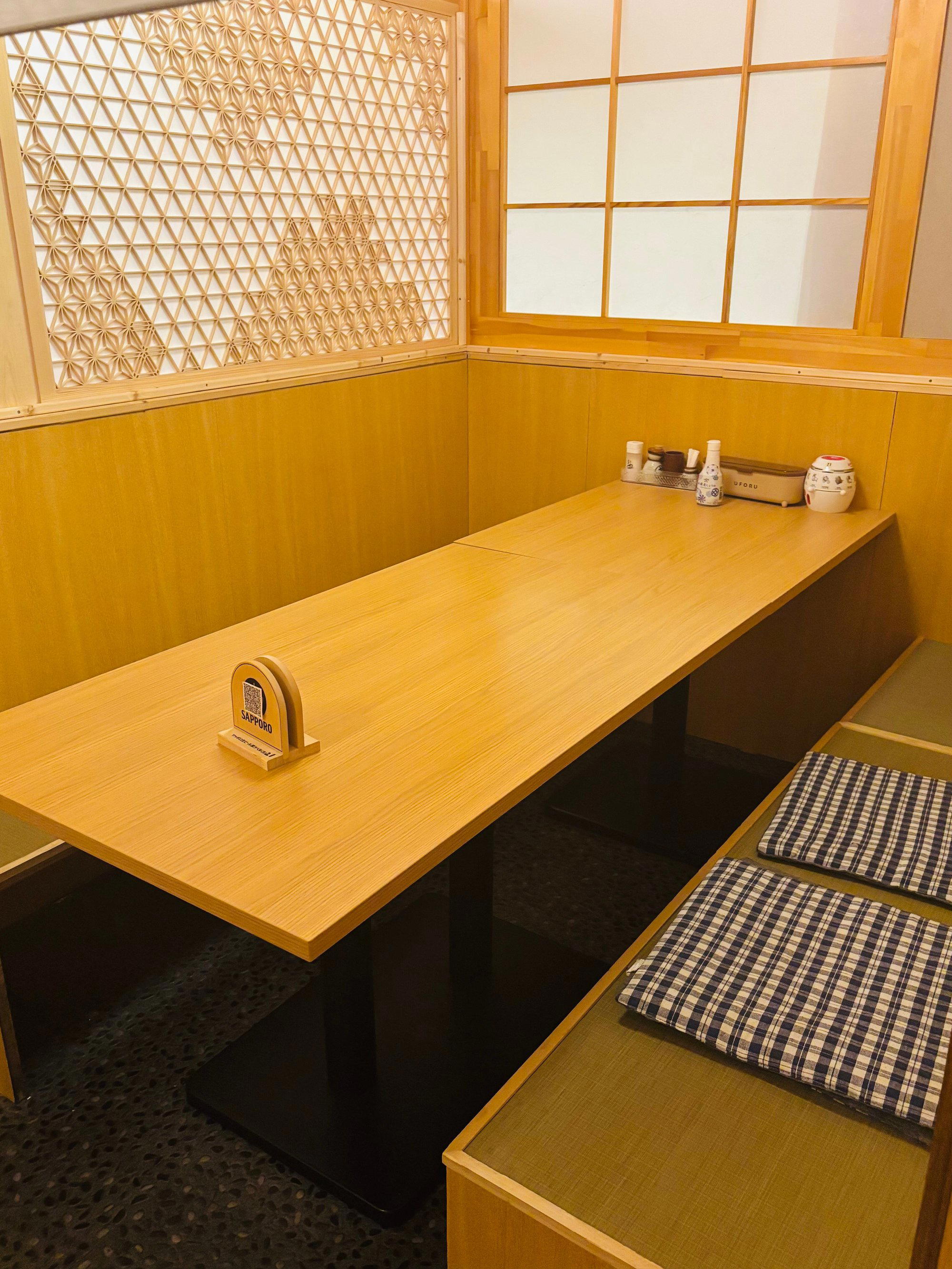
Richmond's Japanese Dining in Context
The East Bay's Japanese restaurant scene has long operated in the shadow of San Francisco's more celebrated Japanese corridors, but that positioning has advantages. Venues in Richmond and its neighbors tend to serve returning locals rather than destination tourists, which shapes kitchens differently than the omakase counters of the Tenderloin or the ramen flagships of Japantown. Kaoru Sushi, at 3288 Pierce St in Richmond's commercial grid, occupies this community-facing tier: a neighborhood address rather than a dining-room destination engineered for out-of-town visitors.
Japanese cuisine in the Bay Area carries layered cultural weight. The region has one of the largest Japanese-American populations outside Hawaii, rooted in pre-war settlement patterns that survived internment and reshaped postwar Californian food culture. That history is not abstract in the East Bay. It surfaces in the institutional memory of certain family-run kitchens, in the relationship between Japanese and Japanese-American cooking traditions, and in the difference between restaurants built for community continuity and those built for culinary spectacle. Understanding where any individual Japanese restaurant sits on that spectrum tells you more about the food than any single menu item could.
What Draws Diners to This Address
Strip-mall Japanese restaurants in the Bay Area occupy a distinct cultural position. The format, accessible parking, unpretentious entry, compact dining room, is not a concession to budget constraints so much as a statement about who the kitchen is cooking for. Some of the Bay Area's most technically precise Japanese cooking has come out of exactly this kind of setting, where overhead is controlled and the room's sole purpose is to deliver food rather than atmosphere. Chika's address at Pierce St, Suite A107, places it within Richmond's commercial fabric, a city whose dining scene is more functionally oriented than San Francisco's but no less meaningful to the communities it serves.
For comparison, the Bay Area's trophy Japanese tier, which includes multi-course omakase counters that benchmark against destinations like The French Laundry in Napa or Single Thread Farm in Healdsburg in terms of pricing and intention, operates on a different set of signals. Advance booking windows of six to eight weeks, per-person minimums above $200, and chef-driven narrative menus are the vocabulary of that tier. Chika operates in a different register, one where access and regularity matter more than occasion-dining theatrics.
The Cultural Register of Neighborhood Japanese Cooking
Japanese cuisine in the American context has historically been filtered through two distinct pipelines: the kaiseki and sushi traditions that entered fine-dining consciousness through metropolitan venues, and the everyday Japanese-American cooking that sustained communities across the West Coast for generations. The latter pipeline often goes underdiscussed in food criticism, which tends to reward spectacle and tasting-menu ambition over durability and community function.
In cities like Richmond, that everyday register is where most Japanese dining actually happens. Dishes that appear as studied exercises at counter restaurants elsewhere, things like cold soba preparations, properly made dashi, or well-sourced salmon, appear here as regular menu items consumed by regulars who know what they want and return when it is delivered consistently. That consistency, in the context of neighborhood Japanese cooking, is its own form of credibility.
For those who have tracked the formal end of the Japanese dining spectrum, venues like Atomix in New York City represent the point where Japanese technique merges with haute dining architecture. In the Bay Area itself, Lazy Bear in San Francisco illustrates how American fine dining has absorbed Japanese precision into its own idiom. These are reference points for understanding what the formal tier looks like, not comparisons that apply directly to a neighborhood Japanese kitchen in Richmond.
Richmond's Dining Scene and Where Japanese Restaurants Fit
Richmond's restaurant offerings span a wider cultural range than the city's modest dining-press coverage would suggest. Chinese seafood restaurants including venues comparable to Chef Tony Seafood Restaurant and Jade Seafood Restaurant serve a significant Cantonese-speaking population. Chinese BBQ formats similar to HK BBQ Master address a different community habit. Within this context, Japanese restaurants serve a community with specific culinary expectations around freshness, preparation discipline, and ingredient sourcing that differ from the neighboring Chinese and Southeast Asian dining categories.
That specificity matters. Japanese cuisine in America carries expectations around rice quality, fish handling, and the balance between hot and cold preparations that even modest neighborhood venues must meet to retain a loyal diner base. A Japanese restaurant that fails on rice temperature or fish freshness loses regulars quickly in a community where home cooking maintains high standards. The ones that persist do so on consistency, not on novelty.
For a wider view of what the Richmond dining scene covers, the full Richmond restaurants guide maps the range across categories. Other Richmond addresses worth cross-referencing include 4 Stones Vegetarian Cuisine, which handles a different cultural and dietary tradition, Alewife for a contrast in format and style, and 2207 Macdonald and 3200 Rockbridge St for broader local context.
Planning Your Visit
Kaoru Sushi operates at 3288 Pierce St, Suite A107, Richmond, CA 94804, in a commercial strip with on-site parking. Phone and website details were not available at the time of publication; the address is sufficient for mapping and direction purposes.
Seasonally, Japanese restaurant menus in Northern California shift around Pacific fish availability, with winter months typically bringing richer cold-water fish into play and late spring marking the start of lighter preparations. Visiting during these transition periods, when a kitchen's sourcing decisions are most visible, tends to reveal more about a restaurant's actual standards than a midseason visit when the menu is in a settled groove.
Further Afield: The Broader Japanese Dining Reference Set
For readers who use neighborhood Japanese restaurants as a baseline and want to understand the full range of the category in the United States, the formal Japanese-influenced dining tier spans venues like Providence in Los Angeles, which integrates Japanese precision into a California-coastal framework, and Le Bernardin in New York City, where French technique and Japanese fish-handling converge at the highest formal level. On the more explicitly American fine-dining side, Smyth in Chicago, Blue Hill at Stone Barns in Tarrytown, Addison in San Diego, and The Inn at Little Washington represent the institutional fine-dining bracket that contextualizes where the category as a whole is moving. For international perspective, Atelier Moessmer Norbert Niederkofler in Brunico and Emeril's in New Orleans illustrate how different culinary traditions engage with Japanese influence at varying degrees of formal intensity. Additional Richmond area references worth holding alongside a visit to Chika include 8 ½ in The Fan for a sense of the city's wider dining range.
Peers You’d Cross-Shop
Comparable venues nearby, for context on price, style, and recognition.
| Venue | Cuisine | Price | Notes |
|---|---|---|---|
| Kaoru SushiThis venue — the venue you are viewing | Japanese | $$ | |
| 168 Restaurant | Japanese Sushi Buffet | , | Richmond |
| Hong Kong Cafe | Authentic Cantonese & Hong Kong Cuisine | $$ | Richmond |
| VH Noodle House | Chinese Vietnamese Fusion Noodles | $$ | Pacific East Mall |
| Sichuan Fusion | Authentic Sichuan Regional Chinese | $$ | Pacific East Mall area |
| Mi Casa Grill | Authentic Mexican Grill | $$ | San Pablo Ave |
Continue exploring
More in Richmond
Restaurants in Richmond
Browse all →
Bars in Richmond
Browse all →
Hotels in Richmond
Browse all →
At a Glance
- Dinner
- Sake Program
standard casual restaurant atmosphere.