Sichuan Fusion
Sichuan Fusion sits along Richmond's Pierce Street corridor, where California's Bay Area pantry meets the heat-forward logic of southwestern Chinese cooking. The kitchen works at the intersection of imported technique and local produce, placing it within Richmond's broader conversation about what Chinese-American cooking looks like when it stops apologising for either half of the equation.
Pearl is the En Primeur Club membership app — saves, bookings, and concierge access live there. Same editors, same standards.
- Address
- 3288 Pierce St Ste B-109, Richmond, CA 94804
- Phone
- (510) 526-8897
- Website
- sichuanfusiontogo.com
- Directions
- Get directions
 Saves & bookings on Pearl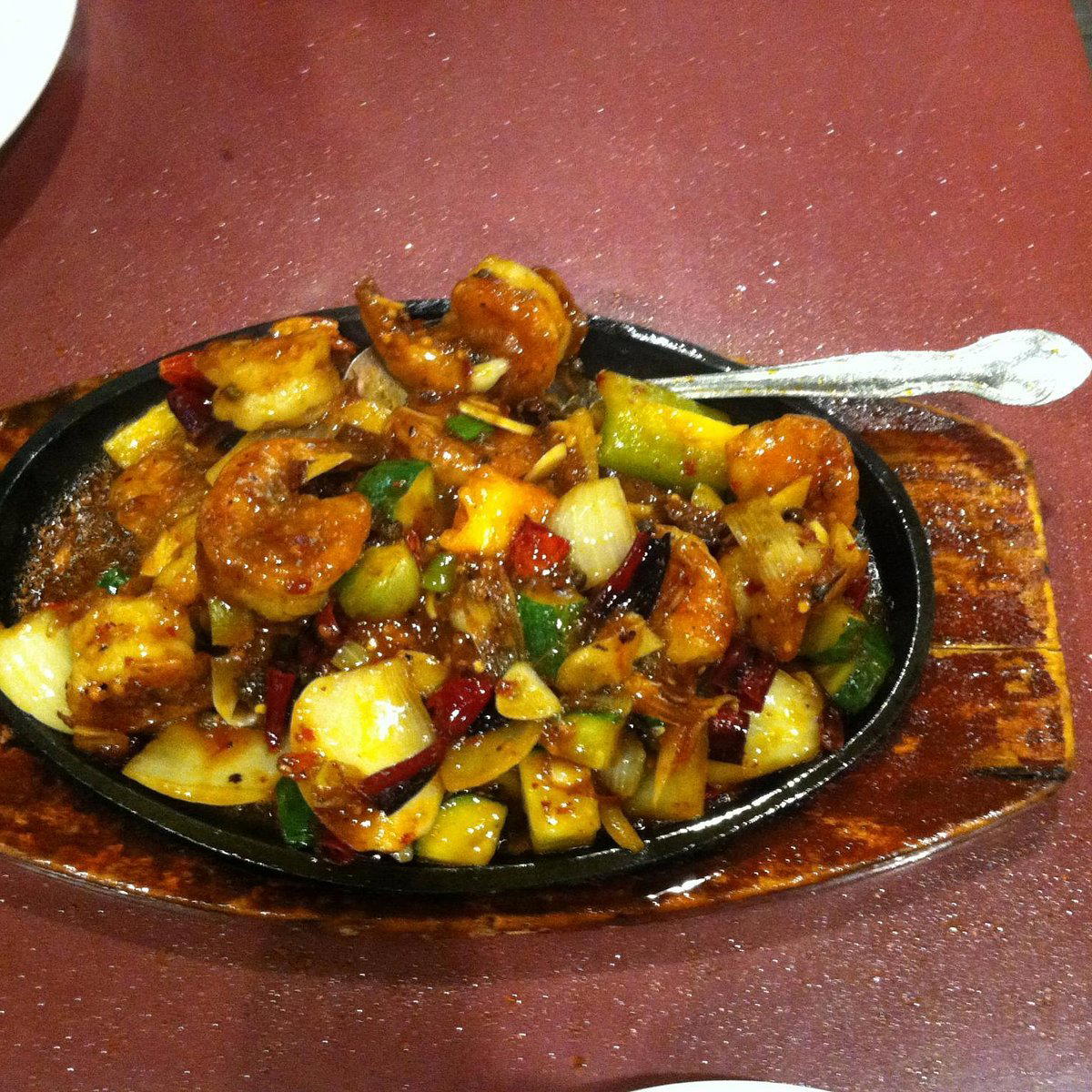
Pierce Street and the Sichuan Question
Richmond, California's dining scene has long operated as a kind of quiet counterweight to the louder food narratives playing out across the bay. While San Francisco venues like Lazy Bear attract the tasting-menu crowd and nationally recognised programs such as The French Laundry in Napa or Alinea in Chicago set the terms of the conversation about ambitious American cooking, Richmond has been doing something harder to categorise: absorbing immigrant culinary traditions, letting them root, and then watching what happens when those traditions start to evolve on their own terms.
Sichuan Fusion, at 3288 Pierce Street, sits inside that evolution. The address itself is instructive. The Pierce Street corridor in Richmond's Iron Triangle-adjacent commercial zones is not the kind of address that signals institutional prestige. There are no valet stands, no design-driven facades. What you get instead is the particular honesty of a neighbourhood that has never needed to perform for an outside audience. Approaching the suite entrance, the dominant impression is of a place that directs its energy inward, toward the plate and the table, rather than outward toward the street.
Where Sichuan Logic Meets California Produce
The editorial angle that matters most here is not the venue itself but what it represents within a specific culinary argument: what happens when Sichuan technique, one of China's most codified and regionally distinct cooking traditions, encounters the Bay Area's extraordinary agricultural infrastructure. This intersection has played out in different registers across the country. Venues like Atomix in New York City have demonstrated how Korean fine dining can absorb Western technique without losing its cultural centre of gravity. The same tension, between imported method and local ingredient, runs through what Sichuan-inflected kitchens are attempting in California.
Sichuan cooking carries a set of structural principles that resist dilution: the mala combination of numbing Sichuan peppercorn and dried chili heat, the layering of fermented broad bean paste (doubanjiang), the dry-fry and twice-cook methods that define classic preparations. These are not decorative elements but load-bearing components of the cuisine's identity. The question a kitchen operating under a "fusion" framing must answer is whether those principles are being extended or merely referenced. The leading versions of this approach, across the Bay Area and nationally, use local produce and California sourcing as a new kind of raw material without softening the heat architecture that gives the cuisine its character.
Richmond's Chinese dining ecosystem provides useful context here. Asian Pearl Seafood Restaurant occupies the banquet-format end of the Richmond Chinese dining spectrum, while Baan Lao demonstrates how Southeast Asian cooking has found its footing in the same corridors. Sichuan Fusion operates in a different register from both, one defined by the friction between a highly specific regional tradition and the improvisational energy that California geography tends to encourage.
The Fusion Question in American Chinese Cooking
The word "fusion" has had a complicated history in American dining criticism. Through the 1990s it became shorthand for a kind of reckless eclecticism, and the backlash pushed many chefs toward either strict regional authenticity or complete assimilation into Western fine dining frameworks. The more productive position, which venues like Blue Hill at Stone Barns in Tarrytown and Single Thread Farm in Healdsburg have demonstrated in adjacent contexts, is to use technique as a lens rather than an identity statement. Applied to Sichuan cooking, this means keeping the spice logic intact while letting the sourcing and some of the textural decisions respond to what Northern California actually produces well: stone fruits, dry-farmed tomatoes, winter citrus, the seafood corridors running from Bodega Bay south.
Richmond's position between Oakland and the wider East Bay gives it access to an ingredient base that more celebrated dining destinations sometimes overlook. The city's wholesale markets and community sourcing networks feed several of the area's more interesting kitchens. For a Sichuan-inflected kitchen, that access matters: the heat levels and fermented-paste foundations can carry almost any protein or vegetable if the technique is applied with discipline.
Richmond's Broader Table
Any honest account of dining in Richmond has to acknowledge that the city's restaurant culture is less curated than its neighbours but frequently more direct. The 2207 Macdonald end of the dining spectrum shows how neighbourhood restaurants can develop genuine local authority without chasing regional press. Alewife has demonstrated that craft-focused concepts can find an audience in Richmond without importing a San Francisco price structure. 8 ½ in The Fan adds further evidence that the city's dining base is more varied than its reputation suggests.
In that context, a kitchen working with Sichuan technique has a specific opportunity. The cuisine's emphasis on bold flavour over visual spectacle aligns well with a dining culture that values substance. Nationally, the venues pushing Chinese-American cooking forward, whether that's the high-end Korean-American model at Atomix or the seafood-centred approaches seen at Le Bernardin in New York City and Providence in Los Angeles, share a willingness to let the food's structural logic lead rather than bending it to accommodate outside expectations. The same principle applies at the neighbourhood level. See our full Richmond restaurants guide for more context on how the city's dining scene has developed.
Planning Your Visit
Sichuan Fusion is located at 3288 Pierce Street, Suite B-109, in Richmond, CA 94804. The suite designation signals a commercial complex setting rather than a standalone storefront, so allow time to locate the correct entrance on arrival. Richmond is accessible via BART's Richmond station, which places the city within easy reach of the broader East Bay and San Francisco without requiring a car for the transit portion of the trip, though the Pierce Street address will require local transport or rideshare from the station.
- mapo tofu
- twice-fried green beans
- eggplant in garlic sauce
- Uygur-style lamb and beef
- tan tan noodles
- spicy wontons
Where the Accolades Land
Comparable venues nearby, for context on price, style, and recognition.
| Venue | Cuisine | Price | Notes |
|---|---|---|---|
| Sichuan FusionThis venue — the venue you are viewing | Authentic Sichuan Regional Chinese | $$ | Not listed |
| Special Noodle | Chinese Noodle House | $$ | Richmond |
| Daimo Chinese Restaurant | Cantonese Dim Sum & BBQ | $$ | Richmond |
| VH Noodle House | Chinese Vietnamese Fusion Noodles | $$ | Pacific East Mall |
| Asian Pearl Seafood Restaurant 顺峰漁村 | Authentic Hong Kong Dim Sum & Seafood | $$ | Central Avenue, Pacific East Mall |
| Hong Kong Cafe | Authentic Cantonese & Hong Kong Cuisine | $$ | Richmond |
Continue exploring
More in Richmond
Restaurants in Richmond
Browse all →
Bars in Richmond
Browse all →
Hotels in Richmond
Browse all →



At a Glance
- Lively
- Energetic
- Group Dining
- Casual Hangout
- Family
- Standalone
Current opening hours
- Monday
- 11 AM–9:30 PM
- Tuesday
- 11 AM–9:30 PM
- Wednesday
- 11 AM–9:30 PM
- Thursday
- 11 AM–9:30 PM
- Friday
- 11 AM–9:30 PM
- Saturday
- 11 AM–9:30 PM
- Sunday
- 11 AM–9 PM
Hours can change for holidays and private events. Last verified .
Casual, bustling dining environment with a focus on authentic regional flavors; the restaurant maintains a no-frills atmosphere that prioritizes food quality and generous portions over ambiance.