
Michelin Plate
Our verdict
Kamado sits in Osaka’s Nishitemma orbit, where serious dining often trades spectacle for ingredient-led precision and compact formats. The name points to wood fire and the Japanese hearth tradition, placing the restaurant within a broader Osaka conversation about heat, seasonality, and sourcing rather than glossy dining-room theatre.

Pearl is the En Primeur Club membership app — saves, bookings, and concierge access live there. Same editors, same standards.
- Address
- 4-1-11 Nishitemma, Kita-ku, Osaka, Osaka, 530-0047, JPN
- Phone
- +81 6-6940-0601
- Website
- guide.michelin.com
- Directions
- Get directions
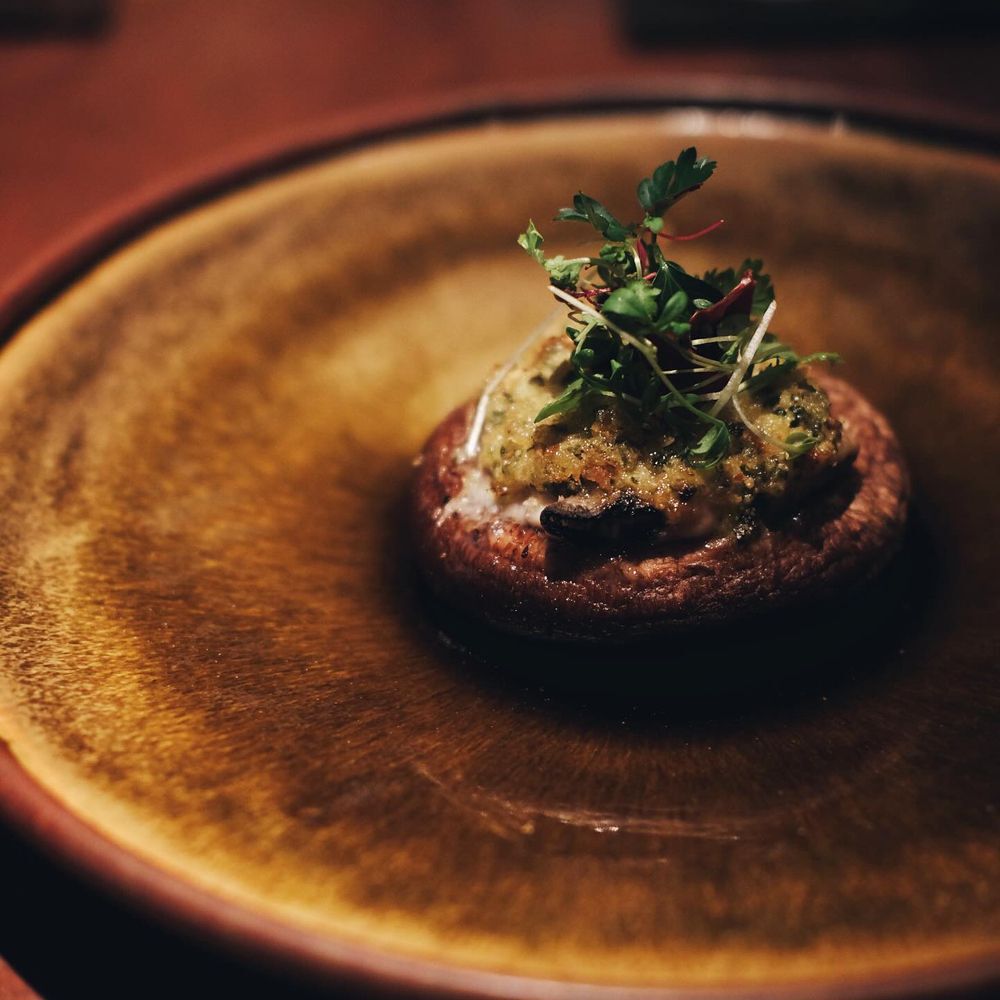
The menu
What to order
- Rice cooked in the kamado hearth
- Wood-fired seasonal meat course
- Final pasta course from the wood oven
Approaching Osaka, the city’s appetite changes register. The loudest food mythology belongs to signs, batter, steam, and queues, but the city also works in a lower register: small counters, discreet dining rooms, and restaurants where sourcing carries as much weight as service choreography. Kamado belongs to that quieter Osaka, a place where the idea of a kamado, the traditional cooking hearth, frames the meal around fire, fuel, and the discipline of heat.
That matters in a city often flattened into shorthand. Osaka is not only takoyaki and kushikatsu; it is also a serious ingredient city, built on access to regional produce, seafood, and a dining culture that rewards clarity over ornament. The name Kamado signals an older grammar of cooking: ingredients meet heat, timing decides texture, and the meal’s argument is made through sourcing before plating.
Wood fire makes sourcing visible in Osaka
Fire-led restaurants are useful tests of confidence. Sauces can cover uncertainty; direct heat usually exposes it. In Osaka dining, where seasonality is read closely, a hearth format puts pressure on ingredients to arrive with enough character to withstand a focused cooking method. Kamado’s identity places it in that tradition, closer to ingredient interpretation than menu theatrics.
Osaka gives that format a particular charge. The city sits beyond its heaviest tourist stereotypes, and its dining rooms can serve guests who understand the difference between abundance and focus. Nearby comparison points show the range: ERICK SOUTH Nishitenma works in a casual lane, Sobakiri Arabompu narrows the field to soba, La bonne tâche reads as a different kind of composed dining room, while Chinese Sai Es Sawada and Chugokusai S. Sawada occupy a more formal lane. Kamado’s fire-centered identity gives it a different axis, one based less on a broad cuisine label than on cooking method and ingredient handling.
That axis is especially relevant as Osaka dining continues to split between high-volume food tourism and compact, specialist rooms. Visitors who only chase the city’s famous snacks miss the other Osaka: the one where a restaurant’s authority comes from restraint, procurement, and the ability to make a simple cooking method feel rigorous. Kamado fits that second reading of the city.
The Osaka context is broader than one restaurant
For travellers mapping a serious food day, Kamado should be read against the city rather than in isolation. Osaka’s range is unusually compressed: bakeries, casual counters, specialist rooms, and focused dining can sit within a short transit radius. The city rewards diners who build contrast into an itinerary rather than repeating the same format at lunch and dinner.
That contrast is visible across Osaka’s dining map. A morning might point toward unnamed bakeries or coffee rooms; casual appetite can pull toward the city’s familiar comfort-food counters; other dining rooms cover a range of formats and traditions. A fire-led dinner in Osaka works differently: slower, less snack-driven, and more dependent on what the kitchen chooses to expose to heat.
For broader planning, use Our full Osaka restaurants guide alongside Our full Osaka hotels guide, Our full Osaka bars guide, Our full Osaka wineries guide, and Our full Osaka experiences guide. The pattern to watch is not luxury for its own sake; it is specialization. The more tightly a venue defines its method, the more clearly Osaka’s dining intelligence comes through.
Who should put Kamado on the Osaka plan
Kamado is the stronger choice for diners who care about ingredient origin, heat management, and the difference between a restaurant built around a cooking principle and one built around a long menu. It is less suited to travellers looking for a maximal Osaka crawl in a single sitting. The appeal lies in concentration: a room aligned with hearth cooking, in Osaka, where serious meals can feel removed from the city’s louder food circuits.
Treat it as an adult, destination-style dinner in Osaka and build the surrounding day lightly. The city is better approached here as a setting for focus rather than a nightlife spectacle, which helps preserve the attention demanded by a fire-led meal.
For readers comparing dining formats outside Osaka, the hearth logic also connects to wider questions about how heat shapes cooking. Other restaurants in Japan and beyond show different answers to the same question: what happens when the cooking method is the point. More casual regional references underline how food culture travels through formats as much as recipes.
The editorial case for Kamado is therefore specific but not narrow. It gives Osaka travellers a way to read the city through sourcing and fire rather than neon and volume. In a dining culture often sold through excess, that restraint is the more interesting signal.
Frequently asked questions
Can I bring kids to Kamado?
Kamado is in Osaka, and its fire-led setup suggests a focused dining room rather than a loose family casual spot. Children who can sit through a quieter meal are the safer fit.
What's the overall feel of Kamado?
The tone is built around wood fire, not table-side theatrics, so the room reads as compact and disciplined. In Osaka, that usually means a meal shaped by heat, timing, and restraint.
What distinctions does Kamado have?
Kamado is listed in the MICHELIN Guide with a MICHELIN Plate distinction.
Where is Kamado in Osaka?
Osaka.
Quick Comparison
Nearby venues at a similar price tier for orientation.
| Venue | Cuisine | Price | Awards | Notes |
|---|---|---|---|---|
| Kamado | Wood-fired Japanese-Italian Fusion | $100–150 | Michelin Plate · Tabelog 100 #78 | Not listed |
| ERICK SOUTH Nishitenma | South Indian Dosa & Biryani House | $20–30 | Tabelog 100 #42 | JPY 2,000 - JPY 2,999 JPY 1,000 - JPY 1,999 |
| Sobakiri Arabompu | Authentic Handmade Soba | $10–20 | Michelin Bib Gourmand · Tabelog 100 #50 | Soba |
| La bonne tâche | Casual French Bistro | $50–100 | Michelin Bib Gourmand · Tabelog 100 #31 | French |
| Chinese Sai Es Sawada | Not listed | Not listed | Not listed | JPY 10,000 - JPY 14,999 JPY 5,000 - JPY 5,999 |
| Chugokusai S. Sawada | Chinese | Not listed | Not listed | Not listed |
Recognition history
Dated appearances from independent guides and award organizations, with the underlying list record or original source where available.
Michelin Plate
Michelin
Continue exploring
More in Osaka
Restaurants in Osaka
Browse all →


Bars in Osaka
Browse all →
Hotels in Osaka
Browse all →


Wineries in Osaka
Browse all →
Details
- Modern
- Cozy
- Intimate
- Elegant
- Date Night
- Special Occasion
- Business Dinner
- Solo
- Chefs Counter
- Open Kitchen
- Design Destination
- Standalone
- Sake Program
- Local Sourcing
- Tasting Menu
- Counter Dining
- Set Menu
- Sake
- Wine
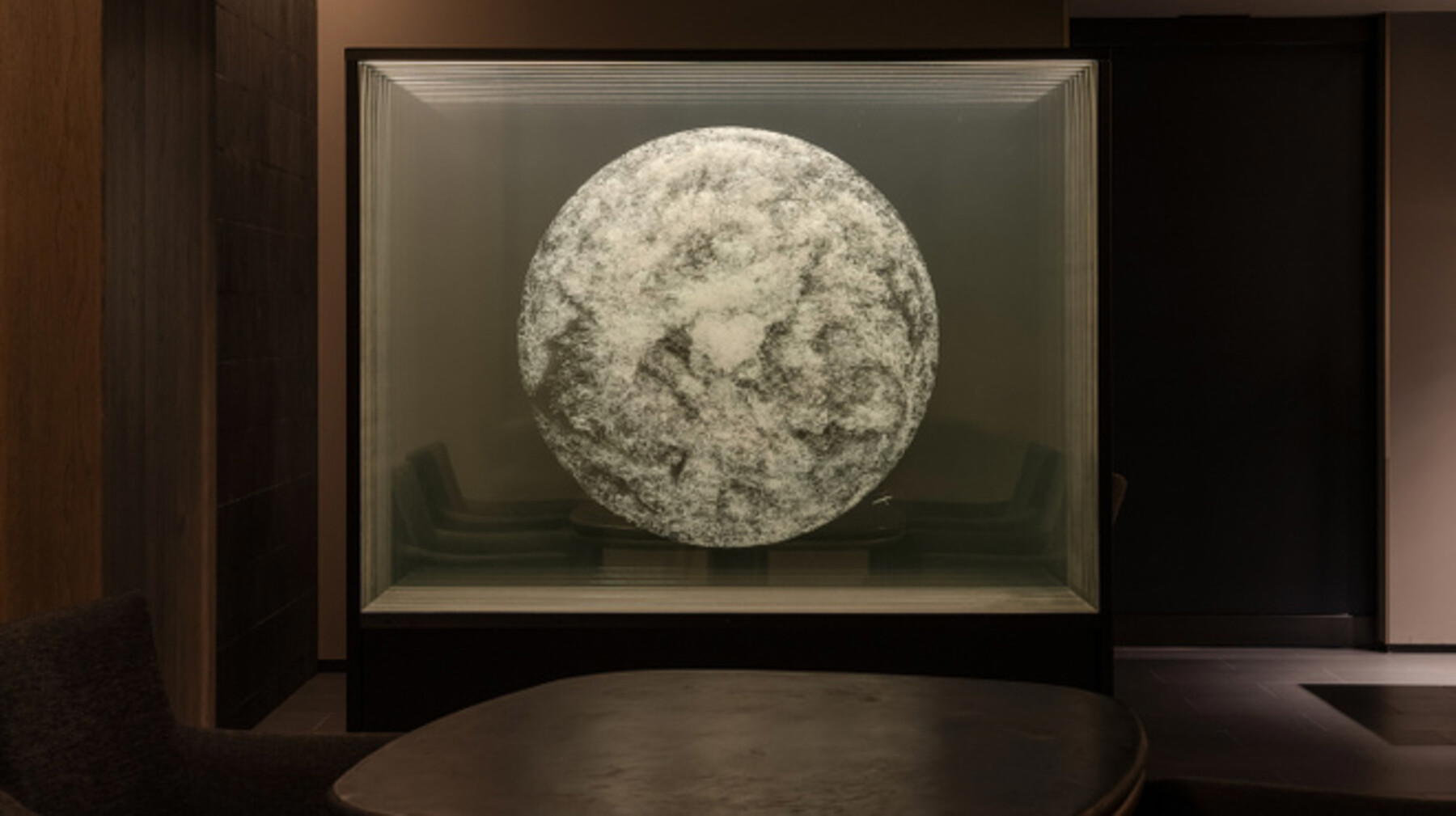
The restaurant is built around a dramatic open hearth, with warm firelight and counter seating creating an intimate, contemporary atmosphere that feels both minimalist and quietly elegant.