
Kagawa udon culture is built on wheat, water, and speed, and Kamaage Udon Nagata in Kano Ka belongs to the serious end of that everyday tradition. Its recognition in Tabelog 100 - Udon - KAGAWA - 2024 and long-running Bronze history place it among the prefecture’s better-documented udon addresses, while the format remains casual, family-friendly, and focused on boiled wheat noodles rather than ceremony.
Pearl is the En Primeur Club membership app — saves, bookings, and concierge access live there. Same editors, same standards.
- Address
- 1180 Konzojicho, Zentsuji, Kagawa 765-0031, Japan
- Phone
- +81 877-63-5921
- Website
- kanoka.jp
 Saves & bookings on Pearl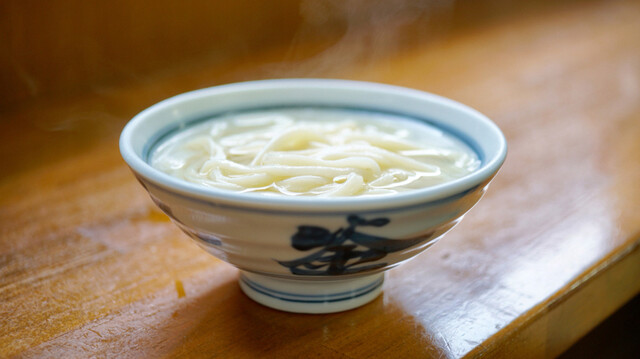
Approaching a Kagawa udon house, the first cue is usually movement, not luxury: families arriving by car, regulars heading for the counter, bowls, trays, and steam moving quickly. In Sanuki udon country, that rhythm matters. The region’s defining noodle culture is built not on rarity or theatrical plating, but on flour handling, water, boiling discipline, and the confidence to let a plain bowl make the case.
Kamaage Udon Nagata in Kano Ka sits firmly in that tradition. The name signals the house focus before any menu reading: kamaage udon, served from the cooking water, belongs to the warmer, more direct side of Sanuki udon. In a prefecture where udon can be breakfast, lunch, road-trip stop, or family outing, this format speaks to sourcing and process more than ornament. Wheat noodles must hold texture without richer toppings as distraction; the broth or dipping element must support rather than disguise the noodle. That is the discipline Kagawa diners notice quickly.
Kagawa's wheat-noodle grammar, reduced to the essentials
Sanuki udon is often misunderstood outside Japan as a single dish rather than a regional system. The important differences lie in temperature, water content, chew, service style, and how much the shop asks the diner to do. Kamaage is one of the clearer tests because the noodle is presented warm and wet, close to boiling. There is less room for a cold rinse to tighten texture or elaborate garnish to shift attention. The craft is exposed in the noodle.
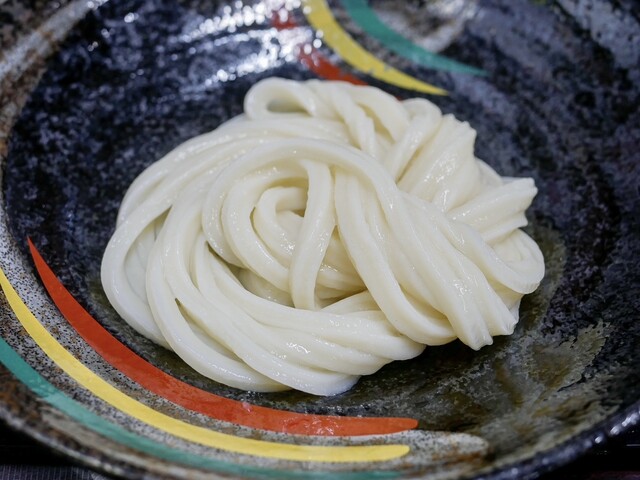
That makes ingredient sourcing serious, not romantic. Kagawa’s udon identity depends on wheat flour suited to elasticity, water that supports dough development, and kitchen timing that keeps volume from flattening character. The dining room may be casual, but the margin for error is narrow. At scale, consistency becomes part of the achievement: dough, boiling, and service must stay aligned through repeated orders, not one staged tasting menu.
The recognition points to sustained credibility within a crowded local category. Kamaage Udon Nagata in Kano Ka was selected for Tabelog 100 - Udon - KAGAWA - 2024, and its award history includes Tabelog Award Bronze listings from 2017 through 2021. In Kagawa, where competition is dense and inexpensive, repeat recognition matters more than decorative prestige. It says the shop has been judged within udon’s grammar, not against unrelated fine-dining expectations.
Where it sits among Zentsuji's udon circuit
Zentsuji is not a city where udon needs to dress itself up for visitors. Its strongest food experiences are plain-spoken, price-conscious, and built for repeat eating. Within that circuit, Mikakawa Seimensho, Shirakawa Udon, and Yamashita Udon occupy the same low-price local conversation, which is exactly the point: in Kagawa, serious udon does not require a high tariff.
The better comparison is not luxury versus cheapness, but different forms of noodle conviction. Some shops are defined by self-service speed, some by cold noodle texture, some by tempura sides, and some by a single preparation that narrows the field. A kamaage specialist asks a specific question: how much pleasure can warm wheat noodles and a restrained support structure carry? For travelers mapping Zentsuji through food, that makes the stop useful within a broader udon crawl rather than as a standalone trophy meal.
That itinerary rewards discipline. Zentsuji and the surrounding Kagawa towns favor short, focused meals, not overplanned dining days. A strong route might compare one warm preparation, one cold preparation, and one self-service shop, then stop before palate fatigue turns texture into background noise. The city’s restaurant scene can be scanned through Our full Zentsuji restaurants guide, while travelers building a wider stay can use Our full Zentsuji hotels guide, Our full Zentsuji bars guide, Our full Zentsuji wineries guide, and Our full Zentsuji experiences guide to keep the food plan grounded in the city rather than isolated from it.
A casual room with serious throughput
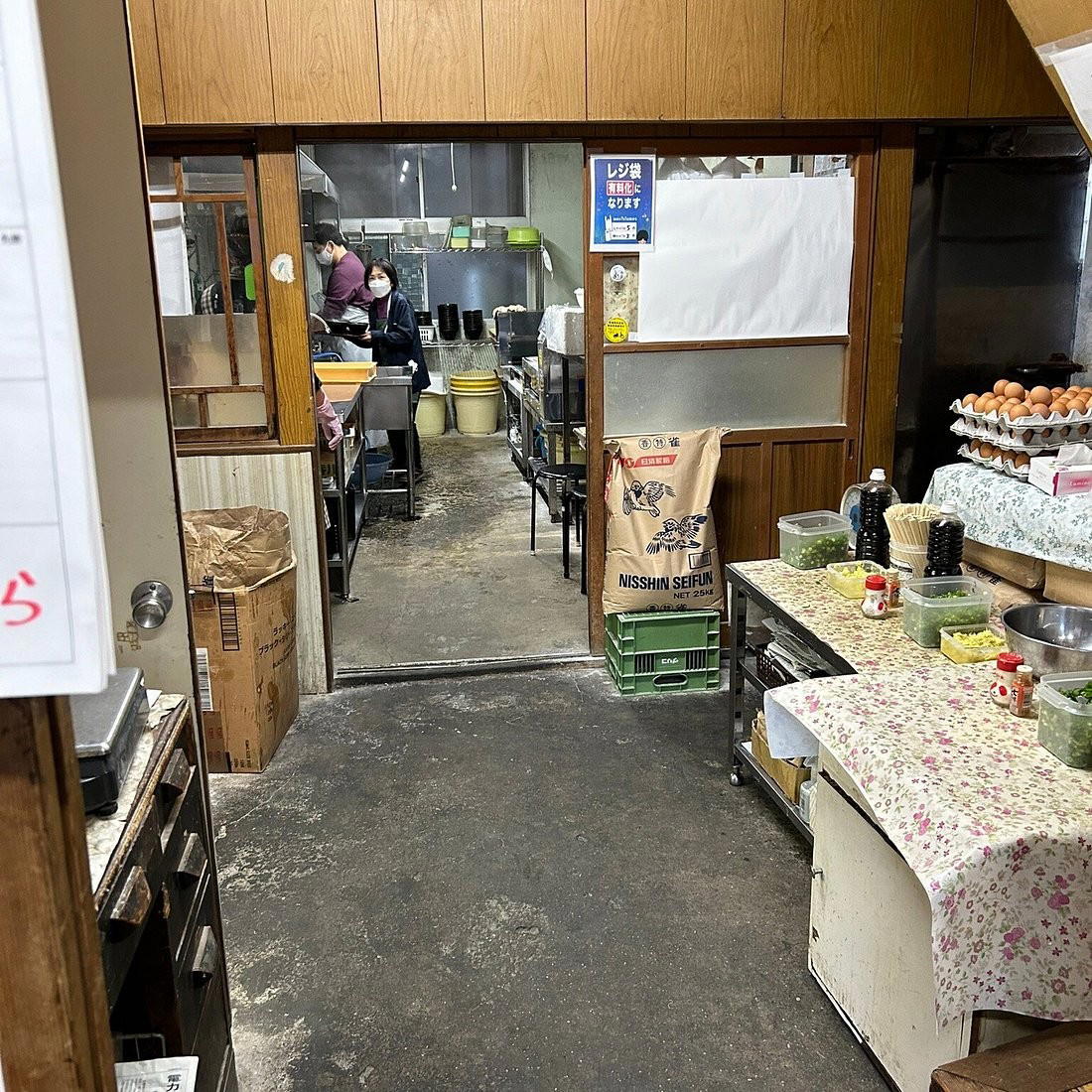
The physical format reinforces the regional logic. This is not a hushed counter built around chef performance. It is a large, accessible udon restaurant with counter seating, table seating, take-out, non-smoking service, and facilities including wheelchair access. Children are explicitly accommodated, including babies, preschoolers, school-age children, and strollers. That matters because Kagawa udon culture is communal in practice: the same room can serve workers, pilgrims, families, and noodle obsessives without changing costume for each group.
The pricing tier carries a useful editorial lesson. When a recognized udon address stays under ¥1,000, value comes not from abundance alone but specialization. The spend is modest; the benchmark is not. Travelers who equate culinary seriousness with long menus and elaborate service should recalibrate before arriving in Kagawa. Here, the sharper meal is often the narrower one.
Experience reads as regional food intelligence: a dish tied to local habits, served at high volume, judged by small textural differences, and priced for everyday return. That is why the awards are relevant but not the story. The story is Kagawa’s ability to make wheat noodles carry regional identity with almost no excess. In that frame, Nagata in Kano Ka is valuable not because it behaves like destination dining, but because it refuses to.
For wider Japan dining context beyond Kagawa, EP Club also tracks sharply different formats, from -Grilled beef Sukiyaki- KAMAKURA TANUKIAN 鎌倉 たぬき庵 in Kamakura and. 鮪と炭火焼き うお炭 秋葉原店 in Tokyo to.cafe in Osaka.know in Kumamoto, (Shoku) Vietnam in Kawasaki, [Curry Senmon Ten] Maruyama Kyoju. in Sapporo, [ki:] in Kyoto, and #肉といえば松田 奈良本店 in Kashihara. For Japanese food culture abroad, compare the different pressures on Jōdo Saké Bar in Los Angeles and Onigiri Time in Pasadena, where translation, audience, and sourcing change the terms of the meal.
How It Stacks Up
Comparable venues by cuisine and price in the same metro.
| Venue | Cuisine | Price | Notes |
|---|---|---|---|
| Kamaage Udon Nagata in Kano KaThis venue — the venue you are viewing | Traditional Sanuki kamaage udon shop | $ | Not listed |
| Shirakawa Udon | Traditional Sanuki Udon | $ | Kushinashicho |
| Nagata in Kanoka (長田 in 香の香) | Sanuki Kamaage Udon | $ | 金蔵寺町 |
| Yamashita Udon | Traditional Sanuki udon shop | $ | Zentsuji |
| Mikakawa Seimensho | Traditional Sanuki udon shop | $ | Zentsuji |
| Miyazato Soba (宮里そば) | Okinawan Soba | $ | Miyazato |
Recognition history
Dated appearances from independent guides and award organizations, with the underlying list record or original source where available.
Tabelog 100 #26 · No. 26
Tabelog · Tabelog 100 - Udon - KAGAWA - 2024
Continue exploring
More in Zentsuji
Restaurants in Zentsuji
Browse all →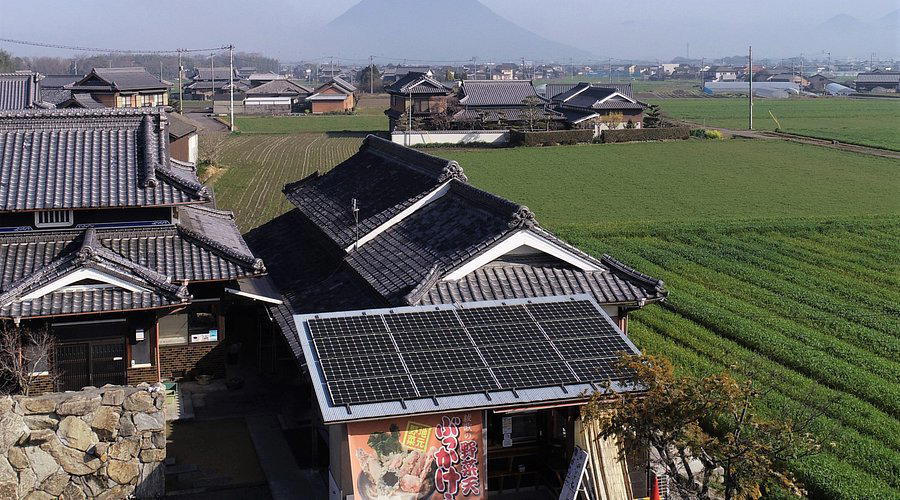
At a Glance
- Well Known
- Lively
- Classic
- Solo
- Family
- Group Dining
- Casual Hangout
- Standalone
Current opening hours
- Monday
- 9 AM–3 PM
- Tuesday
- 9 AM–3 PM
- Wednesday
- Closed
- Thursday
- Closed
- Friday
- 9 AM–3 PM
- Saturday
- 9 AM–3 PM
- Sunday
- 9 AM–3 PM
Hours can change for holidays and private events. Last verified .