On the Catanzaro waterfront along the Lungomare Stefano Pugliese, Kalavrì sits within a city that has long been overlooked by Italy's fine-dining circuit, which is precisely what makes it worth attention. The restaurant draws from Calabria's ingredient-driven cooking tradition, where the sourcing of raw materials carries as much weight as technique. For travellers willing to reach the deep south, this is a useful entry point into what the region actually tastes like.
- Address
- Via Lungomare Stefano Pugliese, 199, 88100 Catanzaro CZ, Italy
- Phone
- +393996131151
- Website
- kalavripizza.it
- Directions
- Get directions
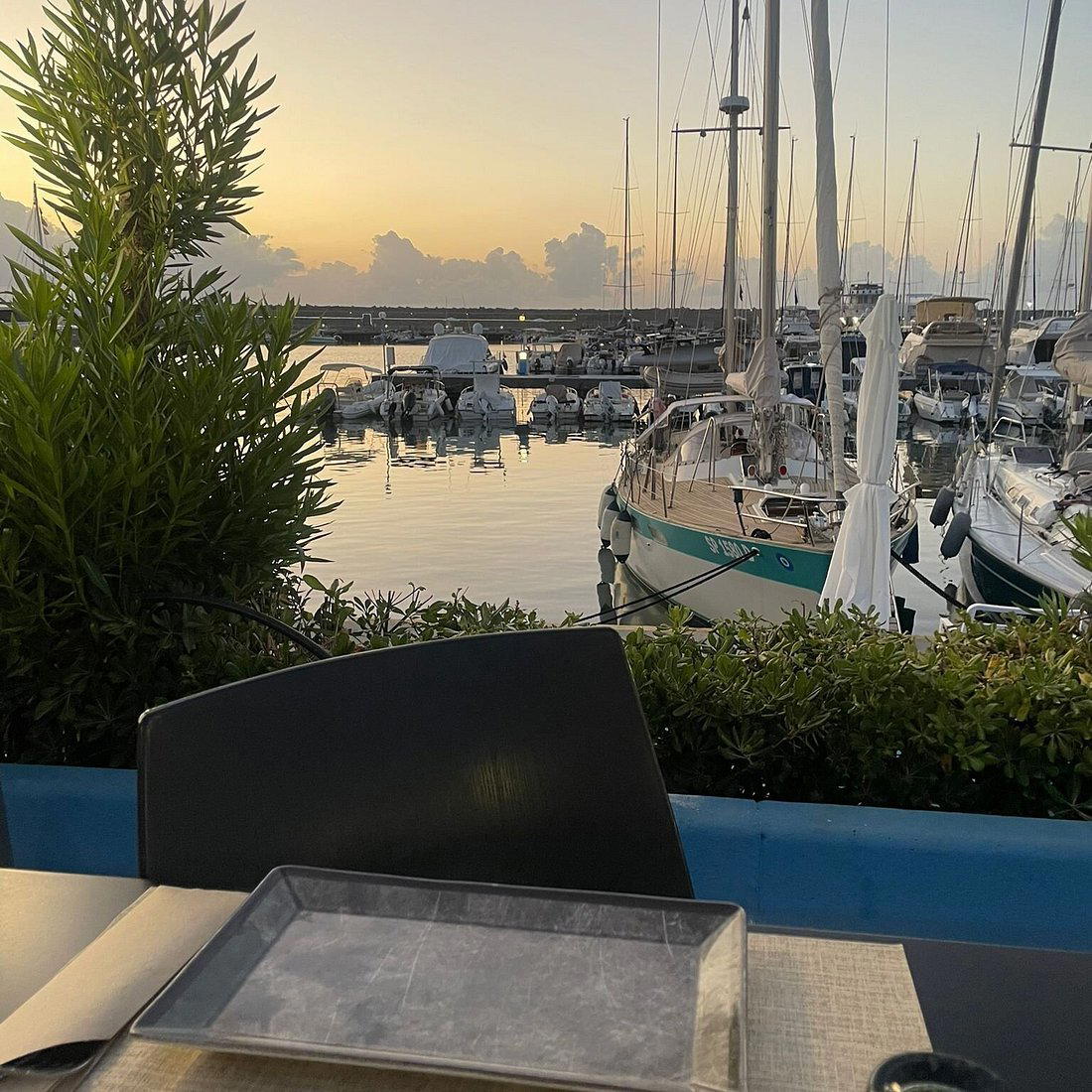
The Waterfront and What It Signals
Catanzaro occupies an unusual position in Italian gastronomy. The regional capital of Calabria sits between the Ionian and Tyrrhenian coasts, and its dining scene has historically operated below the radar of the Michelin inspectors and food-press circuits that concentrate energy on the north and centre of the country. Places like Osteria Francescana in Modena, Enoteca Pinchiorri in Florence, and Enrico Bartolini in Milan have shaped the national conversation about Italian fine dining for decades. Calabria has largely sat outside that conversation, not because the ingredients are inferior, but because the infrastructure of recognition has never arrived in force.
Kalavrì addresses that gap from a specific geographic vantage point: the lungomare in Catanzaro, along Via Lungomare Stefano Pugliese. The seafront setting is not incidental. In Calabria, proximity to the coast has always shaped what ends up on the plate, and the Ionian fishing grounds that supply this stretch of shoreline produce swordfish, tuna, and sardines with a provenance that any kitchen further north would treat as a selling point. Here, that provenance is simply the baseline assumption.
Calabrian Sourcing and Why It Matters
The editorial angle that separates the more serious restaurants in southern Italy from their northern counterparts is not technique, it is the density and specificity of local supply chains. Calabria's agricultural character is shaped by extreme terrain: the Sila plateau to the north, the coastal strips on both coasts, and a climate that produces some of the country's most assertive raw materials. 'Nduja from Spilinga, red onions from Tropea, bergamot from Reggio Calabria, and the dried chilies that define the region's spice register are not interchangeable with products from elsewhere, and the restaurants that understand this do not try to substitute them.
This sourcing logic connects Kalavrì to a broader pattern visible across southern Italian dining. At Quattro Passi in Marina del Cantone, the Amalfi Coast's lemon and fish supply chain anchors every menu decision. At Uliassi in Senigallia, the Adriatic coast's catch is treated with similar specificity. The principle is the same across all of these: the kitchen's authority derives partly from its relationship with what grows and swims nearby, not just from what it can do in the pan.
In Catanzaro, that means engaging with a supply ecosystem that remains less commercialised than in better-known Italian food regions. The comparative lack of tourist infrastructure in Calabria has, paradoxically, preserved more of the direct relationships between growers, fishers, and restaurateurs that more prominent destinations have partially lost to scale.
Where Kalavrì Sits in the Catanzaro Scene
Catanzaro's restaurant scene is compact, and the waterfront strip along the lungomare operates as its most visible dining corridor. The city's broader food culture skews toward trattoria-format cooking, where the emphasis is on volume, familiarity, and price accessibility rather than technique or curation. A restaurant positioned on the lungomare with any ambition to rise above that baseline faces a specific challenge: it must signal a different register without losing the connection to local identity that gives Calabrian cooking its credibility.
The more ambitious end of Calabrian dining has a reference point in Abbruzzino, which holds a Michelin star and operates as one decorated address in the city. That recognition places Catanzaro on the map in a way it was not a decade ago, and it raises the frame of reference for other restaurants operating in the same city. For context on how southern Italian fine dining compares to the national tier, our full Catanzaro restaurants guide maps the scene in more detail.
Kalavrì operates without the award infrastructure of the city's starred table, which positions it in a different but not less interesting bracket: the serious independent restaurant that draws from the same ingredient tradition but prices and formats itself for a broader local audience.
The Broader Italian Fine-Dining Frame
Understanding where any Calabrian restaurant sits requires knowing something about where Italian haute cuisine has travelled. The country's top tier, represented by addresses like Le Calandre in Rubano, Piazza Duomo in Alba, Da Vittorio in Brusaporto, and Villa Crespi in Orta San Giulio, has spent the last two decades building international profiles on the strength of hyper-regional sourcing married to modernist technique. The lesson from that trajectory is that regional specificity, when handled with precision, is a competitive advantage rather than a limitation.
That same logic applies in the south, even if the recognition infrastructure has been slower to follow. Reale in Castel di Sangro demonstrated that a kitchen in a small southern Italian town could reach three Michelin stars by going deeper into its own territory rather than approximating northern or international models. Atelier Moessmer Norbert Niederkofler in Brunico built a comparable reputation in the Alps through strict local-sourcing discipline. The direction of travel in Italian fine dining, wherever the geography, points toward this kind of rooted specificity. Calabria, with its unusually intact ingredient ecosystem, has the raw material to participate in that conversation more fully than its current recognition level suggests.
Internationally, the comparison holds too. Kitchens like Le Bernardin in New York City and Atomix in New York City have each built authority through an obsessive relationship with sourcing, in Le Bernardin's case, the provenance and handling of fish; in Atomix's, the Korean ingredients imported with deliberate specificity. The principle translates across continents: where the food comes from is inseparable from what the food means.
Planning a Visit
Catanzaro is accessible by train from both Naples and Reggio Calabria, with the Catanzaro Lido station serving the coastal area closest to the lungomare. The waterfront location on Via Lungomare Stefano Pugliese is direct to reach from the city centre, and the broader lungomare strip is walkable. Visitors combining a meal at Kalavrì with the wider Catanzaro food scene should plan to spend at least a full day in the city, which rewards unhurried exploration more than a tight transit stop.
Comparison Snapshot
Comparable venues nearby, for context on price, style, and recognition.
| Venue | Cuisine | Price | Awards | Notes |
|---|---|---|---|---|
| KalavrìThis venue — the venue you are viewing | Modern Italian Pizza Gourmet | $$ | Not listed | Not listed |
| Abbruzzino | Modern Calabrian Fine Dining | $$$$ | Michelin 1 Star | Loc. S. Janni |
| Oliva Pizzamore | Artisanal Pizza al Taglio | $$ | Not listed | city center |
| Pizzarè | Neapolitan Pizza | $$ | Not listed | Rizziconi |
| Gelateria 5 Terre | Artisanal Italian Gelato | $ | Not listed | Manarola |
| Ristorante San Giorgio e il Drago | Traditional Sicilian Trattoria | $$ | Not listed | Randazzo |
Continue exploring
More in Catanzaro
Restaurants in Catanzaro
Browse all →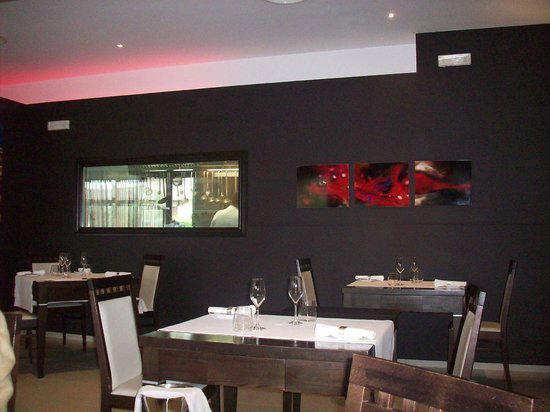
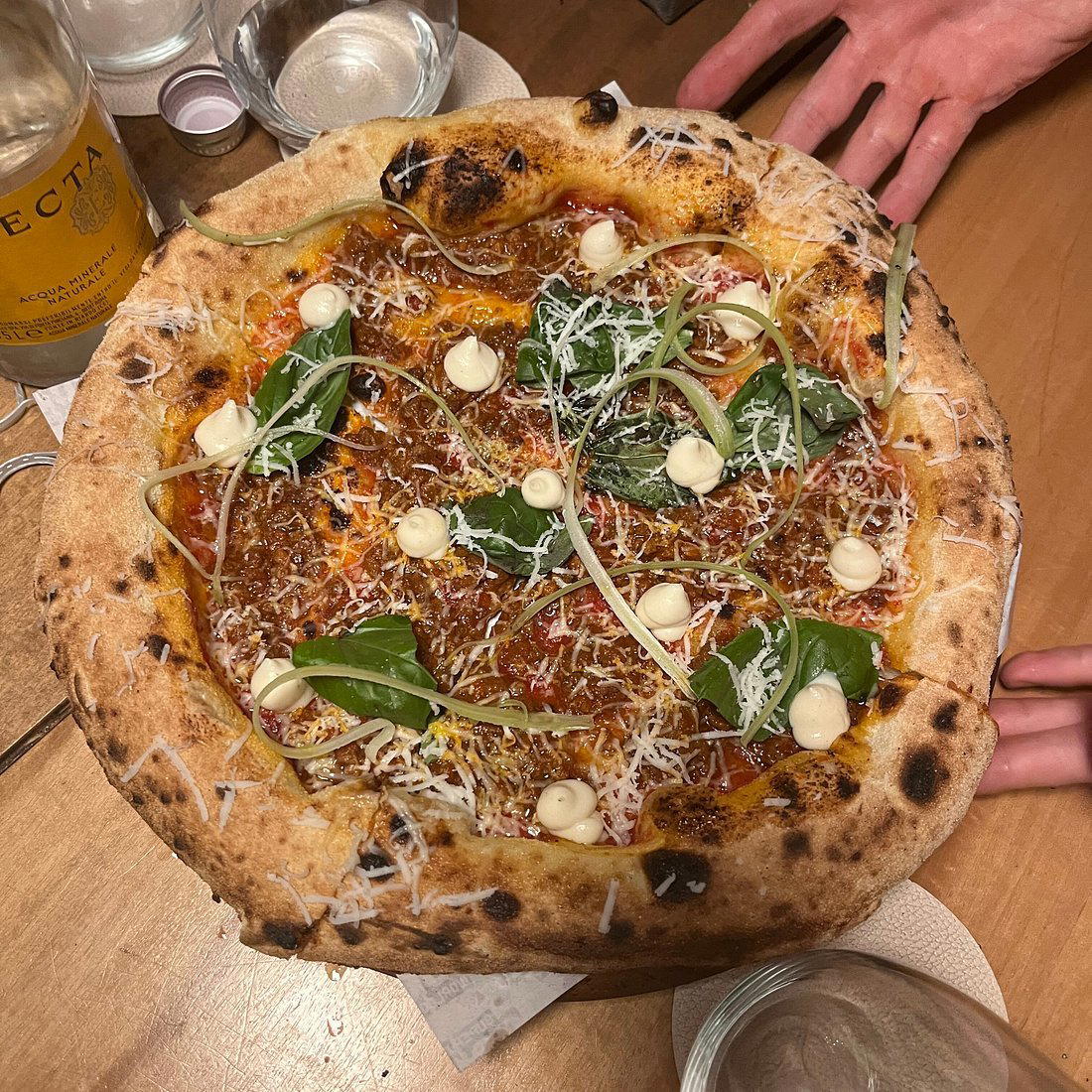
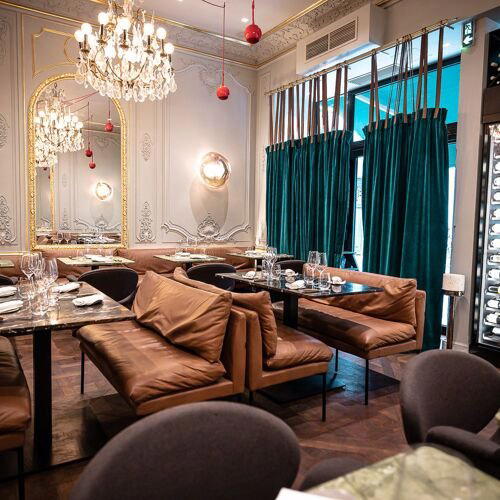
Hotels in Catanzaro
Browse all →
At a Glance
- Modern
- Trendy
- Casual Hangout
- Open Kitchen
- Beer Program
- Local Sourcing
- Street Scene
Lively seafront spot with a modern, trendy vibe focused on high-quality pizza preparation and quick, young service.