Kalapawai Market
Our verdict
The format reflects Kailua's relationship with its surroundings: local sourcing, casual service, and a menu that reads like an inventory of what Hawaii actually grows and catches. It occupies a different register from the town's sit-down dining options, and that positioning is exactly the point.

Pearl is the En Primeur Club membership app, where members save venues, book tables and use the concierge.
The menu
What to order
- Auction Fresh Fish
- Sherwoods Burger
Where the Market Format Does the Editorial Work
Kailua's dining scene divides cleanly along a single fault line: the places that perform Hawaii for visitors, and the places that simply feed the neighborhood. The building reads as a market before it reads as a restaurant, which is not incidental. In communities with genuine local food culture, the market format often carries more culinary information than the white-tablecloth room down the street. What's stocked, what's seasonal, what's priced for daily purchase rather than occasional splurge, these signals say more about a place's actual food identity than any curated tasting menu.
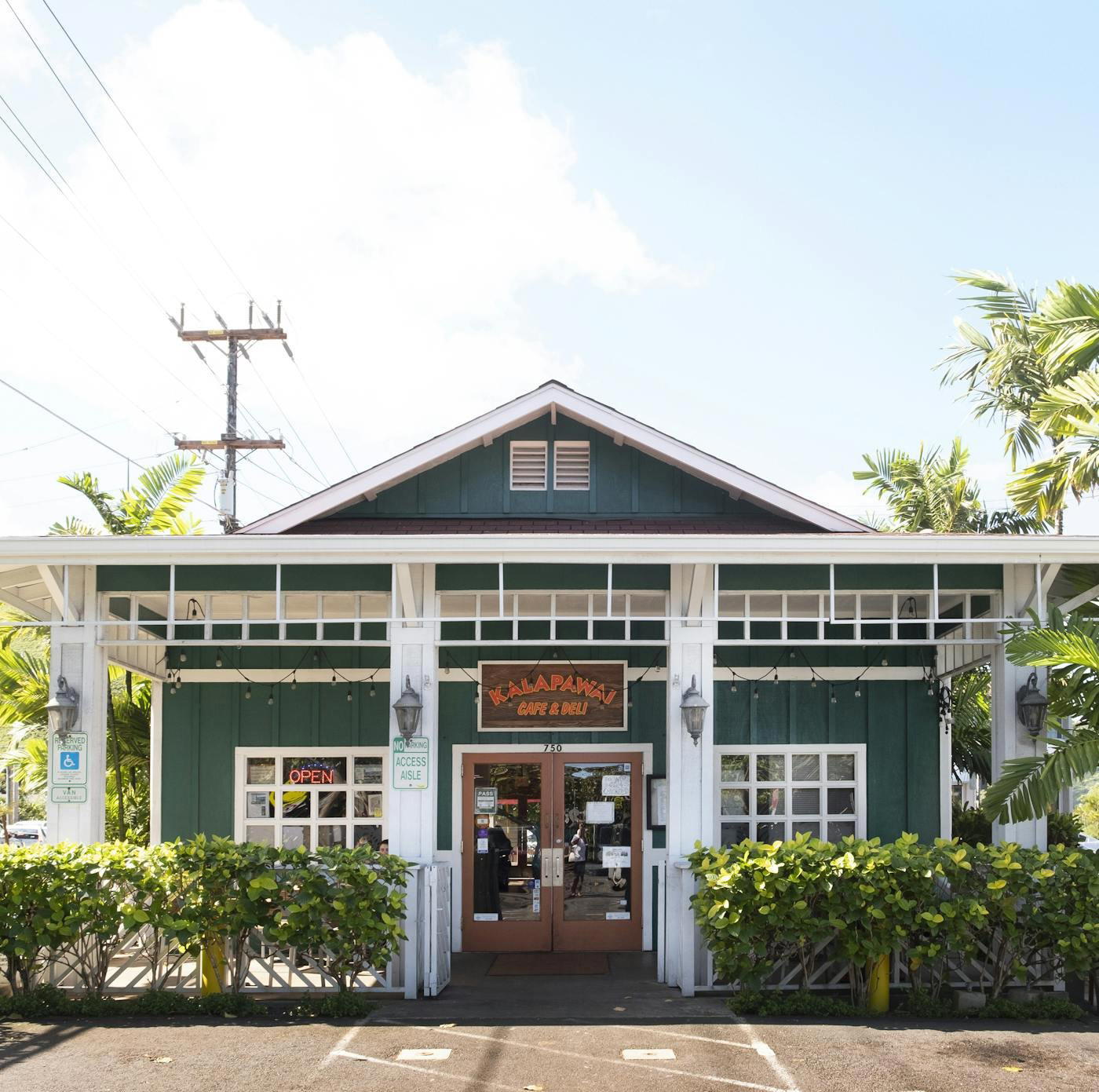
Approaching the space, the sensory register is domestic rather than theatrical. There is no valet stand, no host podium framed in architectural drama. The physical environment prioritizes access over atmosphere management, which in the context of a beach town like Kailua, where the actual beach is the atmosphere, is the correct call. This is a stop on the way to Kailua Beach Park, or after it, or instead of a full sit-down meal somewhere more formal. The format accommodates that rhythm.
Ingredient Sourcing as the Actual Menu Strategy
The ingredient-sourcing conversation in American dining has largely been concentrated at the high end of the price spectrum. Places like Blue Hill at Stone Barns in Tarrytown, Single Thread Farm in Healdsburg, and Smyth in Chicago have built their reputations specifically on the depth of their sourcing relationships and the proximity of their farms. But the sourcing story in Hawaii operates differently from the mainland. The island chain's geography creates both constraints and advantages: supply chains are longer and more expensive, but the local agricultural output, particularly in produce, seafood, and specialty crops, can be genuinely exceptional when accessed directly.
Kailua sits on Oahu's windward coast, a region with a different agricultural character from the resort-heavy west side of the island. The windward side's rainfall patterns and soil composition have historically supported taro cultivation, tropical fruit production, and small-scale farming that doesn't reach the wholesale distribution networks serving Honolulu's larger restaurant scene. A neighborhood market in this location has structural access to supply that a fine-dining operation importing its identity from another culinary tradition often lacks. That structural advantage is what makes the market format worth paying attention to in this context, rather than treating it as a lesser alternative to a more elaborate dining room.
This contrasts sharply with what happens at the high-concept end of American ingredient-driven dining. At The French Laundry in Napa or Providence in Los Angeles, sourcing is narrated and formalized, it becomes part of the dining theater. At a market operation, the sourcing is simply present in the product, without the verbal apparatus around it. Both approaches have merit. They serve different purposes and different readers of food.
Kailua's Dining Context and Where Kalapawai Fits
The broader Kailua restaurant scene runs from longstanding neighborhood institutions to newer concepts that have followed the town's increased visibility as a destination. Buzz's Original Steakhouse operates as Kailua's legacy dining landmark, a sit-down room with decades of local history. Cinnamon's Restaurant holds the morning meal slot with a long-running breakfast-and-brunch format. Baci Bistro brings a European-influenced dinner register to the mix. Casablanca Restaurant and Big City Diner fill out the mid-range and comfort-food segments.
Kalapawai Market doesn't compete directly with any of these. For visitors staying in Kailua rather than passing through, this distinction matters practically. For anyone spending more than a day in the neighborhood, understanding what the market stocks and what it prepares gives a more complete picture of how to eat well in the town without over-formalizing every meal. See our full Kailua restaurants guide for broader coverage of how the dining tiers map across the town.
The Windward Oahu Food Identity
Oahu's culinary reputation is largely set by Honolulu, where the concentration of restaurants, the hotel dining infrastructure, and the critical attention naturally accumulate. Windward Oahu, the Kailua-Kaneohe corridor, operates as a quieter parallel track. The food culture here is less restaurant-dense and more neighborhood-scaled, which means individual spots carry more weight as community anchors than they would in a denser urban dining environment.
The market format fits this ecology well. In food communities with genuine local supply networks, the daily-purchase operation often functions as a more reliable indicator of what the region actually produces than the special-occasion restaurant that sources from the same wholesale distributors as anywhere else. This is a dynamic visible at the high-conviction end of American farm-to-table dining at places like Addison in San Diego or Emeril's in New Orleans, where the sourcing geography is explicitly tied to the restaurant's regional identity claim. At the neighborhood market level, that regional identity claim is implicit rather than stated, embedded in the product selection rather than the menu language. The format, market with prepared food, means the visit pattern differs from a standard restaurant trip. This is not a reservation-required, structured-meal destination in the way that Le Bernardin in New York City or Atomix in New York City operate. It runs on market hours and market logic: arrive when you need food, assess what's available that day, and build around it. For visitors prioritizing flexibility, a characteristic of beach-town travel more broadly, that operating model is an asset rather than a limitation. Those looking for more formal evening dining in Kailua have options within the town center; Kalapawai fills the daytime and casual meal slot in a way none of the sit-down restaurants quite replicate.
Frequently asked questions
What's Kalapawai Market's location?
Kalapawai Market is located at 306 S Kalaheo Ave, Kailua, HI 96734, Kailua.
Is Kalapawai Market a good option for picking up food near Kailua Beach Park?
Kalapawai Market sits at 306 S Kalaheo Ave in Kailua, placing it within walking distance of Kailua Beach Park. For visitors looking to avoid the Honolulu restaurant infrastructure and eat closer to the Windward coast, it represents a practical stop that reflects the neighborhood's own food culture rather than a hotel dining approximation of it.
What do people recommend at Kalapawai Market?
Kalapawai Market draws consistent attention for its market-format approach, where the selection on any given day reflects what's available locally rather than a fixed menu structure. Regulars at the Kailua location on S Kalaheo Ave tend to gravitate toward prepared items and provisions that reflect Windward Oahu's ingredient supply. Because the format prioritizes sourcing over a static menu, the practical answer is to ask staff what came in that day.
Should I book Kalapawai Market in advance?
Kalapawai Market operates on a market and café format at 306 S Kalaheo Ave in Kailua, which typically means walk-in service rather than reservation-based seating. That said, proximity to Kailua Beach Park means foot traffic can be significant during peak visitor hours. Arriving outside the midday rush gives you the most relaxed experience and the widest selection.
What's the standout thing about Kalapawai Market?
The market format itself is the operative distinction. In a Kailua dining scene that otherwise splits between tourist-facing concepts and longstanding neighborhood spots, Kalapawai functions as a local provisioner first and a café second. That ordering matters: the sourcing logic shapes what's available rather than what's been engineered to appeal broadly.
What if I have allergies at Kalapawai Market?
Given the market-driven sourcing model at the Kailua location, ingredient composition can shift based on what's in stock on a given day. Anyone with serious allergies should speak directly with staff on-site at 306 S Kalaheo Ave before ordering. The variable nature of market-format operations makes advance verbal confirmation more reliable than assuming a fixed ingredient list.
Comparison Snapshot
Comparable venues nearby, for context on price, style, and recognition.
| Venue | Cuisine | Price | Notes |
|---|---|---|---|
| Kalapawai MarketThis venue (the venue you are viewing) | American Cafe with Polynesian Influences | $20–30 | Not listed |
| Kalapawai Cafe | American Comfort Cafe with Local Hawaiian Influences | $20–30 | Kailua Town |
| Moke's Bread & Breakfast | Hawaiian-Inspired American Breakfast | $20–30 | Kailua |
| Cinnamon's Restaurant | Hawaiian Comfort American | $20–30 | Kailua Town |
| Big City Diner | Hawaiian-Style American Diner | $20–30 | Kailua |
| Maui Brewing Co. Kailua | Hawaiian Brew Pub | $20–30 | Kailua |
Continue exploring
More in Kailua
Restaurants in Kailua
All restaurants in Kailua →
Bars in Kailua
Browse all →
Details
- Cozy
- Classic
- Trendy
- Casual Hangout
- Brunch
- Standalone
- Local Sourcing
- A La Carte
- Vegetarian Friendly
- Vegan Options
- Gluten Free Options
Current opening hours
- Monday
- 6 AM–8 PM
- Tuesday
- 6 AM–8 PM
- Wednesday
- 6 AM–8 PM
- Thursday
- 6 AM–8 PM
- Friday
- 6 AM–8 PM
- Saturday
- 6 AM–8 PM
- Sunday
- 6 AM–8 PM
Hours can change for holidays and private events. Hours as of .
Cozy, welcoming neighborhood hub with a simple, community-focused atmosphere evoking small-town markets.