Kalapawai Cafe
Kalapawai Cafe serves American comfort cafe fare with local Hawaiian influences in Kailua, with local sourcing, conversational noise, and a casual setting that fits breakfast through dinner.
Pearl is the En Primeur Club membership app — saves, bookings, and concierge access live there. Same editors, same standards.
- Address
- 750 Kailua Rd, Kailua, HI 96734
- Phone
- +18082623354
- Website
- kalapawaimarket.com
- Directions
- Get directions
 Saves & bookings on Pearl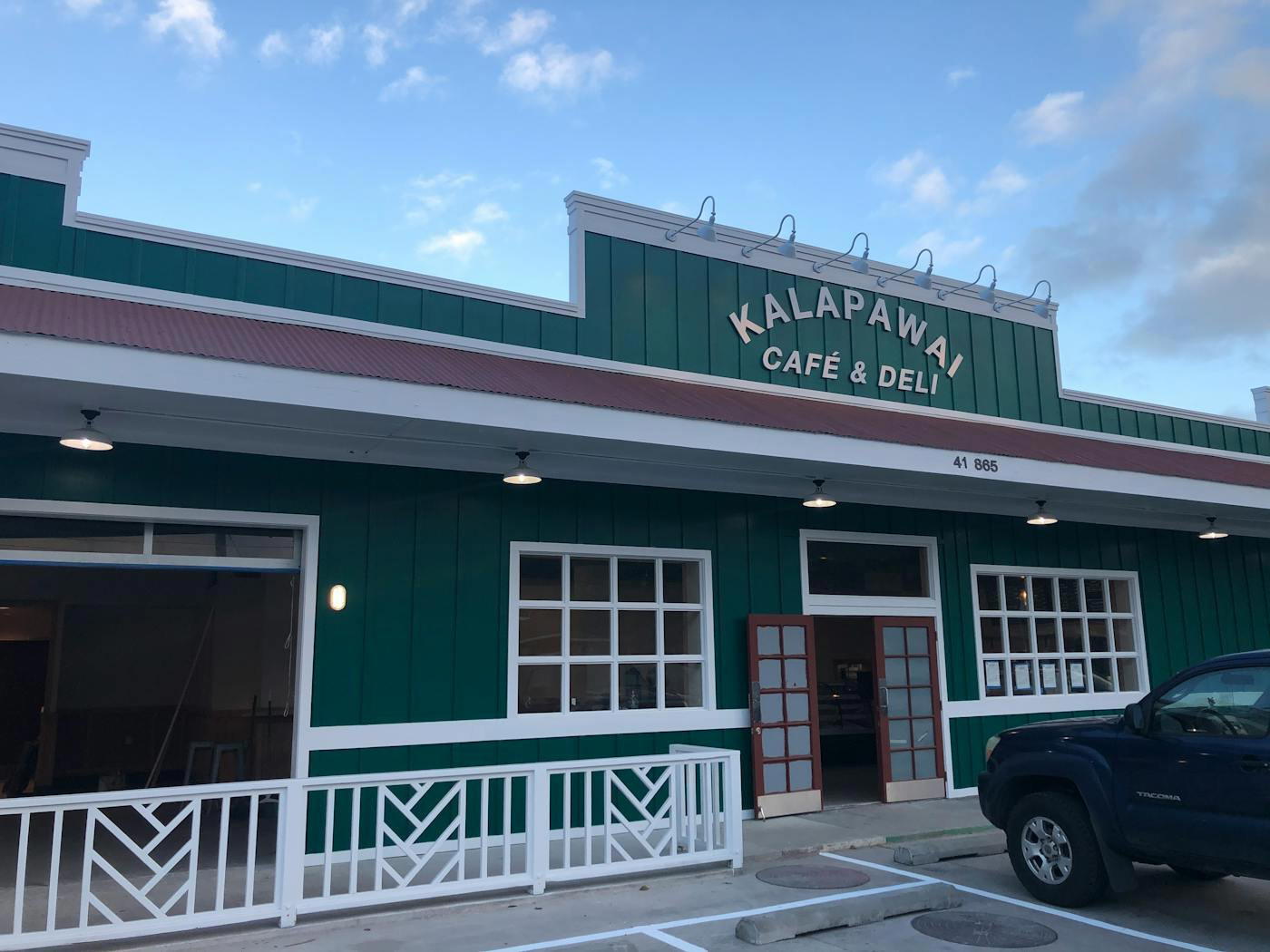
Kailua's Neighborhood Cafe Tradition and Where Kalapawai Fits
On the windward side of Oahu, where the Koolau Range catches trade-wind clouds and drops them as steady afternoon showers over beach towns still operating at a pace the island's tourist circuit rarely reaches, Kailua has developed a dining culture that sits apart from the resort corridors of Waikiki. The cafes and restaurants that define Kailua Rd and its side streets tend toward the casual and community-oriented, places where regulars occupy the same stools on weekday mornings and visitors are welcome but not the primary audience. Kalapawai Cafe, at 750 Kailua Rd, belongs squarely to that tradition. It occupies a spot in the local ecosystem that functions more like a neighborhood anchor than a destination restaurant, and understanding what that means in a Hawaiian beach town context is the better frame for evaluating it.
Kailua's dining scene has stratified gently over the past decade. On one end sit the white-tablecloth rooms like Casablanca Restaurant and the long-standing surf-and-turf institution Buzz's Original Steakhouse. On the other, Italian neighborhood dining at Baci Bistro, comfort-plate American at Big City Diner, and the breakfast-focused Cinnamon's Restaurant. Kalapawai Cafe operates in the middle register of this spectrum, leaning into an all-day cafe format that is more versatile than any single meal-period specialist in town. See the full Kailua restaurants guide for context on how the town's dining map hangs together.
The Physical Setting and What It Communicates
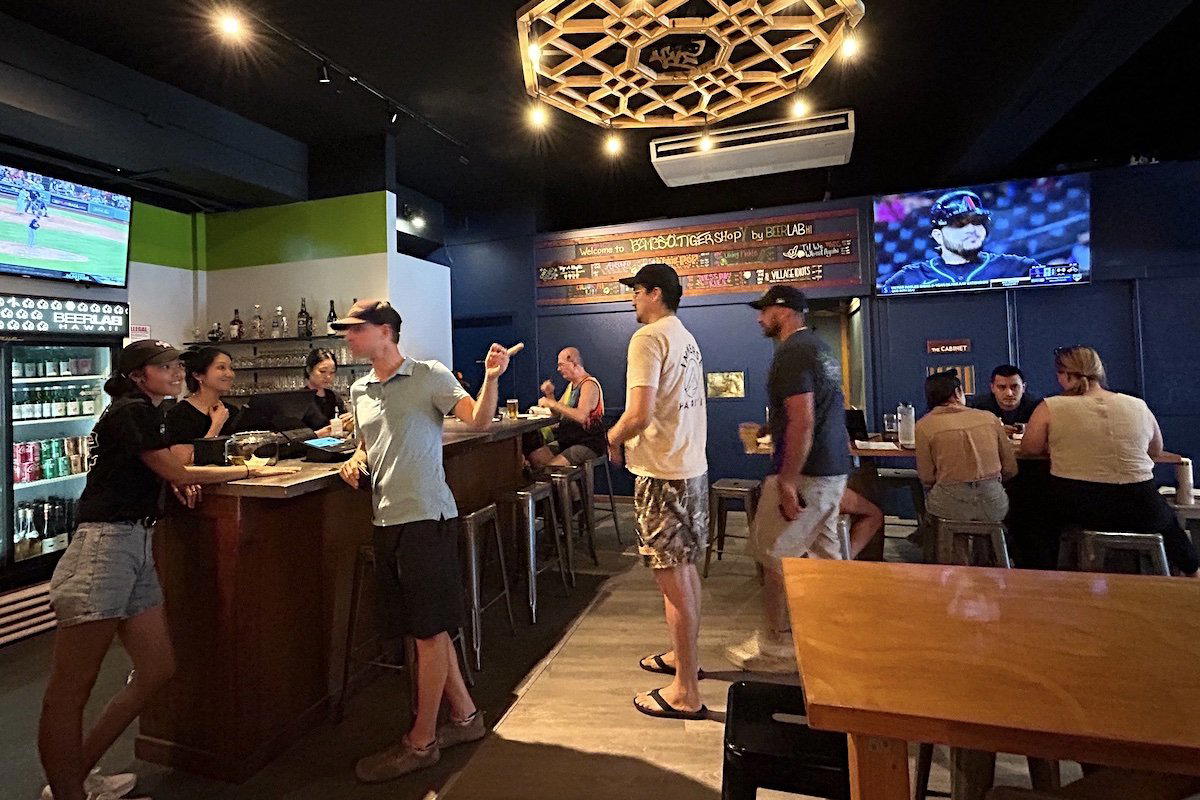
Approaching Kalapawai Cafe from Kailua Rd, the building reads as a general store that has evolved into something more curated over time, which is roughly accurate. The Kalapawai name in Kailua is historically connected to the market tradition of the neighborhood, and the cafe format extends that idea into prepared food and coffee. The streetfront presence is low-key in a way that suits the windward Oahu character: no valet, no canopy lighting, no doorman signaling that something expensive is about to happen. The physical environment signals availability and accessibility, the kind of place that absorbs the post-beach crowd at noon and the coffee-and-laptop contingent before 9am with equal ease.
This positions Kalapawai Cafe in a category that American coastal towns have developed with particular consistency: the all-day neighborhood cafe that does enough food volume and variety to function as a primary dining option for locals across multiple meal occasions. The comparison set is less a fine dining room and more a well-run urban cafe in a beach town context.
Ingredient Sourcing and the Hawaii Local-Produce Question
The ingredient sourcing question is, in many respects, the most consequential editorial angle for any Hawaii cafe operating in the current market. The state imports a reported 85 to 90 percent of its food. Cafes and restaurants that actively work against that ratio, sourcing from Oahu farms, Hawaii Island producers, or Maui livestock operations, occupy a meaningfully different position than those simply importing mainland supply chains to a tropical setting.
The cafes along Kailua Rd that have made local sourcing part of their identity tend to communicate it explicitly, through menu language, producer callouts, or partnerships with farms in the island's north and central agricultural zones. This matters to the ingredient sourcing frame because it determines whether the food on a plate represents Hawaii's growing conditions, its coastal fish stocks, its taro and breadfruit traditions, or simply replicates a generic American cafe menu in a different climate. Institutions like Blue Hill at Stone Barns in Tarrytown and Single Thread Farm in Healdsburg have made farm-to-table sourcing the structural premise of their entire format; in a Hawaii context, a version of that commitment, even at the cafe scale, carries real local significance given the island's import dependency.
Broader trend across Oahu's windward coast cafe culture is toward more transparency about sourcing, with menus increasingly noting local eggs, Kahuku shrimp, or Waialua chocolate when those ingredients appear. Where Kalapawai Cafe sits on that spectrum is a meaningful part of how a regular should evaluate the kitchen's connection to place, and the answer shapes whether the food reads as rooted in Hawaii or as competent but locationless.
How It Reads Against the National Cafe Conversation
All-day American cafe format has been through considerable evolution over the past fifteen years. In cities like San Francisco, New York, and Los Angeles, the category split between volume-oriented fast-casual operations and a smaller tier of chef-driven, sourcing-focused cafes where the breakfast or lunch plate reflects the same culinary seriousness as a dinner tasting menu. That split matters because it changed what informed diners expect from a cafe: not just execution competence, but a coherent point of view about ingredients and provenance.
Restaurants like Lazy Bear in San Francisco, Providence in Los Angeles, and at the furthest end of the formality spectrum, Le Bernardin in New York City, represent anchors for how sourcing and technique combine at the high end of American dining. The cafe format sits in a very different tier, but the sourcing logic that those kitchens apply, tracing ingredients back to specific farms, fisheries, and growing regions, has filtered into how even casual cafes are evaluated by food-literate diners. Venues like Emeril's in New Orleans, Alinea in Chicago, Addison in San Diego, Atomix in New York City, The French Laundry in Napa, The Inn at Little Washington, and 8 1/2 Otto e Mezzo Bombana in Hong Kong collectively illustrate how far the premium end of destination dining has traveled from the neighborhood cafe tier, which makes the cafe's ability to anchor itself in local identity all the more important as a point of differentiation.
Planning a Visit
Kalapawai Cafe is located at 750 Kailua Rd in Kailua, Hawaii 96734, on the windward side of Oahu roughly 45 minutes by car from Honolulu's airport depending on traffic conditions along the Pali or Likelike Highway routes. Kailua itself is a walkable beach town, and the cafe's position on Kailua Rd puts it within easy reach of Kailua Beach Park and the town's main shopping corridor. For visitors based in Honolulu or Waikiki, windward Oahu is a direct day-trip direction, and the Kalapawai Cafe address puts it at the logical midpoint of a morning that starts at the beach and ends with lunch before the return drive. Given the cafe's neighborhood character, the practical approach is simply to arrive, as the format does not suggest a reservation-required environment. Timing toward mid-morning, after the early coffee rush and before the peak lunch window, typically gives the most comfortable experience in this category of all-day cafe.
At a Glance
- Cozy
- Casual
- Casual Hangout
- Brunch
- Standalone
- Local Sourcing
Current opening hours
- Monday
- 6:30 AM–9 PM
- Tuesday
- 6:30 AM–9 PM
- Wednesday
- 6:30 AM–9 PM
- Thursday
- 6:30 AM–9 PM
- Friday
- 6:30 AM–9 PM
- Saturday
- 7 AM–9 PM
- Sunday
- 7 AM–9 PM
Hours can change for holidays and private events. Last verified .
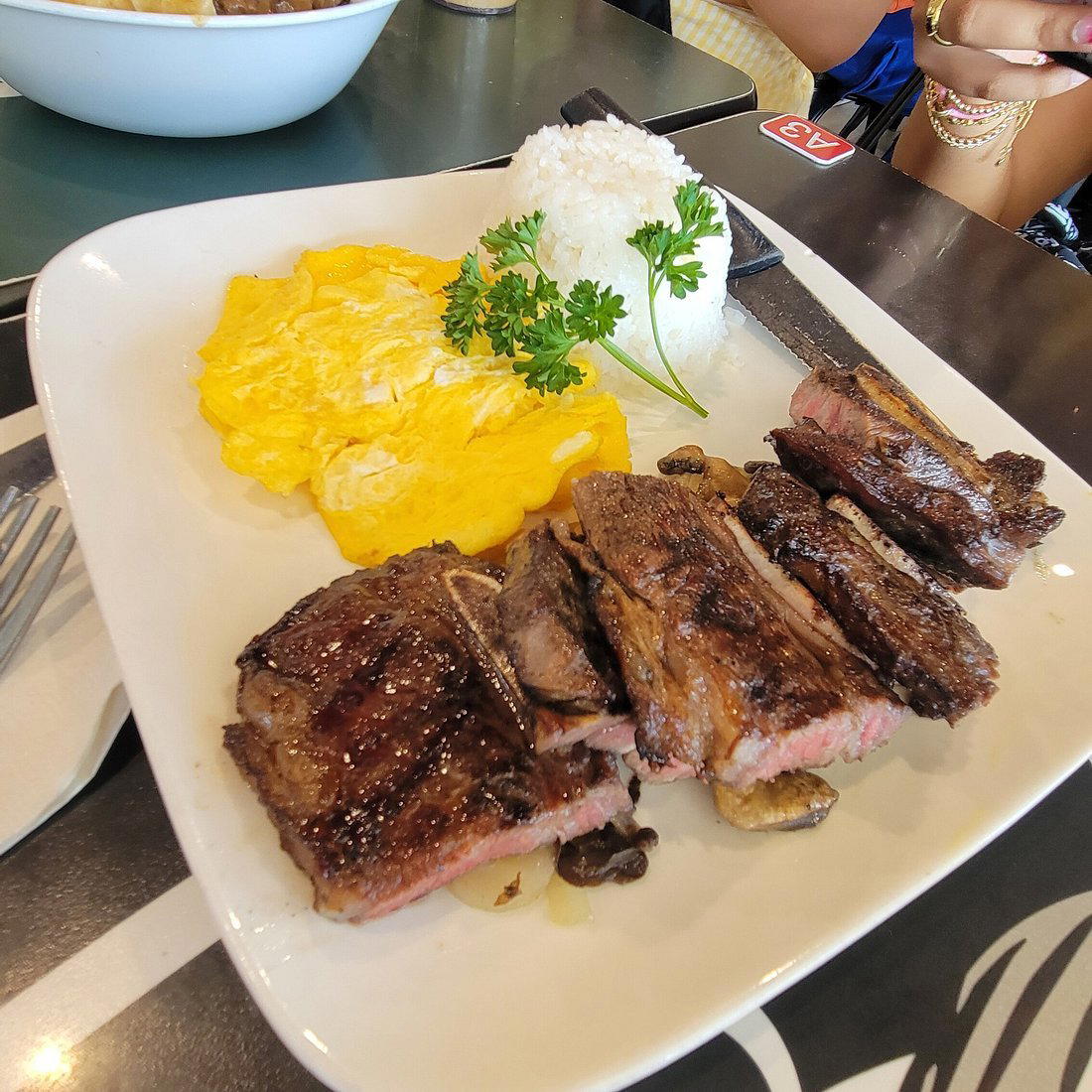
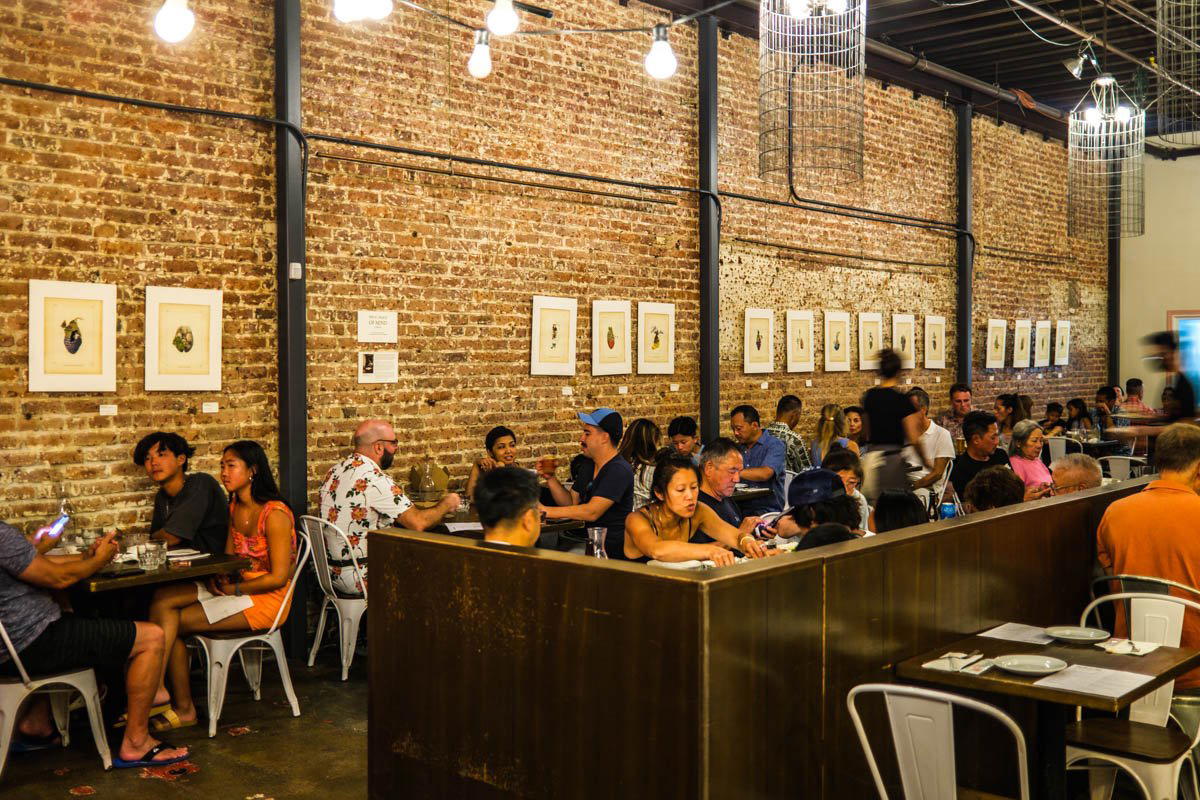
Cozy, community-oriented atmosphere in a barn-like structure with moderate noise and table service for dinner.
Know Before You Go
- Getting there
- 750 Kailua Rd, Kailua, HI 96734