Kaiseki (Silver Nova)

Kaiseki on Silver Nova brings the Japanese art of multicourse haute cuisine to sea, with a minimalist dining room where understated ceramics and spare décor let the food hold the attention. As one of the few dedicated kaiseki formats operating in a cruise context, it positions itself in a narrow tier alongside land-based fine-dining references rather than standard shipboard restaurants. Reservations are handled through Silver Nova's broader dining program.
 Discover on Pearl
Pearl is the En Primeur Club membership app — saves, bookings, and concierge access live there. Same editors, same standards.
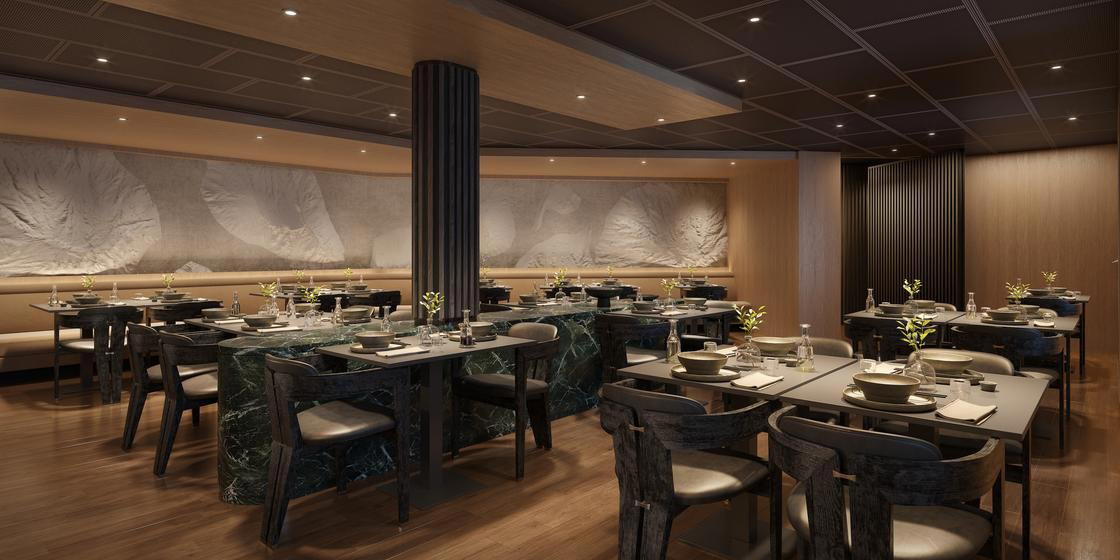
A Floating Counter in a Sea of Maximalism
Cruise dining has long defaulted to scale: vast buffet halls, themed restaurants designed by committee, and menus stretched to satisfy every palate simultaneously. Kaiseki on Silver Nova runs in a different direction entirely. The format draws from one of Japan's most demanding culinary traditions, one built on restraint, sequence, and the idea that each element of a meal should carry seasonal and philosophical weight. Placing that tradition aboard a luxury ship sailing routes that include Monte Carlo is not a gimmick so much as a provocation: can an art form defined by rootedness and local sourcing survive the displacement of ocean travel?
The short answer, based on what Silver Nova has assembled here, is that the question itself is worth sitting with. The dining room strips away the ornamentation that defines many shipboard restaurants. Minimalist décor, understated ceramics, and a restrained colour palette put the focus squarely on what arrives at the table rather than on the room. In a Monaco port context, where land-based competitors like L'Abysse Monte-Carlo and Alain Ducasse at Louis XV anchor some of Europe's most formal dining environments, this deliberate quietness is its own statement.
The Sourcing Question at Sea
Kaiseki as a tradition is inseparable from the concept of shun, the Japanese understanding of peak seasonality, where an ingredient is used at the precise moment it reaches its fullest expression. The kaiseki structure, typically running through eight to twelve courses arranged in a prescribed sequence from lighter to richer and back again, was designed around what was available in a specific region at a specific time. That design logic creates real tension when the kitchen moves across time zones and cannot rely on a fixed network of local suppliers.
Silversea, the line operating Silver Nova, has invested significantly in sourcing infrastructure across its fleet, and the kaiseki concept here is shaped by that commitment. Where land-based kaiseki restaurants in Kyoto or Tokyo draw from regional markets and long-standing producer relationships, a shipboard kitchen must build sourcing partnerships that function across multiple ports. What that means in practice, when the ship is docked in Monaco, is an opportunity to connect the kaiseki sequence to the produce networks of the French-Italian Riviera, one of Europe's most concentrated zones of premium agriculture and coastal fishing.
Monte Carlo's dining scene has always imported ambition from elsewhere, whether from Les Ambassadeurs by Christophe Cussac in the Hôtel de Paris or from the Mediterranean-led sourcing philosophy at Elsa. Kaiseki on Silver Nova sits in that same logic of transplanted culinary ambition, but with the added complexity of a kitchen that must adapt its sourcing as the ship moves. For passengers eating here while docked in Monaco, what arrives on those understated ceramics may well include ingredients that are locally traceable in a way that land-based diners take for granted but that represents genuine logistical achievement at sea.
Where This Sits Relative to Land-Based Japanese Fine Dining
Monaco's Japanese fine-dining options have deepened in recent years. L'Abysse Monte-Carlo operates a high-end omakase format that draws on French produce channelled through Japanese technique, a model that has become familiar in European cities with strong Japanese culinary influence. Kaiseki as a format is distinct from omakase: where omakase centres on the chef's real-time selection and often leans heavily on raw fish preparation, kaiseki is a structured narrative with defined courses, including soup, sashimi, grilled preparations, steamed courses, and a rice course, each with specific roles in the arc of the meal.
At the level of ambition that Silversea is signalling with this format, the relevant comparisons extend beyond Monaco. Serious multicourse tasting formats at sea are now positioning against land-based references in the same price tier. Diners who have eaten at 8½ Otto e Mezzo Bombana in Hong Kong or at precision-driven formats like Alinea in Chicago bring that calibration with them when they sit down aboard. The physical setting of Silver Nova removes the street-level reference points, but the expectation of sequence, sourcing clarity, and technical execution does not move with the tide.
For context closer to home, Blue Bay Marcel Ravin has built a case for how a tasting format can carry a strong sourcing identity through its Caribbean-inflected creativity. Kaiseki on Silver Nova is attempting something analogous but through a Japanese lens: a structured sequence where the sourcing logic and the cultural framework are inseparable from what makes the meal coherent.
Planning Around Silver Nova's Monte Carlo Calls
Kaiseki is included within Silver Nova's dining program as part of Silversea's all-inclusive fare structure, though specific reservation requirements and availability windows vary by sailing. Given that Silver Nova operates a capacity-limited dining room for the kaiseki format, demand among the ship's passengers tends to be concentrated, and booking a table at embarkation or in advance through Silversea's pre-cruise reservation system is advisable. Passengers joining the ship in Monaco, which Silver Nova includes among its Western Mediterranean port calls, should confirm availability before boarding.
For travellers building a broader Monte Carlo dining itinerary around a Silver Nova sailing, the Principality's land-based fine-dining tier is worth noting. Hostellerie Jérôme in La Turbie, just above Monaco, holds two Michelin stars and offers a quieter counterpoint to the Principality's more formal rooms. Louis XV remains the benchmark for ceremonial French dining in the region. Those planning a longer stay can explore our full Monte Carlo restaurants guide, as well as our hotels guide, bars guide, and experiences guide for a fuller picture of what the Principality offers beyond the casino district.
Comparable Spots, Quickly
A quick look at comparable venues, using the data we have on file.
| Venue | Cuisine | Price | Awards | Notes |
|---|---|---|---|---|
| Kaiseki (Silver Nova) | Inspired by kaiseki, the Japanese art of multicourse haute cuisine, this elevate… | This venue | ||
| Pavyllon, un restaurant de Yannick Alléno, Monte-Carlo | Modern Cuisine | €€€€ | Michelin 1 Star | Modern Cuisine, €€€€ |
| Alain Ducasse- Louis XV | French - Provençal | Michelin 3 Star | French - Provençal | |
| Blue Bay Marcel Ravin | Creative | €€€€ | Michelin 2 Star | Creative, €€€€ |
| L'Abysse Monte-Carlo | Japanese | €€€€ | Michelin 2 Star | Japanese, €€€€ |
| Elsa | Mediterranean Cuisine | €€€€ | Michelin 1 Star | Mediterranean Cuisine, €€€€ |
Continue exploring
More in Monte Carlo
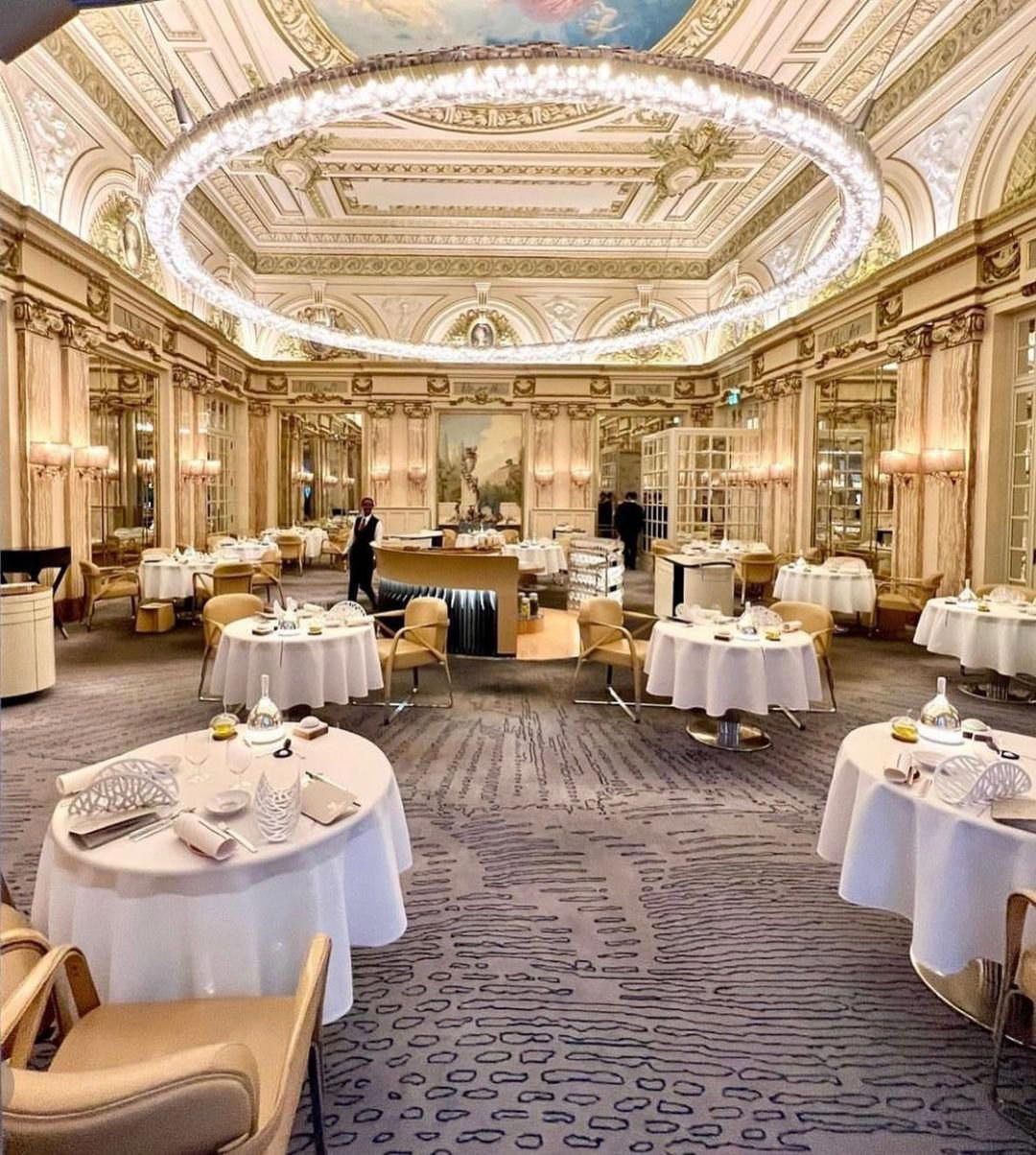
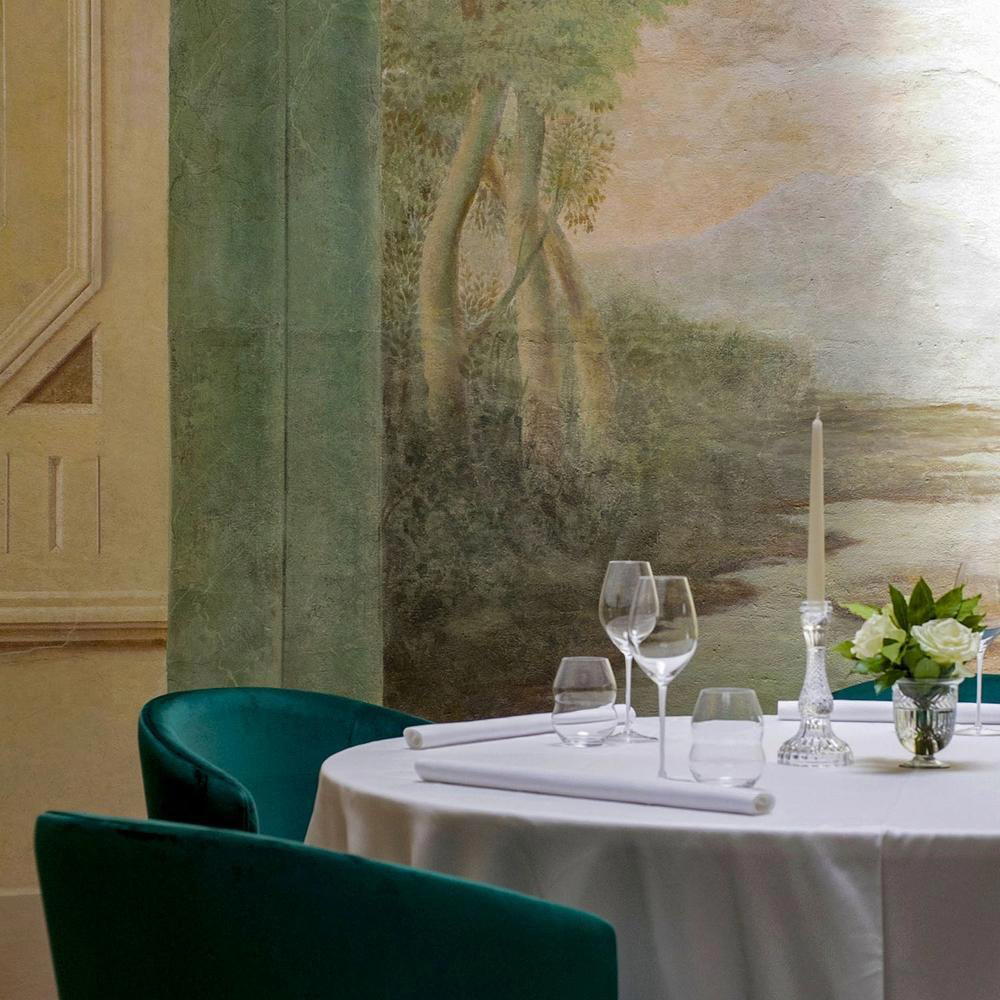
Restaurants in Monte Carlo
Browse all →
Bars in Monte Carlo
Browse all →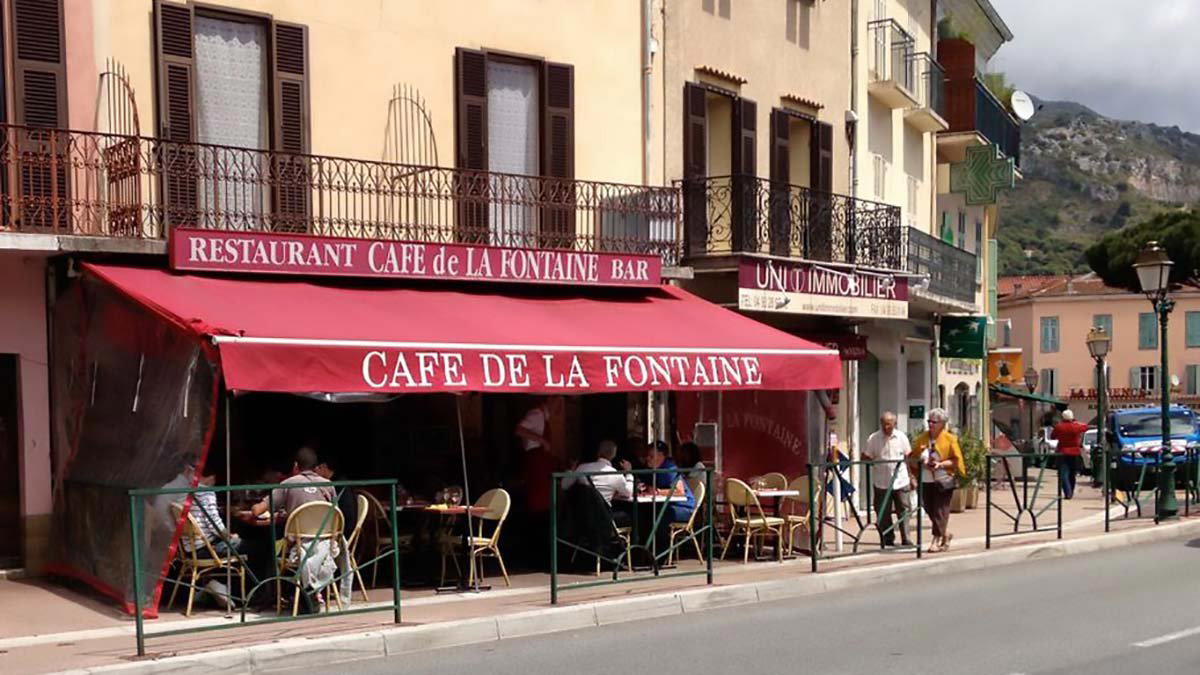
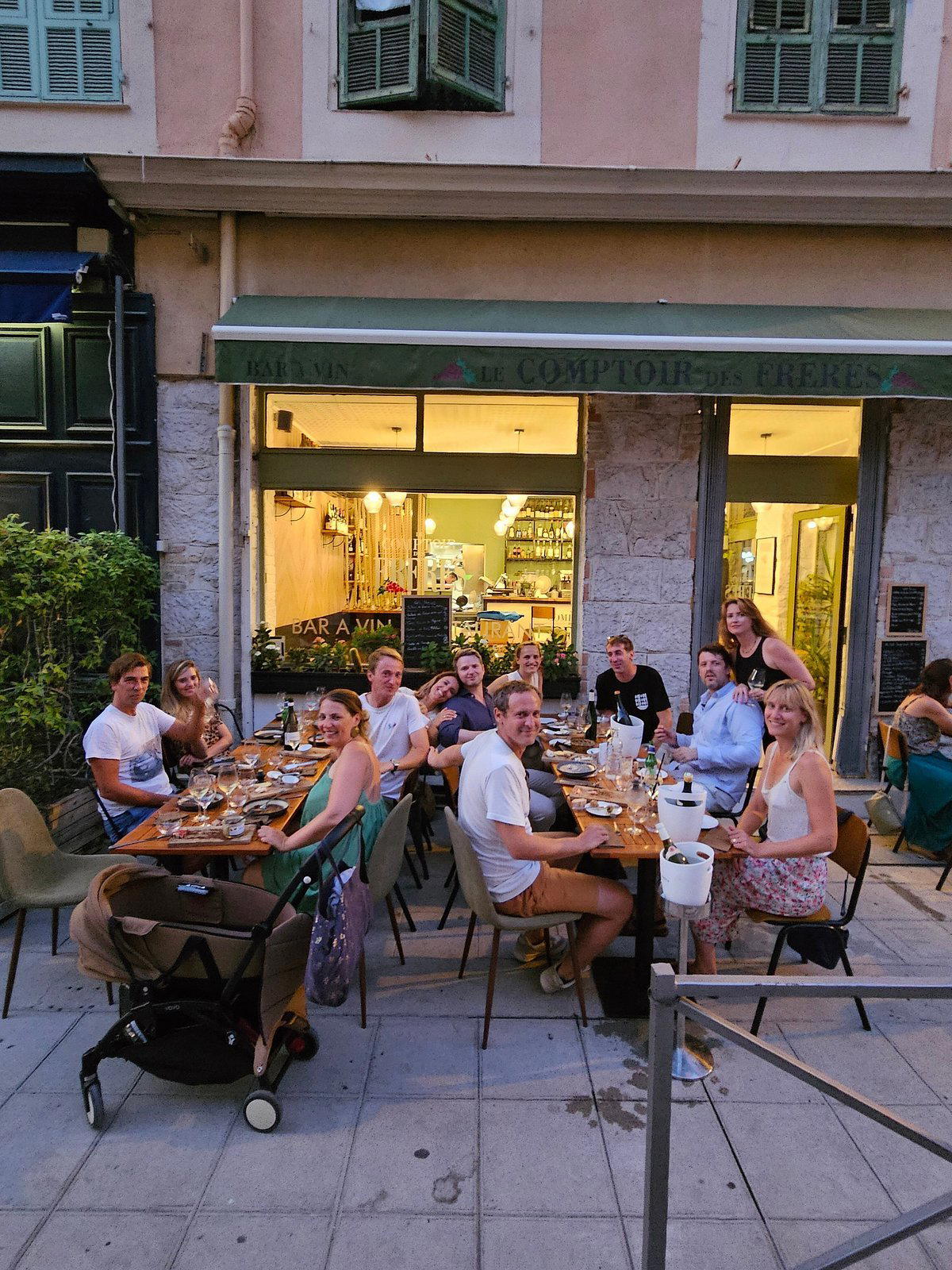
Hotels in Monte Carlo
Browse all →
Wineries in Monte Carlo
Browse all →
At a Glance
- Elegant
- Intimate
- Sophisticated
- Special Occasion
- Celebration
- Date Night
- Hotel Restaurant
Intimate fine-dining atmosphere with contemporary cruise ship design, offering an elevated and refined setting for Japanese haute cuisine.