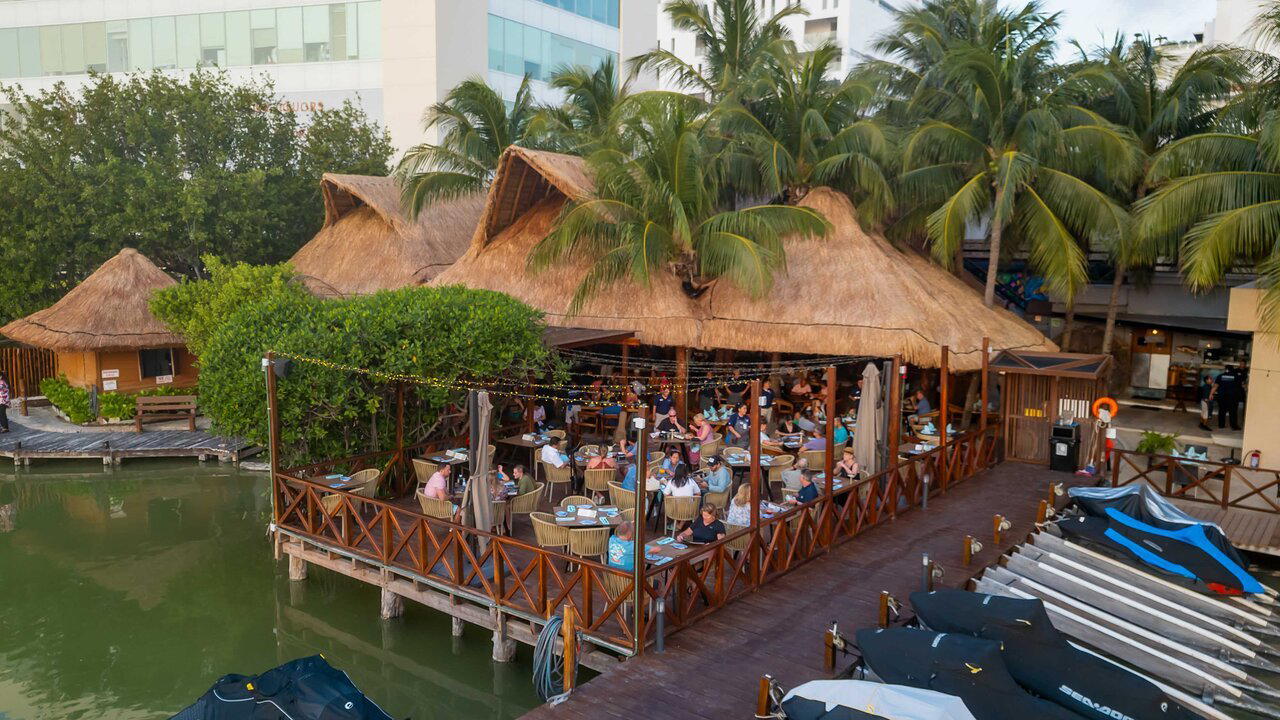
Kai sits inside La Isla Shopping Village, Cancún's open-air canal-side retail complex, placing it within the Hotel Zone's most pedestrian-friendly dining corridor. The setting shapes the experience as much as the menu: waterfront adjacency, consistent foot traffic, and proximity to the zona hotelera's mid-to-upper tier restaurant cluster make it a reference point for visitors assessing the local dining scene.
Pearl is the En Primeur Club membership app — saves, bookings, and concierge access live there. Same editors, same standards.
- Address
- Plaza, La Isla, II, 77500 Cancún, Q.R., Mexico
- Phone
- +529981597999
- Website
- kai.restaurant
- Directions
- Get directions
 Saves & bookings on Pearl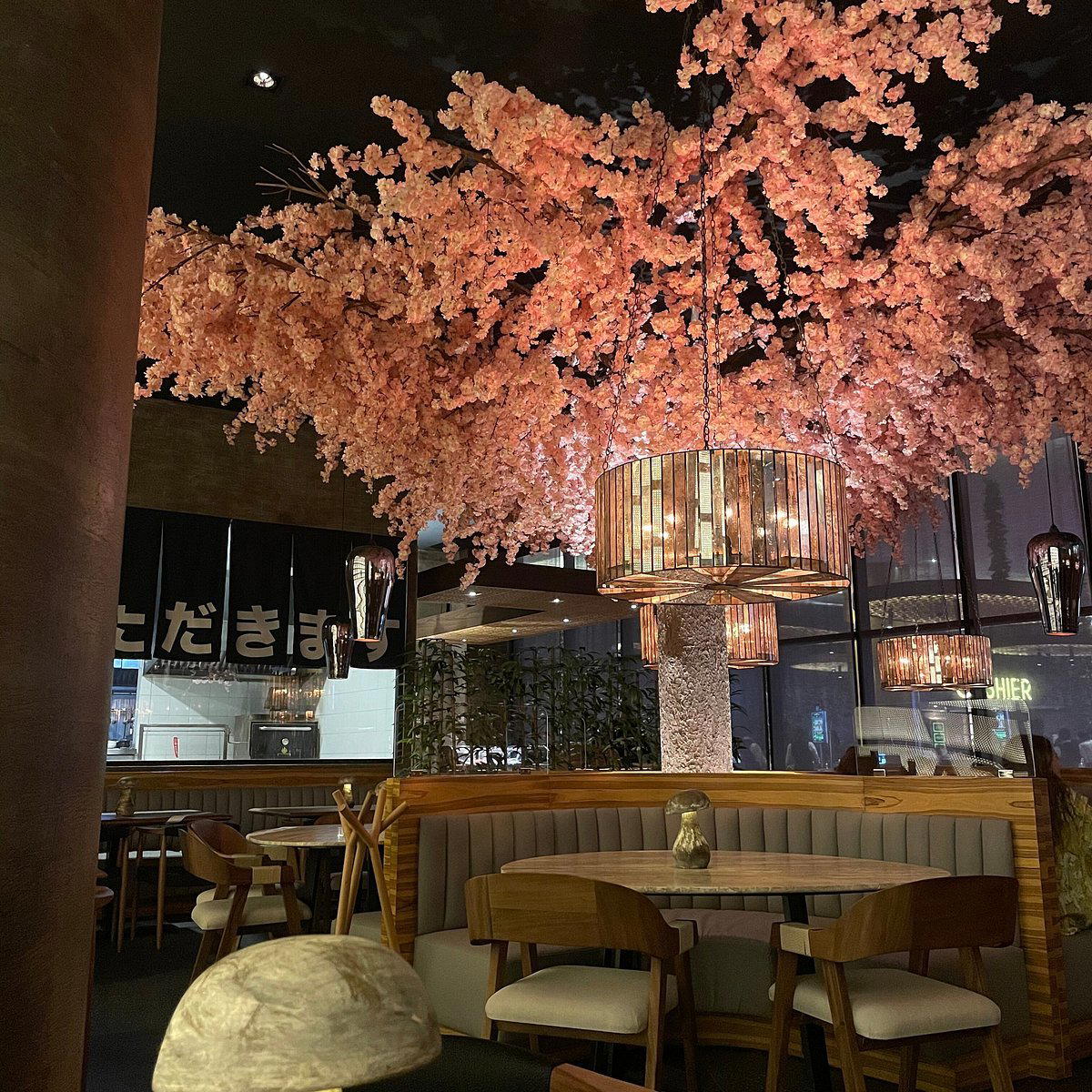
Where La Isla Puts You in Cancún's Dining Order
Cancún's Hotel Zone runs roughly 25 kilometres along a narrow sandbar between the Caribbean and Nichupté Lagoon, and most of its dining energy concentrates in two pockets: the northern stretch near the convention centre and the mid-zone cluster around La Isla Shopping Village. Kai occupies that second node, inside a mall format that has been quietly redefining what shopping-centre dining means in a resort corridor. La Isla is not a conventional enclosed mall. Its design follows an open-air canal layout, with waterways running between retail blocks and restaurants positioned to face the water rather than an interior concourse. That physical arrangement changes the dining calculus considerably.
In most beach resort contexts, the better restaurants sit inside hotels, where captive audiences and F&B; minimums underwrite ambitious kitchens. The mid-zone along Boulevard Kukulcán has pushed back against that model by clustering independent and semi-independent operations in pedestrian-accessible formats. La Isla is the clearest example. Visitors who would otherwise eat three nights at their all-inclusive property venture out specifically because the walk-in format lowers the commitment threshold. Kai benefits from that geography — its address inside Plaza La Isla places it at a transit point rather than a destination that requires deliberate effort.
The Hotel Zone Dining Tier That Kai Occupies
Cancún's restaurant scene sorts into a few distinct tiers. At the upper end, a small number of properties pursue sustained critical recognition: Le Chique in Puerto Morelos (close enough to draw Cancún visitors south along the coast) and a handful of hotel-anchored fine-dining rooms that position against Mexico's broader conversation about contemporary technique. For reference points on what that national conversation looks like at its highest register, Pujol in Mexico City, Alcalde in Guadalajara, and KOLI Cocina de Origen in Monterrey define the critical tier nationally. Cancún's own scene sits at a different altitude — shaped more by resort volume and international visitor expectations than by tasting-menu ambition.
Bombay Cancún signals that the zone has diversified beyond the seafood-and-Mexican duopoly that once dominated. Kai sits inside this mid-zone cluster, where the competitive question is less about culinary ambition and more about execution consistency and value legibility for an international audience.
For comparison, the broader Cancún scene also includes Café con Gracia on the more neighbourhood-oriented end and Capri Pizza Moderna in the accessible casual bracket. See our full Cancún restaurants guide for a mapped breakdown across the city's key corridors.
Reading the La Isla Format
Open-air canal retail complexes have a specific logic that shapes dining behaviour in ways that matter to first-time visitors. The waterway creates a natural deceleration, people slow down along canal edges in ways they don't inside enclosed malls, and evening light over water extends the period when outdoor seating feels desirable. Cancún's climate cooperates with this format for roughly eight months of the year; the June-to-October hurricane season brings humidity and occasional afternoon squalls that compress the outdoor dining window. Visiting between November and March is when the La Isla setting pays off most reliably.
The La Isla address also means Kai is accessible without a car in a city where most good dining sits in hotel properties that require taxis or the R1 bus line running the length of Boulevard Kukulcán. That logistical point is worth more than it sounds in a resort zone where dining decisions often hinge on effort. Visitors staying at properties between the Nichupté bridge and Punta Cancún, the mid and upper Hotel Zone, are within reasonable walking or short taxi distance.
What the Quintana Roo Coast Does to Food Culture
Yucatán Peninsula cooking has a distinct character that separates it from the rest of Mexico's regional traditions. Achiote, habanero, slow-pit cooking techniques, and Caribbean-influenced seafood treatments mark the regional baseline. That tradition sits in tension with the Hotel Zone's historical preference for internationalised menus calibrated to visitors who arrive with little appetite for culinary unfamiliarity. The most interesting dining development along the Riviera Maya over the past decade has been the gradual narrowing of that gap, properties at HA' in Playa del Carmen and the broader movement documented in operations like Levadura de Olla Restaurante in Oaxaca and Animalón in Valle de Guadalupe illustrate how Mexican regional cooking has grown more confident in asserting its own terms.
Cancún's Hotel Zone lags that shift compared to Tulum or Playa del Carmen, which benefit from a visitor profile more oriented toward food-led travel. The La Isla corridor represents the zone's attempt to meet that shift partway: accessible pricing, international formats, and enough variety to hold visitors for multiple visits. How Kai positions itself within that, whether it leans into Yucatecan reference points or opts for a more neutral international register, shapes what kind of experience it is and what kind of visitor it suits leading.
For those wanting to understand what technically demanding contemporary cooking looks like at the higher end of Mexico's spectrum, Lunario in El Porvenir, Pangea in San Pedro Garza García, and Olivea Farm to Table in Ensenada offer useful reference points. And for international benchmarks of what destination dining at the technical extreme looks like, Le Bernardin in New York City and Atomix in New York City represent the kind of critical standard against which any serious dining city measures itself.
Planning a Visit
Kai's address at Plaza La Isla, Boulevard Kukulcán II, Cancún, Quintana Roo, places it within the established mid-Hotel Zone dining corridor. The La Isla complex is served by the R1 bus running Boulevard Kukulcán, making it reachable from most Hotel Zone properties without private transport. Evenings between November and April offer the leading conditions for the canal-side outdoor setting. Given the volume of visitors the La Isla complex generates, arriving earlier in the evening service window, before 8pm on busy season weekends, is advisable. Specific booking requirements, hours, and current pricing were not available at time of publication; confirming directly before visiting is recommended.

At a Glance
- Elegant
- Modern
- Sophisticated
- Date Night
- Special Occasion
- Open Kitchen
- Craft Cocktails
Current opening hours
- Monday
- 1 PM–12 AM
- Tuesday
- 1 PM–12 AM
- Wednesday
- 1 PM–12 AM
- Thursday
- 1 PM–12 AM
- Friday
- 1 PM–12 AM
- Saturday
- 1 PM–12 AM
- Sunday
- 1 PM–12 AM
Hours can change for holidays and private events. Last verified .
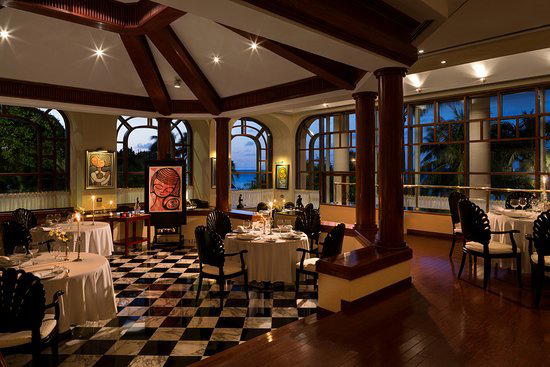
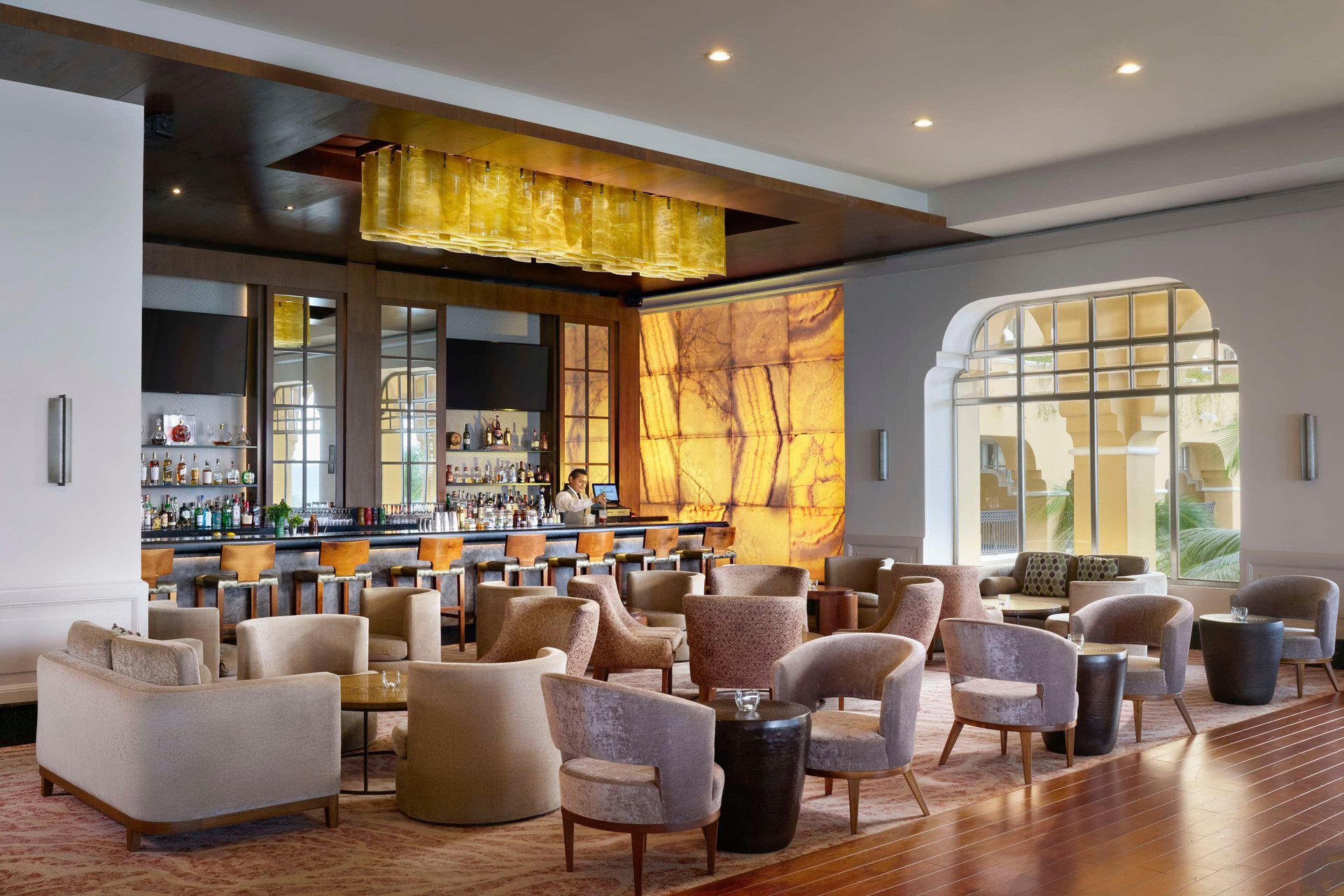
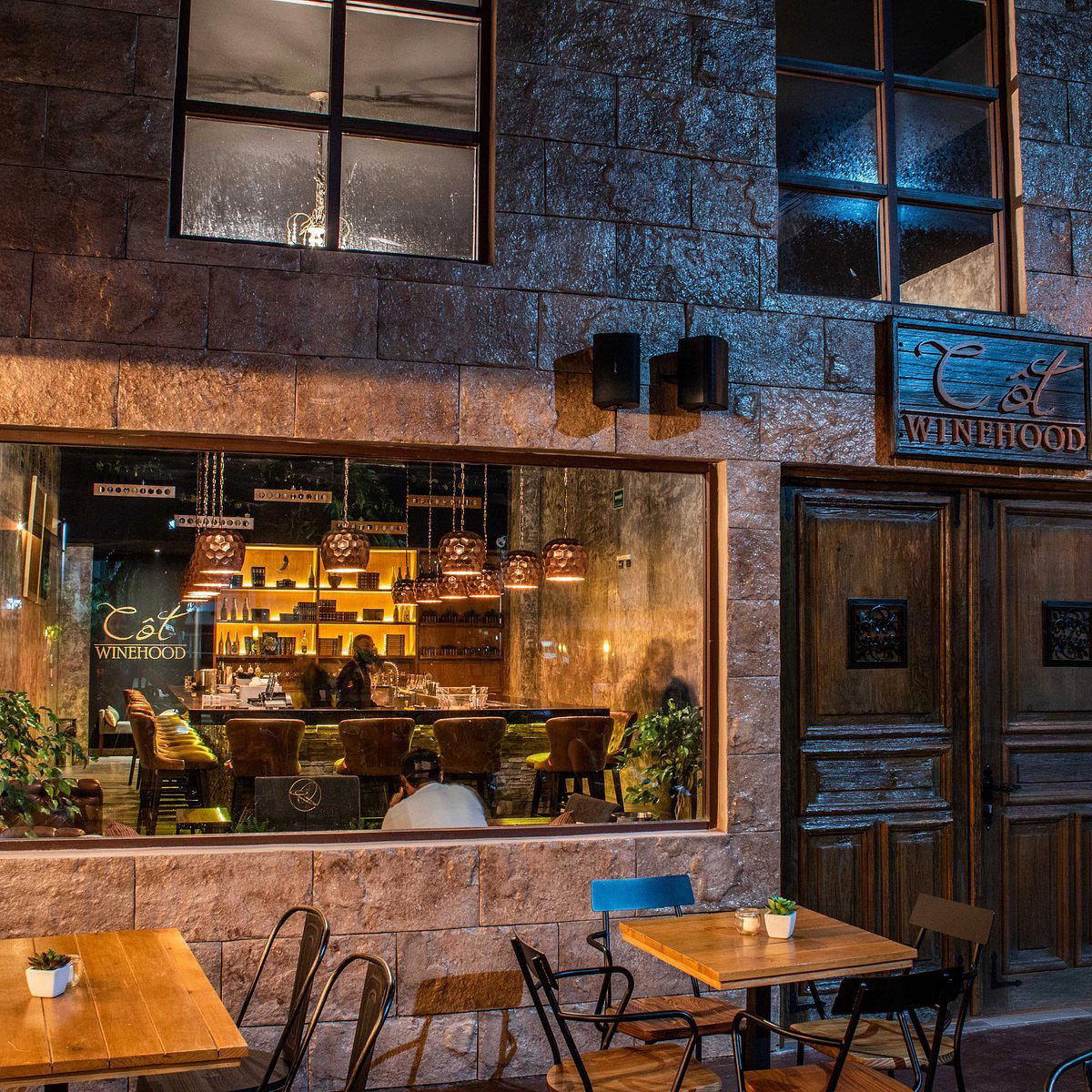
Elegant casual atmosphere with soft music and moderate noise, fostering conviviality among diners.
Know Before You Go
- Getting there
- Plaza, La Isla, II, 77500 Cancún, Q.R., Mexico