RosaNegra sits at Km 15 on Cancun's Hotel Zone strip, where Latin American cooking traditions converge in a format pitched above the resort-buffet tier but below the molecular experimentation of the Riviera Maya's tasting-menu circuit. The menu architecture signals range rather than restraint, drawing on Brazilian, Peruvian, and Mexican foundations within a single, ambitious room.
Pearl is the En Primeur Club membership app — saves, bookings, and concierge access live there. Same editors, same standards.
- Address
- Blvd. Kukulcan Km 15, Zona Hotelera, 77500 Cancún, Q.R., Mexico
- Phone
- +529983134132
- Website
- rosanegra.com.mx
- Directions
- Get directions
 Saves & bookings on Pearl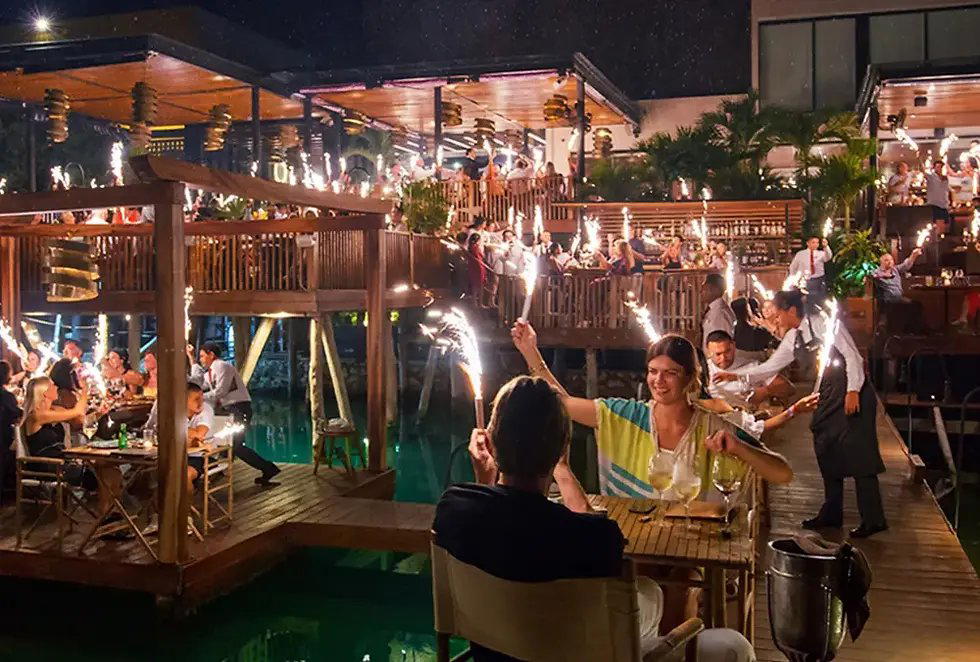
Where the Hotel Zone Gets Serious About Latin American Cooking
Cancun's Hotel Zone is not, by reputation, a place where serious dining happens. The Blvd. Kukulcan corridor is built around volume: beach clubs that seat hundreds, resort restaurants designed for captive guests, and seafood houses that have been running the same lobster-and-ceviche playbook since the 1980s. Lorenzillo's represents that older model well. Le Basilic handles the French-seafood niche. The Club Grill covers the Mexican steakhouse tier. What has historically been absent is a room willing to treat Latin American cooking as a continental project rather than a single-country export.
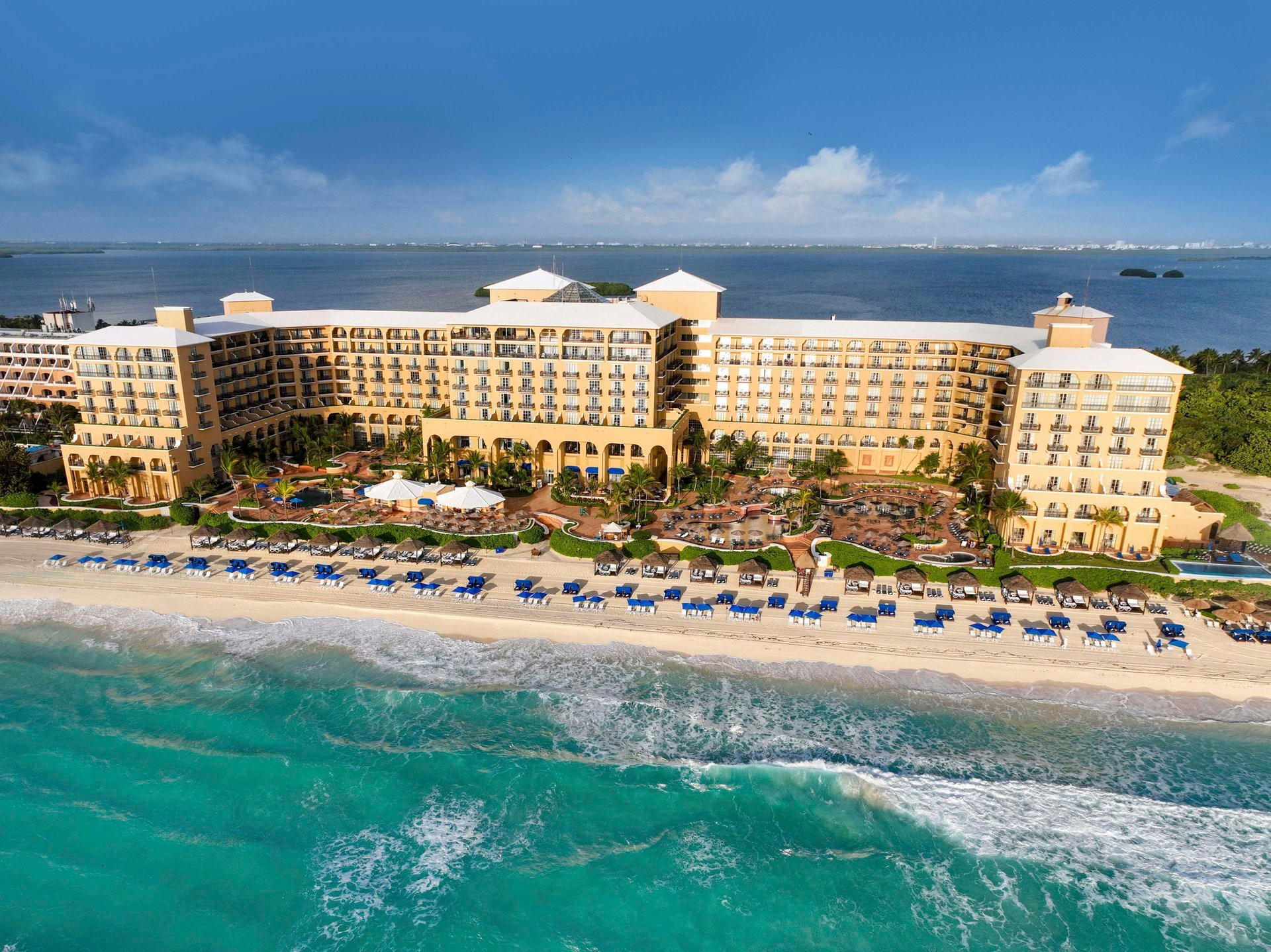
RosaNegra, positioned at Km 15 in the heart of the Hotel Zone, occupies that gap. The address alone matters: Km 15 places it squarely among the zone's higher-footfall restaurant blocks, where visitors are choosing dinner deliberately rather than defaulting to the closest option. The setting communicates intent before the menu arrives. This is not a resort overflow room or a beach shack with table service. The format signals that multiple Latin American culinary traditions will be treated with equal seriousness under one roof, which is a harder editorial position to hold than it sounds.
The Menu as a Map of Latin America
The structural logic of RosaNegra's menu is the most revealing thing about the restaurant's ambitions. In most Hotel Zone dining rooms, the menu is a list of available dishes. Here, it functions closer to a curatorial argument: that Brazilian churrasco, Peruvian ceviche technique, and Mexican coastal and interior cooking are not competing traditions but complementary ones, capable of sharing a single dining experience without any one of them being diluted.
This is the format that has driven RosaNegra's sustained recognition in Cancun. The range is not an accident of crowd-pleasing but a deliberate structural choice, and it creates a dining dynamic that few of its direct competitors can replicate. La Casa de las Mayoras handles Mexican cooking at the mid-market tier well. Kiosco Verde executes direct seafood reliably. Neither is attempting the cross-continental synthesis that RosaNegra has committed to. For context on what serious Mexican kitchen ambition looks like at the national level, Pujol in Mexico City represents the benchmark for technique-driven Mexican cooking, while Le Chique in Puerto Morelos shows what the Riviera Maya can produce when a kitchen takes a fully structured tasting format seriously. RosaNegra sits between those two poles: more accessible in format than Le Chique, more ambitious in scope than the Hotel Zone average.
Across Mexico, the most interesting dining rooms right now are those that treat regional specificity as a competitive advantage rather than a tourist-friendly shorthand. Levadura de Olla Restaurante in Oaxaca and KOLI Cocina de Origen in Monterrey exemplify that approach in their respective cities. RosaNegra's answer to that question is different: rather than drilling into a single region, it makes breadth its argument, using the Latin American canon as source material across a single menu.
Reading the Room: Atmosphere and Format
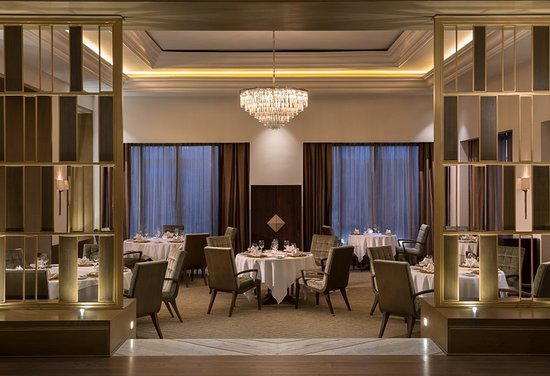
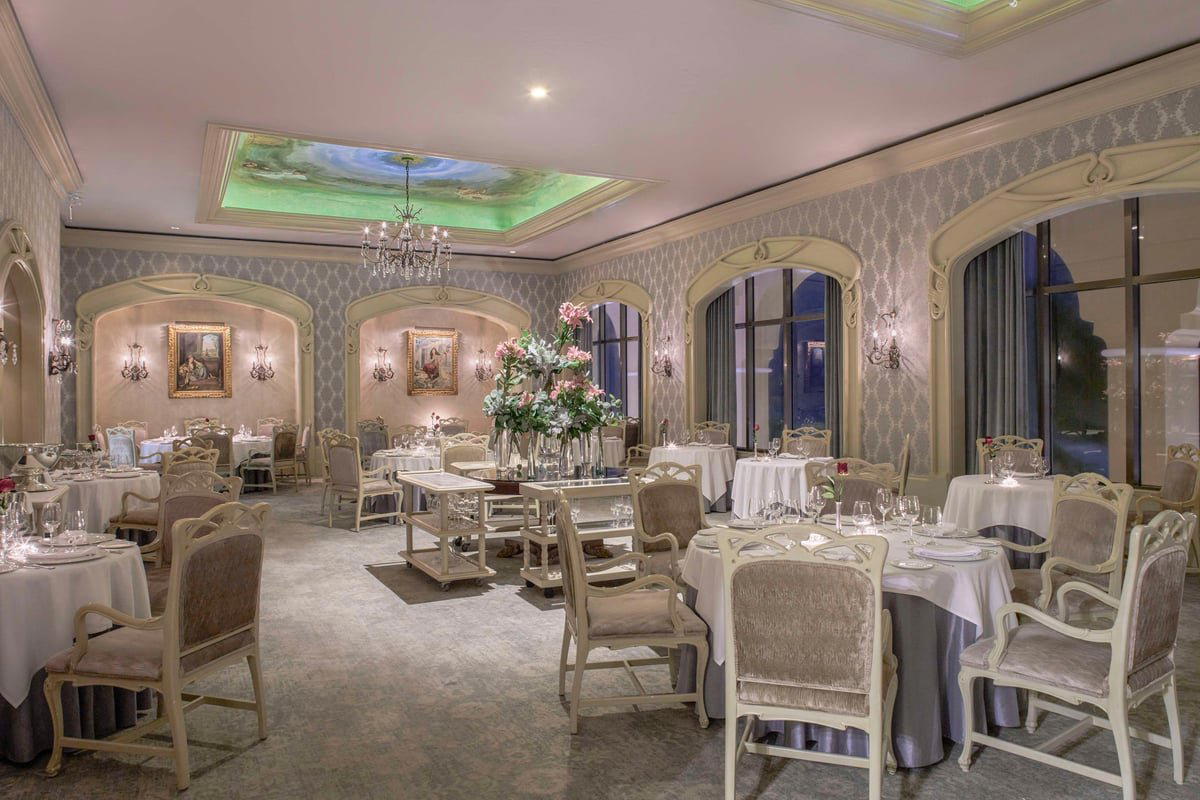
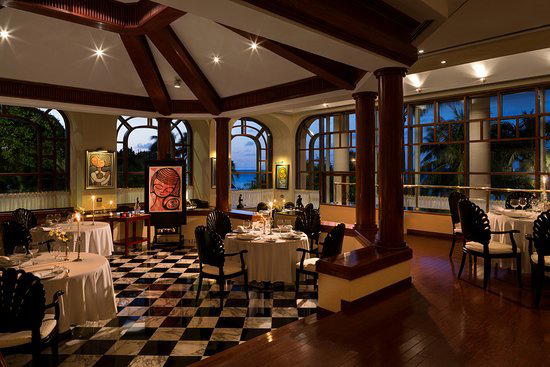
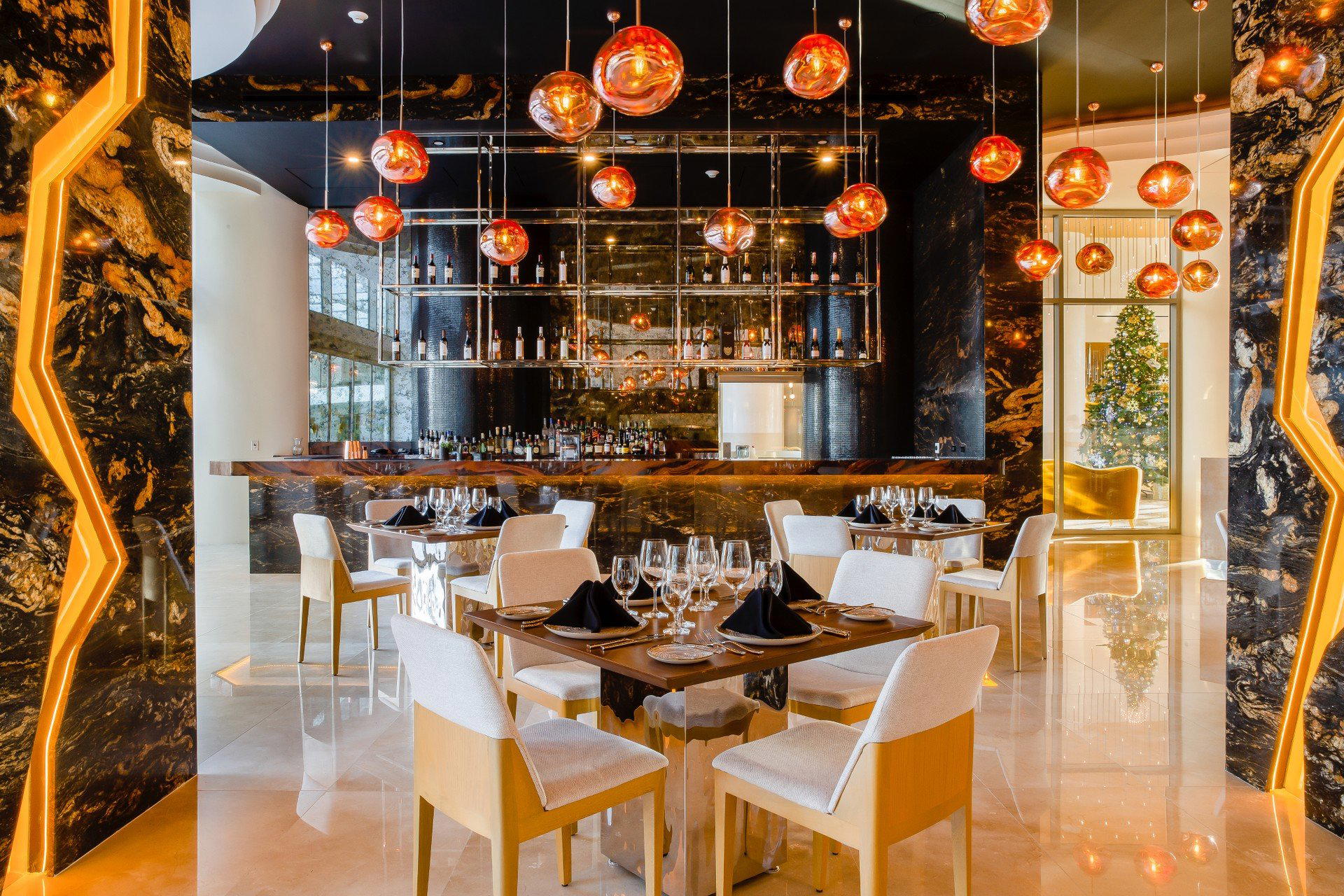
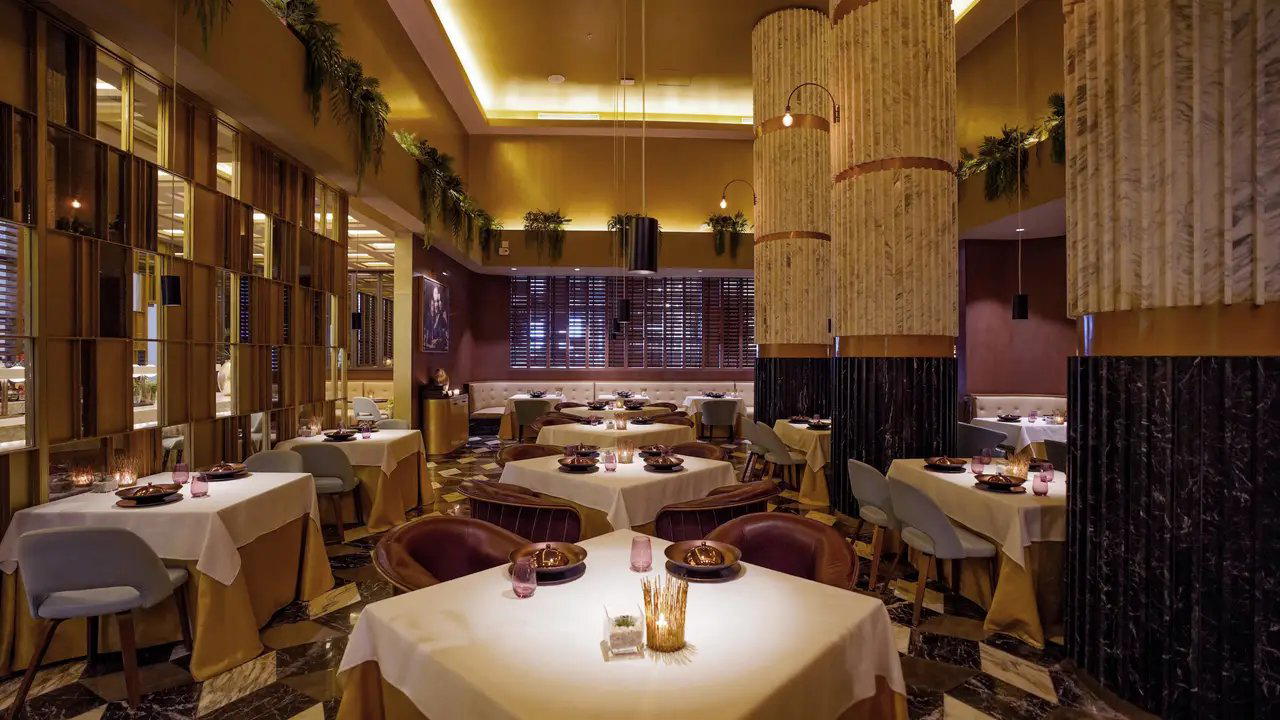
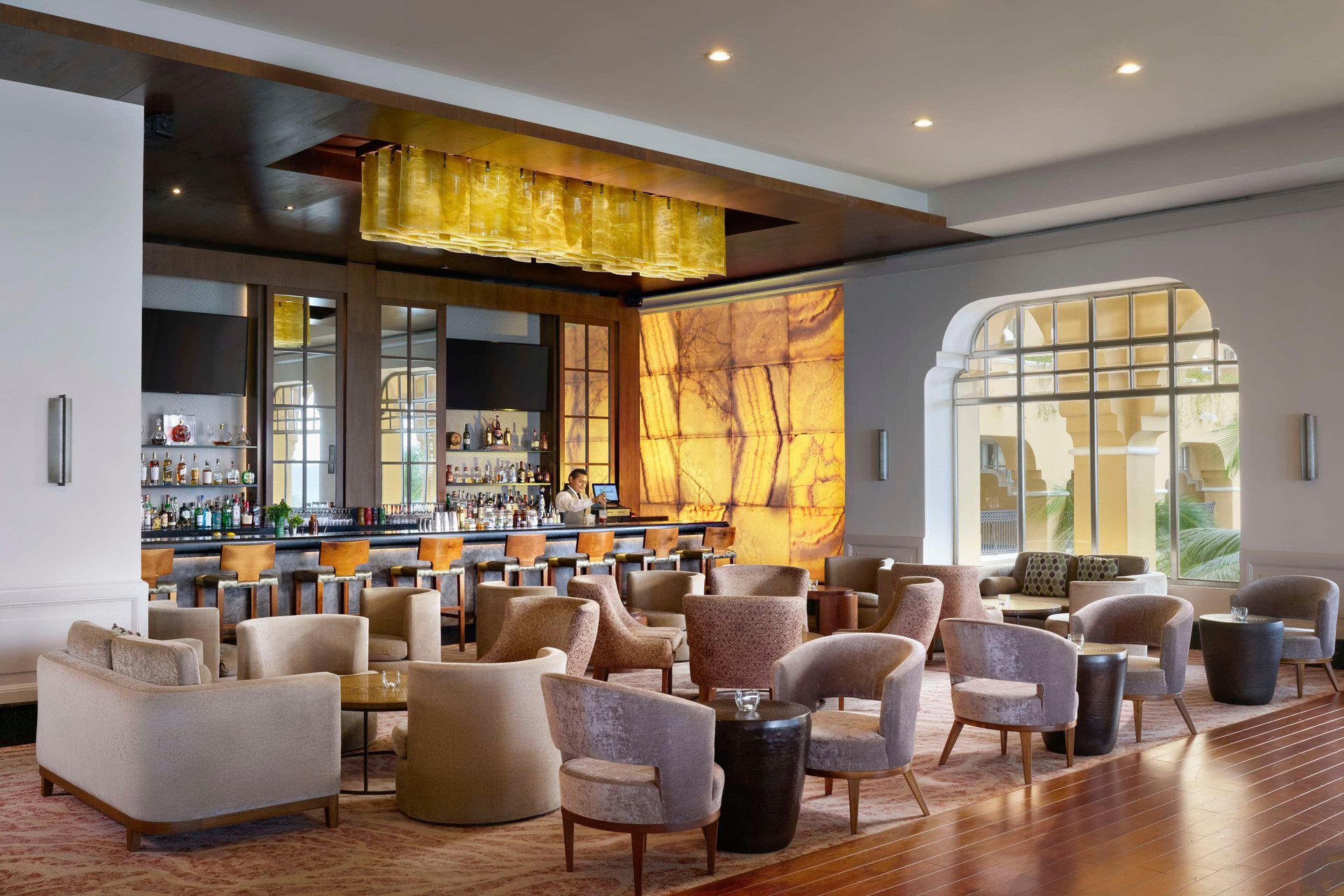
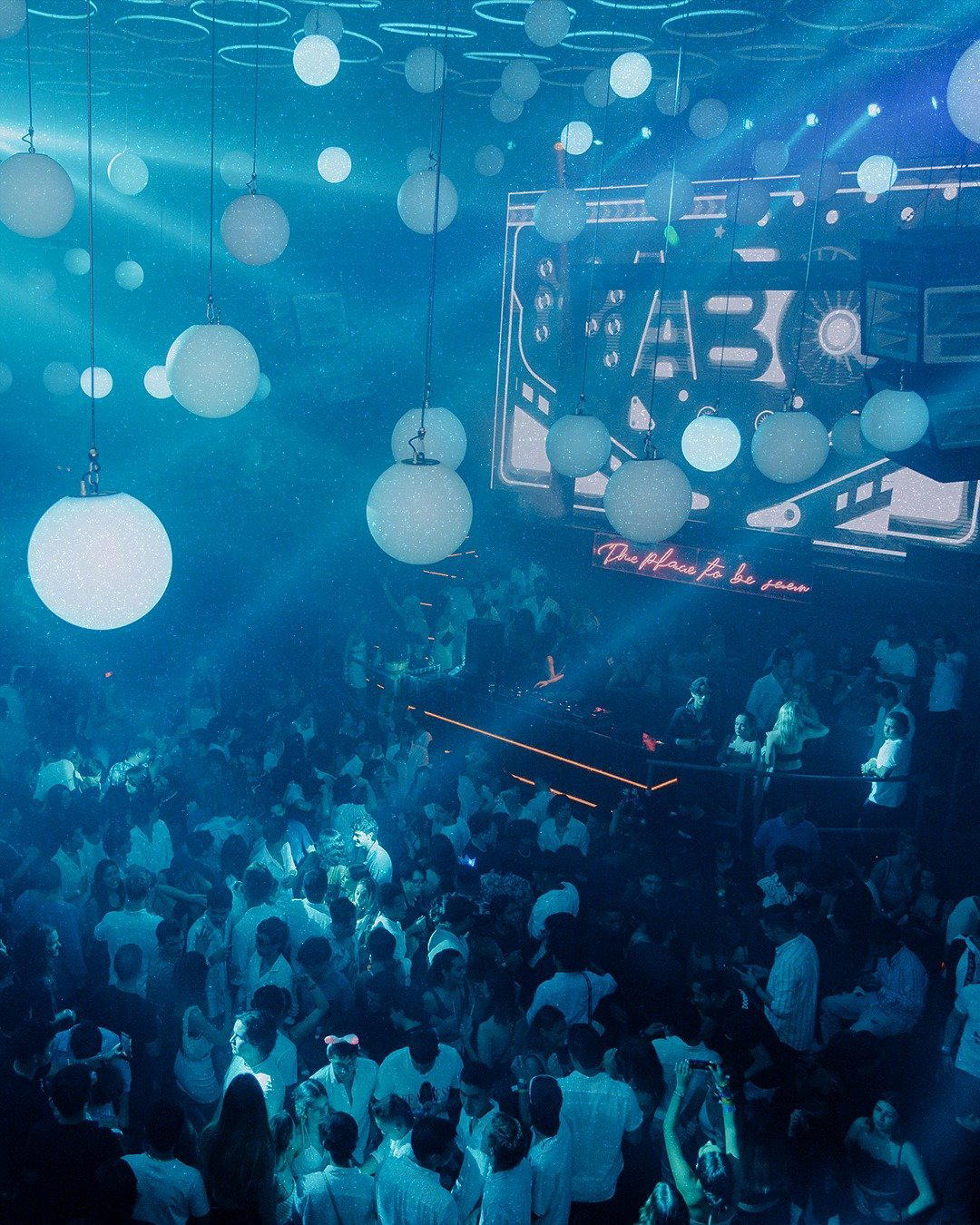
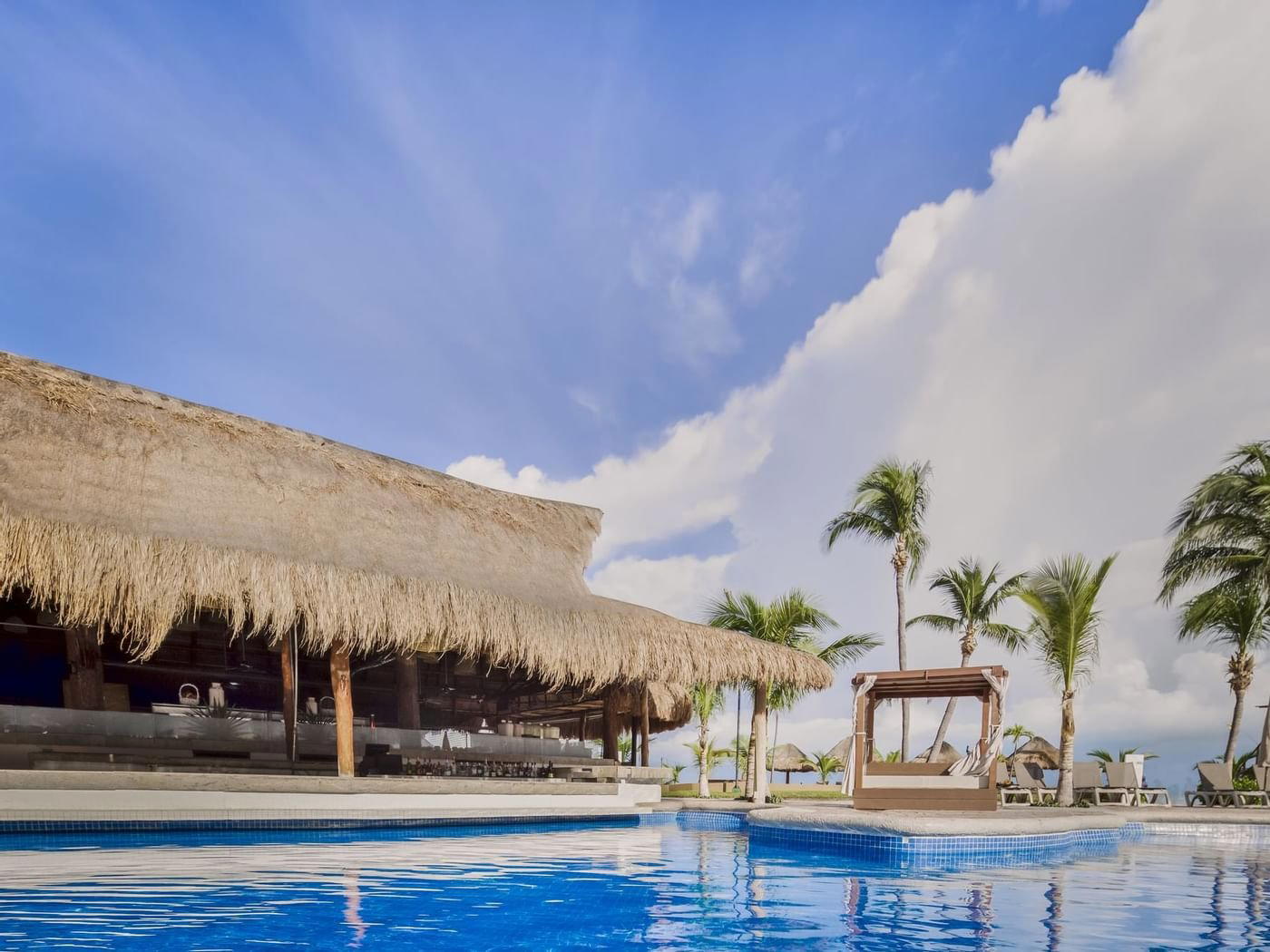
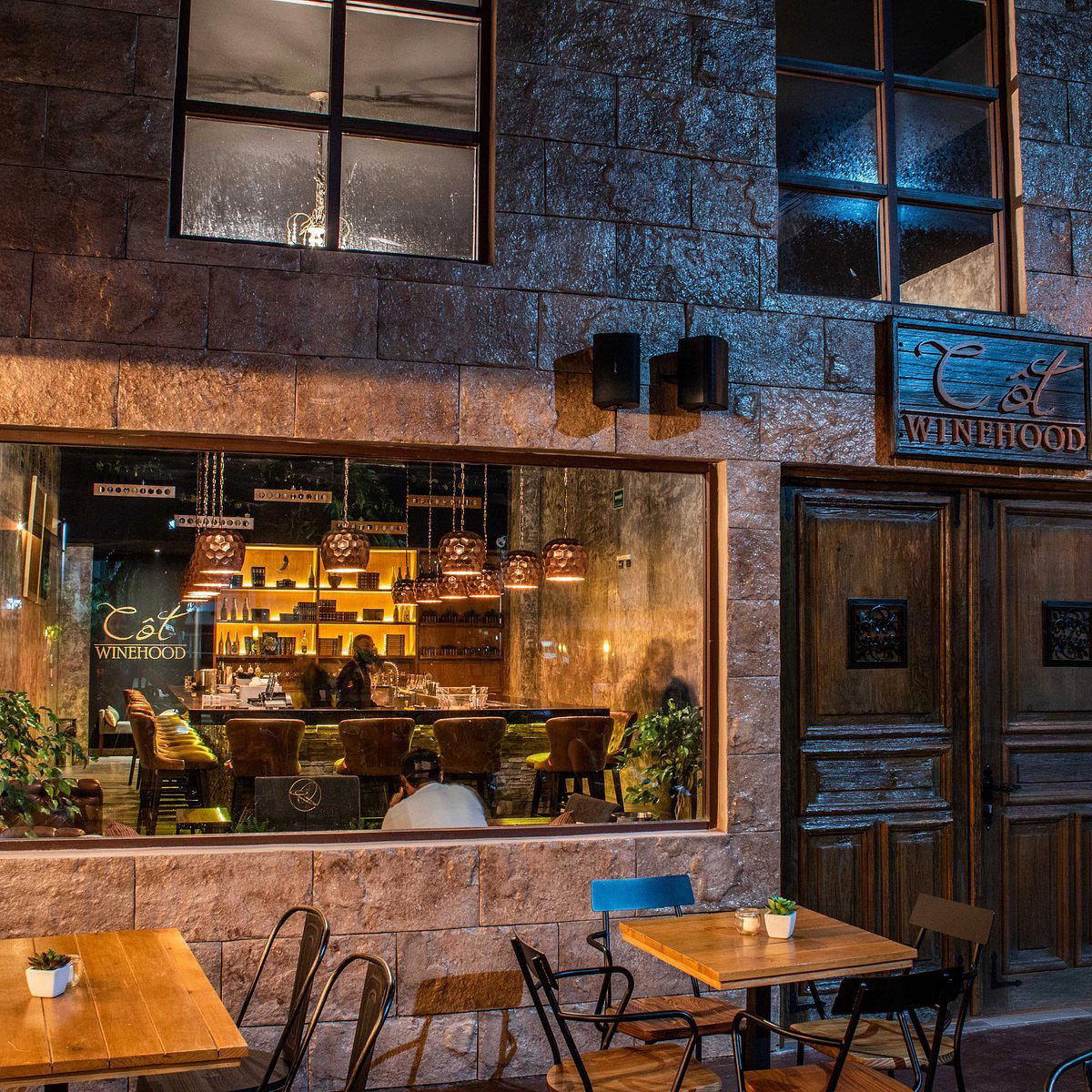
The physical environment at RosaNegra reflects the same editorial logic as the menu. This is a room designed for a visit that begins with drinks and expands, not for a quick pre-show dinner or a solo business meal. The layout and energy suit groups and couples arriving with time to move across multiple sections of the menu, which is precisely the behavior the format rewards. A table that orders narrowly, treating it like a conventional single-cuisine restaurant, will miss what the kitchen is actually doing.
For planning purposes: the Hotel Zone's restaurant tier at this level tends to fill on weekends and during peak tourist windows, which in Cancun run from late December through February and again across the spring break period. Walk-in availability at dinner is genuinely variable; the format and profile of the restaurant mean that some nights the room absorbs casual arrivals, while others require a prior reservation. Arriving without a booking mid-week outside peak season carries less risk than a Saturday in January. The address at Km 15 is accessible by taxi from most Hotel Zone hotels in under ten minutes, and the stretch is well-served by the R-1 hotel zone bus route for visitors comfortable with that option.
Cancun in Its Mexican Dining Context
Cancun occupies an unusual position in Mexico's dining geography. It generates significant restaurant revenue and international visitor traffic, but its kitchens have historically operated in a category apart from the restaurants that shape the national conversation. The dining rooms that attract serious critical attention tend to cluster in Mexico City, Oaxaca, Guadalajara, and the Baja wine corridor. Animalón in Valle de Guadalupe, Alcalde in Guadalajara, Olivea Farm to Table in Ensenada, and Pangea in San Pedro Garza Garcia all operate inside culinary ecosystems with deep local supplier networks and engaged local audiences who eat out frequently at that level.
Cancun's dining scene is structurally different: its primary audience is transient, international, and eating out on holiday schedules rather than as part of a habitual dining culture. That context makes RosaNegra's format sensible. A menu structured around cross-Latin American range serves an audience arriving from across the Americas and Europe who may be encountering certain techniques for the first time, while still delivering enough kitchen discipline to hold the interest of repeat visitors and regional food travellers. HA' in Playa del Carmen operates in a similar tourist-primary market along the Riviera Maya with a more focused format. RosaNegra's wider scope is a deliberate adaptation to the Hotel Zone's particular guest mix.
For visitors building a Cancun itinerary around dining rather than treating food as an afterthought, the broader Cancun restaurants guide maps the full tier structure across the Hotel Zone and downtown. Within the Hotel Zone specifically, RosaNegra represents one of the more considered options for a full dinner rather than a snack or a resort fallback. Other directions worth considering include Café con Gracia for a lighter, more casual format, Bodega Argentina and Asador La Vaca Argentina if the evening calls for a dedicated South American grill room, or Bombay Cancún and Capri Pizza Moderna for entirely different culinary registers. The Hotel Zone has more range than its reputation for homogeneity suggests, and RosaNegra sits at the more serious end of that range.
For calibration against the global high end, the kitchens at Le Bernardin in New York City and Atomix in New York City show what fully structured, single-minded culinary programs produce at their ceiling. RosaNegra is not competing in that category, nor is it attempting to. Its competitive set is the Hotel Zone's dinner tier, and within that context, the range and ambition of its menu architecture place it in a clearly distinct position from the seafood and resort-kitchen alternatives that dominate the same strip. Lunario in El Porvenir offers another point of comparison for what a destination-format dining room in a non-obvious Mexican location can achieve when the kitchen commits to a defined point of view.

At a Glance
- Lively
- Elegant
- Trendy
- Energetic
- Celebration
- Date Night
- Group Dining
- Special Occasion
- Live Music
- Waterfront
- Terrace
- Open Kitchen
- Craft Cocktails
- Waterfront
Current opening hours
- Monday
- 1 PM–2 AM
- Tuesday
- 1 PM–2 AM
- Wednesday
- 1 PM–2 AM
- Thursday
- 1 PM–2 AM
- Friday
- 1 PM–2 AM
- Saturday
- 1 PM–2 AM
- Sunday
- 1 PM–2 AM
Hours can change for holidays and private events. Last verified .
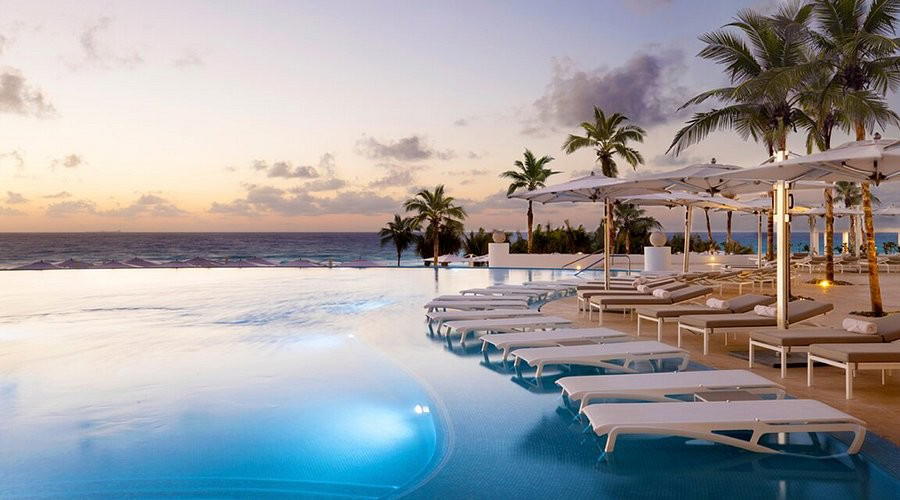
Chic and far-reaching decor with a lively yet elegant atmosphere enhanced by lagoon views and terrace seating.
Know Before You Go
- Getting there
- Blvd. Kukulcan Km 15, Zona Hotelera, 77500 Cancún, Q.R., Mexico