An Italian-named restaurant on Cancún's Hotel Zone boulevard, Chianti Cancún occupies a stretch of Zona Hotelera where European dining concepts compete alongside Mexican and seafood-heavy alternatives. The name signals a wine-forward, Mediterranean orientation that positions it differently from the resort corridor's dominant seafood and steakhouse formats. For visitors working through the Zone's dining options, it represents a distinct register worth understanding.
Pearl is the En Primeur Club membership app — saves, bookings, and concierge access live there. Same editors, same standards.
- Address
- Blvd. Kukulcan Manzana 52-Km. 11.5, El Rey, Zona Hotelera, 77500 Cancún, Q.R., Mexico
- Phone
- +529988489305
- Website
- opentable.com.mx
- Directions
- Get directions
 Saves & bookings on Pearl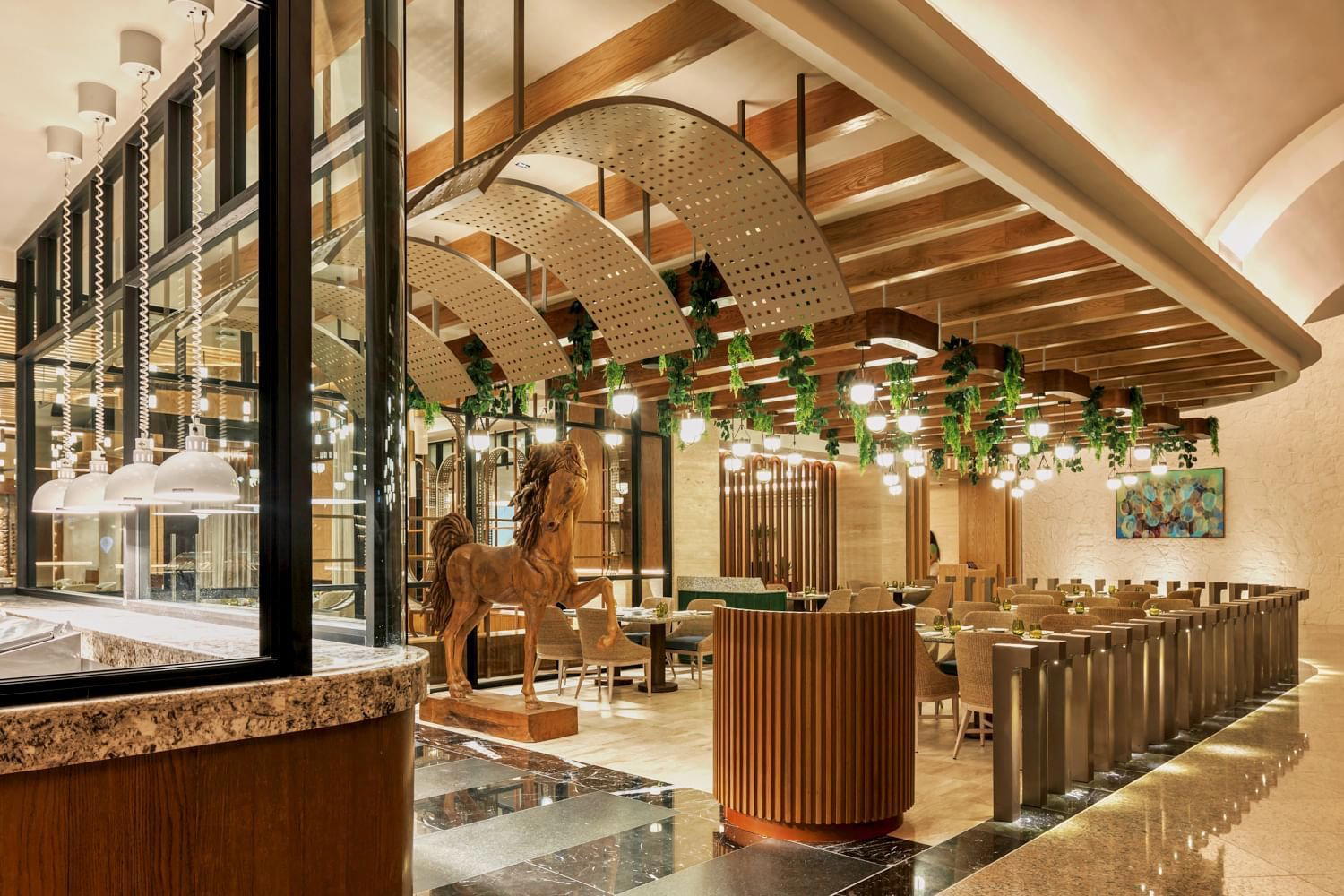
Italian Signals in a Seafood-Dominant Corridor
The Zona Hotelera runs roughly 22 kilometres along a barrier island between the Caribbean and Laguna Nichupté, and the dining options along its boulevard have historically clustered around a predictable axis: large-format seafood, Mexican steakhouse hybrids, and international hotel restaurants calibrated for volume rather than specificity. Against that backdrop, a name like Chianti Cancún reads as a deliberate positioning choice. Chianti, the Tuscan wine classification anchored in Sangiovese, carries a specific cultural shorthand in dining contexts: candles in bottles, pasta made with intention, a wine list that acknowledges the Italian peninsula rather than just stocking Cabernet. Whether a restaurant delivers on that implied contract is the question most worth asking in a corridor where the name and the execution frequently diverge.
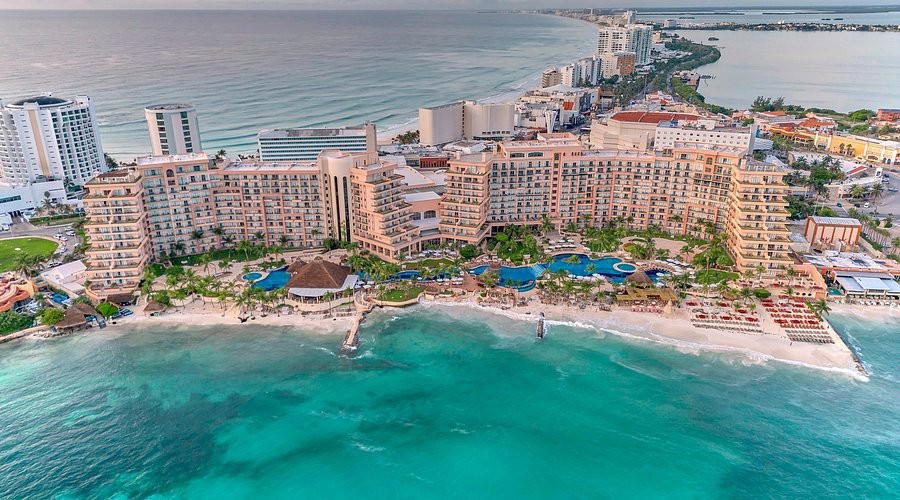
The address places Chianti Cancún at Km. 11.5 of Boulevard Kukulcan, in the El Rey section of the Hotel Zone. That kilometre marker sits in the middle stretch of the Zona, past the concentrated resort cluster near the northern lagoon crossing but before the quieter southern end. It is a location that draws from the general hotel corridor traffic rather than from a specific neighbourhood anchor, which is typical of how mid-zone dining properties in Cancún build their audience.
How the Menu Framing Works Here
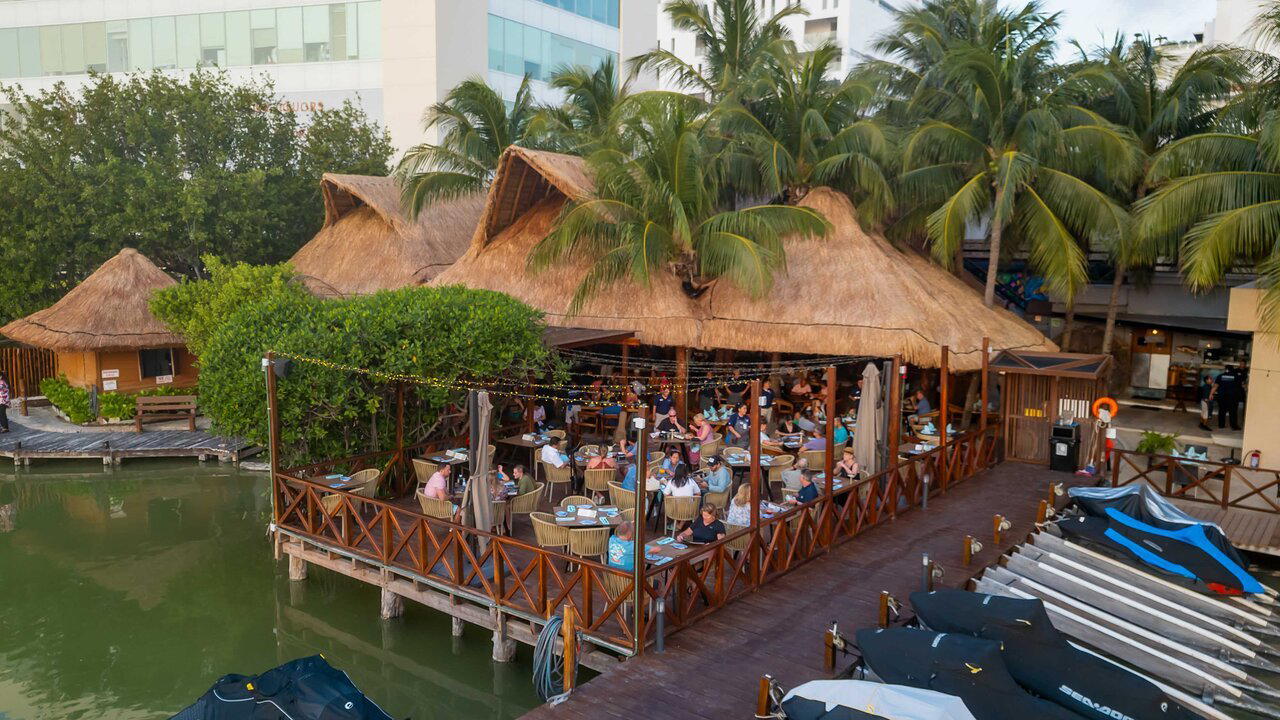
In the Zona Hotelera's competitive set, menu architecture is one of the cleaner indicators of what a restaurant is actually trying to do. A place like Lorenzillo's, operating on the lagoon near Km. 10.5, organises its entire offer around the visual spectacle of live seafood tanks and an open-air pier setting, with the menu structure following from that theatrical premise. The Club Grill at Fiesta Americana Coral Beach runs a Mexican steakhouse format where the protein programme and private-label tequila selection carry more editorial weight than any single dish. Le Basilic, the French seafood counter at the Grand Fiesta Americana, pitches toward classical technique and shorter seatings.
A restaurant anchored to the Chianti name convention suggests a different structural logic: a menu more likely organised around antipasti, pasta, and secondi progressions than around a single dominant protein category. This kind of Italian-format structure has practical implications for how a table eats. The meal is designed to move through textures and temperatures sequentially rather than arriving around a centrepiece dish, and the wine programme, if it follows the name's implication, should work across that progression rather than functioning as a single-pairing proposition. For a group eating dinner rather than a quick lunch, that format offers more decision-making latitude than the seafood-tower or single-cut-steak model that dominates competing venues nearby.
This matters in Cancún specifically because the broader Mexican dining scene has been evolving rapidly at the serious end, with tasting-format restaurants like Le Chique in Puerto Morelos and ambitious modern-Mexican programmes like Pujol in Mexico City or HA' in Playa del Carmen raising the ceiling on what regional dining can look like. Italian-format restaurants in resort corridors serve a different function: they provide familiarity and structural comfort for travellers who want reliable execution over experimentation. That is not a lesser goal, but it does define the category the restaurant is operating in.
Where It Sits in Cancún's European Dining Options
The Hotel Zone's European-leaning dining options occupy a specific tier below the high-end hotel dining rooms but above the street-level casual international chains. In this bracket, wine list depth and pasta quality are the two variables that most reliably separate the credible options from the merely named ones. Visitors approaching Chianti Cancún from that angle should be assessing those two elements against the room's price signal and service calibre before forming conclusions about value.
For comparison, the Spanish-influence options like Café con Gracia and the Argentine-oriented restaurants such as Asador La Vaca Argentina and Bodega Argentina draw on different European culinary lineages that similarly distinguish themselves from the seafood-Mexican mainstream of the Zone. Each makes a structural bet that a segment of the Hotel Zone's visitor base wants a European-format meal during a week that otherwise runs on ceviche and tacos al pastor. The Italian version of that bet, as Chianti Cancún represents it, has a reasonable historical track record in resort markets: familiarity with Italian formats is high among North American and European travellers, the ingredient sourcing requirements are achievable, and the wine story writes itself.
It is worth situating this against what is happening in Mexico's more serious dining circuits. Restaurants like Alcalde in Guadalajara, KOLI Cocina de Origen in Monterrey, and Levadura de Olla in Oaxaca are building programmes deeply rooted in Mexican ingredient sourcing and culinary identity. Animalón in Valle de Guadalupe, Lunario in El Porvenir, and Olivea Farm to Table in Ensenada are pushing wine-country dining in Baja forward in ways that the resort corridor has not matched. Pangea in San Pedro Garza García represents a different kind of northern-Mexico seriousness. Cancún's Zona Hotelera is not in conversation with those circuits, and it would be a mistake to evaluate it as if it were. It serves a distinct traveller profile on a distinct timeline, and European-format restaurants like Chianti Cancún address a genuine gap in that local offer.
For those who want to go further in either direction from Italian-format dining in the Zone, Capri Pizza Moderna represents a more casual Italian register, while Bombay Cancún offers an Indian-format alternative for those seeking something further outside the corridor's dominant modes. The full scope of what the city's dining options cover is mapped in our full Cancun restaurants guide. For international benchmark comparison, restaurants like Le Bernardin in New York City and Lazy Bear in San Francisco illustrate how far the category can extend when ambition and infrastructure fully align.
Planning a Visit
Chianti Cancún sits at Km. 11.5 on Boulevard Kukulcan, reachable from most Hotel Zone properties by taxi or the R-1 bus route that runs the length of the Zone. Visitors from the northern hotel clusters near Km. 5-9 should factor in approximately 10-15 minutes by taxi depending on traffic conditions on the boulevard, which can slow considerably during peak evening hours.
Compact Comparison
| Venue | Cuisine | Price |
|---|---|---|
| Chianti CancúnThis venue — the venue you are viewing | Not listed | Not listed |
| Lorenzillo's | Seafood | Not listed |
| Kiosco Verde | Seafood | $$ |
| La Casa De Las Mayoras | Mexican | $$ |
| Le Basilic | French Seafood | Not listed |
| The Club Grill | Mexican Steakhouse | Not listed |

At a Glance
- Romantic
- Elegant
- Cozy
- Intimate
- Sophisticated
- Date Night
- Special Occasion
- Celebration
- Live Music
- Hotel Restaurant
- Private Dining
- Extensive Wine List
Current opening hours
- Monday
- 6–11:30 PM
- Tuesday
- Closed
- Wednesday
- 6–11:30 PM
- Thursday
- 6–11:30 PM
- Friday
- 6–11:30 PM
- Saturday
- 6–11:30 PM
- Sunday
- 6–11:30 PM
Hours can change for holidays and private events. Last verified .
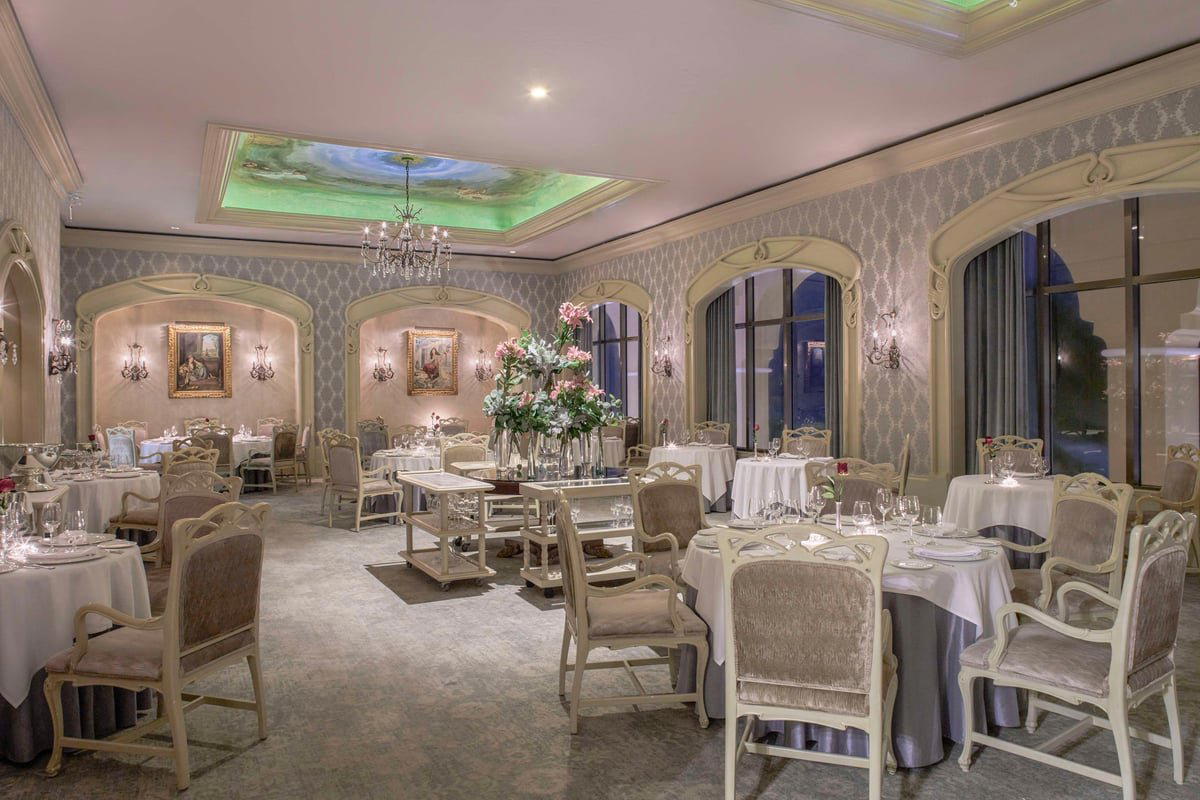
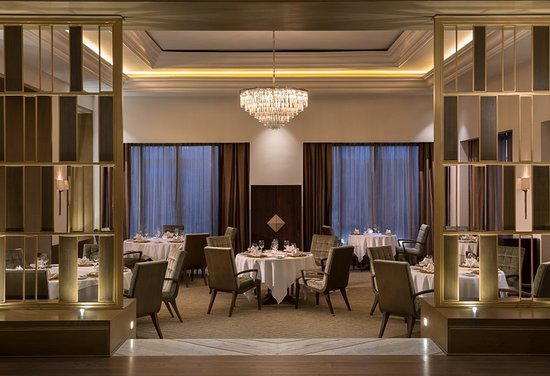
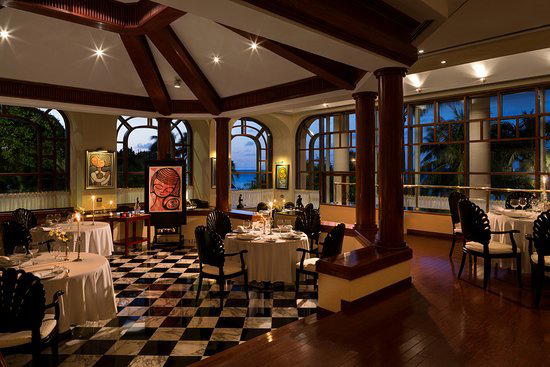
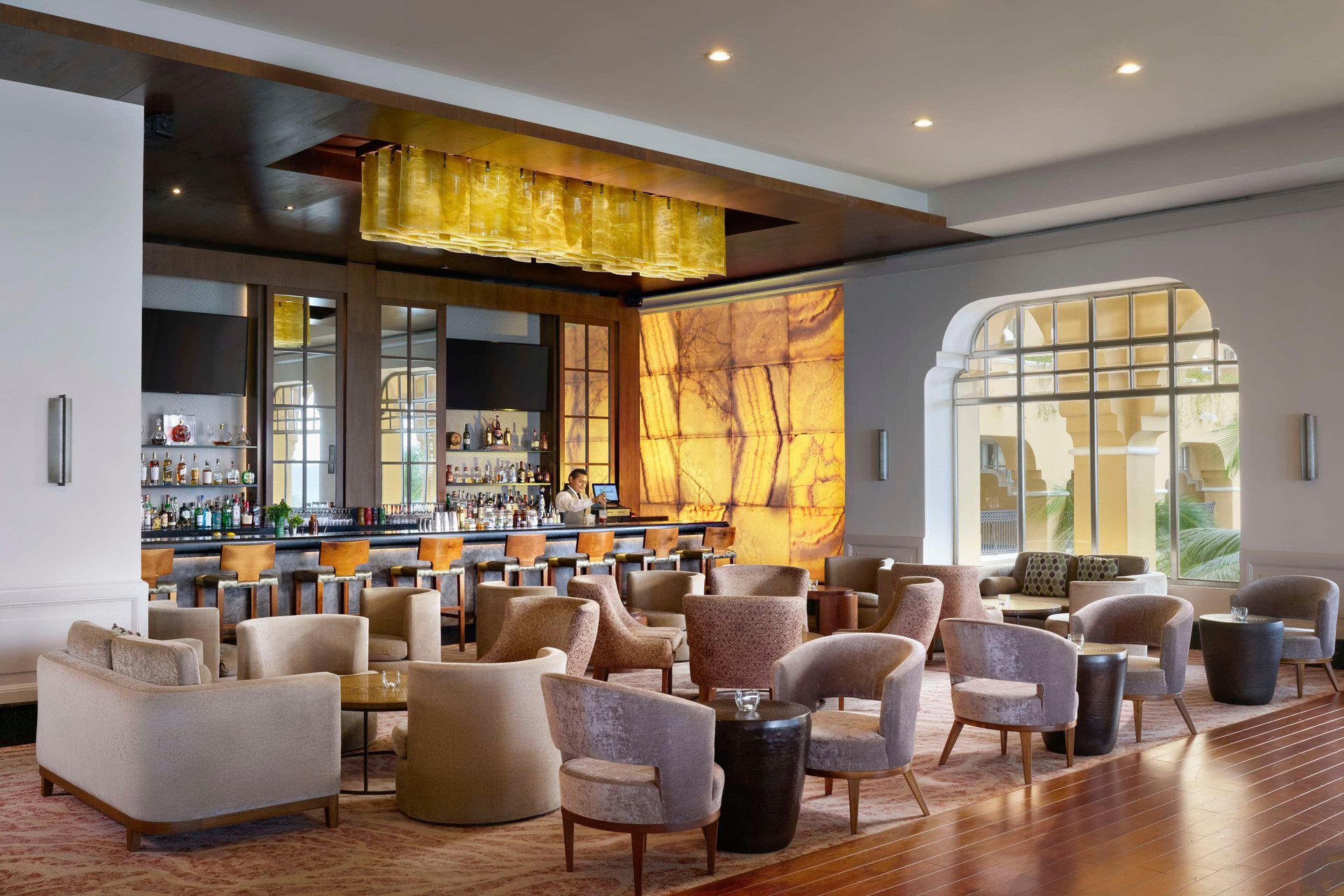
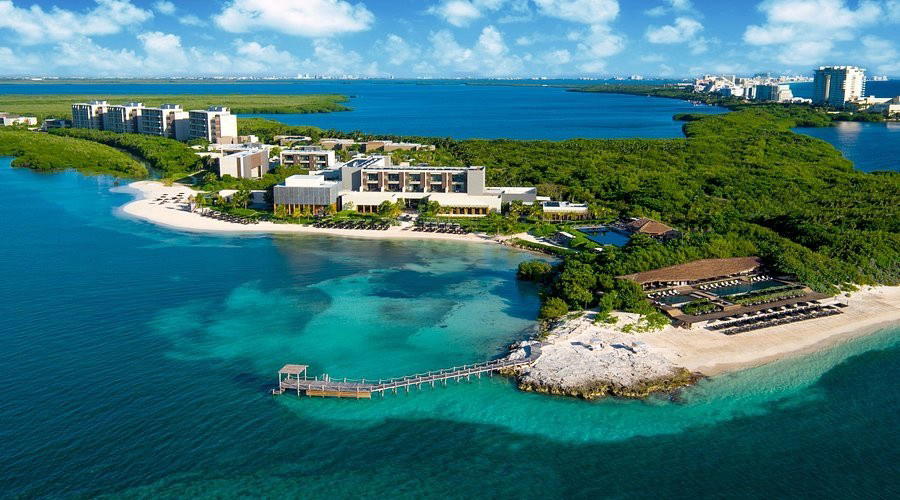
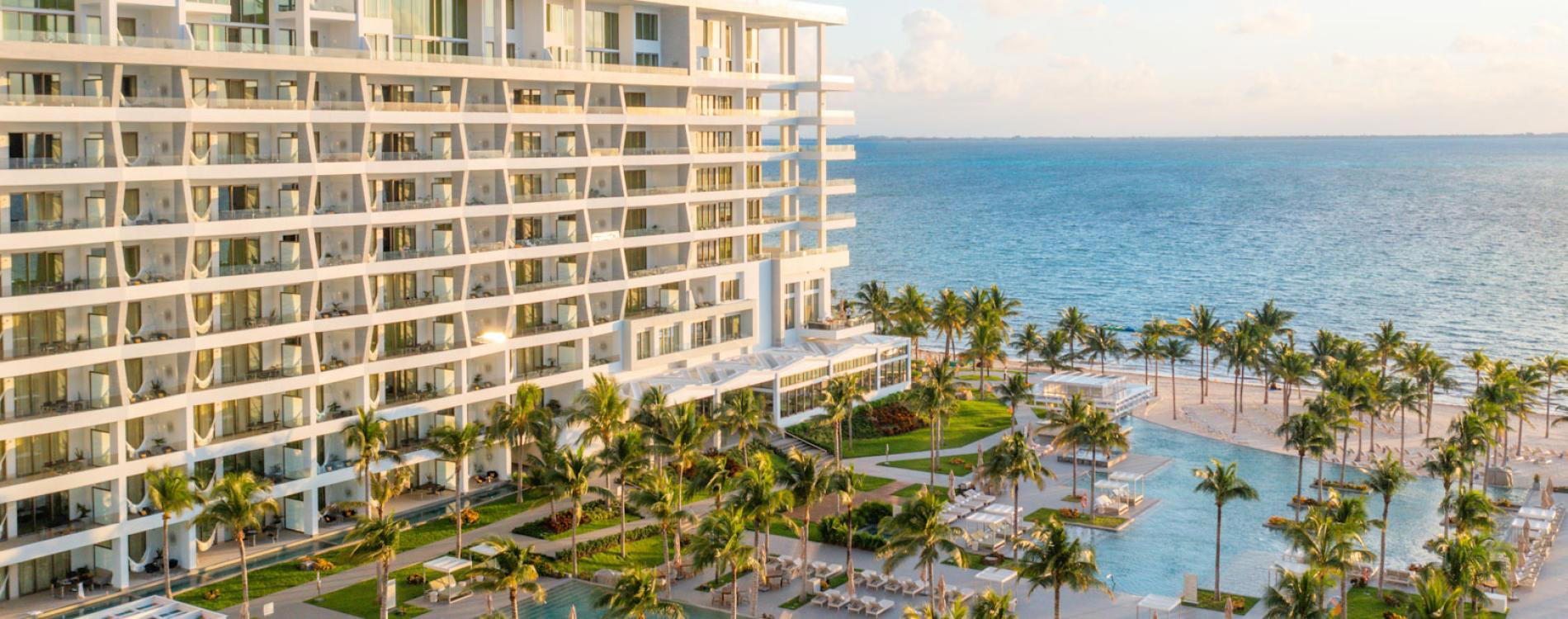
Cozy and romantic atmosphere with elegant decoration, warm lighting, and live music enhancing the intimate dining experience.
Know Before You Go
- Getting there
- Blvd. Kukulcan Manzana 52-Km. 11.5, El Rey, Zona Hotelera, 77500 Cancún, Q.R., Mexico