Kahani

The Good Food Guide GFG Good
Our verdict
From the former head chef of Tamarind, Kahani occupies a gilded basement room in Chelsea's Wilbraham Place, pairing Indian spices and cooking techniques with British seasonal ingredients. The open kitchen anchors a menu that runs from seared scallops with star anise to venison keema with truffle naan, supported by a wine list built around spice-friendly bottles and pre-theatre and weekend roast formats.

Pearl is the En Primeur Club membership app, where members save venues, book tables and use the concierge.
The menu
What to order
- Butter Chicken
- Soft Shell Crab
- Chicken Tikka
- Tandoori Broccoli
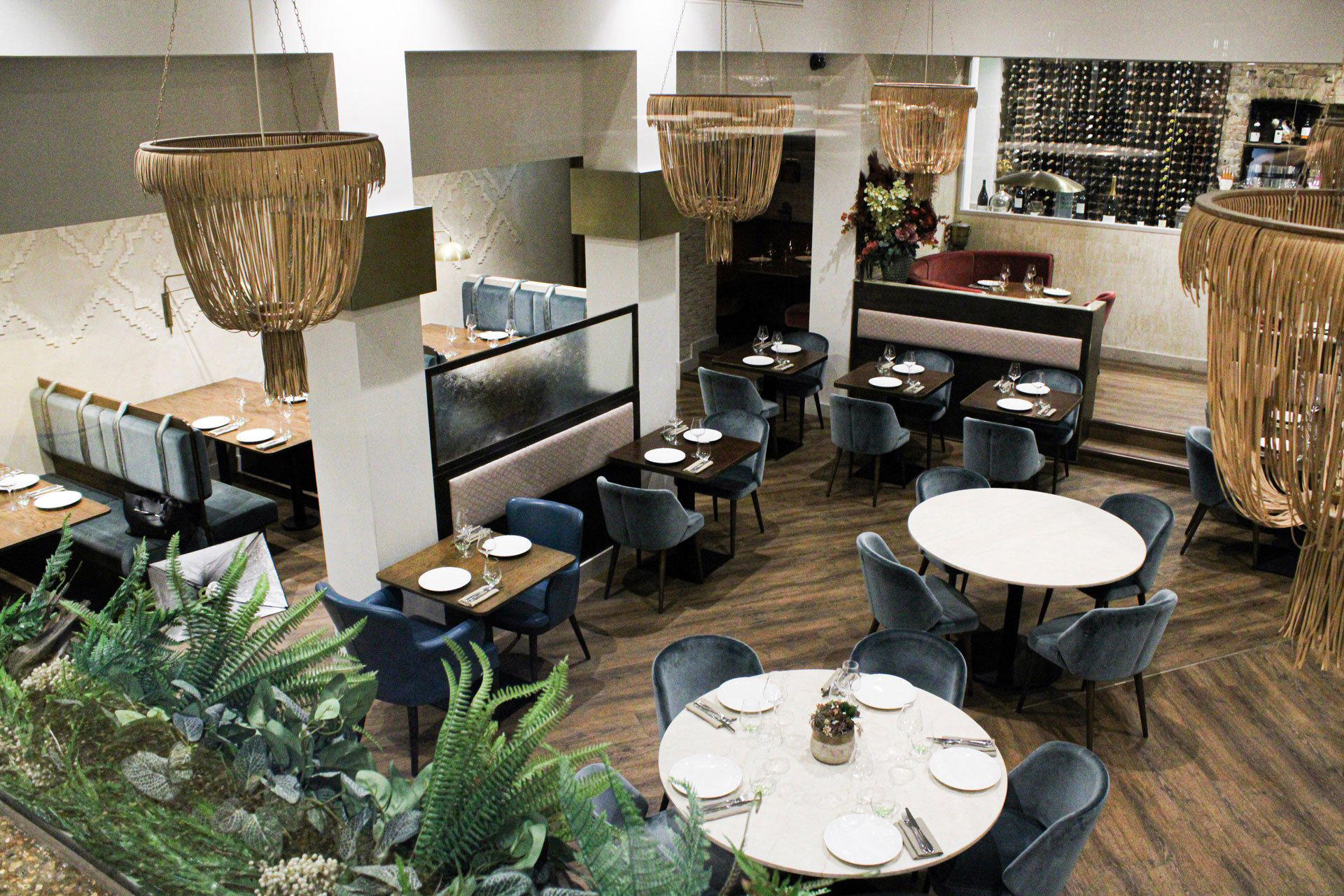
A Basement Designed to Hold Attention
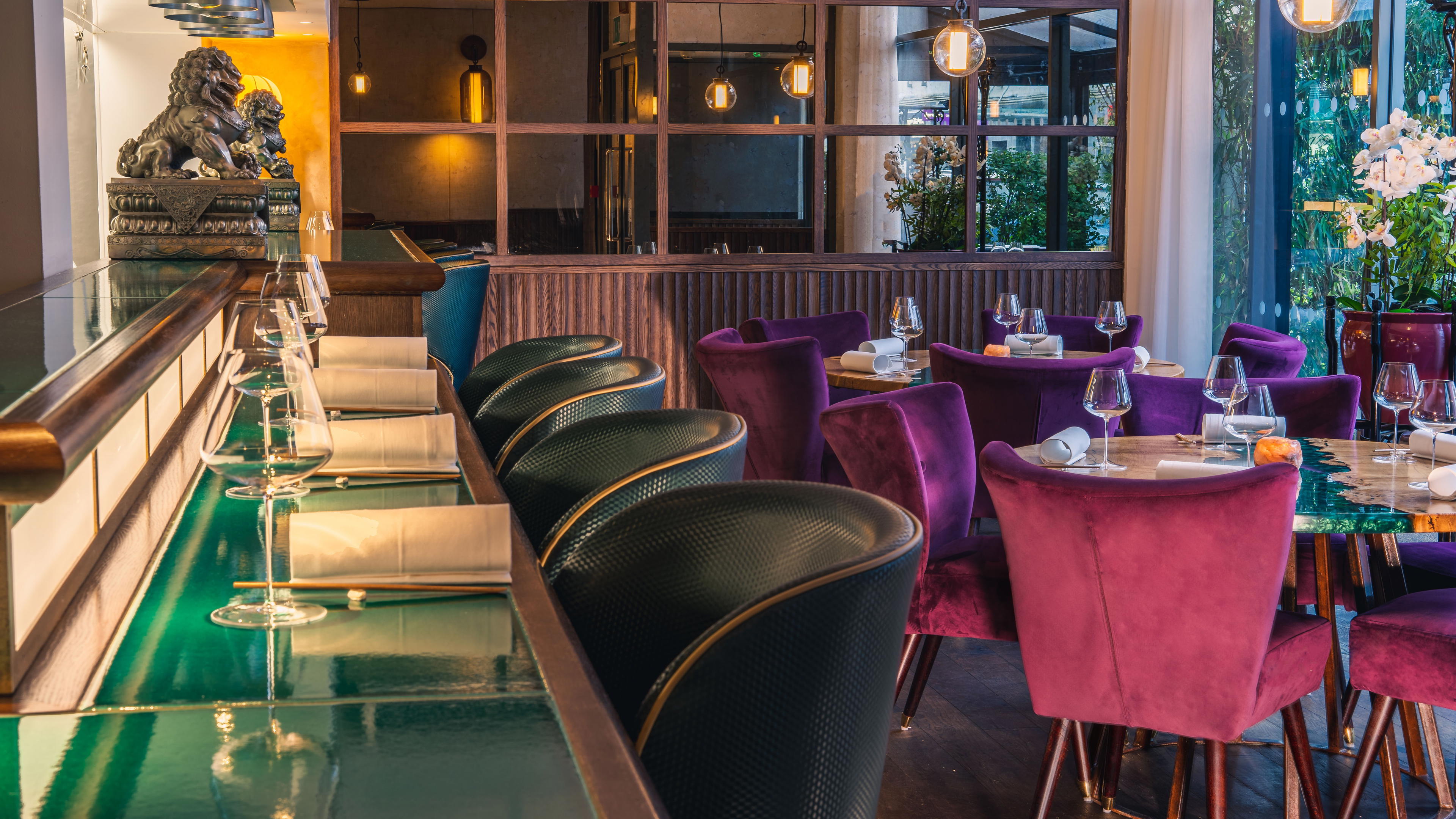
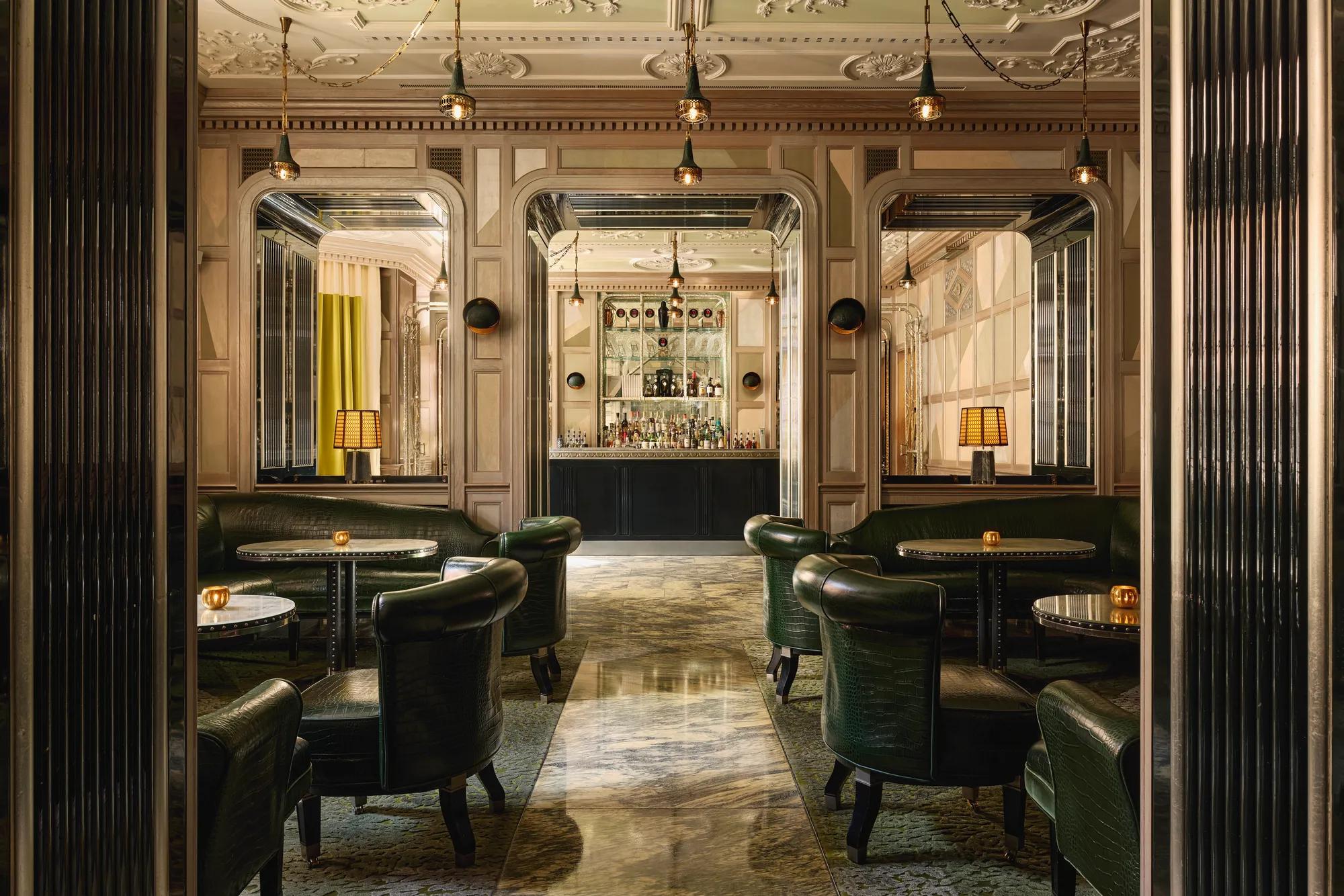
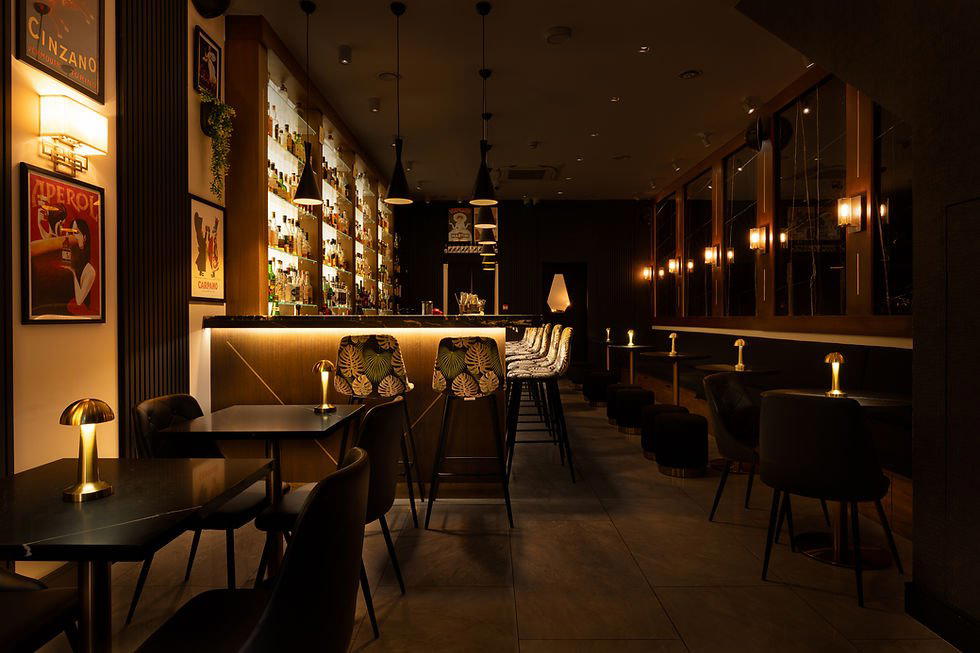
London's premium Indian dining tier has a consistent spatial grammar: basement rooms, high ceilings, and interiors that signal occasion rather than informality. Kahani, at 1 Wilbraham Place in Chelsea SW1X, sits inside that tradition with deliberate intent. The dining room occupies a high-ceilinged lower ground floor, fitted with crimson banquettes, armchair seating, considered low lighting, and wall coverings that read as interior design rather than decoration. The open-to-view kitchen runs along one edge, making the cooking itself part of what the room presents. It is a formula with precedent Sketch, The Lecture Room and Library and Dinner by Heston Blumenthal each use the theatre of the kitchen as a visual anchor, but Kahani does it within a tighter, more intimate footprint than either of those addresses.
The site itself has history. Cadogan Hall sits hard by, and the address has supported restaurant operations for years before Kahani took it. Chef Peter Joseph, who built his reputation as head chef at Mayfair's Tamarind, chose a location already familiar to the kind of Chelsea resident who treats a formal dinner as routine rather than occasion. That positioning is meaningful: Kahani does not need to explain itself to its neighbourhood.
What the Room Communicates Before the Menu Arrives
Interior architecture in this tier of London dining does a specific kind of work. At The Ledbury in Notting Hill or CORE by Clare Smyth in Kensington, the room communicates restraint and precision before a dish appears. Kahani's room communicates warmth and ceremony through different means: the crimson palette, the depth of the seating, the low light calibrated to make the space feel enclosed and deliberate. These are choices that match the register of the cooking, which is spice-led and technically layered rather than austere.
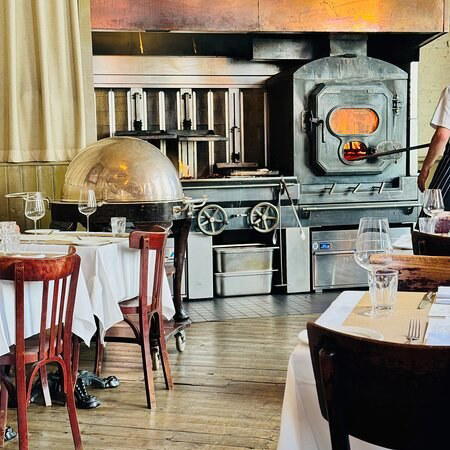
The open kitchen is the room's most specific editorial decision. In London's broader modern dining scene, the open kitchen has shifted from novelty to expectation, but the effect depends on what is being prepared. Watching a tandoor operation and a chargrill station run in parallel gives the dining room a different energy than watching cold plating. It is active rather than surgical, and that distinction shapes how a guest reads the meal before it begins.
Indian Spices, British Ingredients: A Menu With a Clear Position
Peter Joseph's cooking at Tamarind established a framework that Kahani continues: Indian spice architecture applied to British-sourced ingredients. This is not fusion in the casual sense of the word. It is a considered pairing of technique and produce, using the tandoor and chargrill where those methods serve the ingredient, rather than adapting British cooking to accommodate Indian flavouring as an accent.
Small plates open the menu. Seared scallops with star anise, smoked pepper chutney, and shrimp pickle represent the approach at its most direct: a premium British shellfish cooked through an Indian spice lens, with condiments that add heat and acid rather than richness. A spiced green-pea cake with cranberry chutney covers the vegetarian position without treating it as secondary. Across the city, restaurants at this price tier, including Restaurant Gordon Ramsay, have increasingly built vegetable dishes to the same specification as protein courses. Kahani's approach follows that pattern.
Larger plates concentrate on the chargrill and tandoor. Venison keema with truffle naan and grilled stone bass with brown garlic and sun-dried tomato purée illustrate the range: game and seafood, both treated through Indian cooking methods, both with British sourcing logic running underneath. Specials and dawat (feasting) dishes extend the menu further, a chargrilled sirloin kebab with truffle oil, ground fennel, and royal cumin represents the more elaborate end of what the kitchen produces. These are dishes where the British ingredient and the Indian technique are in genuine conversation rather than coexistence.
Desserts largely pivot west. Toffee and date pudding with custard sauce is a British register, adjusted for the room rather than the spice vocabulary of the earlier courses. A medley of kulfis is the exception: Indian in form, appropriate as a closer. This structure, Indian through the savoury courses, broadly British at the finish, is a common resolution in this tier of London Indian dining.
Format Flexibility and the Chelsea Diner
Kahani's format range tells you something about who the room is designed to accommodate. Pre-theatre deals address the Cadogan Hall adjacency directly: diners heading to an evening performance, wanting a full meal at speed. A full vegan menu runs alongside the main offering, not as a reduced option but as a parallel programme. The Indian weekend roast is the most specific format play, it translates a deeply embedded British dining ritual into Indian spice and technique, which in Chelsea lands as a conversation piece as much as a menu category.
The wine list is built for the cooking. Pairing wine with spice-led food is a standing challenge in Indian fine dining, and Kahani's list is described as curated around spice-friendly bottles. The pricing reflects the address and the clientele: Chelsea's well-heeled residential base is accustomed to paying at the upper end of London's restaurant scale, where peers include Dinner by Heston Blumenthal and the broader ££££ tier that defines the neighbourhood's top-end dining.
For visitors planning a wider London trip, the EP Club guides cover the full range: London restaurants, London hotels, London bars, London wineries, and London experiences. For those travelling further into the UK's fine dining circuit, The Fat Duck in Bray, L'Enclume in Cartmel, Moor Hall in Aughton, Gidleigh Park in Chagford, Hand and Flowers in Marlow, and Le Manoir aux Quat' Saisons in Great Milton are all within the EP Club network. For international reference points at the same level, Le Bernardin and Atomix in New York City offer a useful comparison in how fine dining addresses cultural specificity at the leading end.
Planning a Visit
Address: 1 Wilbraham Place, London SW1X 9AE, near Cadogan Hall and a short walk from Sloane Square station. Reservations: Advisable for evening sittings, particularly weekends and pre-theatre windows. Format options: À la carte, pre-theatre, full vegan menu, and Indian weekend roast. Dress: Smart casual aligns with the room's register; the crimson banquette and low-light setting lean towards occasion dressing. Budget: Upper tier for London Indian dining, commensurate with the Chelsea address and the wine list's positioning.
Frequently asked questions
What should I order at Kahani?
The small plates are the clearest expression of what the kitchen does: seared scallops with star anise, smoked pepper chutney, and shrimp pickle show the British-ingredient, Indian-technique approach at its most direct. From the larger plates, venison keema with truffle naan and grilled stone bass with brown garlic and sun-dried tomato purée are the dishes most closely associated with Peter Joseph's cooking direction. Dawat feasting dishes and specials, including the chargrilled sirloin kebab with truffle oil and royal cumin, are worth considering when available.
Do I need a reservation for Kahani?
At this tier of Chelsea dining, a high-spec room with a specific local following and a location next to an active concert venue, walk-ins carry real risk, particularly on weekends and pre-theatre evenings. The pre-theatre format and the Indian weekend roast both attract dedicated bookings. Securing a reservation in advance is the practical approach for any evening sitting.
What's the standout thing about Kahani?
The cooking's structural discipline. Peter Joseph, who led the kitchen at Tamarind before opening Kahani, does not mix British ingredients and Indian spices loosely. The tandoor and chargrill are used as primary cooking tools, not decorative references, and the sourcing logic for ingredients like venison, stone bass, and scallops runs underneath every dish. The result is a menu that has a coherent logic rather than an eclectic one.
Does Kahani offer options beyond the standard à la carte menu?
Yes. Kahani runs a full vegan menu as a standalone programme alongside the main menu, not as a set of substitutions. The restaurant also offers pre-theatre deals for diners attending events at nearby Cadogan Hall, and an Indian weekend roast format that adapts the British Sunday roast structure through Indian spice and tandoor cooking. These formats extend the room's reach well beyond a single-occasion visit pattern.
Budget and Context
Comparable venues nearby, for context on price, style, and recognition.
| Venue | Cuisine | Price | Awards | Notes |
|---|---|---|---|---|
| KahaniThis venue (the venue you are viewing) | Modern Indian Fine Dining | $50–100 | The Good Food Guide GFG Good | Not listed |
| Curry Room at the Rubens | Authentic Indian Curry House | $50–100 | Not listed | Victoria, Authentic Indian Curry House |
| Masala Zone | Authentic Regional Indian | $50–100 | The Good Food Guide GFG Good | Battersea, Authentic Regional Indian |
| Vatavaran | Modern Himalayan-Inspired Indian | $50–100 | The Good Food Guide GFG Good | Brompton, Modern Himalayan-Inspired Indian |
| Gaylord | Traditional Mughlai Indian | Not listed | Not listed | Cubitt Town, Traditional Mughlai Indian |
| Bacchanalia | Modern Mediterranean with Greco-Roman Influences | $150–200 | Star Wine List · Pinnacle Guide 1 Pin | Mayfair, Modern Mediterranean with Greco-Roman Influences |
Recognition history
Dated appearances from independent guides and award organizations, with the underlying list record or original source where available.
The Good Food Guide GFG Good
The Good Food Guide
Continue exploring
More in London
Restaurants in London
All restaurants in London →
Bars in London
All bars in London →


Details
- Elegant
- Sophisticated
- Cozy
- Intimate
- Date Night
- Special Occasion
- Celebration
- Private Dining
- Open Kitchen
- Craft Cocktails
- Tasting Menu
- A La Carte
- Small Plates
- Set Menu
- Vegetarian Friendly
- Vegan Options
Current opening hours
- Monday
- 5–9 PM
- Tuesday
- 5–9 PM
- Wednesday
- 5–9 PM
- Thursday
- 12:30–9 PM
- Friday
- 12:30–9 PM
- Saturday
- 12:30–9 PM
- Sunday
- 12:30–8:45 PM
Hours can change for holidays and private events. Hours as of .
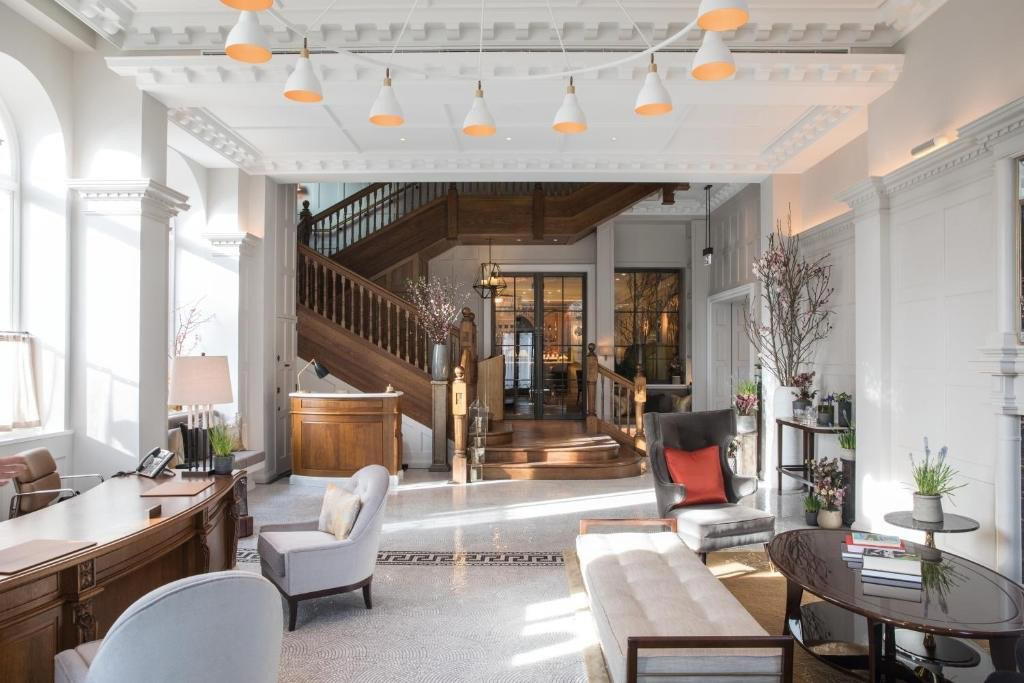
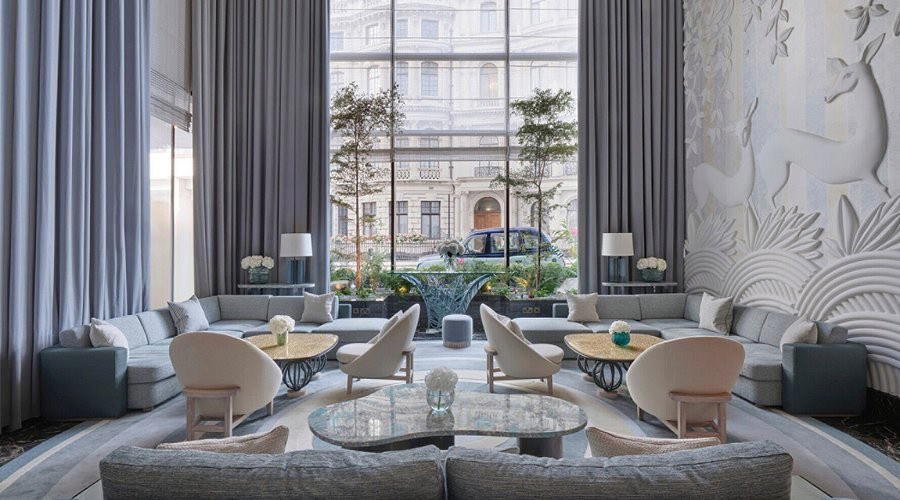
Elegant decor with modern-classic style in beige, cream, and light blue tones; soft, warm, relaxing atmosphere with smooth music and occasional live jazz.