KAE Sushi by Chef Landa
Our verdict
KAE Sushi by Chef Landa brings an omakase-oriented sensibility to Giralda Ave, the pedestrian corridor that anchors Coral Gables' dining scene. In a city where Japanese fine dining options are expanding, KAE positions itself in the specialist tier where sourcing discipline and counter-format intimacy matter more than scale. It sits alongside Shingo as one of the neighborhood's serious Japanese addresses.

Pearl is the En Primeur Club membership app — saves, bookings, and concierge access live there. Same editors, same standards.
The menu
What to order
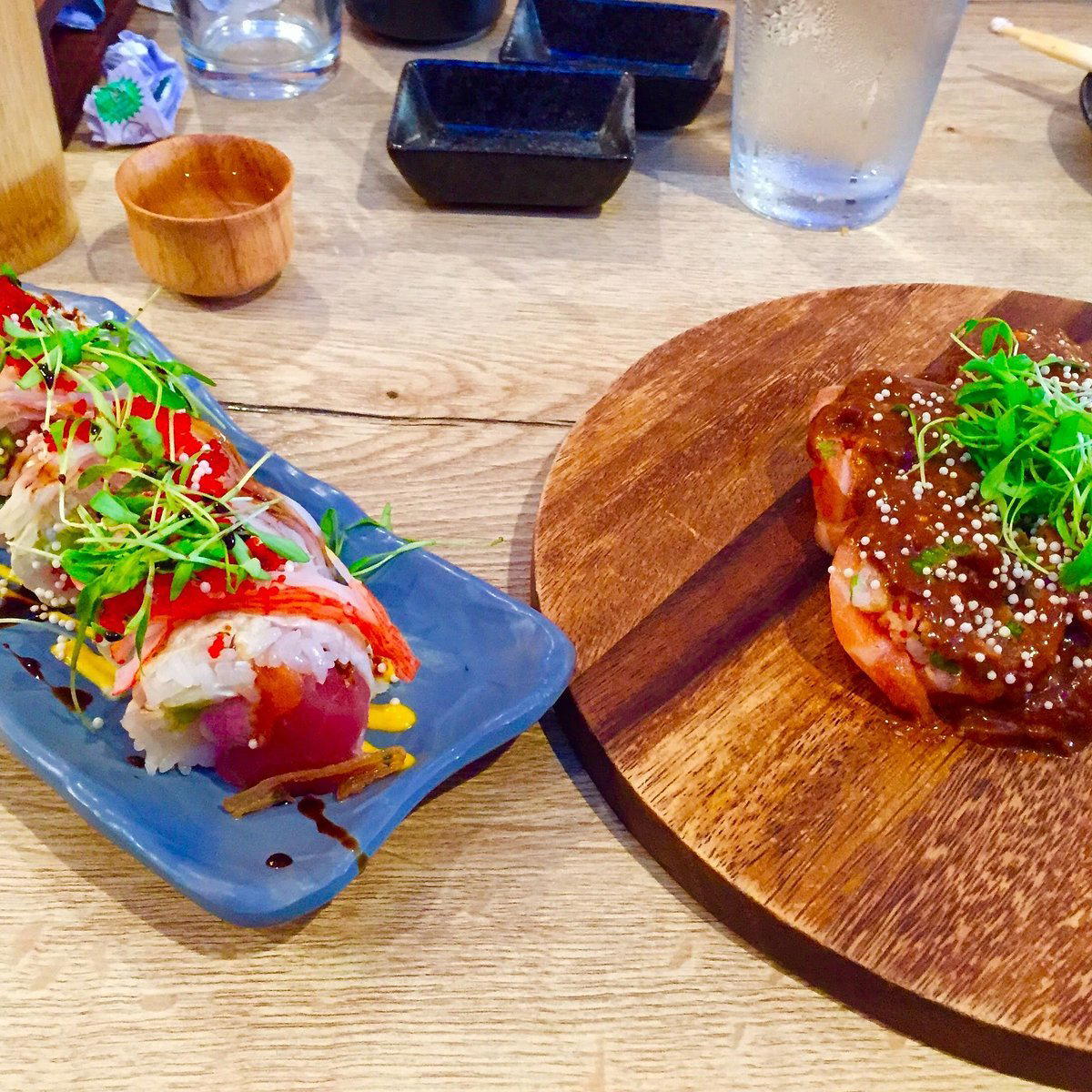
- Salmon Sensation Roll
- Butter and Lobster Roll
- Caviar Tiradito
Giralda Ave and the Quiet Rise of Serious Sushi in Coral Gables
Giralda Avenue has a particular rhythm to it in the early evening. The pedestrian-only stretch fills gradually, tables spilling from Spanish-inflected dining rooms onto the brick surface, and the ambient sound stays at conversation volume rather than nightclub pressure. It is in this setting that KAE Sushi by Chef Landa occupies a specific position: a Japanese dining address on a street better known for Latin flavors and casual Mediterranean plates. That contrast is not incidental. Counter-format Japanese restaurants have been expanding into unlikely corridors across South Florida precisely because the demand for ingredient-forward, small-format dining now extends well beyond traditional sushi neighborhoods in Miami proper.
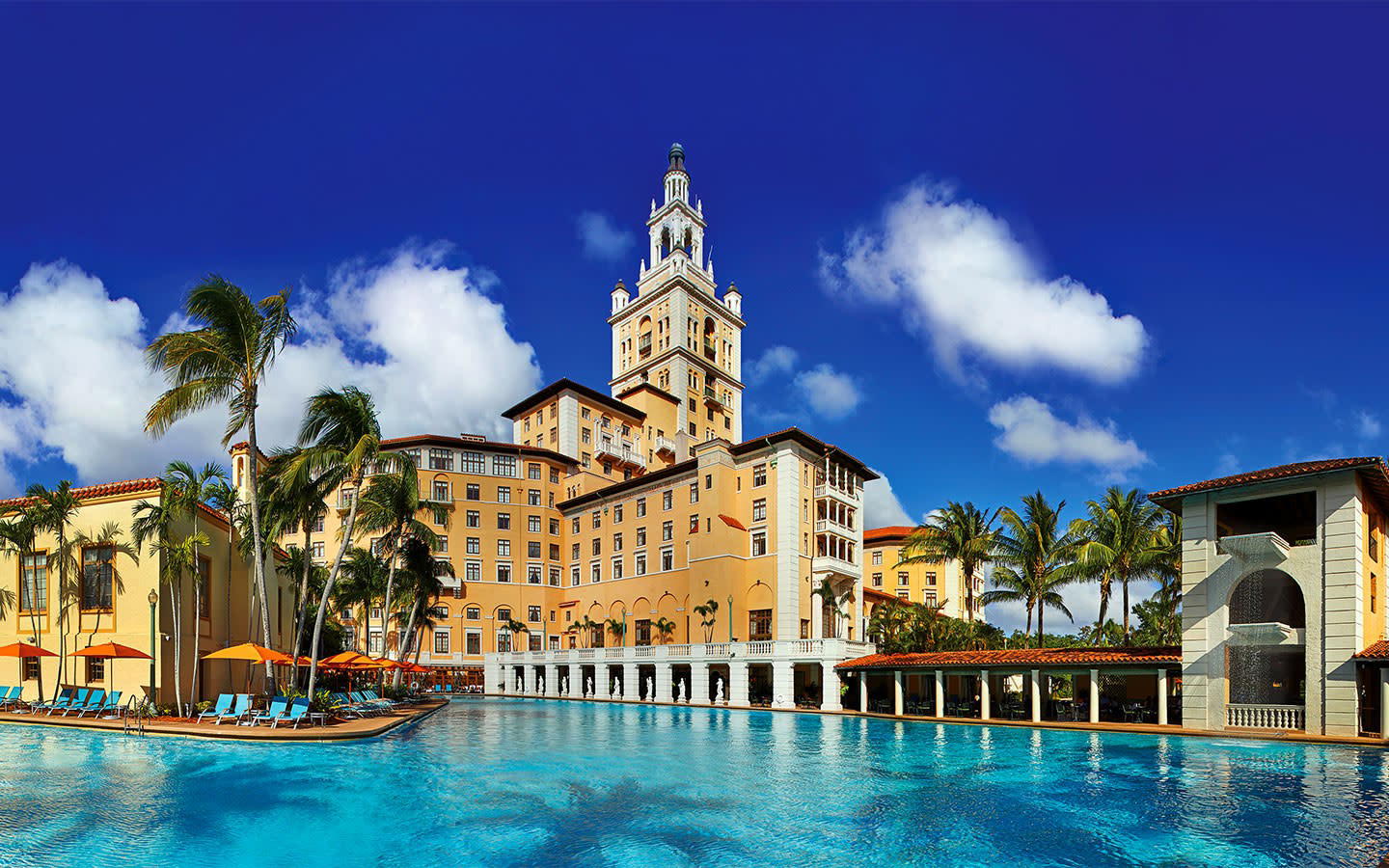
Coral Gables has been building a more serious dining identity over the past several years. The city's restaurant row now holds enough range that a committed diner can move from Arcano to 450 Gradi to Afternoon Tea at The Biltmore across a single week and encounter genuine culinary ambition at each stop. KAE fits this pattern. Its address at 143 Giralda Ave places it within easy reach of the Aragon Café end of the strip, putting it in the middle of foot traffic without depending on it.
The Sourcing Question in High-Commitment Sushi
The editorial angle that separates serious sushi houses from competent ones is almost always sourcing. In the United States, premium omakase-style restaurants have split into two camps over the last decade: those who work with established Japanese import distributors, pulling from Toyosu-aligned supply chains, and those who build hybrid sourcing models that combine Japanese product with domestic fisheries from the Gulf Coast, New England, and the Pacific Northwest. Both approaches are defensible. The former prioritizes a specific Japanese expression of quality; the latter can deliver fish at lower mileage and integrate regional seasonal patterns that a strictly import-dependent kitchen cannot.
For a sushi address operating in South Florida, the regional sourcing argument carries particular weight. The Gulf of Mexico produces species that have no direct Japanese equivalent and that arrive fresher at a Coral Gables counter than at a Manhattan one. Cobia, yellowfin tuna from local boats, Florida snapper, and stone crab during season represent genuine local product that a kitchen with sourcing intelligence can incorporate without compromising the discipline of Japanese technique. This is the kind of decision-making that separates a counter operating in the omakase tradition from one simply applying the format. Whether KAE fully exploits this geographic advantage is the right question for any serious diner to carry into the meal.
The broader context matters here. Across the United States, the most critically recognized tasting-format restaurants have placed sourcing at the center of their identity. Single Thread Farm in Healdsburg built its entire premise around a working farm that supplies the kitchen. Blue Hill at Stone Barns in Tarrytown made the farm-to-counter relationship so literal that the sourcing is the dining narrative. Providence in Los Angeles built its reputation on Pacific seafood sourcing with documented relationships. These are not decorative gestures. They reflect a shift in how premium diners evaluate whether a kitchen has earned the price point it charges.
KAE in the Context of Coral Gables Japanese Dining
The comparison that matters most locally is with Shingo, the other serious Japanese address in Coral Gables operating at the higher end of the local market. Shingo runs at the $$$$ tier and signals its positioning through format and price. KAE enters the same conversation and will be evaluated against that peer, not against the casual sushi roll format that dominates most Florida strip-mall dining. For a city the size of Coral Gables, having two addresses competing in the specialist Japanese tier is a meaningful development. It suggests the local diner base has depth of interest and that the neighborhood can support more than one serious counter.
Wider Coral Gables scene documented in our full Coral Gables restaurants guide shows a dining culture that skews toward sit-down, ingredient-aware formats rather than fast-casual volume. That profile suits a kitchen like KAE, where the model depends on diners who are willing to commit time and attention to the meal rather than rotate tables quickly. The comparison set nationally would include restaurants like Atomix in New York City, where the Korean fine dining counter format has defined how specialist Asian restaurants operate at the upper end of the market, or Addison in San Diego, which demonstrates how a non-coastal-California city can sustain a high-commitment tasting format with the right sourcing story behind it.
Format, Feel, and What to Expect
Counter-format Japanese restaurants share structural characteristics regardless of city. The experience compresses the distance between kitchen and diner: you watch preparation, timing is set by the kitchen rather than negotiated by service staff, and the meal moves at a pace that cannot be rushed without collapsing the format. This is the trade the diner makes. In exchange, the sourcing and technique are visible, and the interaction with whoever is working the counter adds a layer of context that a traditional table-service format cannot replicate.
The Giralda Ave setting means arriving early is worth doing. Street parking along adjacent blocks tends to fill as the evening progresses, and the walk from Miracle Mile or the adjacent garage options takes only a few minutes. The pedestrian character of the street keeps the approach relaxed, which suits the transition into a focused counter experience. For comparison, the arrival sequence at Le Bernardin in New York City or The French Laundry in Napa requires a very different kind of pre-arrival planning; KAE's neighborhood sets a lower logistical threshold, which works in its favor for a first visit.
Diners who appreciate the precision-sourcing model at work in restaurants like Smyth in Chicago or the documented ingredient relationships at Emeril's in New Orleans will arrive at KAE with the right frame of reference. The relevant question is not whether the fish is fresh, it is whether the kitchen has made considered decisions about where each piece comes from and why. That question, applied to a South Florida sushi counter, should yield interesting answers given the regional seafood resources available within driving distance of Coral Gables.
Planning Your Visit
KAE Sushi by Chef Landa is located at 143 Giralda Ave, Coral Gables, FL 33134, on the pedestrian stretch that concentrates the neighborhood's evening dining. Booking ahead is the practical move for any counter-format restaurant of this type; walk-in availability at serious sushi counters is typically limited, particularly on Thursday through Saturday evenings. Also referenced in our guide to Lazy Bear in San Francisco and The Inn at Little Washington, the pre-booking principle applies universally to this category of dining, and KAE is no exception. Those comparing regional dining formats across the country may also find the approach at Atelier Moessmer Norbert Niederkofler in Brunico a useful point of reference for how sourcing discipline shapes a tasting counter's identity at the highest level.
Frequently asked questions
Can I bring kids to KAE Sushi by Chef Landa?
Counter-format omakase at 143 Giralda Ave runs on a set pace and sequence determined by the kitchen, which is a format that works against young children who need flexibility. The experience is structured for adult diners who can commit to a multi-course progression without interruption. Families with older teenagers who have an appetite for Japanese fine dining may find it workable, but it is not a casual drop-in option for younger kids.
What's the overall feel of KAE Sushi by Chef Landa?
KAE operates at the specialist end of Coral Gables dining, where the format itself is the atmosphere: counter seating compresses the distance between kitchen and diner, and the sequence of courses sets the room's tempo rather than a soundtrack or crowd energy. On Giralda Avenue, that positions KAE apart from the neighbourhood's livelier terrace-and-cocktail options. Expect focus and restraint rather than ambient volume.
How does KAE Sushi by Chef Landa compare to other serious Japanese restaurants in Coral Gables?
KAE Sushi by Chef Landa on Giralda Ave occupies the specialist end of Coral Gables Japanese dining alongside Shingo, the other address in the neighbourhood operating at the higher end of the local market. Where most Miami-area Japanese restaurants default to à la carte or hybrid menus, KAE's counter-format omakase commitment places it in a narrower category of South Florida venues where the chef, not the diner, controls the pace and composition of the meal.
What do regulars order at KAE Sushi by Chef Landa?
At a counter-format Japanese address like KAE on Giralda Ave, the kitchen drives the sequence rather than the diner making individual selections. Regulars at this type of Coral Gables omakase typically commit to the chef's set format, which means the question of what to order is answered before you sit down. The value of repeat visits in counter dining is tracking how the kitchen's selections shift with season and sourcing.
At-a-Glance Comparison
A quick peer reference to anchor this venue in its category.
| Venue | Cuisine | Price | Awards | Notes |
|---|---|---|---|---|
| KAE Sushi by Chef LandaThis venue — the venue you are viewing | Japanese Sushi Fusion with Miami Flair | $30–50 | Not listed | Not listed |
| Shingo | Edomae-Style Omakase | $200–300 | 1 Michelin Star | Japanese |
| Tinta y Cafe | Cuban Café & Sandwich Shop | $10–20 | Michelin Bib Gourmand · Eater Coffee Guide | Cuban |
| Hillstone | Polished American with Sushi | $50–100 | Not listed | American |
| Zitz Sum | Modern Japanese-Italian Fusion | $100–150 | Michelin Bib Gourmand | Asian |
| Eating House | Modern Fusion | $50–100 | Not listed | Argentine-Italian |
Continue exploring
More in Coral Gables
Restaurants in Coral Gables
All restaurants in Coral Gables →
Bars in Coral Gables
All bars in Coral Gables →
Details
- Modern
- Elegant
- Intimate
- Casual Hangout
- Date Night
- Group Dining
- Standalone
- A La Carte
- Small Plates
- Vegetarian Friendly
Current opening hours
- Monday
- 12–9 PM
- Tuesday
- 12–9 PM
- Wednesday
- 12–9 PM
- Thursday
- 12–10 PM
- Friday
- 12–10 PM
- Saturday
- 12–10 PM
- Sunday
- 12–9 PM
Hours can change for holidays and private events. Last verified .
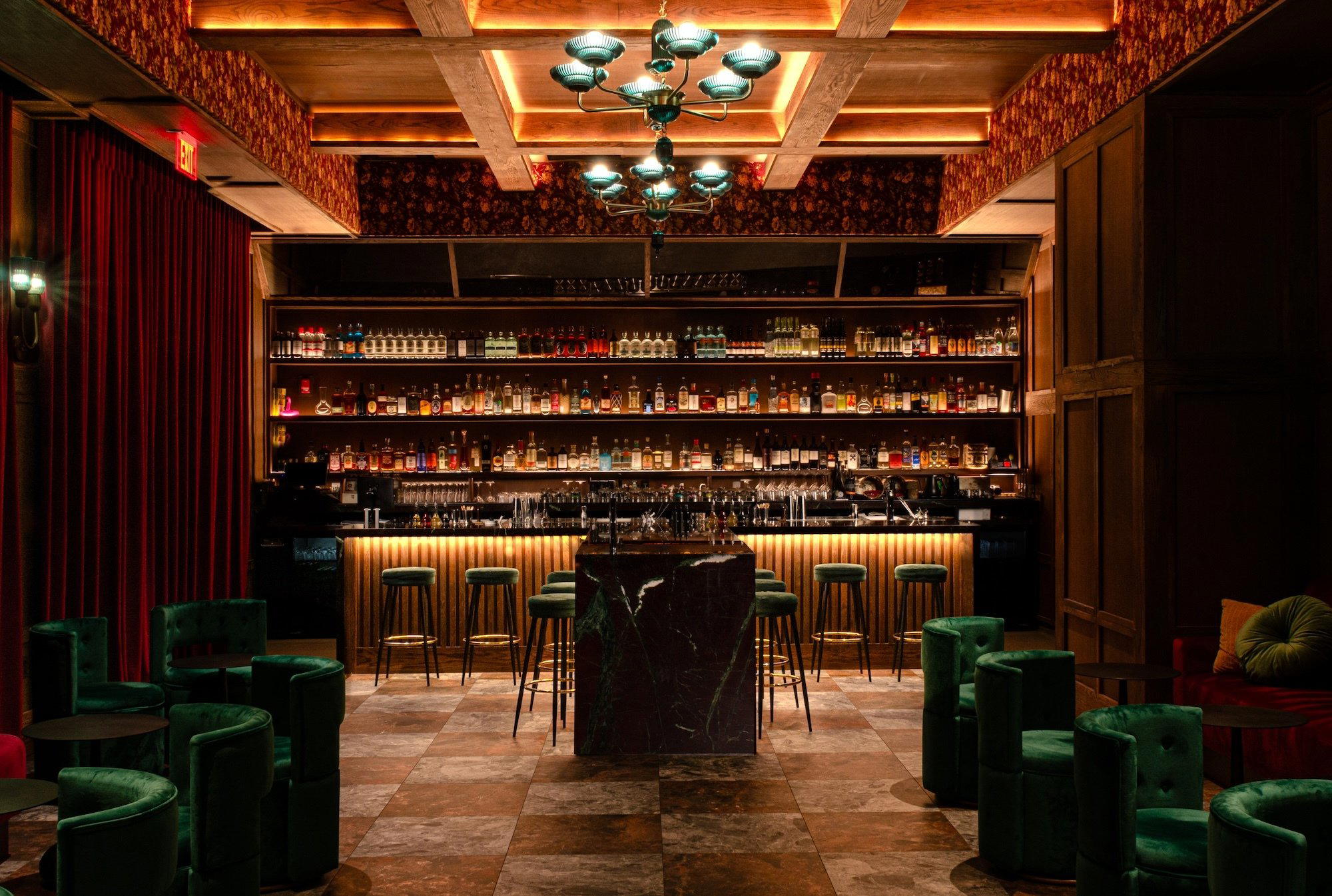
Contemporary and refined with an emphasis on culinary artistry; small meal portions foster an intimate shared dining experience.