On Rue Kervégan in Nantes' historic Feydeau district, Kaboul Restaurant sits within one of the city's most architecturally layered neighbourhoods, where 18th-century merchant townhouses frame a street known for cultural contrast. The address positions it at the intersection of old Atlantic trading history and a contemporary dining scene that increasingly looks beyond French borders for its reference points.
Pearl is the En Primeur Club membership app — saves, bookings, and concierge access live there. Same editors, same standards.
- Address
- Rue Kervégan, 44000 Nantes, France
- Phone
- +33950945035
- Website
- kaboul-restaurant-nantes.fr
- Directions
- Get directions
 Saves & bookings on Pearl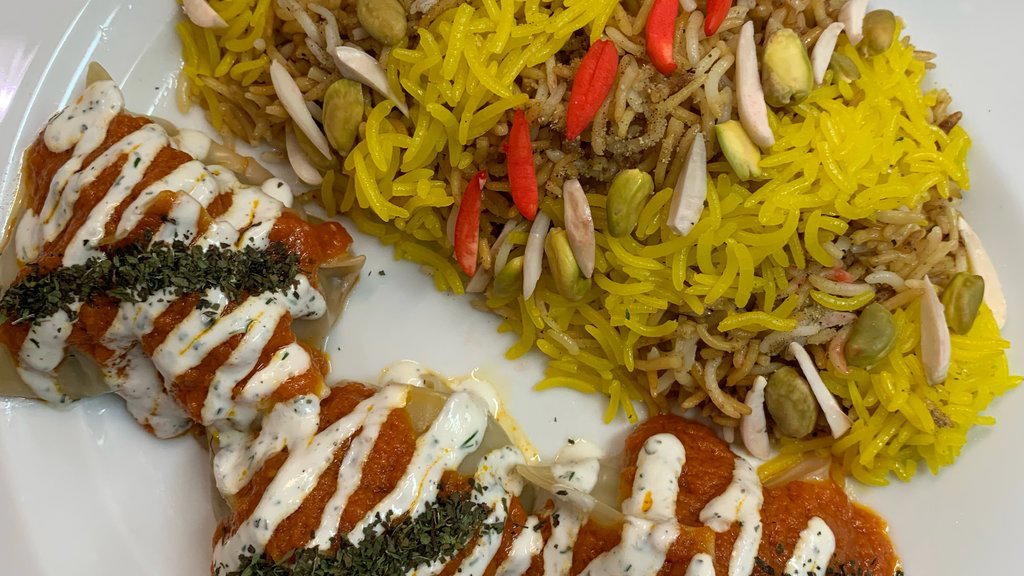
Rue Kervégan and the Geography of Contrast
Rue Kervégan runs through the Île Feydeau, the former island district of Nantes that once made the city one of Atlantic France's principal trading ports. The street itself carries that history: wide pavements, tall stone facades, and a density of architectural detail that most French provincial cities can't match outside their historic cores. It is also, now, a street where the city's appetite for restaurants that sit outside the mainstream French canon is most visibly expressed. Kaboul Restaurant is a restaurant serving Authentic Afghan Cuisine in Nantes, France.
Nantes has built a dining identity that runs alongside, rather than in imitation of, Paris. The city's most-discussed tables, including L'Atlantide 1874 - Maison Guého and LuluRouget, have pushed modern French cuisine toward Loire-sourced produce and Atlantic-facing menus. But the city also supports a different kind of ambition: restaurants that bring cuisines from beyond French borders into neighbourhoods with genuine foot traffic and local loyalty. Kaboul occupies that second category, and Rue Kervégan, with its mix of long-standing residents, students from nearby institutions, and visitors drawn to the Feydeau quarter, gives it a catchment area with real range.
Afghan Cuisine in a French Atlantic City
Afghan cooking remains among the least represented major culinary traditions in France's provincial restaurant scene. Where North African and Vietnamese cuisines have deep historical roots in French cities, shaped by colonial ties and post-war migration, Afghan food arrived more recently and in smaller numbers, which means the restaurants that do exist tend to carry unusual weight as reference points for the cuisine. In a city the size of Nantes, a restaurant operating under an Afghan identity on a street as trafficked as Rue Kervégan is, in practical terms, setting its own standard rather than competing within a crowded category.
The cuisine itself draws on a geography that sits at the crossroads of Central Asian, Persian, and South Asian traditions. Slow-cooked rice dishes built around lamb or chicken, bread baked in tandoor-style ovens, spiced with cardamom and saffron rather than the chile-forward profiles of neighbouring culinary zones, these are the anchors of a kitchen tradition that rewards patience and prioritises aromatics over heat. For a city whose high-end dining rooms, from Freia to Les Cadets, have largely focused on refining French technique, Kaboul represents a genuinely different set of reference points.
French cities have historically handled non-European cuisines in one of two ways: absorbed into a fast-casual format aimed at quick turnover, or positioned as a formal special-occasion address with aspirational pricing. The more interesting development in cities like Nantes, Lyon, and Marseille over the past several years has been a third category: mid-register neighbourhood restaurants where the cooking is taken seriously on its own terms, the room is designed for repeat visits rather than one-off tourism, and the pricing reflects the local market rather than a premium for novelty. Its address on a residential-commercial street rather than a tourist thoroughfare suggests a local rather than tourist audience.
Feydeau as Context
The Île Feydeau district gives any restaurant operating within it a particular kind of ambient credibility. The quarter was, for much of the 20th century, in a state of partial decline, its grand 18th-century hôtels particuliers subdivided, its streets less frequented than the commercial arteries nearby. Its rehabilitation since the 1990s has been gradual and genuine rather than the rapid gentrification that tends to flatten neighbourhood character. The result is a district where long-established residents and newer arrivals coexist, and where restaurants have to earn local regulars rather than relying on tourist volume.
That dynamic shapes what works on Rue Kervégan. The street sits close enough to the city centre to draw visitors from the Place du Commerce and the broader pedestrian zone, but it has its own rhythm. A restaurant here that survives on Afghan cooking, a cuisine with no particular tourist-market appeal in the French context, is almost certainly doing so because it has built a base among people who return, not people who come once.
Nantes' dining scene, for all its ambition at the high end, is also a city where neighbourhood tables matter. The same food culture that supports Le Manoir de la Régate on the Loire's edge also sustains the kind of address that Kaboul appears to represent: specific, consistent, located. That consistency, across France's most accomplished restaurant cities, is what separates a useful address from a passing one. For comparison, the discipline required to build that kind of local trust is visible across France's most committed tables, from Bras in Laguiole to Auberge de l'Ill in Illhaeusern, though those operate in an entirely different register.
Planning a Visit
Rue Kervégan is walkable from Nantes' main tram network, with the Commerce stop a short distance to the west. The Feydeau quarter is compact enough to navigate on foot, and the street itself is easy to identify from the distinctive 18th-century facades. Kaboul Restaurant is recommended for reservations and is open Monday to Thursday from 12:00 to 2:30 PM and 7:00 to 10:00 PM, Friday and Saturday from 12:00 to 2:30 PM and 7:00 to 10:30 PM, and closed on Sunday. Nantes' dining scene is active year-round, but the autumn and winter months tend to concentrate local restaurant-going as the city's festival calendar winds down after the summer.
A Tight Comparison
Comparable venues nearby, for context on price, style, and recognition.
| Venue | Cuisine | Price | Notes |
|---|---|---|---|
| Kaboul RestaurantThis venue — the venue you are viewing | Not listed | $$ | Not listed |
| Curry House | Centre Ville, Indian Curry House | $$ | Not listed |
| MiCa Male | Nantes, Authentic Italian Pinsa & Pasta | $$ | Not listed |
| Pilgrim | Not listed | $$ | Graslin, French Fusion Bistro with Global Street Food |
| Le Canclaux | Not listed | $$ | Mellinet-Canclaux, Seasonal French Bistro |
| Bistrot de la Comédie | Mellinet, French Bistro | $$ | Not listed |
Continue exploring
More in Nantes
Restaurants in Nantes
Browse all →
Bars in Nantes
Browse all →
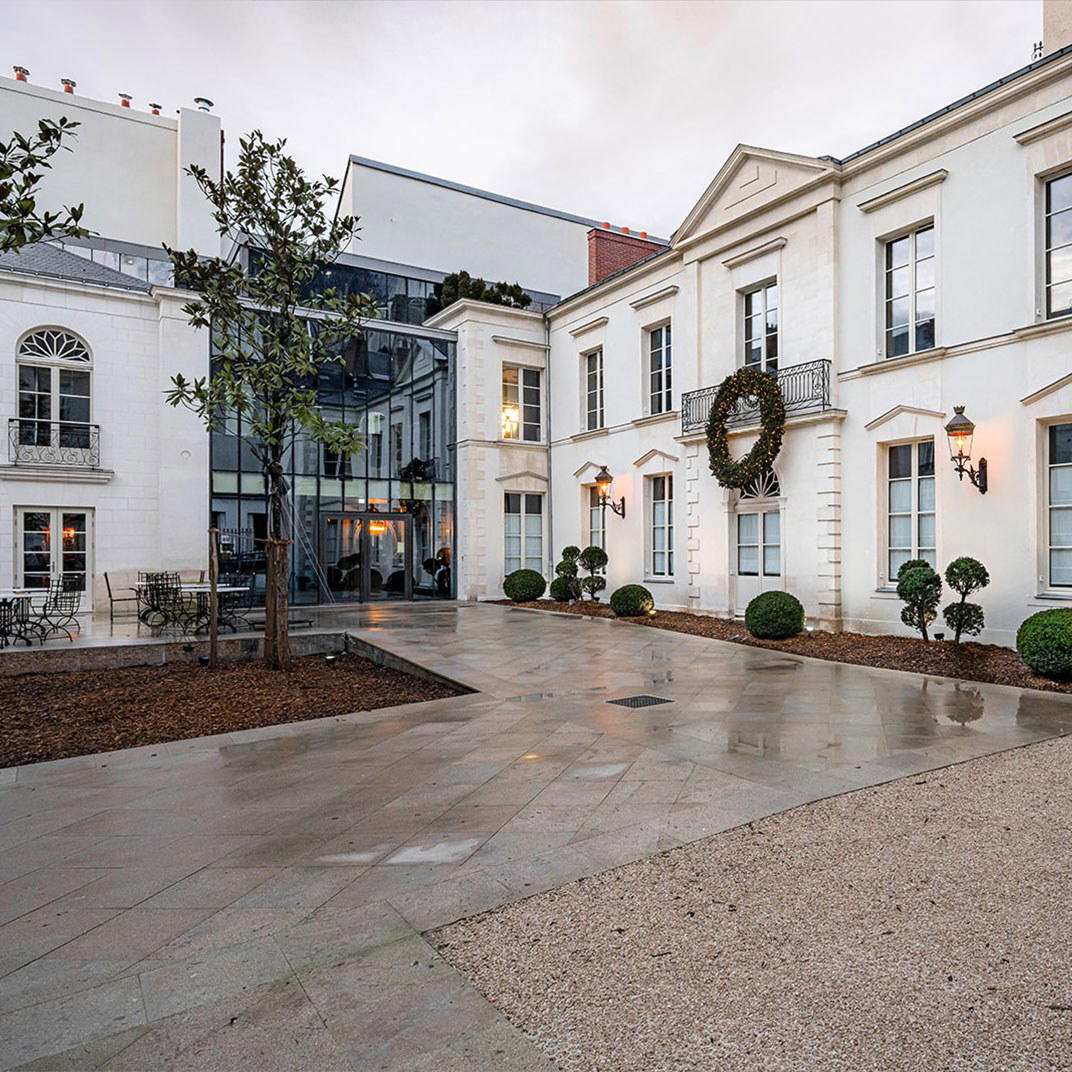
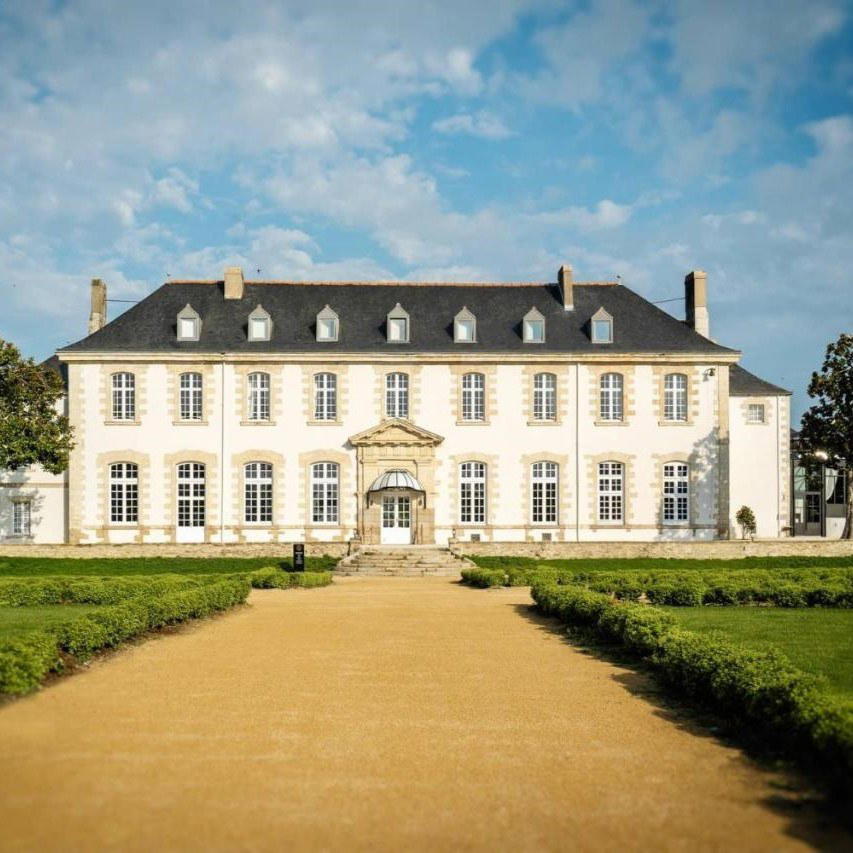
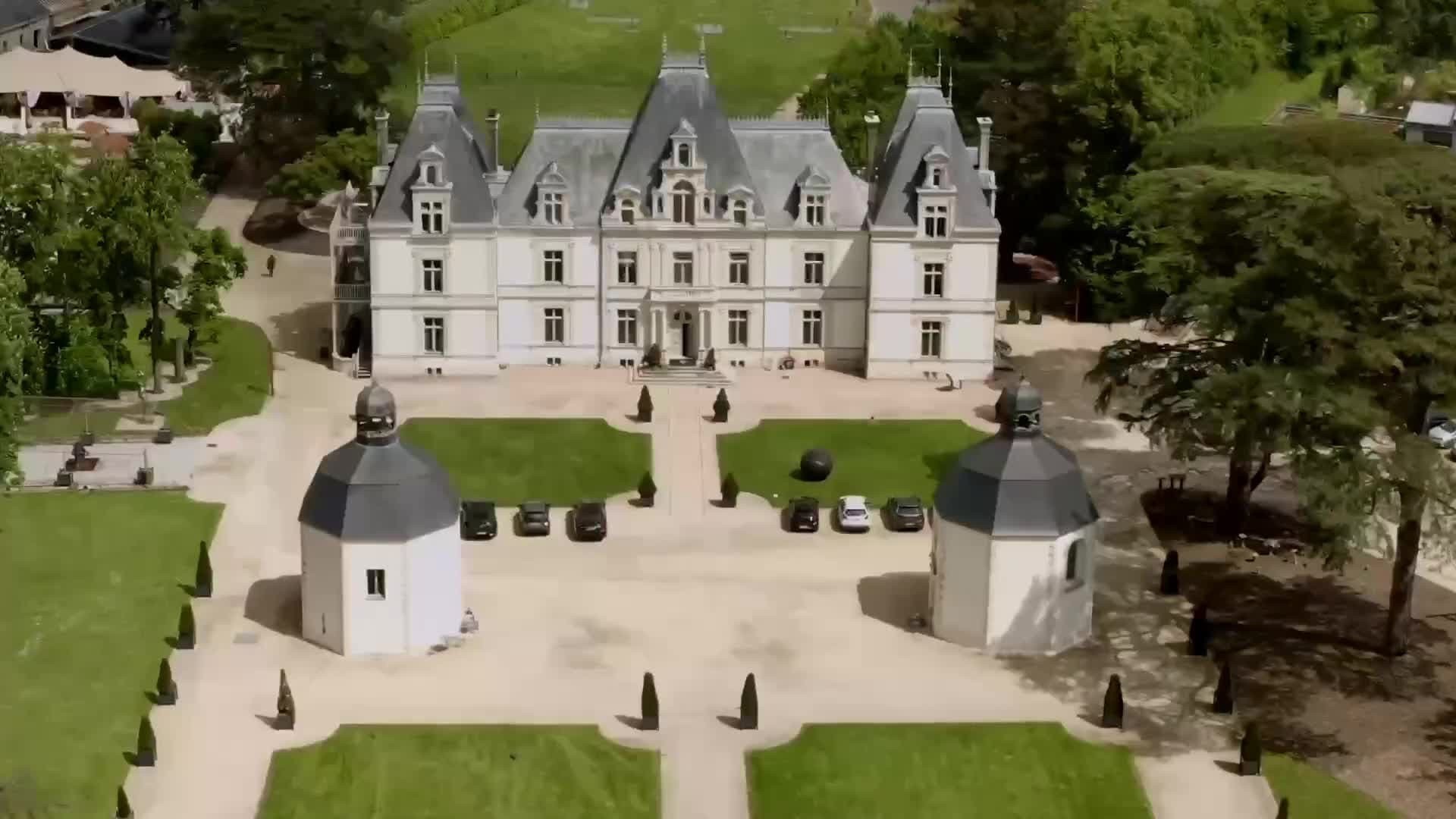
Hotels in Nantes
Browse all →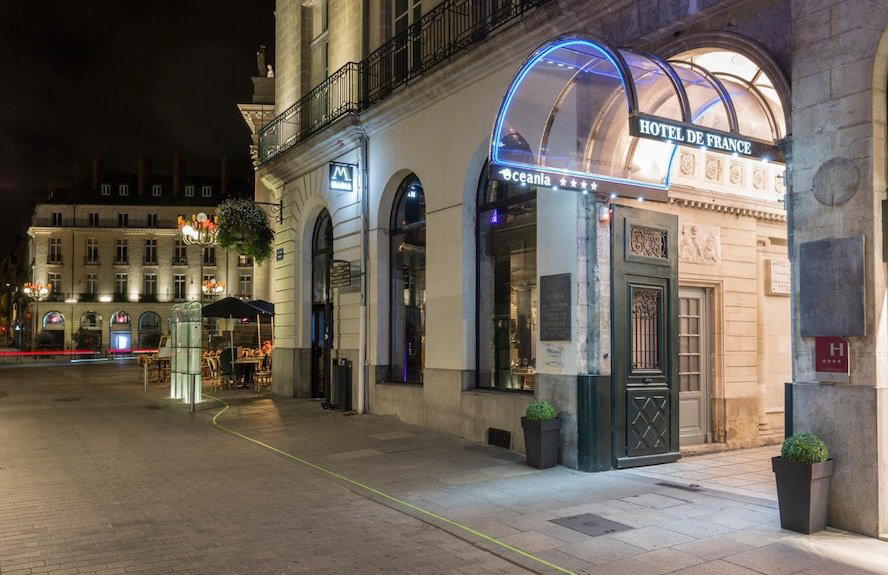

At a Glance
- Cozy
- Romantic
- Intimate
- Elegant
- Date Night
- Group Dining
- Family
- Celebration
- Special Occasion
- Standalone
- Terrace
Current opening hours
- Monday
- 12–2:30 PM, 7–10 PM
- Tuesday
- 12–2:30 PM, 7–10 PM
- Wednesday
- 12–2:30 PM, 7–10 PM
- Thursday
- 12–2:30 PM, 7–10 PM
- Friday
- 12–2:30 PM, 7–10:30 PM
- Saturday
- 12–2:30 PM, 7–10:30 PM
- Sunday
- Closed
Hours can change for holidays and private events. Last verified .
Warm and welcoming atmosphere with decoration that transports diners to Afghanistan; intimate setting with personal service and attention to detail in each dish.