On Rue de Richebourg in central Nantes, MiCa Male occupies a city where modern French cooking has developed a distinctive regional confidence. The address places it in a dining scene that runs from Michelin-credentialed institutions to ambitious contemporary tables, and where Loire valley produce sets the underlying rhythm of most serious kitchens. A reservation here is a read on how that broader movement translates to a neighbourhood street address.
- Address
- 18 Rue de Richebourg, 44000 Nantes, France
- Phone
- +33240741161
- Directions
- Get directions
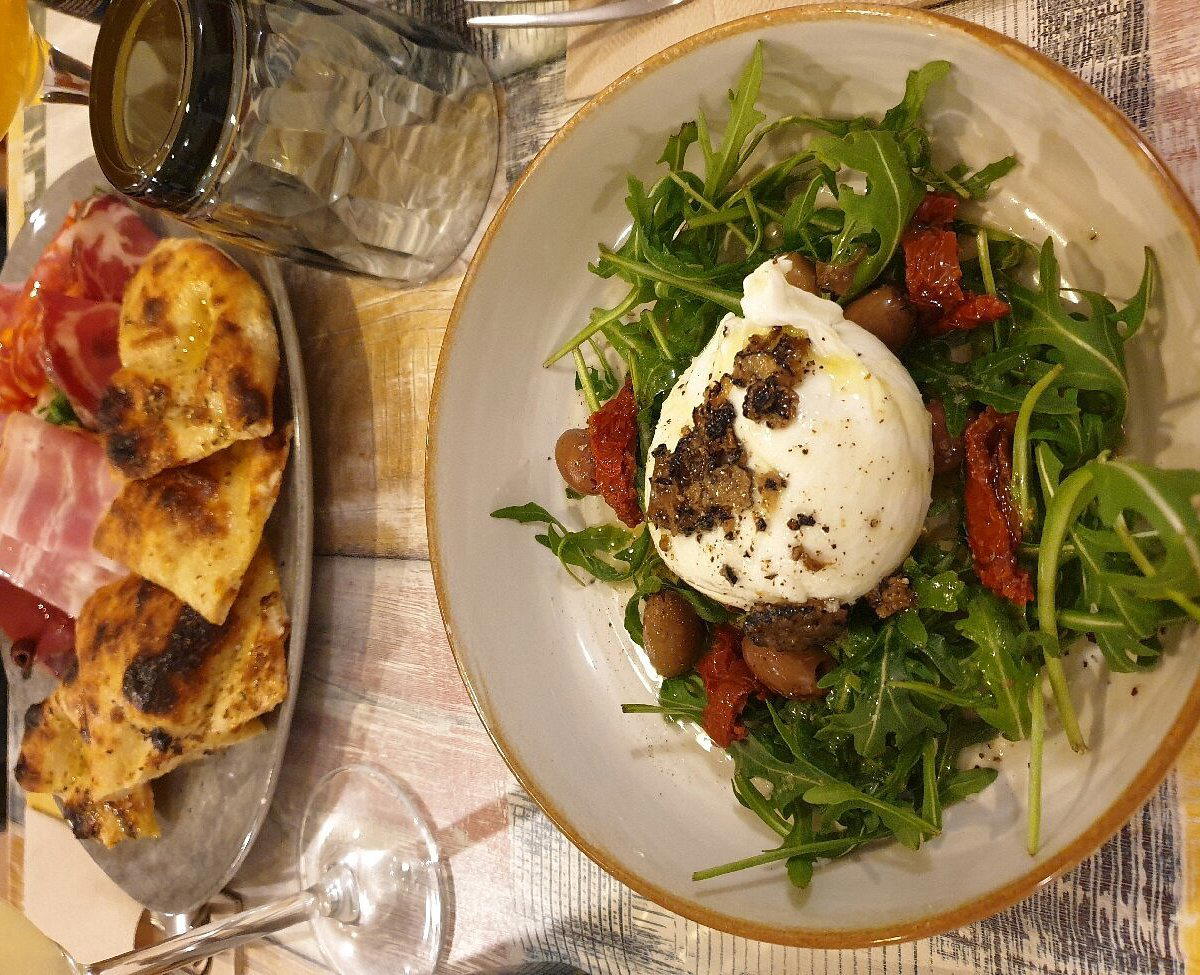
Where Nantes Eats Now
Nantes has spent the better part of a decade consolidating a dining identity that sits apart from Paris without apologising for the distance. The city's position at the mouth of the Loire gives its kitchens a geographic argument that few French cities can match: Atlantic seafood arriving from the west, Loire valley vegetables and wines orienting the menu toward the east, and a local appetite for cooking that reflects both. The result is a scene with its own competitive logic, one where restaurants are measured against each other rather than against a Parisian template. MiCa Male, at 18 Rue de Richebourg in the 44000 postcode, sits inside that conversation.
The street itself is a useful indicator of where the city's more considered dining addresses tend to cluster: close enough to the centre to draw foot traffic, removed enough from the tourist circuit to suggest a deliberate choice. In cities like Nantes, that kind of positioning often signals a kitchen pitching to regulars rather than passers-by, and a menu that can afford to move with the season rather than anchor itself to crowd-pleasing familiarity.
The Arc of a Meal in This Part of France
To understand what a meal at a Nantes address like MiCa Male might involve, it helps to read the city's multi-course format against the Loire's broader culinary tradition. Western Loire cooking at its more serious end tends to follow a quiet logic of accumulation: each course building on what came before, with the kitchen's sourcing choices becoming legible as the meal progresses. This is not the showy sequencing of Paris tasting menus, where individual courses often compete for attention. The Loire approach, at its leading, is more like a sustained argument than a series of set pieces.
That approach has shaped Nantes restaurants across price tiers. At the upper end, L'Atlantide 1874 - Maison Guého (Modern Cuisine, €€€€) represents the city's highest-credentialed expression of this tradition, a benchmark against which other modern tables in the city are implicitly positioned. At a more accessible level, Freia (Creative, €€€) and LuluRouget (Modern Cuisine) demonstrate that the city's appetite for considered, progression-driven cooking is not confined to a single price point. Les Cadets and Le Manoir de la Régate extend the map further, each with a distinct relationship to the Loire's produce and the city's dining habits.
MiCa Male enters this peer group from Rue de Richebourg, an address that carries no particular institutional weight but places the restaurant within walking distance of a city centre increasingly oriented around serious, neighbourhood-scale cooking.
Reading the Tasting Progression as Cultural Signal
The multi-course format, wherever it appears in France's provincial cities, functions as more than a meal structure. It is a statement about pacing, about the kitchen's confidence in holding a guest's attention, and about the relationship between the dining room and the supply chain behind it. In cities with strong regional produce traditions, the tasting progression often doubles as a tour of the surrounding geography: shellfish from nearby waters in the early courses, Loire valley roots and leaves in the middle, a local cheese trolley before the sweet courses arrive.
French kitchens that handle this well, from Bras in Laguiole to Auberge de l'Ill in Illhaeusern and Troisgros in Ouches, share a common trait: the sourcing is legible on the plate, not just listed on the menu. The narrative arc of the meal is also the story of a specific place. That standard is what separates a considered provincial table from one that is merely expensive. Nantes, given its geographic position, has the raw material to produce that kind of cooking consistently. Whether a given address delivers on it is a matter of kitchen discipline and seasonal commitment.
For international comparison, the idea of a meal as a coherent progression rather than a collection of individual dishes runs through restaurants as different as Mirazur in Menton, AM par Alexandre Mazzia in Marseille, and, in a more urban key, Atomix in New York City. The format is not exclusively French, but France's provincial cities remain among the places where it is executed with the least theatrical interference.
Nantes in the Wider French Conversation
Nantes does not yet generate the critical volume of a Lyon or the international profile of a Bordeaux, but its dining scene has been tracking upward in ways that matter to anyone following French regional cooking seriously. The city's younger restaurants have shown a willingness to work with producers directly and to price accordingly, moving away from the fixed-price formule that once dominated mid-range provincial dining. That shift places Nantes in a coherent national narrative, one that also includes addresses like Assiette Champenoise in Reims and Au Crocodile in Strasbourg, cities that have built distinctive local dining cultures without positioning themselves as satellites of Paris.
At the summit end of the French hierarchy, the reference points remain institutions like Alléno Paris au Pavillon Ledoyen, Flocons de Sel in Megève, and Paul Bocuse in Collonges-au-Mont-d'Or. These are the anchoring coordinates for any discussion of where French fine dining has been. Nantes operates several rungs below that tier in terms of international recognition, but the gap is closing at the neighbourhood-restaurant level, where ambition and affordability are less likely to be in conflict. For a broader view of how these addresses fit together, our full Nantes restaurants guide maps the city's dining scene across price points and styles.
For transatlantic reference, the tension between institutional prestige and neighbourhood-scale ambition is also visible in New York, where a restaurant like Le Bernardin sits at one pole and a concentrated, chef-driven room occupies quite another. Nantes is working through a version of that same conversation, at its own pace and on its own geographic terms.
Planning Your Visit
The restaurant is at 18 Rue de Richebourg, 44000 Nantes. The address is accessible from central Nantes on foot or by tram, and the surrounding streets give enough daytime context to make an arrival early in the evening worthwhile.
Where the Accolades Land
Comparable venues nearby, for context on price, style, and recognition.
| Venue | Cuisine | Price | Notes |
|---|---|---|---|
| MiCa MaleThis venue — the venue you are viewing | Authentic Italian Pinsa & Pasta | $$ | Not listed |
| Le Canclaux | Seasonal French Bistro | $$ | Mellinet-Canclaux |
| Le Petit Boucot | Creative Seasonal French Bistro | $$ | Graslin |
| Le Reflet | Modern French Bistro | $$ | Decré |
| Guindaille | Modern French Neo-Bistro with Global Twists | $$$ | Nantes Centre |
| Le Transition | Modern French Bistronomique | $$ | Centre Ville |
Continue exploring
More in Nantes
Restaurants in Nantes
Browse all →
Bars in Nantes
Browse all →
Hotels in Nantes
Browse all →

At a Glance
- Cozy
- Rustic
- Classic
- Casual Hangout
- Group Dining
- Family
- Standalone
- Local Sourcing
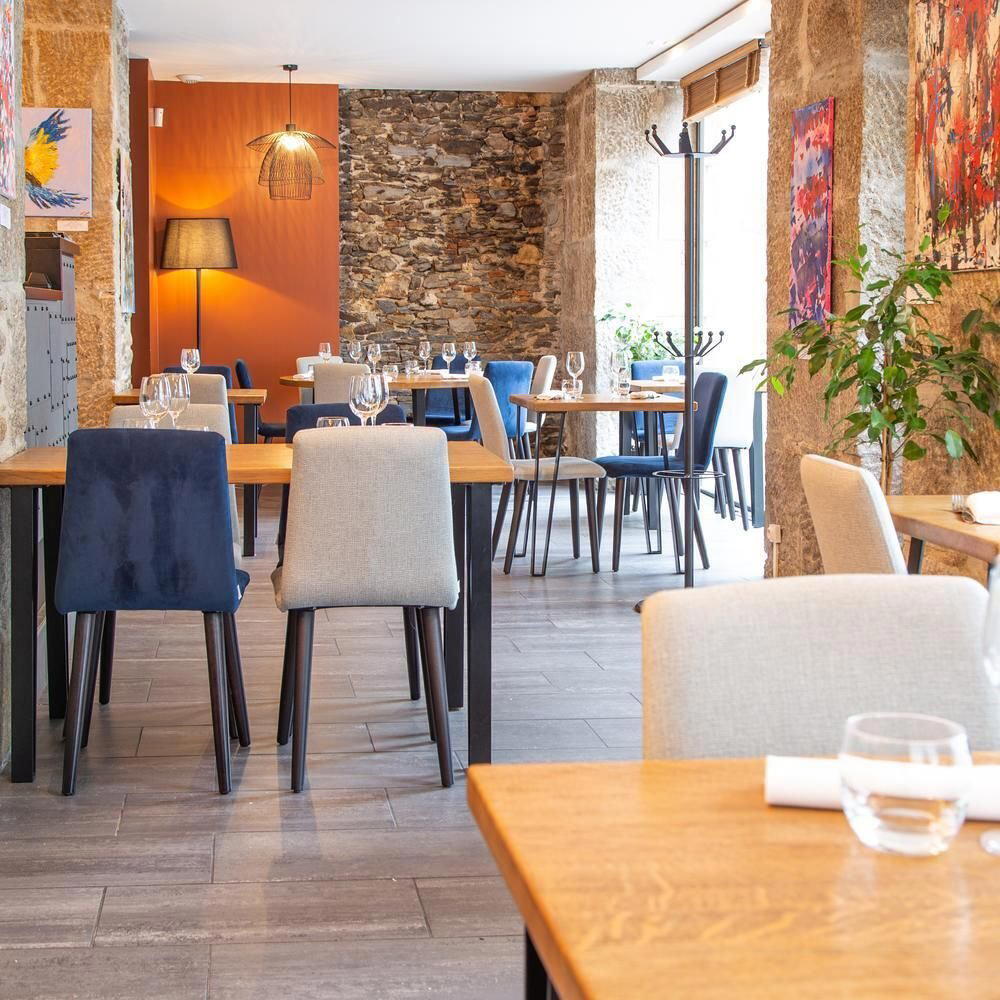
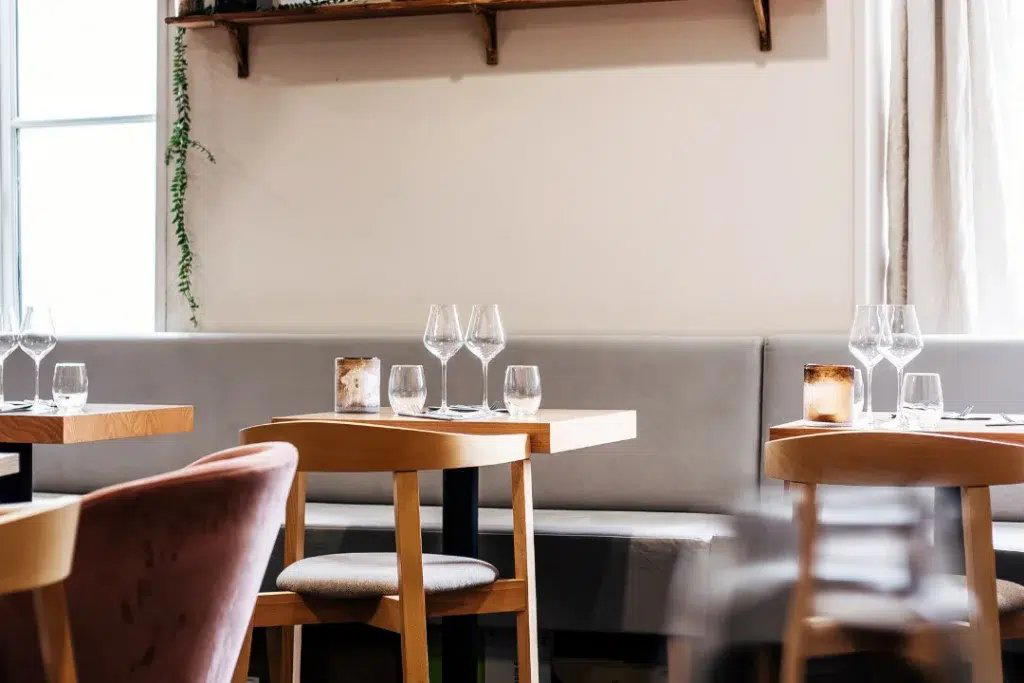
Warm and inviting with rustic, light decor that creates a cozy dining experience near Nantes train station.