Kabob Hutt
Kabob Hutt sits on Washburn Circle in Corona, California, representing the city's working appetite for grilled-meat traditions that trace through the Middle East and South Asia. The menu architecture here follows the logic of the skewer: protein selection first, then preparation, then accompaniments. For Corona diners exploring beyond the city's Mexican-dominant dining corridor, it occupies a distinct position in the local rotation.
Pearl is the En Primeur Club membership app — saves, bookings, and concierge access live there. Same editors, same standards.
- Address
- 165 Washburn Cir, Corona, CA 92882
- Phone
- +19512796696
- Website
- kabobhutt.com
- Directions
- Get directions
 Saves & bookings on Pearl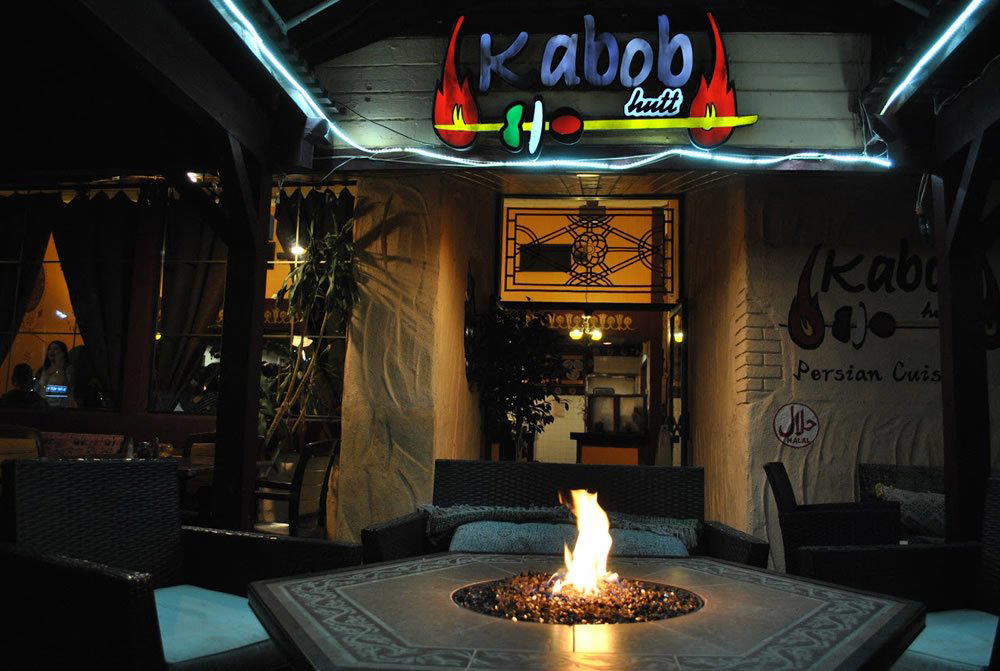
Grilled on the Margins: Corona's Kebab Counter in Context
Corona's restaurant scene is anchored, as in much of the Inland Empire, by a long corridor of Mexican cooking, from the table-service tradition at places like Luna Modern Mexican Kitchen to the casual brunch registers of Palapas Brunch. Against that dominant grain, kebab restaurants occupy a quiet but persistent niche, drawing on Middle Eastern and South Asian grilling traditions that have taken root across Southern California's suburban grid. Kabob Hutt, at 165 Washburn Circle, is one of the addresses in Corona where that tradition has a foothold.
The kebab format, at its structural core, is a study in deliberate simplicity. Unlike the tasting-menu architecture of destinations such as The French Laundry in Napa or the elaborate mise-en-place discipline found at Alinea in Chicago, a well-run kebab counter organizes its menu around a single governing logic: how the protein is prepared over direct heat, and what it is served alongside. The menu does not need length to communicate depth. It needs precision in that core sequence.
Menu Architecture: The Grammar of the Skewer
The editorial angle that kebab restaurants reward is not variety for its own sake but the internal logic of the menu's categories. In Persian and broader Middle Eastern traditions, kebabs divide first by protein, then by preparation method, and finally by the accompaniments that complete the plate. Koobideh, ground meat pressed onto flat skewers, differs from barg, which uses flattened cuts of beef tenderloin, which in turn differs from joojeh, marinated chicken, often with saffron. Each category implies a different fire management, a different resting time, and a different supporting cast of rice, bread, or grilled tomato.
This structure is not ornamental. It encodes a set of decisions the kitchen makes before service begins: sourcing, marinating time, skewer gauge, and charcoal management. In restaurants where that architecture is observed seriously, the menu functions as a transparent map of the kitchen's priorities. Where it collapses into a generic "kebab platter" catch-all, the discipline tends to follow. Reading a kebab menu carefully, before ordering, is one of the more useful habits a diner can develop in this category.
At the suburban California end of the spectrum, where Kabob Hutt operates, the surrounding dining context matters as much as the individual menu. Corona's dining range runs from the Japanese counter precision of Marui Sushi to the festive Mexican formats at Kalaveras. Within that spread, a kebab house occupies a specific functional role: weeknight protein-forward dining, often family-style, at a price register below the full-service restaurant tier. That positioning is not a weakness. It reflects how the tradition actually travels and settles in American suburban contexts.
The Broader Kebab Tradition in Southern California
Southern California has hosted a significant Persian and Middle Eastern diaspora since the 1970s and 1980s, and Los Angeles's Westside, particularly Westwood and the stretch once nicknamed Tehrangeles, developed some of the country's most established Persian restaurant corridors. That concentration on the coast created a supply chain and a culinary vocabulary that gradually extended inland, into the Inland Empire and its surrounding cities. The kebab traditions that arrived with Persian immigration specifically emphasize quality of meat, the role of saffron and dried lime in marinades, and the pairing of grilled items with saffron rice and fresh herbs.
This lineage matters for understanding what a kebab house in Corona is drawing on, even when it operates without the fanfare of a named chef or a formal awards record. The tradition has its own internal standards, transmitted through community networks rather than culinary institutions. It sits at a remove from the Michelin-calibrated dining at Providence in Los Angeles or the farm-to-table rigor at Blue Hill at Stone Barns in Tarrytown, but it is no less historically grounded as a culinary form. The standards are simply different, and are enforced by a community of regulars who know exactly what the food should taste like.
Locating Kabob Hutt in the Corona Dining Rotation
The Washburn Circle address places the restaurant in a commercial pocket of Corona that functions primarily for local residential traffic rather than destination dining. This is not unusual for the kebab category in the Inland Empire. These restaurants typically build their audience through consistent output and word of mouth rather than through editorial coverage or formal recognition programs. The absence of a public awards record reflects a pattern common to small, community-anchored restaurants: the regulars know where it is and what to order.
For a first-time visitor, that opacity is leading addressed through the same approach that works across the kebab category: arrive with appetite for a focused, protein-centered meal, ask about the day's preparation, and follow the structural logic of the menu rather than trying to order across every category at once. The comparison with destination restaurants such as Le Bernardin in New York City or Addison in San Diego is instructive precisely because it is not about equivalence. It is about recognizing that every serious dining tradition has its own internal logic and its own standards for what a well-executed meal looks like.
Planning Your Visit
The restaurant is located at 165 Washburn Circle, Corona, CA 92882. One reliable approach for a first visit is to arrive directly during regular opening hours and assess availability on the day. The restaurant is walk-in friendly, making timing the main variable to manage.
Accolades, Compared
Comparable venues nearby, for context on price, style, and recognition.
| Venue | Cuisine | Price | Notes |
|---|---|---|---|
| Kabob HuttThis venue — the venue you are viewing | Traditional Persian Kabobs | $$ | Not listed |
| Luna Modern Mexican Kitchen | Modern Mexican Farm-to-Table | $$ | Corona |
| Palapas Brunch | Traditional Mexican Seafood Brunch | $$ | Corona |
| Kalaveras | Modern Mexican | $$$ | Corona |
| Marui Sushi | Traditional Japanese Sushi | $$ | Corona |
Continue exploring
More in Corona
Restaurants in Corona
Browse all →
Bars in Corona
Browse all →
Hotels in Corona
Browse all →
Wineries in Corona
Browse all →
At a Glance
- Lively
- Cozy
- Family
- Casual Hangout
- Group Dining
- Live Music
- Open Kitchen
- Beer Program
Current opening hours
- Monday
- 9:30 AM–9 PM
- Tuesday
- 9:30 AM–9 PM
- Wednesday
- 9:30 AM–9 PM
- Thursday
- 9:30 AM–9 PM
- Friday
- 9:30 AM–10 PM
- Saturday
- 9:30 AM–10 PM
- Sunday
- 9:30 AM–9 PM
Hours can change for holidays and private events. Last verified .
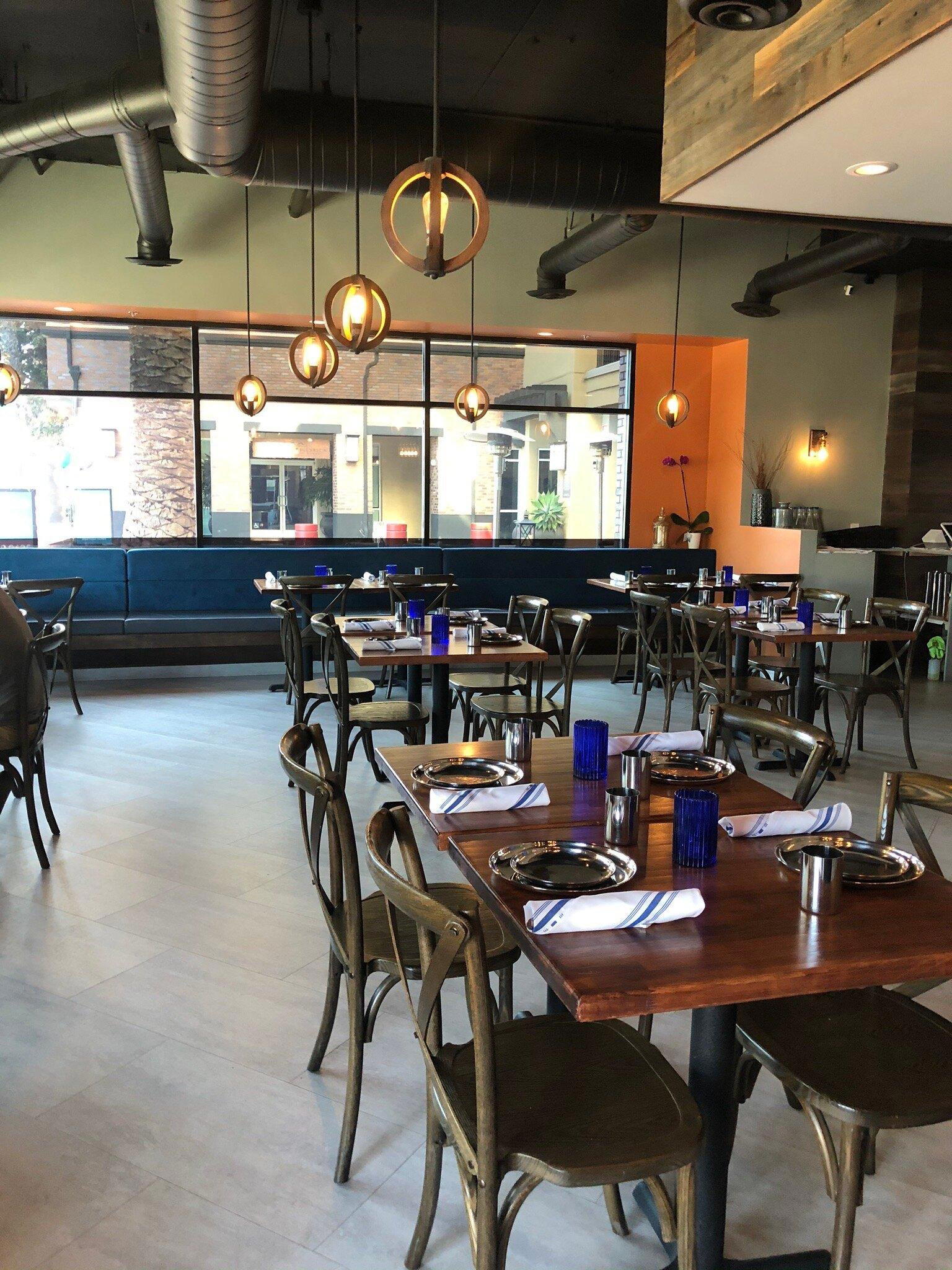
Handsome saffron-colored dining room with skylights creating a warm, inviting atmosphere.