Luna Modern Mexican Kitchen
Luna Modern Mexican Kitchen brings a contemporary approach to Mexican cooking to Corona's Montecito Drive corridor, where sourcing decisions and kitchen technique together shape what ends up on the plate. The cooking sits somewhere between regional Mexican tradition and California ingredient sensibility, making it a reference point in a city where that combination is rarely attempted with this level of intention.
Pearl is the En Primeur Club membership app — saves, bookings, and concierge access live there. Same editors, same standards.
- Address
- 980 Montecito Dr #110, Corona, CA 92879
- Phone
- +19517358888
- Website
- lunammk.com
- Directions
- Get directions
 Saves & bookings on Pearl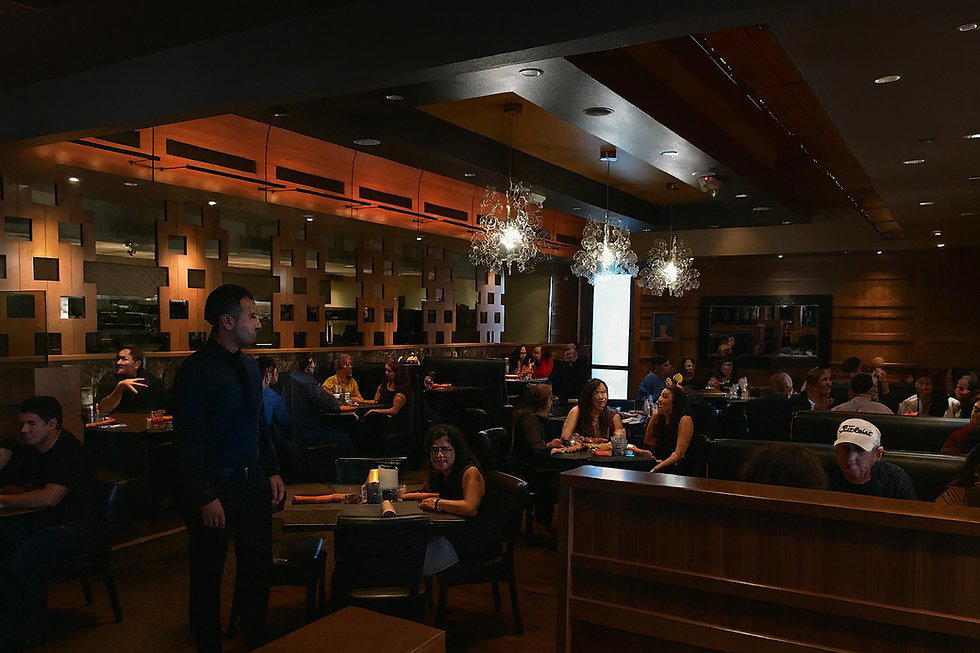
Where California Produce Meets Mexican Kitchen Logic
Luna Modern Mexican Kitchen in Corona, California is a modern Mexican farm-to-table restaurant in the Inland Empire. That context matters when assessing Luna Modern Mexican Kitchen, located at 980 Montecito Drive, because what the kitchen is attempting here runs against the regional grain. Modern Mexican cooking in Southern California has developed a distinct identity over the past decade, one shaped by the proximity to Baja California's farm networks, the Central Valley's agricultural output, and a generation of cooks who trained in both Mexican regional kitchens and California produce-forward environments. Luna operates inside that tradition, and understanding that tradition is the right frame for understanding what the restaurant is doing.
Mexican cuisine has long been misread in the United States as a monolith, when in fact it encompasses dozens of regional traditions with distinct ingredient vocabularies, from the mole complexity of Oaxaca to the seafood-forward cooking of Sinaloa and the fire-driven techniques of Sonora. The "modern" designation in Mexican restaurant names is often cosmetic, a design update applied to a largely unchanged menu. The stronger version of modern Mexican cooking, the kind that has drawn serious attention at restaurants across Los Angeles and San Diego, treats the modernization as a sourcing and technique decision rather than a branding one.
Ingredient Sourcing as Editorial Statement
Southern California's position within North America's food geography is, for a Mexican kitchen, genuinely advantageous. The proximity to the agricultural corridors of the Inland Empire and the Coachella Valley means access to stone fruits, citrus, chiles, and alliums that would be logistically difficult to source at this quality level in most other American cities. A kitchen working seriously with Mexican flavor frameworks, where the depth of a sauce depends on the quality of its dried and fresh chiles, where a ceviche lives or dies by citrus acidity, is well-positioned here in a way that a comparable kitchen in Chicago or Atlanta simply is not.
This sourcing context connects to broader conversations happening across the American restaurant industry. Restaurants like Blue Hill at Stone Barns in Tarrytown and Single Thread Farm in Healdsburg have demonstrated how tightly a kitchen can bind its menu logic to agricultural sourcing, to the point where the farm relationship becomes the editorial spine of the whole operation. Providence in Los Angeles and Addison in San Diego work comparable sourcing discipline into California's fine dining tier. Luna operates in a different price bracket and a different city, but the underlying question, where does this food come from and does that sourcing decision shape what arrives at the table, is one that serious kitchens in every category are now expected to answer.
The Montecito Drive Setting
The Montecito Drive address places Luna in a commercial corridor that reads, from the outside, as practical rather than destination-oriented. This is relevant because it means the restaurant draws its audience on the strength of what it serves, not on the back of a high-visibility location or neighborhood cachet. Corona's dining scene, which includes options ranging from the Persian-inflected cooking at Kabob Hutt to the Mexican-American comfort format at Kalaveras, the Japanese precision of Marui Sushi, and the weekend brunch energy of Palapas Brunch, is more varied than the city's dining reputation suggests. Luna positions itself toward the upper end of that local range, not by price signaling alone, but by the ambition of its culinary framing.
The physical space, suite 110 within a commercial center, follows a format common to California's suburban restaurant tier.
Modern Mexican in a California Context
Category of modern Mexican cooking in California sits in an interesting competitive position. Below it, in price and ambition, is a large tier of regional Mexican restaurants, many of them deeply skilled in specific traditions. Above it, at the fine dining register, restaurants like those earning recognition from institutions such as the James Beard Foundation or appearing on lists alongside Le Bernardin in New York City, Alinea in Chicago, or Atomix in New York City, represent a different conversation entirely. Luna sits in the middle band, where the competition is not Michelin-starred tasting menus but rather the expanding class of casual-to-polished Mexican restaurants that have raised their sourcing standards and menu sophistication without abandoning accessibility.
That middle band is, where interesting Mexican cooking in California is happening right now. It is where the techniques imported from high-end kitchens, the attention to chile sourcing, the precision in sauce-building, the respect for regional specificity, meet an audience that eats Mexican food regularly and can therefore tell the difference. Restaurants like Emeril's in New Orleans and Lazy Bear in San Francisco have each demonstrated, in their respective categories, that mid-fine-dining formats can carry genuine culinary seriousness. The same logic applies to ambitious Mexican kitchens operating outside the formal fine dining tier.
Planning Your Visit
Luna Modern Mexican Kitchen is located at 980 Montecito Drive, Suite 110, in Corona, California. For visitors coming from Los Angeles or the broader Inland Empire, the Montecito Drive corridor is accessible via the 91 freeway corridor. Given the venue's format within a commercial center, arrival by car is the practical default.
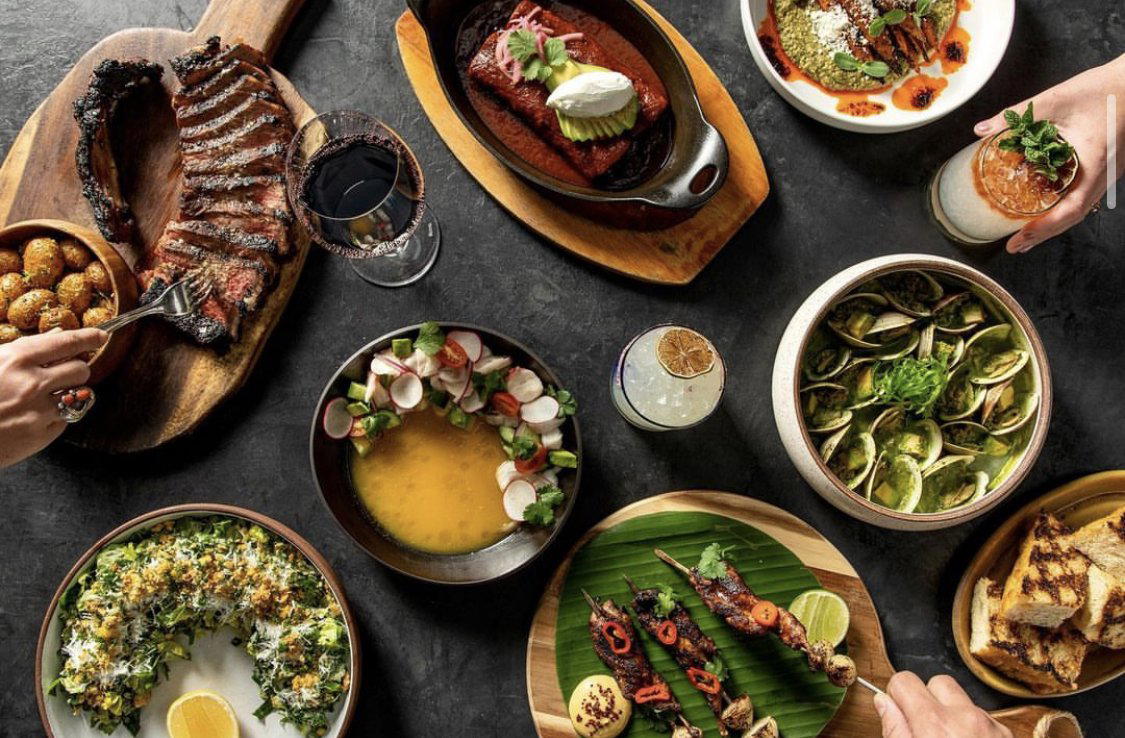
- NY Steak Con Huevos
- Chilaquiles
- Mole Poblano Enchiladas
- Cochinita Pibil
- Mixed Grill Parrillada
- Lamb Barbacoa
Comparison Snapshot
Comparable venues nearby, for context on price, style, and recognition.
| Venue | Cuisine | Price | Notes |
|---|---|---|---|
| Luna Modern Mexican KitchenThis venue — the venue you are viewing | Modern Mexican Farm-to-Table | $$ | Not listed |
| Palapas Brunch | Traditional Mexican Seafood Brunch | $$ | Corona |
| Marui Sushi | Traditional Japanese Sushi | $$ | Corona |
| Kabob Hutt | Traditional Persian Kabobs | $$ | .corona |
| Kalaveras | Modern Mexican | $$$ | Corona |
Continue exploring
More in Corona
Restaurants in Corona
Browse all →
Bars in Corona
Browse all →
Hotels in Corona
Browse all →

Wineries in Corona
Browse all →

At a Glance
- Modern
- Casual
- Cozy
- Elegant
- Casual Hangout
- Family
- Group Dining
- Brunch
- Date Night
- Terrace
- Open Kitchen
- Standalone
- Craft Cocktails
- Beer Program
- Farm To Table
- Organic
- Local Sourcing
Current opening hours
- Monday
- 11:30 AM–9 PM
- Tuesday
- 11:30 AM–9 PM
- Wednesday
- 11:30 AM–9 PM
- Thursday
- 11:30 AM–9 PM
- Friday
- 11:30 AM–10 PM
- Saturday
- 4–10 PM
- Sunday
- 11:30 AM–9 PM
Hours can change for holidays and private events. Last verified .
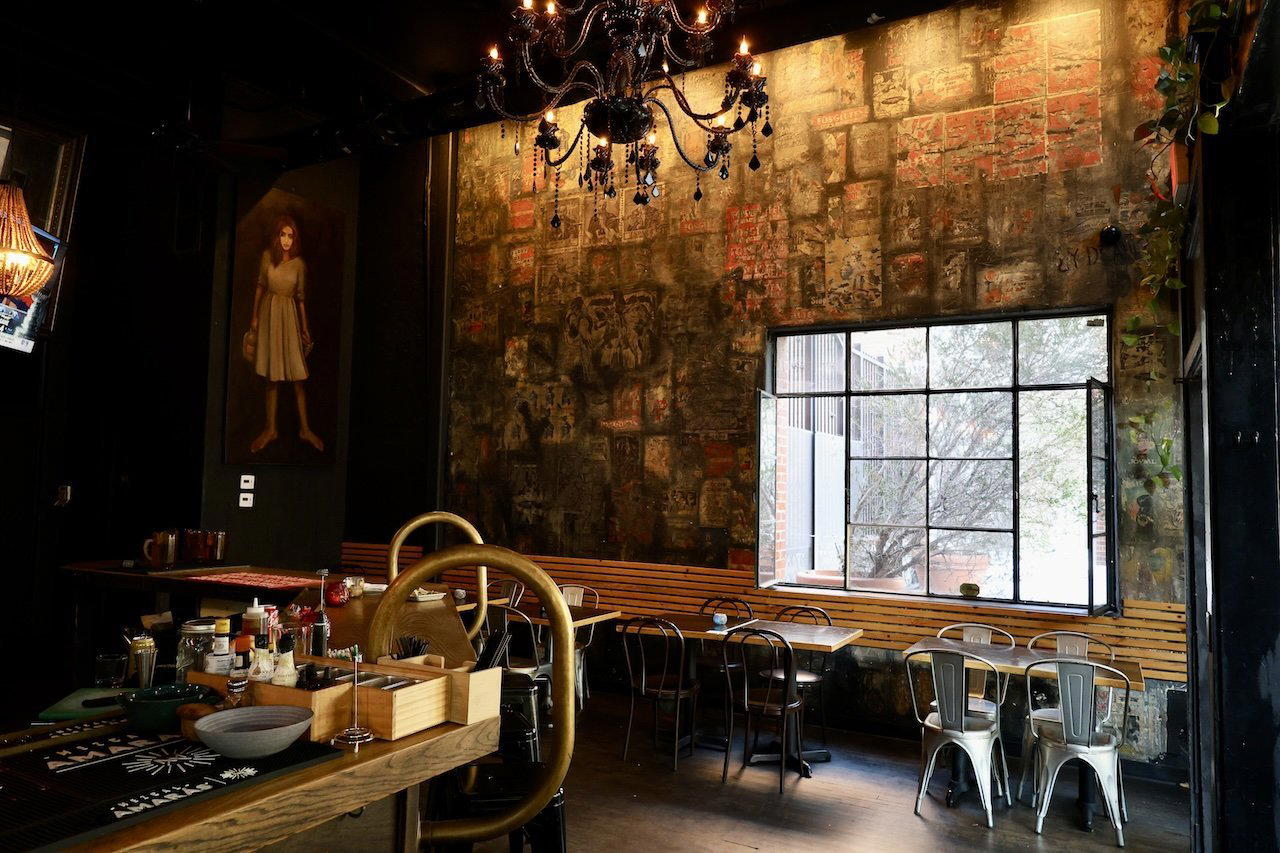
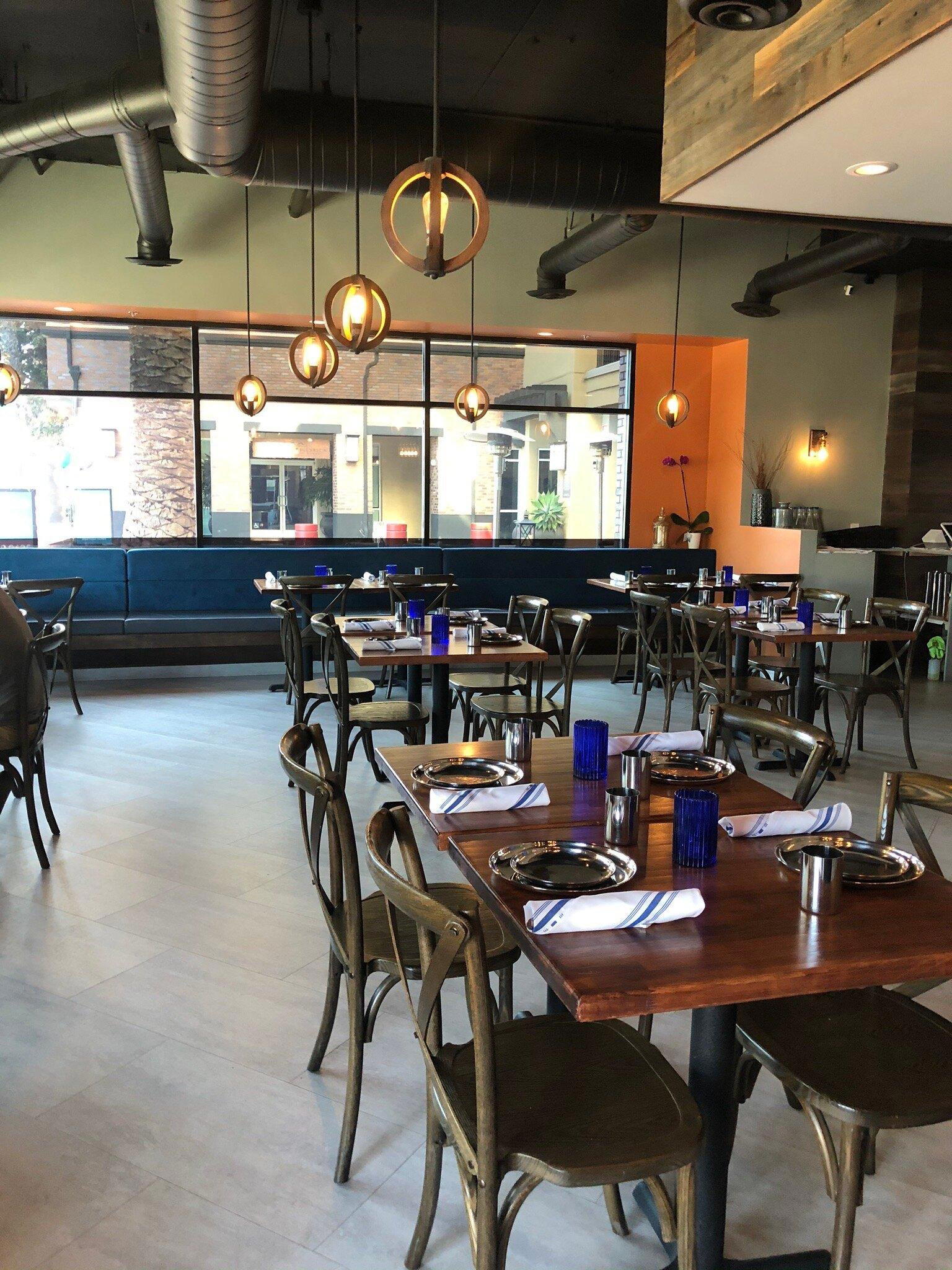
Casual yet elegant atmosphere with cozy ambiance, patio seating, and an intriguing design that balances modern sophistication with warm hospitality.