KAALAU
KAALAU sits in SM 307, a residential district of Alfredo V Bonfil on the southern edge of Cancún, away from the Hotel Zone's familiar rhythms. The restaurant draws attention in a neighbourhood where serious local dining has quietly taken root alongside the city's broader shift toward ingredient-led cooking. For visitors willing to cross the city, it represents a different register of the Yucatán Peninsula's culinary conversation.
Pearl is the En Primeur Club membership app — saves, bookings, and concierge access live there. Same editors, same standards.
- Address
- SM 307 Alfredo V Bonfil, Carlos Salinas Lote 1-04, Entre avenida colegios, entre calle Carlos Salinas, Benito Juarez, Av. Colegios y calle carlos salinas, 77560 Cancun, Q.R., Mexico
- Phone
- +529983483080
- Website
- folksgroup.mx
- Directions
- Get directions
 Saves & bookings on Pearl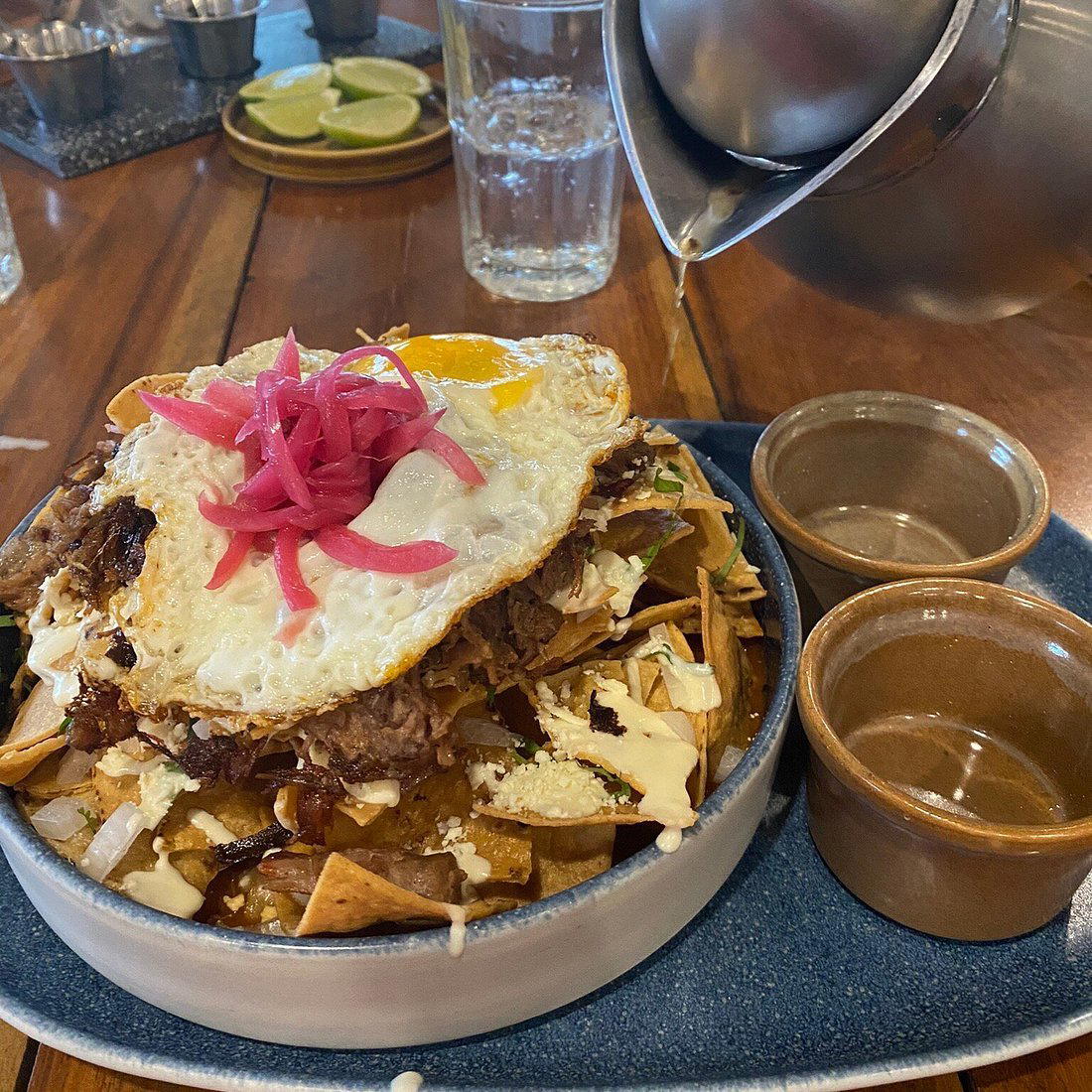
Sourced from the Peninsula: Why Where the Food Comes From Shapes What Ends Up on the Plate
Mexico's Caribbean coast is not short of restaurants that import their identity from elsewhere — kitchens designed around European technique, proteins flown in from cooler climates, menus that could plausibly appear in any affluent resort corridor on the continent. The more interesting counter-movement, which has been building steadily across the Yucatán Peninsula and the wider Mexican southeast, centres on the argument that the region already has what it needs. The Gulf and Caribbean waters produce an extraordinary range of seafood. The inland markets of Quintana Roo and Yucatán carry chiles, squashes, and citrus varieties that don't travel well and rarely appear outside the region. Cenote-fed freshwater systems support ecosystems that inform traditional cooking in ways that a Cancún Hotel Zone menu rarely captures. KAALAU, located in the SM 307 zone of Alfredo V Bonfil on the city's southern residential edge, sits within this broader shift toward sourcing with geographic specificity.
The address itself is a signal. SM 307 is not the zona hotelera, and it is not the polished restaurant corridor that draws tourists arriving for the first time. Alfredo V Bonfil is a district where Cancún residents actually live, and a restaurant choosing to operate here is making a deliberate argument about its audience and its priorities. Across Mexican food culture, this pattern recurs: the most regionally committed kitchens tend to operate in neighbourhood contexts rather than high-visibility tourist infrastructure, because their supply relationships, their clientele, and their cooking logic all pull in that direction. For comparable dynamics further along the coast, HA' in Playa del Carmen offers a reference point for what ingredient-first thinking looks like in a slightly more visitor-facing setting.
The Yucatán Pantry and What It Actually Contains
To understand what a sourcing-led kitchen on the Peninsula is working with, it helps to think through the raw material geography. The Yucatán Peninsula's coastal waters — the Gulf of Mexico to the northwest, the Caribbean to the east, produce grouper, snapper, octopus, and a range of smaller reef species that form the backbone of regional seafood cooking. Inland, the Mayan milpa agricultural tradition, which rotates corn, beans, and squash on the same plot, produces a rhythm of seasonal availability that serious kitchens map their menus against rather than override with imported consistency. Recado spice pastes, habanero varieties specific to this soil type, and chaya (a leafy green with significant nutritional density) are among the ingredients that mark a Yucatecan kitchen as genuinely regional rather than generically Mexican.
This is the context in which ingredient sourcing becomes an editorial argument rather than a marketing detail. Kitchens that commit to this supply chain accept shorter menus, more seasonal variation, and tighter relationships with specific producers and fishers. The trade-off is cooking that carries the actual flavour profile of a place rather than a smoothed approximation of it. Mexico's most discussed sourcing-led restaurants, Pujol in Mexico City, Animalón in Valle de Guadalupe, Levadura de Olla in Oaxaca, have each built their identity on hyperlocal sourcing as a structural commitment, not a seasonal campaign. KAALAU's Alfredo V Bonfil location places it in the same broader conversation, albeit in a neighbourhood register rather than a high-profile destination format.
Where KAALAU Sits in the Cancún and Riviera Maya Dining Picture
Cancún's restaurant scene has long been bifurcated between the Hotel Zone's international offerings and a more grounded local circuit that visitors rarely navigate. The latter tier has grown in ambition over the past decade, partly driven by a generation of Mexican cooks who trained abroad or at leading domestic kitchens and returned to work closer to home. Le Chique in Puerto Morelos, operating at the premium end with a contemporary Mexican tasting format, represents one pole of the regional ambition. KAALAU, from what its address and neighbourhood context suggest, positions itself in a less theatrical, more accessible register of that same regional seriousness.
The comparison set that matters most for understanding where KAALAU sits is not the Hotel Zone, it is the cohort of Cancún-area restaurants that serve a local clientele with meaningful cooking, at prices that reflect neighbourhood economics rather than tourist-zone premiums. Carnitas Don Vasco in Cancún illustrates what committed traditional cooking looks like at a different price point and format in the same city. For readers comparing across Mexico's sourcing-led scene more broadly, Olivea Farm to Table in Ensenada, Alcalde in Guadalajara, and KOLI Cocina de Origen in Monterrey each show how different Mexican cities have developed their own sourcing-led dining identity. Arca in Tulum provides a further Riviera Maya reference point, working with jungle and coastal ingredients in a format aimed primarily at international visitors.
Planning a Visit: What to Know Before You Go
KAALAU's address, SM 307 Alfredo V Bonfil, Carlos Salinas Lote 1-04, between Avenida Colegios and Calle Carlos Salinas, 77560 Cancún, places it in the southern residential expansion of the city, well outside both the Hotel Zone and the downtown commercial centre. Getting there from the Hotel Zone will require a taxi or rideshare; the distance and route make it a deliberate trip rather than a walk-by discovery. That is, in itself, part of the point: restaurants in this district are not trading on foot traffic, which generally signals a kitchen confident in repeat local custom rather than tourist throughput. No booking contact details are currently available through public records, so approaching through local recommendations or digital search is the practical starting point. Our full Alfredo V Bonfil restaurants guide covers the broader dining picture in this part of the city for readers planning a longer itinerary in the area.
For context on the wider regional scene when building a multi-day itinerary, Huniik in Merida and Lunario in El Porvenir extend the ingredient-sourcing conversation into different parts of Mexico's culinary geography. Readers with interest in fine dining benchmarks from outside Mexico will find useful reference points in Le Bernardin in New York City and Atomix in New York City, both of which demonstrate the technical ceiling that regional sourcing programs can reach when executed at the highest level. Pangea in San Pedro Garza García and Casa Barroca in Puebla round out the domestic comparison set for readers building a picture of how Mexico's neighbourhood-anchored serious dining has developed across different cities. California Prime - Rib Sucursal Los Angeles in Celaya offers a further data point on how varied Mexico's regional restaurant ambitions have become beyond the obvious capitals.
Continue exploring
More in Alfredo V Bonfil
Restaurants in Alfredo V Bonfil
Browse all →

Bars in Alfredo V Bonfil
Browse all →
At a Glance
- Cozy
- Brunch
- Casual Hangout
- Local Sourcing
Current opening hours
- Monday
- 9 AM–8 PM
- Tuesday
- 9 AM–8 PM
- Wednesday
- 9 AM–11 PM
- Thursday
- 9 AM–11 PM
- Friday
- 9 AM–12 AM
- Saturday
- 9 AM–12 AM
- Sunday
- 9 AM–9 PM
Hours can change for holidays and private events. Last verified .
Friendly service in a delightful dining atmosphere.
Know Before You Go
- Getting there
- SM 307 Alfredo V Bonfil, Carlos Salinas Lote 1-04, Entre avenida colegios, entre calle Carlos Salinas, Benito Juarez, Av. Colegios y calle carlos salinas, 77560 Cancun, Q.R., Mexico