Avenida Bonampak runs through the heart of Cancun's Hotel Zone, anchoring a stretch of bars and nightlife venues that collectively define how the city drinks after dark. Where the strip's high-volume clubs lean on spectacle, the avenue's more considered stops reward visitors who approach Cancun's bar scene with some intention. A useful starting point for orienting yourself in one of Mexico's most concentrated nightlife corridors.
Pearl is the En Primeur Club membership app — saves, bookings, and concierge access live there. Same editors, same standards.
- Address
- Quintana Roo, Mexico
- Directions
- Get directions
 Saves & bookings on Pearl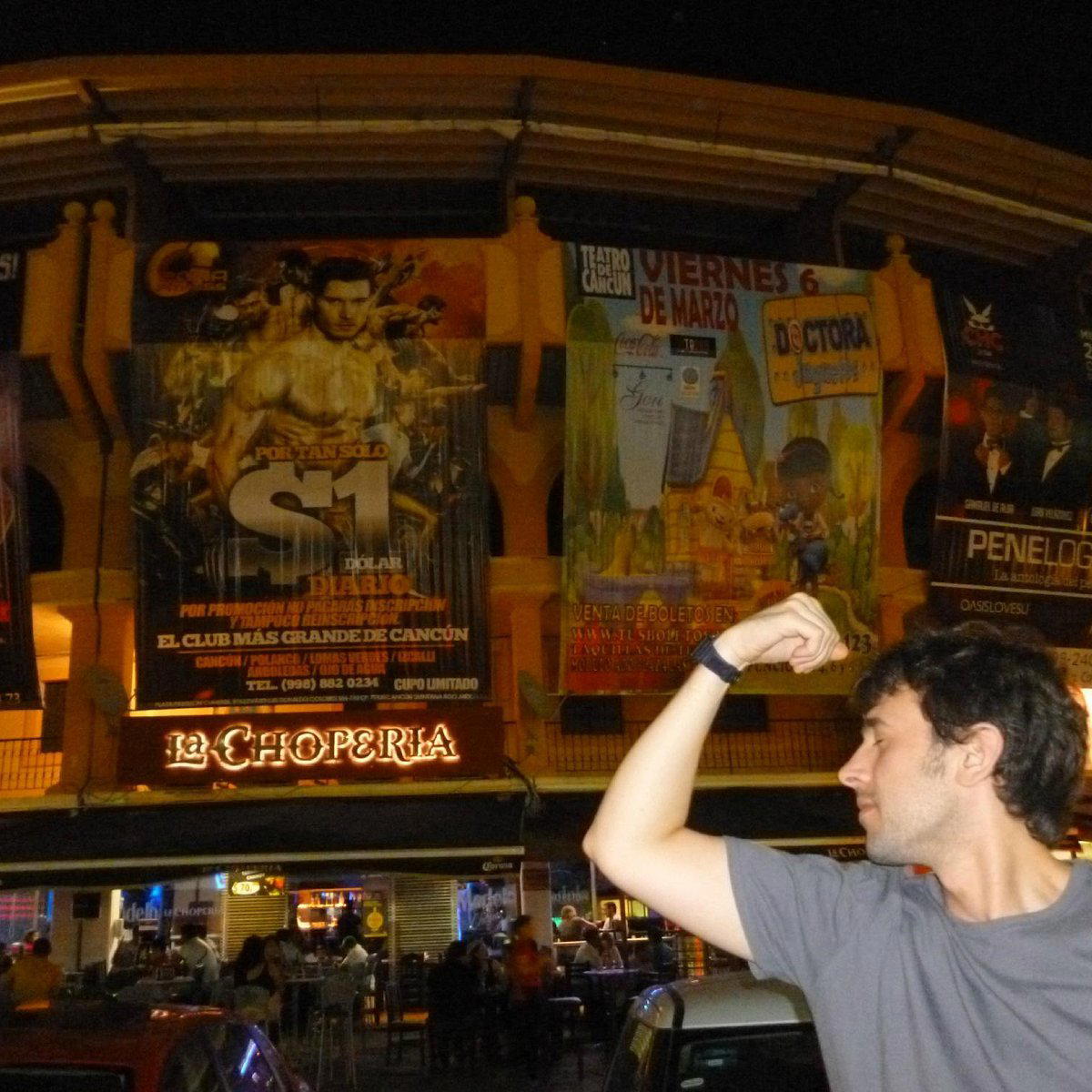
Cancun's Drinking Corridor and Where Bonampak Fits
Avenida Bonampak occupies a particular position in Cancun's Hotel Zone geography. The boulevard runs parallel to the lagoon side of the zona hotelera, threading through a concentration of bars, clubs, and late-night venues that have made this stretch a reliable axis for visitors trying to understand how Cancun actually functions as a nightlife city. It is not a single venue so much as a navigational anchor: a place from which the city's drinking culture fans out in several directions, each with a distinct character.
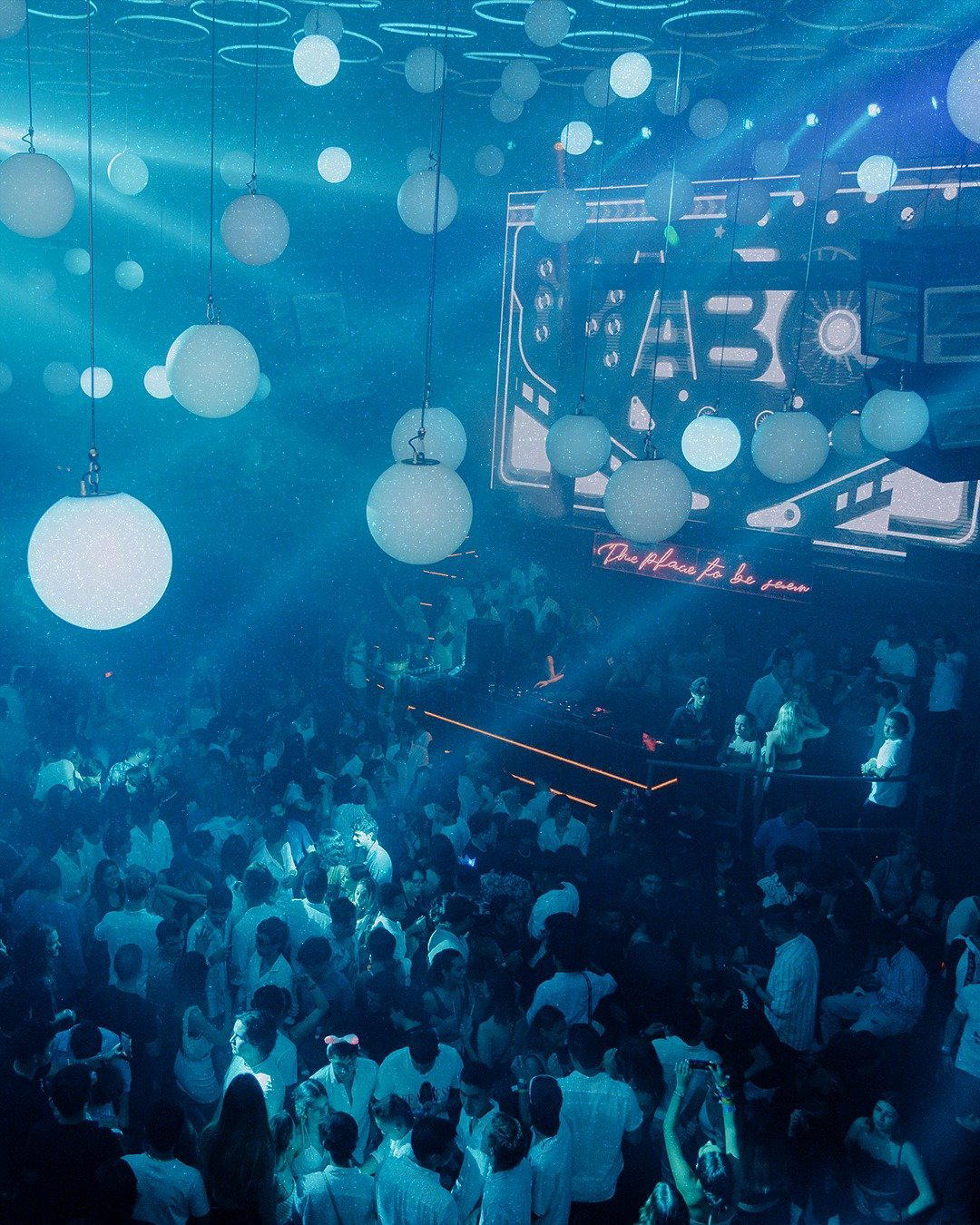
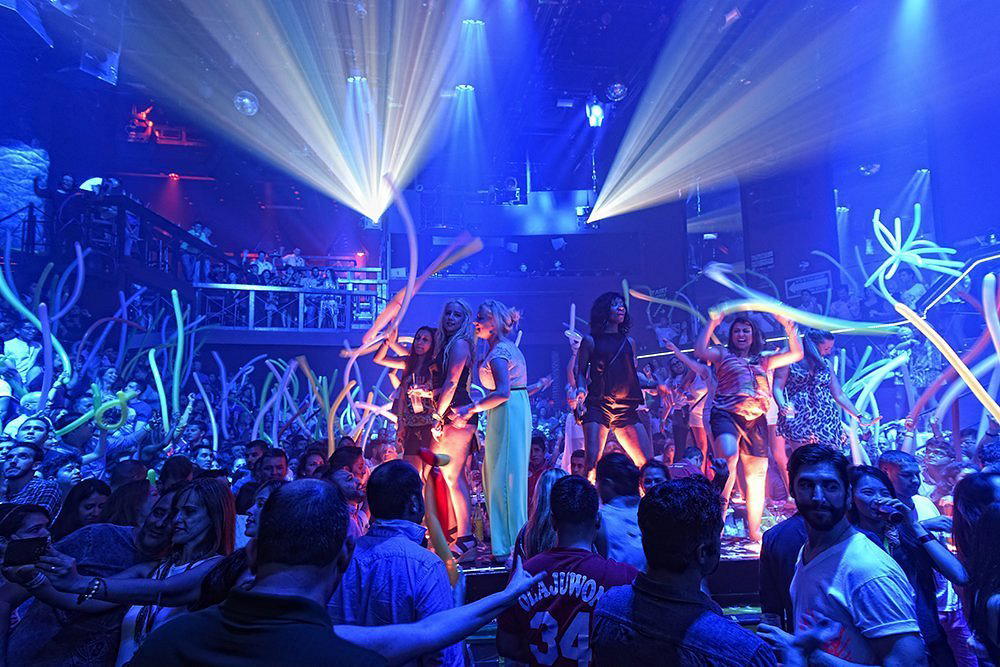
To understand what you find along Bonampak, it helps to understand the broader structure of Cancun's bar scene. The Hotel Zone splits, roughly, between high-volume spectacle operations and smaller, more drinks-focused stops. The former category includes venues like Coco Bongo, which operates more as a theatrical entertainment complex than a traditional bar, and Mandala Nightclub, where the emphasis is on dancefloor energy and production scale. Carlos'n Charlie's and D'Cave sit in adjacent tiers, offering their own versions of the high-energy, high-capacity format that defines the zone's dominant register. Bonampak serves as the connective tissue between these nodes.
The Craft Question in a High-Volume City
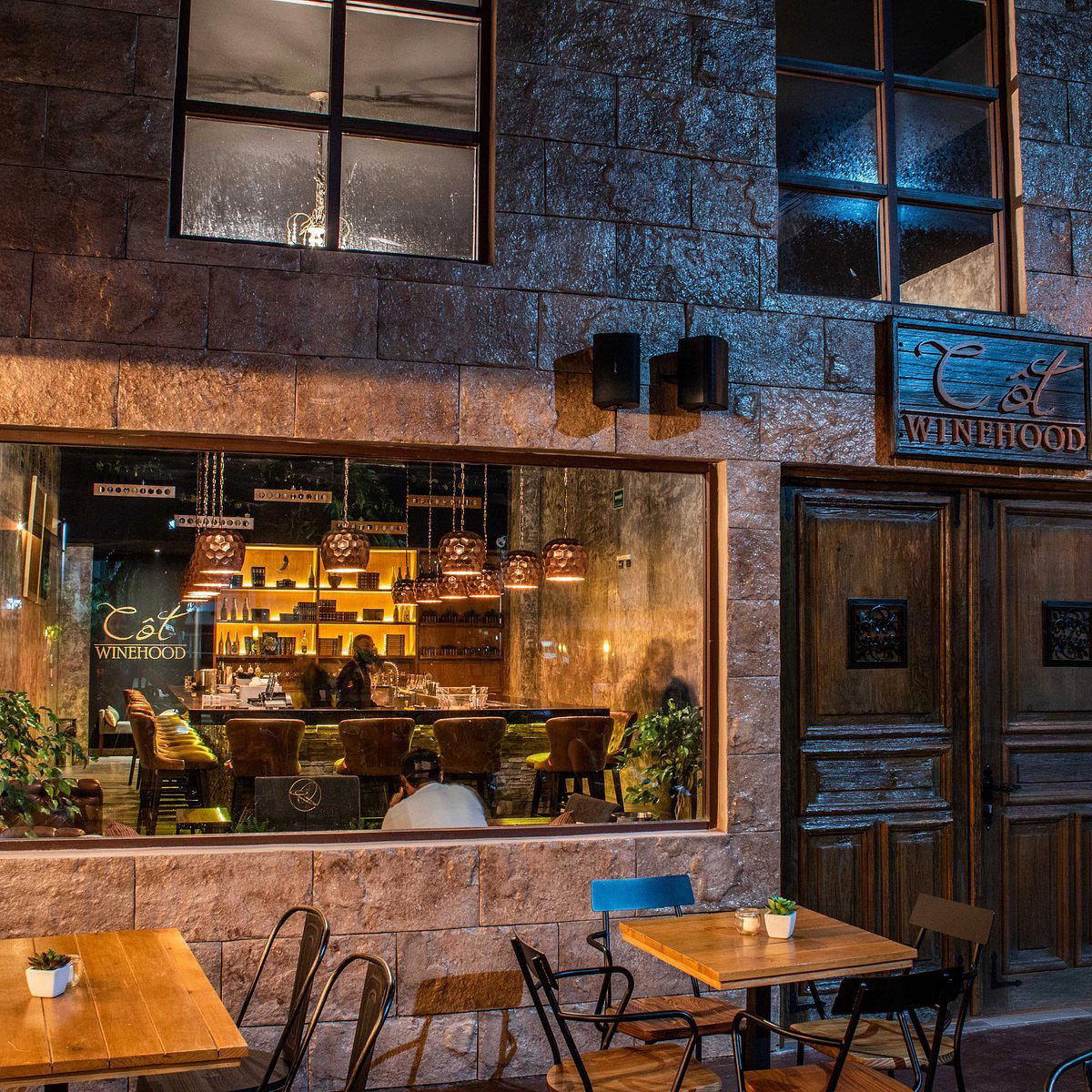
Any serious assessment of Cancun's bar scene has to reckon with a structural tension: the city's tourism economy rewards scale and spectacle, which leaves less room for the kind of deliberate, technique-driven bar programs that have taken hold in other Mexican cities over the past decade. Baltra Bar in Mexico City represents one end of that spectrum, where the program is built around fermentation, clarification, and a genuine engagement with the craft conversation happening in international bar culture. Bekeb in San Miguel de Allende takes a different approach, rooting its drinks in indigenous ingredients and pre-Hispanic fermentation traditions. Even within the tequila heartland, La Capilla in Tequila and El Gallo Altanero in Guadalajara demonstrate that the person behind the bar, and what they know, shapes the experience as fundamentally as the address.
This matters for anyone approaching Bonampak as a destination rather than a throughway. Mexico's craft bar scene has been producing some of the continent's more interesting programs, particularly around agave spirits. Arca in Tulum has drawn attention for folding drinks into a broader culinary philosophy, while Aruba Day Drink in Tijuana represents the kind of casual-but-considered format that has expanded the definition of what a serious Mexican bar can look like. The question for any Cancun stop is how much of that wider conversation has permeated the Hotel Zone's dominant commercial register.
What the Bartender's Craft Looks Like Here
In cities where tourism volume dominates, the standard bar program optimizes for throughput: simplified cocktail lists, speed of service, and drinks calibrated to a broad international palate rather than a local one. The bartender in this context is often a facilitator of an experience designed elsewhere, executing a fixed menu with consistency rather than exercising much discretion. That is a workable model, and in the right venue it produces reliable, crowd-pleasing results.
The contrasting model, which has gained ground across Mexico's more established cocktail cities, puts the bartender's knowledge at the center. Training in agave classification, an understanding of regional mezcal production, or fluency with Mexico's fermented-drink traditions (tepache, pulque, agua miel) changes what a conversation at the bar can yield. At venues like Bar Leather Apron in Honolulu, the hospitality approach is built around that kind of host expertise: the bartender as a guide to a specific drinks tradition, not simply a mixer. That framing is instructive wherever you're drinking, including along Bonampak.
For visitors who want to drink Mexican spirits with some context, the practical advice is to ask questions early. A bartender who can distinguish between a highland and lowland tequila production style, or explain why a particular mezcal comes from a specific agave species, is worth identifying and staying with. That skill set exists in Cancun, even if the Hotel Zone's dominant commercial format doesn't always surface it prominently.
Planning Your Visit
Avenida Bonampak and the Hotel Zone around it operate on a late schedule, with most venues reaching capacity on weekends after 11pm. For anyone arriving during peak holiday periods, particularly the weeks around Christmas, New Year, spring break, and the summer high season, the zone's bars and clubs fill quickly, and queues at the higher-profile venues can run long. Weeknight visits in shoulder season allow for a more measured experience of the same venues. The zone is walkable within sections but covers enough ground that transport between venues is often easier by taxi or rideshare. For a wider orientation to what Cancun's food and drink scene offers beyond the Hotel Zone's main strip, our full Cancun restaurants guide maps the city's other registers.
At a Glance
- Late Night
- Casual Hangout
- Craft Beer
Know Before You Go
- Getting there
- Quintana Roo, Mexico