
Michelin Plate
Our verdict
JUWEL holds a Michelin star (retained in both 2024 and 2025) for its Modern French kitchen in Schirgiswalde-Kirschau, Upper Lusatia, under chef Jérôme Nutile. At the €€€€ price tier, it sits in rare company for eastern Saxony, offering a formally ambitious table in a region not typically associated with this calibre of French cooking.

Pearl is the En Primeur Club membership app — saves, bookings, and concierge access live there. Same editors, same standards.
- Address
- Bautzener Str. 74, 02681 Schirgiswalde-Kirschau, Germany
- Phone
- +49 3592 5200
- Website
- bei-schumann.de
- Directions
- Get directions
The menu
What to order
- Lamb 'Marrakesh'
- Halibut edamame umeboshi plum
French Ambition in Upper Lusatia
The small towns of Upper Lusatia, the stretch of eastern Saxony that rolls toward the Polish and Czech borders, are not where you expect to find a Michelin-starred Modern French kitchen. That geographic surprise is part of what makes JUWEL worth understanding. Germany's Michelin-starred dining is concentrated predictably: Munich, Hamburg, Berlin, the Rhine valley, and the Black Forest corridors anchored by places like Schwarzwaldstube in Baiersbronn. Schirgiswalde-Kirschau, a small municipality in the Bautzen district, sits well outside those gravitational centres. A star here, retained in both 2024 and 2025, signals something more than a local restaurant doing well. It signals a kitchen operating to a standard that travels.
The editorial question for any such venue is whether the French fine dining tradition it draws from has anything left to say in 2025. France's bistro and grand restaurant cultures have been in productive tension for decades, with the most interesting contemporary kitchens finding ways to borrow from both: the rigour and classical vocabulary of the grand table, applied with the directness and seasonal discipline of the bistro. That tension is exactly where Modern French cooking at this tier tends to live.
What Modern French Means at the €€€€ Tier
To understand JUWEL's position, it helps to map the category. Modern French at the €€€€ price band in Germany is not a crowded field. The canonical markers are there: French classical technique as the structural backbone, seasonal and often regionally sourced ingredients, tasting-menu or multi-course formats, and a wine program that tracks the cuisine's ambitions. Chef Jérôme Nutile operates within that framework, bringing French kitchen credentials to a Saxon address.
The bistro tradition that Modern French cooking descends from was always more democratic than the grand restaurant: shorter menus, sharper execution, and a preference for letting good sourcing do the work. Contemporary one-star kitchens in Germany have generally moved toward expressing that ethos at a higher technical level, rather than simply replicating the multi-hour, multi-course spectacle of the three-star tier. Compare JUWEL's single-star positioning with two-star houses like Vendôme in Bergisch Gladbach or the creative program at CODA Dessert Dining in Berlin: the ambition scales differently, and so does the register of the meal. A first Michelin star at a restaurant like JUWEL implies disciplined cooking with clear identity, not necessarily the baroque complexity of a three-star progression.
Closer Modern French peers in London, for a different reference frame, include Sketch, The Lecture Room and Library and Alex Dilling at Hotel Café Royal, both of which demonstrate how the Modern French category spans an enormous range of register and theatrical weight. JUWEL's address in a small Saxon town places it at the opposite end of that scale: the accent is almost certainly on the food itself rather than on surrounding spectacle.
The Bistro Tradition and Its German Inheritance
French fine dining in Germany has a specific history. Post-war German gastronomy looked to France as the template for serious cooking, and that influence has persisted through successive generations of German chefs. Restaurants like Victor's Fine Dining by Christian Bau in Perl or JAN in Munich reflect different ways that inheritance has been absorbed and evolved. What matters in this context is that Modern French cooking in Germany is not simply French cooking transplanted. It has been through several decades of interpretation, regional adaptation, and dialogue with local produce and seasonal patterns.
The bistro tradition's core proposition was always precision without pretension: the idea that good cooking doesn't require a palace to prove its quality. In Germany's smaller cities and towns, that democratic argument has historically allowed serious restaurants to survive and develop in places that lack the population density of Munich or Hamburg. A Michelin star in Schirgiswalde-Kirschau functions as external validation of exactly that argument. It is the Guide's way of saying that the journey, even to a town few international visitors could locate on a map, is worth making on the food's terms alone.
Other German starred restaurants in non-metropolitan settings prove the model holds. Schanz in Piesport and ES:SENZ in Grassau both operate at the €€€€ tier in towns where dining density is low and the room is likely the most ambitious table within a substantial radius. That context changes how a meal feels: there's no peer competition two streets over, and the kitchen bears the full weight of representing its region's culinary seriousness to every table.
JUWEL in Its Local Dining Context
Schirgiswalde-Kirschau's broader dining offer puts JUWEL's positioning in sharper relief. The town's restaurant scene is anchored by a small number of distinctly different operations. AL FORNO represents the Italian end of the spectrum, while WEBERSTUBE takes a farm-to-table approach. Neither operates in the same price bracket or at the same level of culinary ambition as JUWEL. The result is that JUWEL functions less as one option among many and more as a destination in its own right, the kind of table that defines the town's culinary identity from the outside, even if local regulars experience it differently.
For visitors making the trip specifically to eat at JUWEL, planning the visit around the town's other resources makes sense. Our full Schirgiswalde-Kirschau hotels guide covers accommodation options in the area. Those looking to build a longer stay around Upper Lusatia's food and drink offer can consult our Schirgiswalde-Kirschau bars guide, our wineries guide, and our experiences guide for the fuller picture of what the region offers beyond the restaurant itself. Our full Schirgiswalde-Kirschau restaurants guide maps the complete dining picture.
Planning a Visit
JUWEL sits at Bautzener Str. 74, 02681 Schirgiswalde-Kirschau. At the €€€€ price tier, guests should expect a spend that reflects the full commitment of a multi-course formal dinner with wine. At this level of cooking and in a non-metropolitan market, the room is unlikely to be large, which typically means a limited number of sittings per service and bookings that close well in advance, particularly on weekends. The Michelin star, confirmed for both 2024 and 2025, means the kitchen has demonstrated sustained performance, not a single strong year. Reservations should be made early; for a room of this type in a small German town, several weeks of lead time is a reasonable working assumption.
Frequently asked questions
How much does it cost to eat at JUWEL?
Pricing at JUWEL is listed as €€€€.
What's JUWEL's location?
JUWEL is located at Bautzener Str. 74, 02681 Schirgiswalde-Kirschau, Germany, Schirgiswalde-Kirschau.
Cost and Credentials
| Venue | Cuisine | Awards | Notes |
|---|---|---|---|
| JUWELThis venue — the venue you are viewing | Modern French Creative | Michelin Plate | Not listed |
| Schwarzwaldstube | French, Classic French | Michelin 3 Star | Not listed |
| Aqua | Not listed | Michelin 3 Star | Contemporary German, Italian/Japanese, Creative |
| CODA Dessert Dining | Creative | Michelin 2 Star | Not listed |
| Tantris | Modern French, French Contemporary | Michelin 2 Star | Not listed |
| Vendôme | Modern European, Creative | Michelin 2 Star | Not listed |
Recognition history
Dated appearances from independent guides and award organizations, with the underlying list record or original source where available.
Michelin Plate
Michelin · 2026 Michelin Plate
Full recognition history (3 entries)
Michelin 1 Star
Michelin
Michelin 1 Star
Michelin
Continue exploring
More in Schirgiswalde-Kirschau
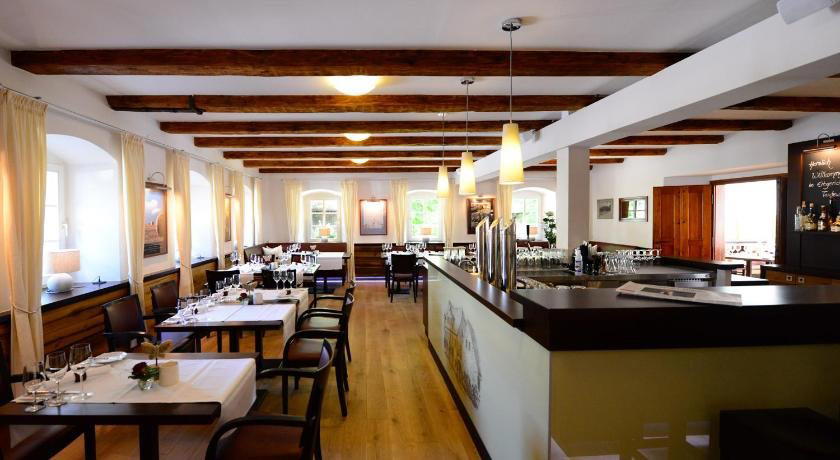
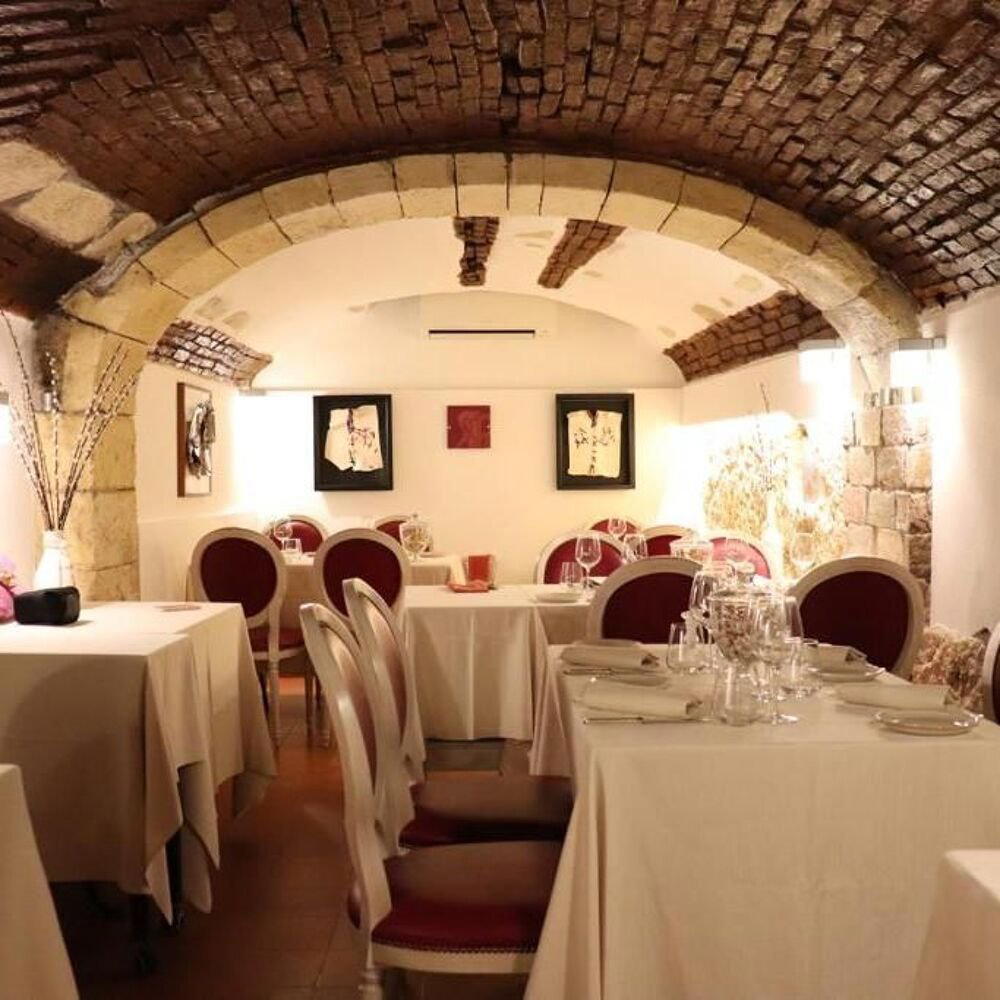
Restaurants in Schirgiswalde-Kirschau
Browse all →
Bars in Schirgiswalde-Kirschau
Browse all →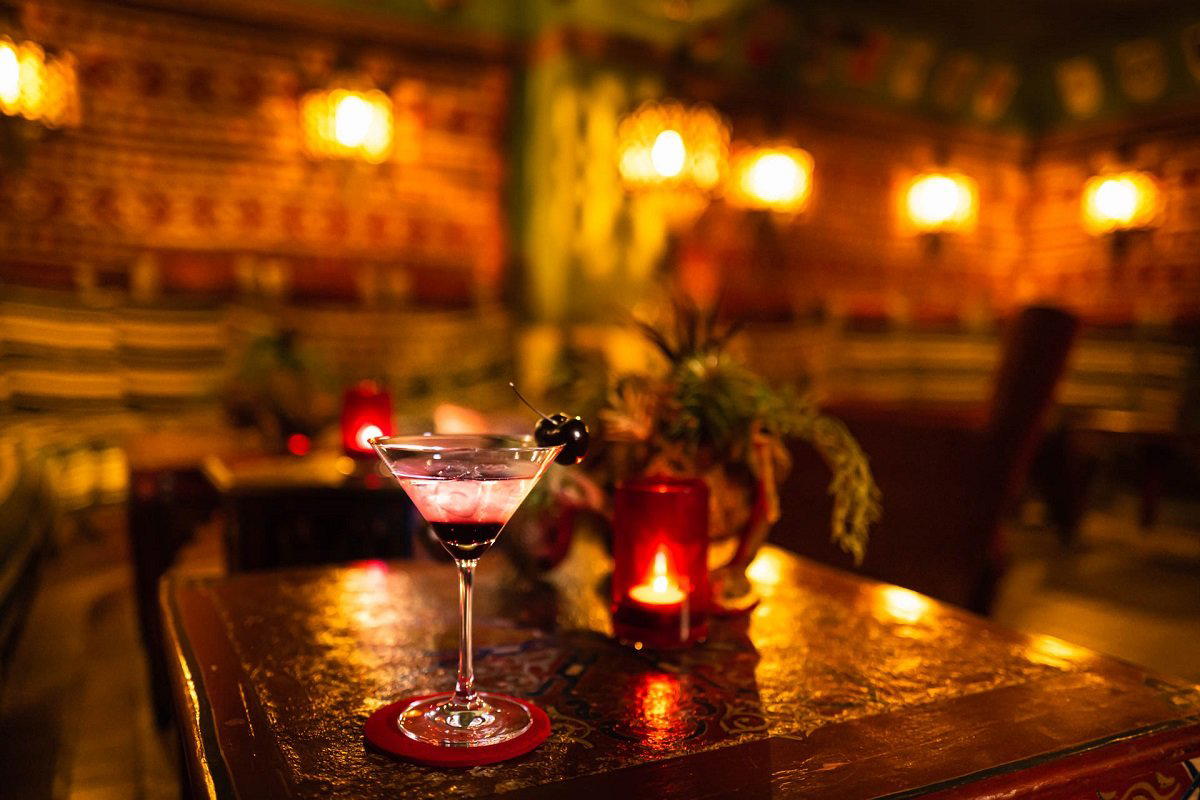
Hotels in Schirgiswalde-Kirschau
Browse all →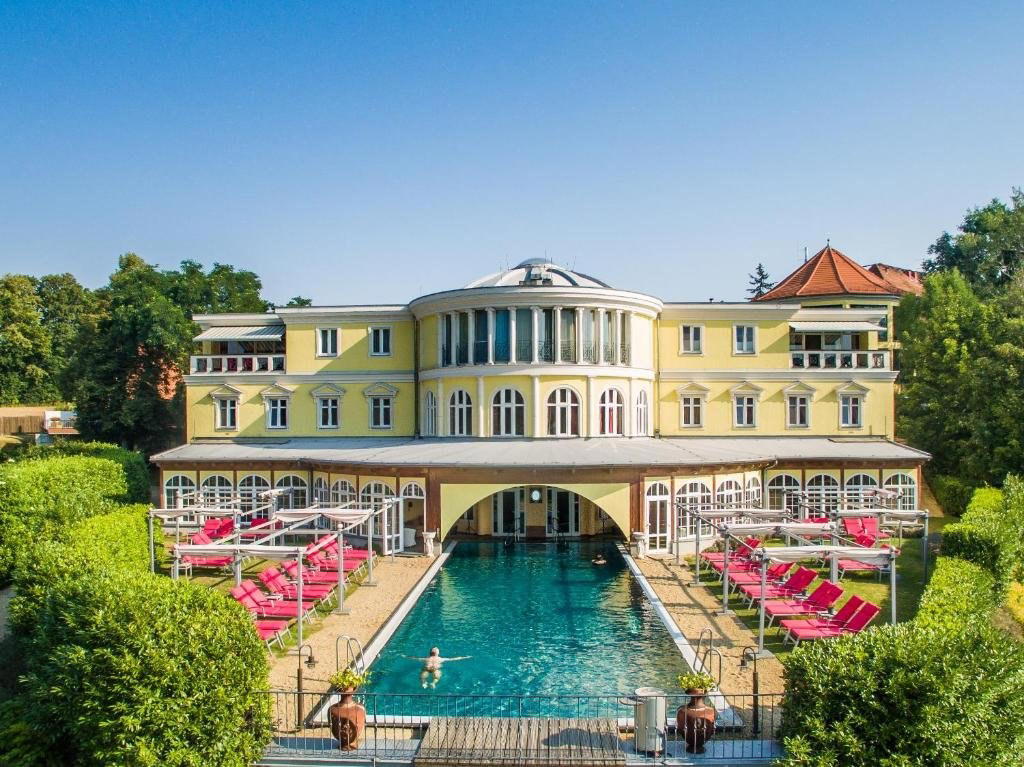
Wineries in Schirgiswalde-Kirschau
Browse all →
JUWEL
The wine
- Wine program
- Curated wine list
- Extensive wine list
Details
- Elegant
- Sophisticated
- Intimate
- Special Occasion
- Date Night
- Hotel Restaurant
- Extensive Wine List
- Local Sourcing
- Tasting Menu
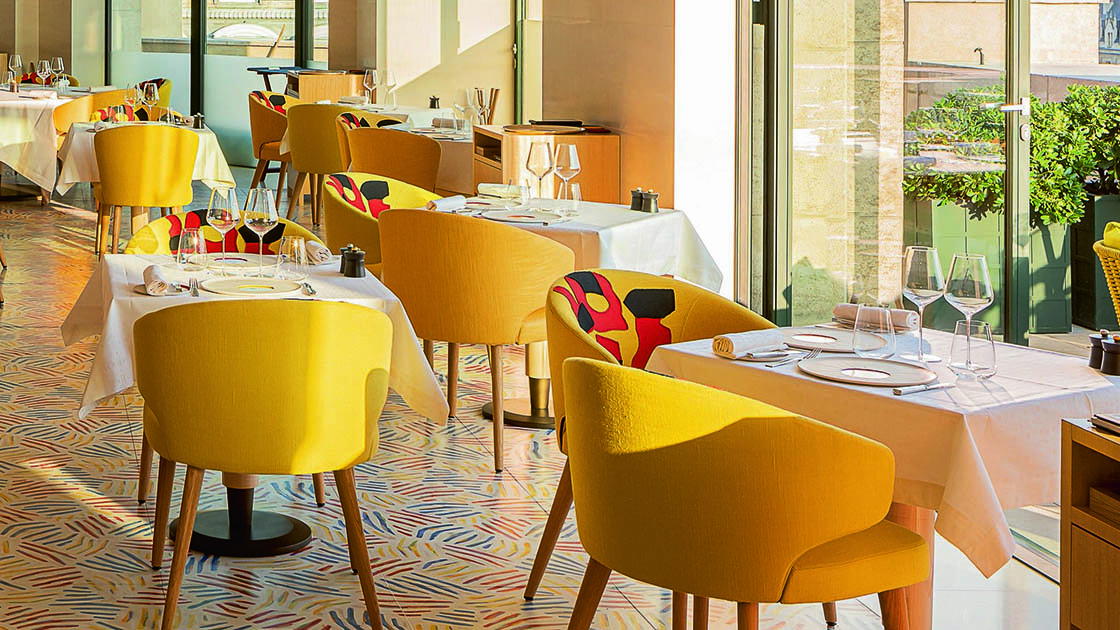
Plush interior in chic lilac and black tones with amethysts and Swarovski crystals, creating an elegant and jewel-like atmosphere.