Juniper Grill- Pleasant Hills
Juniper Grill in Pleasant Hills sits in Pittsburgh's southern suburbs, where grill-focused cooking meets the region's working-class appetite for honest, ingredient-led food. The Old Clairton Road address places it away from downtown's restaurant density, serving a neighbourhood that values substance over spectacle. For visitors making their way through the broader Pittsburgh area, it represents the kind of local anchor worth understanding before you arrive.
 Discover on Pearl
Pearl is the En Primeur Club membership app — saves, bookings, and concierge access live there. Same editors, same standards.
- Address
- 10 Old Clairton Rd # 1, Pittsburgh, PA 15236
- Phone
- +14127148670
- Website
- junipergrill.com
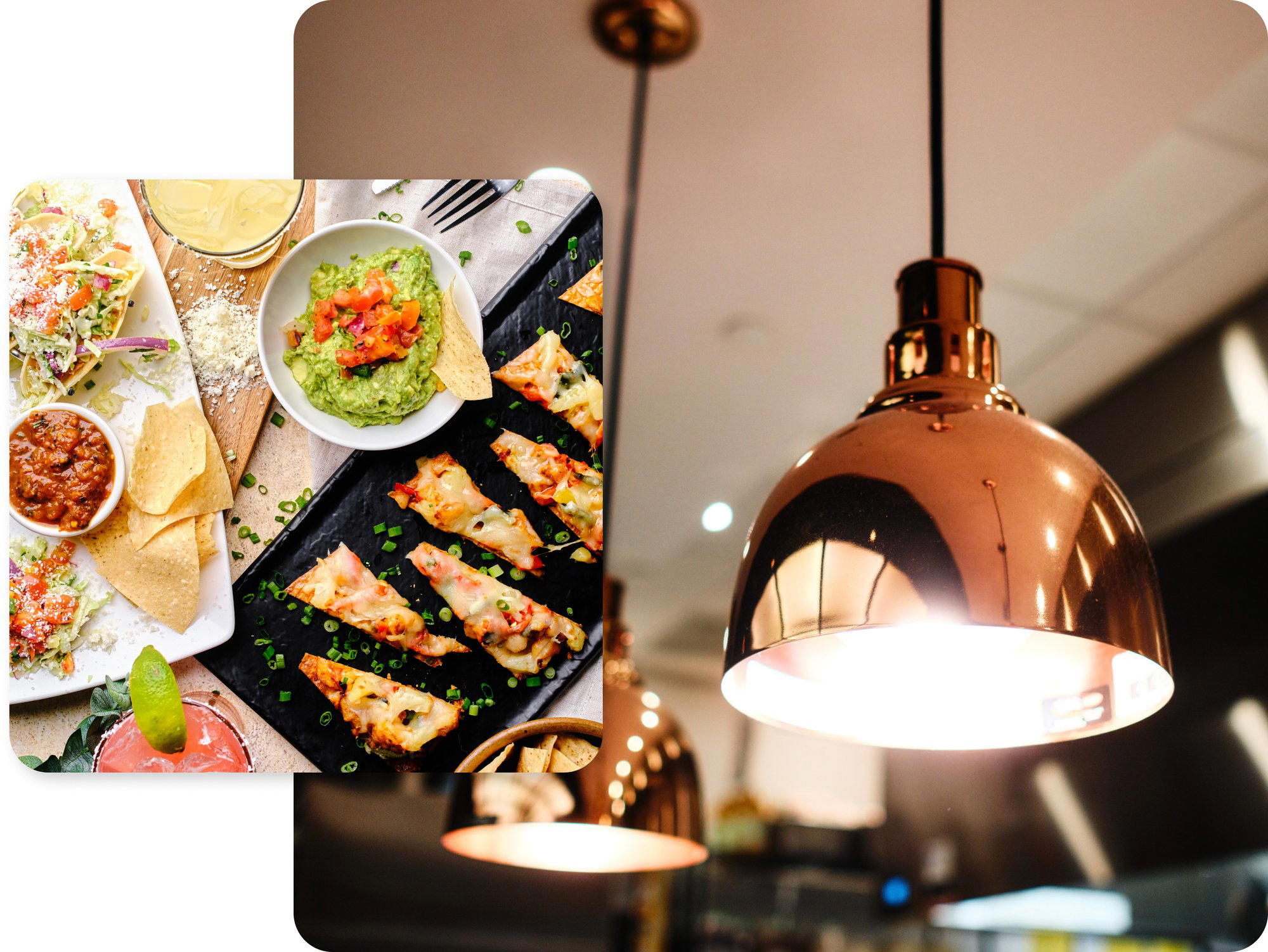
South Pittsburgh and the Grill Tradition
Juniper Grill - Pleasant Hills is a restaurant in Pleasant Hills, Pennsylvania, serving Contemporary American with Cali Vibe at about $25 per person. The South Hills corridor, which stretches from Mount Lebanon down through Pleasant Hills toward the Clairton Road corridor, represents a particular strain of that identity: restaurants built for residents, not for out-of-town press cycles. In that context, Juniper Grill on Old Clairton Road occupies a category of venue that American food culture often undervalues, the neighbourhood grill house that earns its regulars through consistency rather than concept.
That positioning matters. The American grill tradition, at its most considered, is not simply about fire and protein. It is about sourcing decisions made before the cook even begins: which farms supply the beef, how that beef is aged, whether the vegetables arrive from regional growers or a national distributor. The gap between a grill that treats its sourcing as a priority and one that does not is visible on the plate in ways that no amount of technique can fully mask. In the Pittsburgh region, that distinction has become increasingly relevant as local food culture has matured.
Where Pleasant Hills Fits in the Pittsburgh Food Picture
Pittsburgh's restaurant conversation tends to cluster around the Strip District, Lawrenceville, and East Liberty, where higher-profile openings attract the bulk of editorial attention. Pleasant Hills, by contrast, sits in the residential south, closer to the Pennsylvania Turnpike interchange than to the city's press-covered dining corridors. That geography shapes the audience: diners here are typically drawn from the surrounding suburbs rather than from a citywide or tourist pool.
Pleasant Hills rewards visitors who come with realistic expectations about what suburban Pittsburgh restaurant culture does well: portions calibrated for appetite, rooms designed for comfort, and a kitchen focus on execution.
Nationally, restaurants that have pushed ingredient-sourcing to its logical conclusion operate at a different price point and with a different mandate. But the underlying argument they make about where ingredients come from has filtered into the broader American dining conversation, and it has influenced how even neighbourhood-level grill restaurants are expected to think about their supply chain.
Ingredient Logic at the Neighbourhood Level
The American grill format, when it operates with sourcing discipline, draws on a particular set of regional assets. Western Pennsylvania sits within reasonable reach of several strong agricultural zones: the dairy and produce farms of Lancaster County, the cattle operations of the Allegheny foothills, and the mushroom-growing clusters of southern Chester County. A restaurant on Old Clairton Road that takes its sourcing seriously has material to work with, even without the marketing apparatus of a farm-to-table destination.
The distinction between a restaurant that talks about sourcing and one that structures its menu around it is largely invisible from the outside. It shows up in whether the protein selection rotates with availability, whether the vegetable side dishes reflect what is actually in season in western Pennsylvania at a given moment, and whether the kitchen is willing to charge a price that reflects real ingredient cost rather than suppressing margin through commodity purchasing. These are choices that diners in residential neighbourhoods sometimes push back against, which is part of why the sourcing conversation has historically been more audible at the higher-end tier.
Restaurants like Bacchanalia in Atlanta and Brutø in Denver have demonstrated that ingredient-first cooking can find an audience outside the coastal fine-dining circuit, even if the format and price point differ from what you would find at Alinea in Chicago or The French Laundry in Napa. The question for any neighbourhood grill is how much of that philosophy it actually internalises.
The Broader American Grill Context
Grill-focused cooking occupies a specific position in the American restaurant spectrum. At its most ambitious, it intersects with the progressive American format practiced by places like Lazy Bear in San Francisco, where wood fire and local sourcing are woven into a complete dining thesis. At its most populist, it is simply a steakhouse by another name. The middle ground, which is where most neighbourhood grill restaurants actually operate, is defined by how seriously the kitchen treats the basics: meat quality, heat management, and the quality of supporting dishes.
The seafood-forward end of American fine dining, represented by venues like Le Bernardin in New York City and Providence in Los Angeles, operates with a sourcing rigour that has set a reference point for the broader industry. Even grill-focused kitchens that never aspire to that tier are working in a culinary environment shaped by those conversations. The same is true of the regional farm integration modelled by Addison in San Diego and the ingredient provenance emphasis at The Inn at Little Washington.
For diners whose primary reference points are closer to Frasca Food and Wine in Boulder or Atomix in New York City, the shift to a suburban Pittsburgh grill house requires recalibrating expectations. That recalibration is not a downgrade so much as a shift in what you are evaluating. The relevant context for Juniper Grill is the neighbourhood restaurants that anchor Pittsburgh's residential south.
Planning a Visit
Juniper Grill is located at 10 Old Clairton Road, Suite 1, in Pleasant Hills, Pennsylvania, a drive of roughly twenty to twenty-five minutes from central Pittsburgh depending on traffic on Route 51 or I-376. The Pleasant Hills location is suburban in character, with parking direct in the surrounding strip and the general area car-dependent. Reservations are recommended, particularly for weekend evenings when neighbourhood grill houses in this part of the South Hills tend to draw steady crowds.
In Context: Similar Options
Comparable venues nearby, for context on price, style, and recognition.
| Venue | Cuisine | Price | Awards | Notes |
|---|---|---|---|---|
| Juniper Grill- Pleasant HillsThis venue — the venue you are viewing | Contemporary American with Cali Vibe | $$ | , | |
| The Porch | American Farm-to-Table with Wood-Fired Pizzas | $$ | , | Central Oakland |
| Revel | Refined American Steakhouse | $$ | , | Central Business District |
| Southern Tier Brewery Pittsburgh | American Gastropub & Craft Brewery | $$ | , | North Shore |
| Siempre Algo | Modern American Small Plates | $$ | , | East Allegheny |
| Square Cafe | Modern American Brunch Cafe | $$ | , | East Liberty |
Continue exploring
More in Pleasant Hills
Restaurants in Pleasant Hills
Browse all →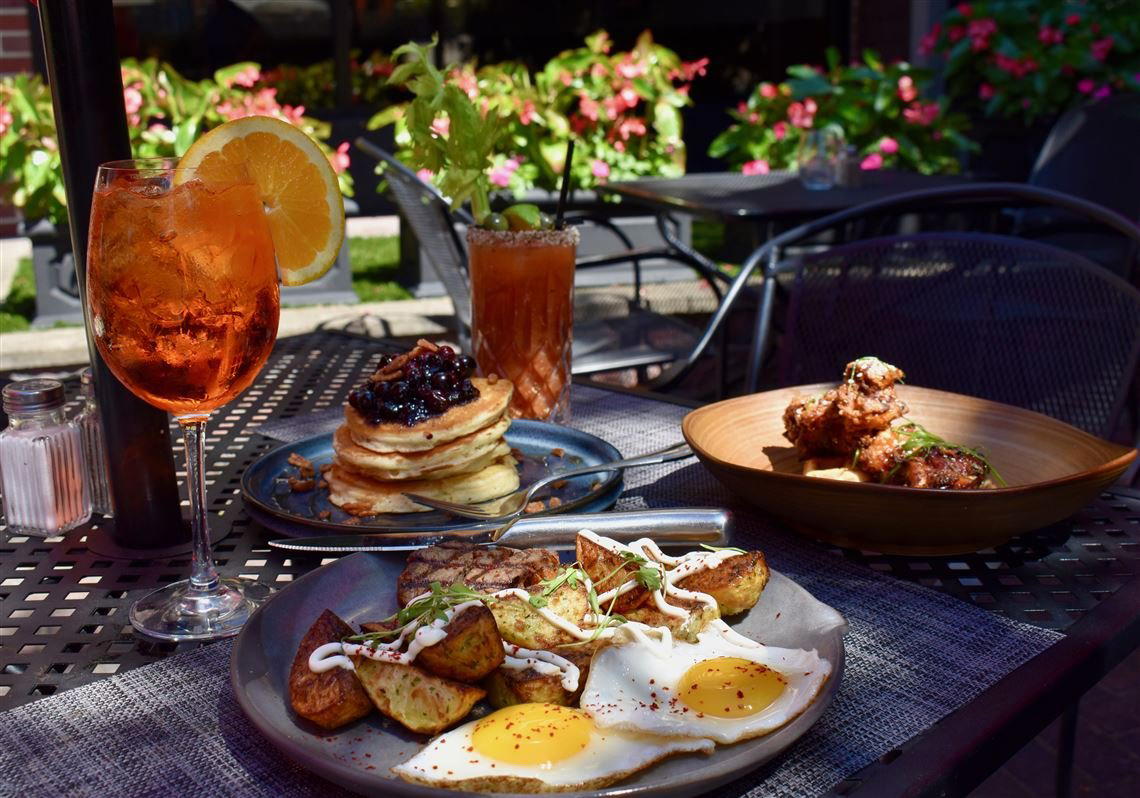
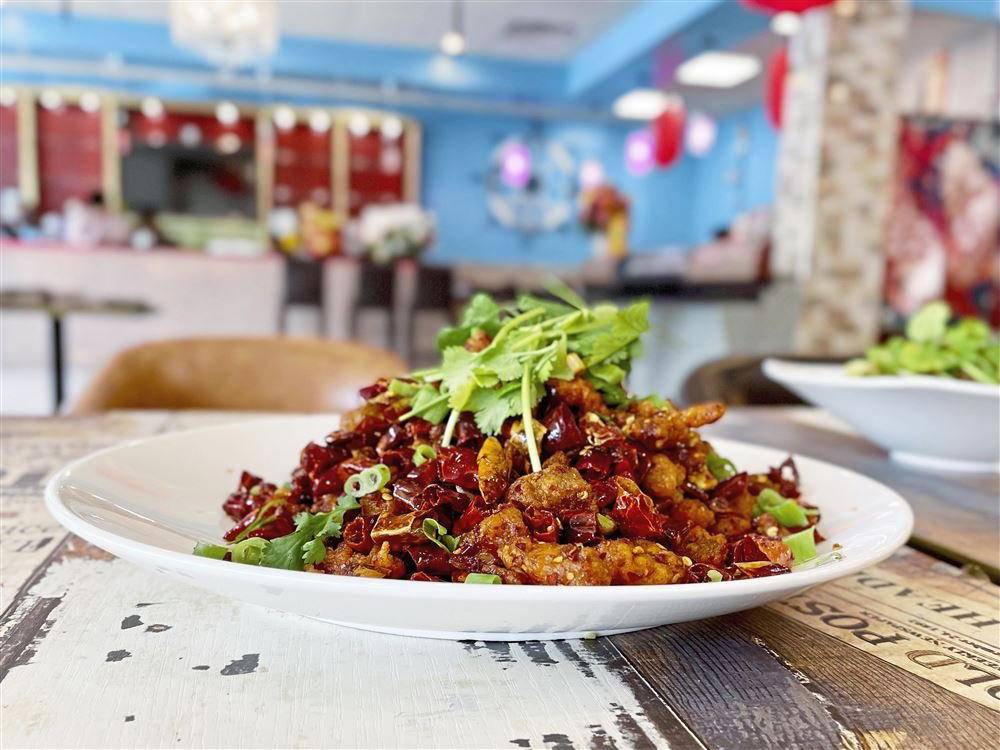

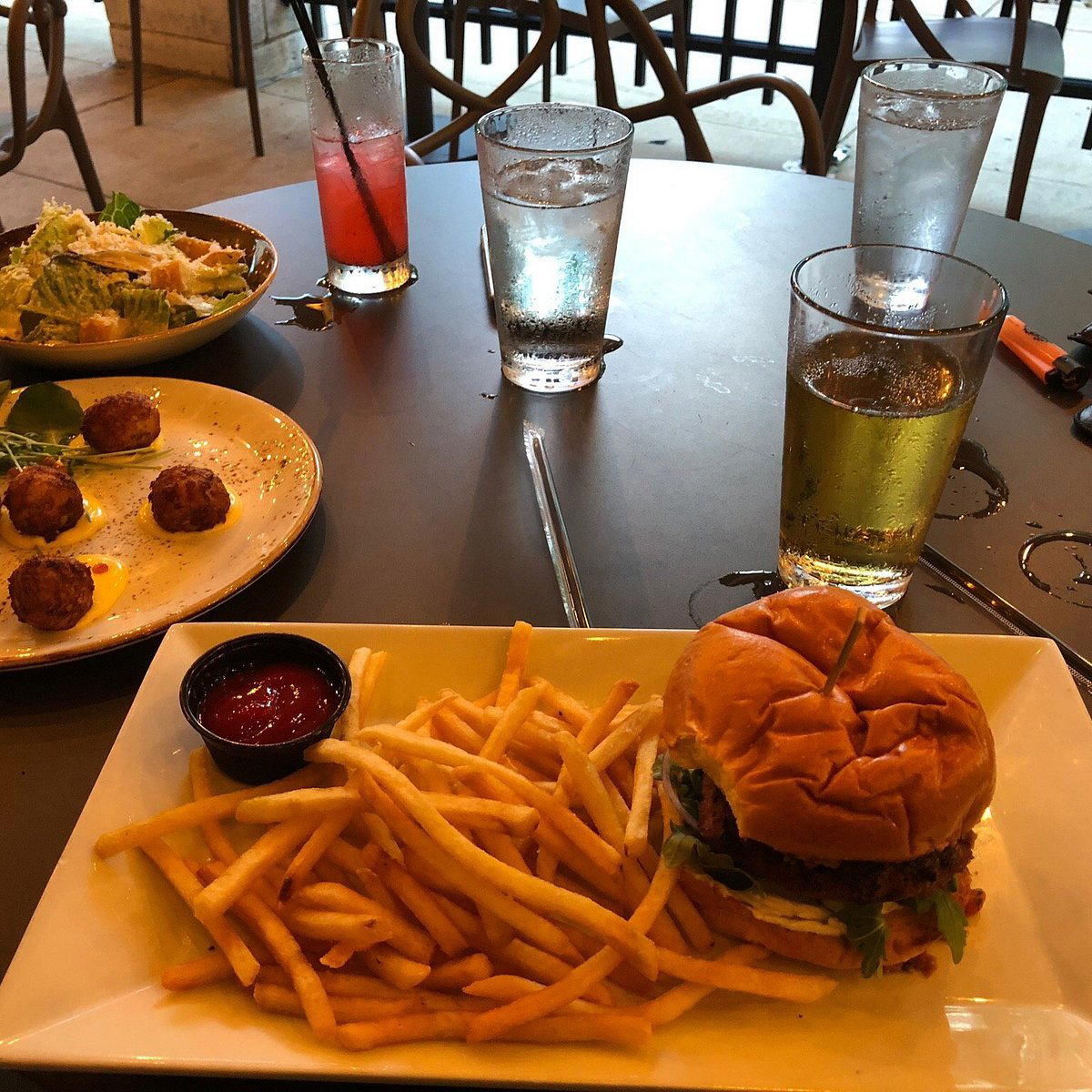
Bars in Pleasant Hills
Browse all →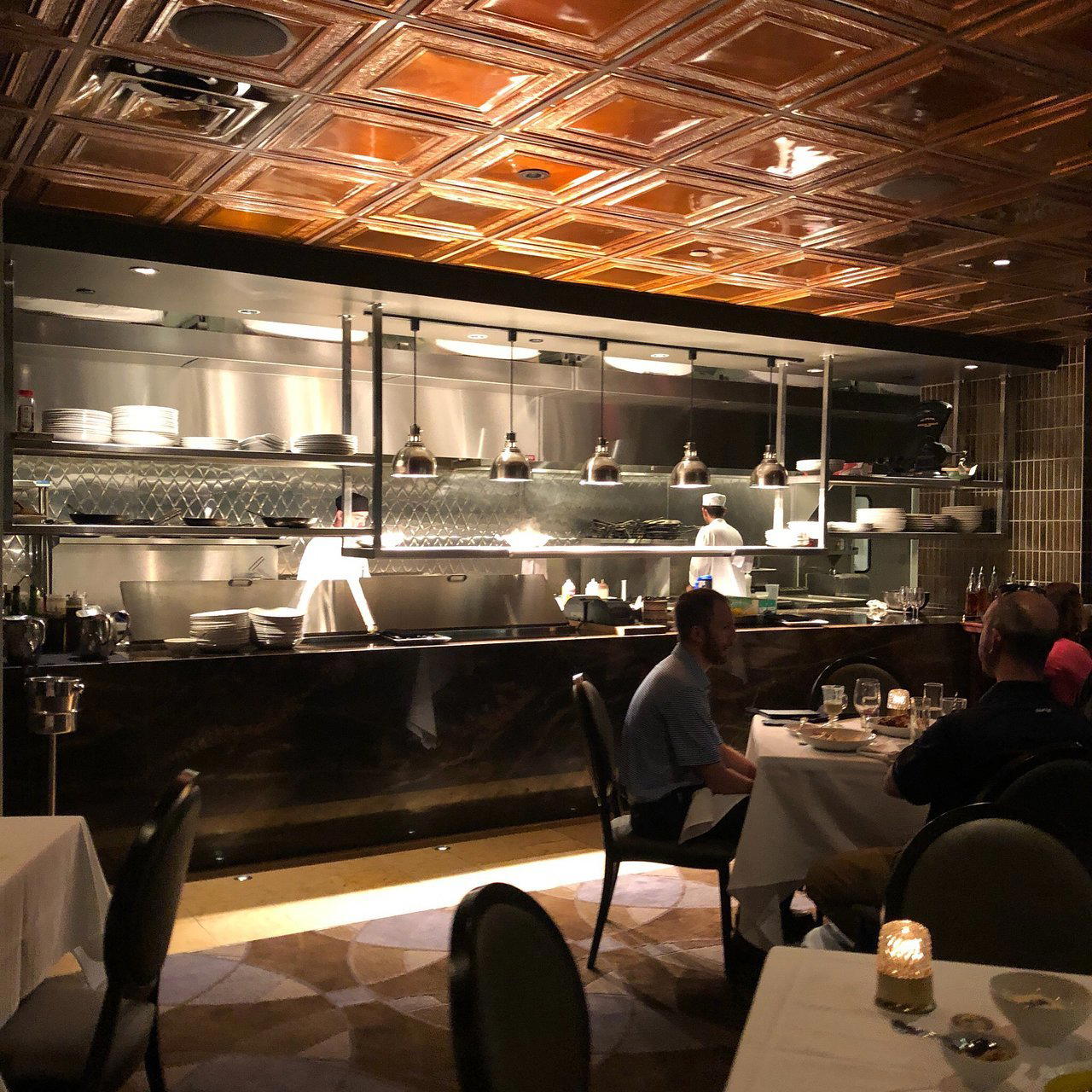
Hotels in Pleasant Hills
Browse all →
At a Glance
- Cozy
- Modern
- Date Night
- Casual Hangout
- Open Kitchen
- Extensive Wine List
- Craft Cocktails
Cozy yet modern atmosphere with moderate noise levels, praised for excellent service and great ambience.