

Michelin Guide Bib Gourmand · Michelin Plate
Our verdict
A Michelin Plate-recognised Thai restaurant on Ann Siang Hill, Jungle sits in the mid-price tier of Singapore's Thai dining scene and draws consistent praise for its approach to classic paste-based cookery.

Pearl is the En Primeur Club membership app, where members save venues, book tables and use the concierge.
The menu
What to order
- Smoky chargrilled pork jowl
- Yellow crab curry
Ann Siang Hill and the Thai Restaurants That Earn Recognition Here
Ann Siang Hill is not where you expect to find a Thai restaurant that the Michelin Guide notices two years running. The street is better known for wine bars, heritage shophouses converted into cocktail dens, and the kind of European-leaning bistro that Singapore's CBD-adjacent dining corridor tends to produce. That Jungle holds a Michelin Plate for both 2024 and 2025 at a mid-range price point ($$) in this particular postcode says something worth paying attention to: there is a category of Thai cooking in Singapore that does not rely on fine-dining production values or a celebrity-chef nameplate to earn critical acknowledgment.
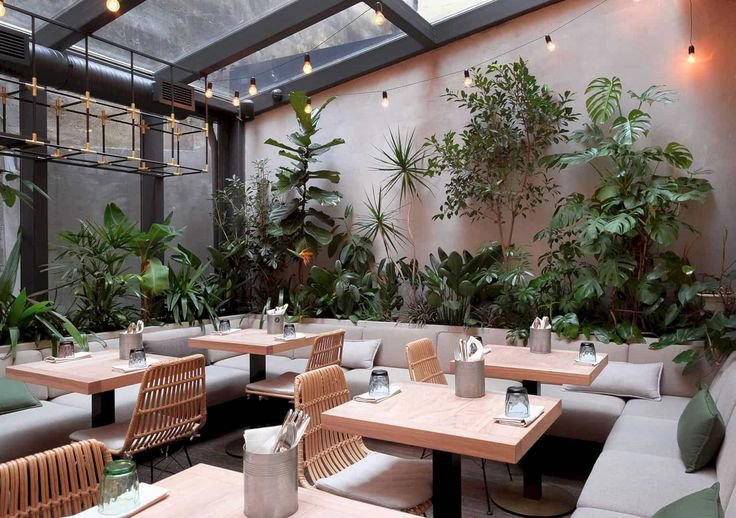
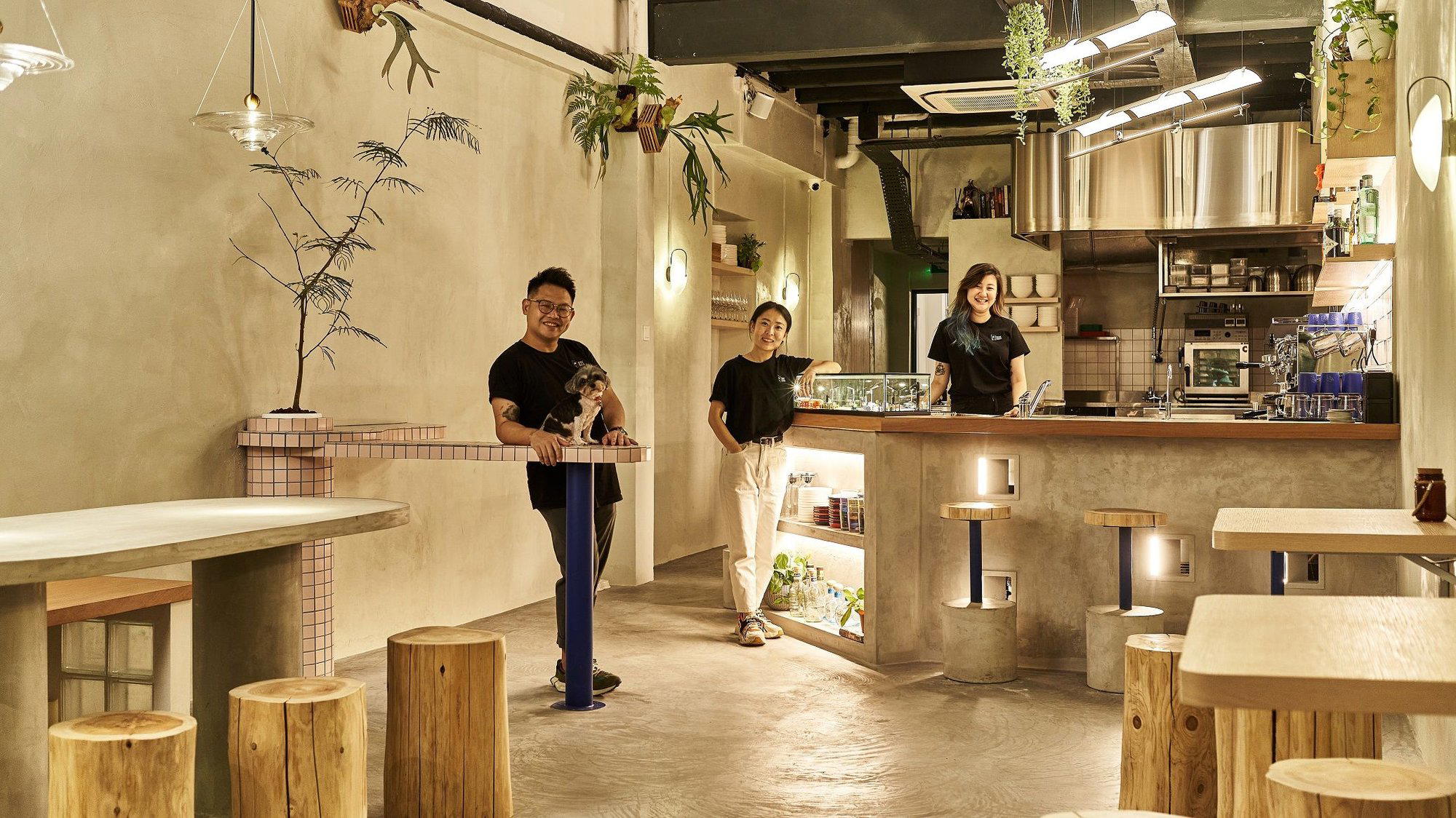
The building at 10 Ann Siang Hill sits in the Chinatown conservation district, where two- and three-storey shophouses line the hill in various states of careful restoration. The street-level approach is dense with greenery, the name is not incidental, and the visual register is closer to a Chiang Mai garden than a Singapore CBD address. Inside, the atmosphere pulls away from the ambient noise of Ann Siang's bar-heavy block toward something that reads as composed rather than performative.
The Curry Canon: Paste Preparation and Regional Logic
Thai curry is among the most regionally differentiated culinary traditions in Southeast Asia, and the gap between a competently assembled paste and one made with properly sourced, hand-ground aromatics is immediately apparent on the palate. The major curry families, green, red, massaman, and panang, each carry distinct regional identities that serious Thai kitchens treat as non-negotiable starting points rather than variables to be adjusted for a foreign market.
Green curry (gaeng keow wan) is a central Thai preparation: the paste relies on fresh green chillies, lemongrass, galangal, kaffir lime zest, and shrimp paste, and the final dish should balance heat with the sweetness of coconut milk without collapsing into blandness. Red curry (gaeng phet) uses dried red chillies as its base and carries a deeper, earthier heat profile. Massaman, which arrived in Thailand via Malay-Persian trade routes, is the outlier: it incorporates dried spices including cardamom, cinnamon, and star anise, producing a slow-cooked, nut-enriched curry that has almost no equivalent in the green or red families. Panang, richer and thicker than standard red curry, is finished with kaffir lime leaves and typically carries more body from roasted peanuts ground into the paste itself.
The quality signal across all four is the paste. Industrial curry paste, shipped in, pre-blended, salt-heavy, produces a one-dimensional result that no amount of fresh coconut milk or high-quality protein can fully rescue. Kitchens that make their own pastes from whole aromatics are working in a different register entirely, and the distinction shows up in depth of flavour, in the way heat builds rather than hits, and in the aromatic complexity that lingers after each mouthful. Jungle's Michelin Plate recognition in both 2024 and 2025 positions it among Singapore's Thai restaurants where this kind of kitchen discipline is evident to Michelin's assessors, even at a price point well below the city's starred Thai tier.
Singapore's Thai dining scene covers a wide range: at one end sit casual, high-volume operations serving accessible pad thai and tom yum at hawker-adjacent prices; at the other, a small number of restaurants working with tasting-menu formats and premium sourcing. Jungle occupies a middle tier that is, in some ways, the most interesting to track. The $$ price point means the kitchen cannot rely on luxury ingredients to carry the experience. The cooking has to do the work, and the Michelin Plate designation, awarded to restaurants that reviewers judge worth a visit, confirms that it does. Comparable Thai options in Singapore include MP Thai (Vision Exchange), Un-Yang-Kor-Dai, and Yhingthai Palace, each sitting in a different part of the Thai dining spectrum.
Where Jungle Sits in Singapore's Broader Restaurant Conversation
Singapore's Michelin-recognised restaurant scene skews heavily toward European fine dining and creative tasting menus. Restaurants like Les Amis and Odette occupy the upper tier of that conversation. Jungle operates in a different register entirely: it earns recognition not through production theatrics or multi-course format, but through the kind of consistent, technically grounded Thai cooking that Michelin's inspectors assess the same way they assess any other cuisine, on what arrives on the plate and how it's been made.
In a neighbourhood where the default dining mode leans European and the competition for attention is high, that consistency at a mid-range price point is a meaningful data point for anyone planning a Singapore itinerary with a genuine interest in Thai cooking.
For context on Thai cooking elsewhere in the region and beyond, the Bangkok scene, represented by restaurants including Nahm, Samrub Samrub Thai, Aksorn, and Chim by Siam Wisdom, sets the reference point against which diaspora Thai kitchens are measured. Further afield, Kin Khao in San Francisco, Boo Raan in Knokke, L'Orchidée in Altkirch, and AKKEE in Pak Kret demonstrate how Thai culinary traditions travel and adapt. Jungle belongs to a different category: a short-hop Thai kitchen from Bangkok's source material, operating in a city that demands high standards and has the Michelin infrastructure to say so publicly.
For a broader view of where Jungle fits within Singapore's dining, drinking, and hotel options, see our full Singapore restaurants guide, our full Singapore bars guide, our full Singapore hotels guide, our full Singapore wineries guide, and our full Singapore experiences guide.
Know Before You Go
Address: 10 Ann Siang Hill, Singapore 069789
Cuisine: Thai
Price Range: $$ (mid-range)
Awards: Michelin Plate 2024; Michelin Plate 2025
Neighbourhood: Ann Siang Hill / Chinatown conservation district
Booking: Contact details not publicly listed in, check current third-party reservation platforms for availability
Hours: Confirm directly before visiting
Frequently asked questions
What should I eat at Jungle?
The Michelin Plate recognition points toward the kitchen's strength in core Thai cookery, and the paste-based curries, green, red, massaman, or panang, are the logical starting point for any first visit. These are the dishes where the gap between a kitchen working from house-made pastes and one relying on pre-mixed bases is most apparent, and they represent the clearest signal of the kitchen's actual technical standard.
Is Jungle reservation-only?
Check third-party reservation platforms or contact the restaurant directly at 10 Ann Siang Hill for current policy.
What do critics highlight about Jungle?
The Michelin Guide awarded Jungle a Plate in both 2024 and 2025, which indicates consistent quality at a level inspectors judge worth recommending, not a starred property, but a kitchen performing reliably in its category. The combination of a mid-range price point with consecutive Michelin Plate recognition in a neighbourhood dominated by European-leaning dining is the clearest critical signal available: Jungle earns its recognition through cooking rather than setting or price tier.
| Venue | Cuisine | Price | Awards | Notes |
|---|---|---|---|---|
| JungleThis venue (the venue you are viewing) | Modern Thai Grill | $50–100 | Michelin Guide Bib Gourmand · Michelin Plate | Not listed |
| Zén | Yakitori & Japanese Izakaya | $50–100 | Tabelog 100 #92 | European Contemporary |
| Jaan by Kirk Westaway | Modern British Fine Dining | $200–300 | 2 Michelin Stars · Michelin Guide 2 Stars | British Contemporary |
| Burnt Ends | Modern Australian Barbecue | $100–150 | 1 Michelin Star · Michelin Guide 1 Star | Australian Barbecue, Barbecue |
| Summer Pavilion | Michelin-Starred Cantonese | $100–150 | 1 Michelin Star · Michelin Guide 1 Star | Cantonese |
| Born | Contemporary Fusion Fine Dining | $200–300 | 1 Michelin Star · Michelin Guide 1 Star | Creative Cuisine, Innovative |
Recognition history
Dated appearances from independent guides and award organizations, with the underlying list record or original source where available.
Michelin Guide Bib Gourmand
Michelin Guide
Michelin Plate
Michelin
Full recognition history (3 entries)
Michelin Plate
Michelin
Continue exploring
More in Singapore
Restaurants in Singapore
All restaurants in Singapore →
Bars in Singapore
All bars in Singapore →
Details
- Trendy
- Lively
- Date Night
- Casual Hangout
- Late Night
- Open Kitchen
- Craft Cocktails
- Extensive Wine List
- Local Sourcing
- Street Scene
- A La Carte
- Small Plates
- Craft Cocktails
- Wine
Current opening hours
- Monday
- Closed
- Tuesday
- 6–11 PM
- Wednesday
- 6–11 PM
- Thursday
- 6–11 PM
- Friday
- 5:30–11:30 PM
- Saturday
- 5:30–11:30 PM
- Sunday
- Closed
Hours can change for holidays and private events. Hours as of .
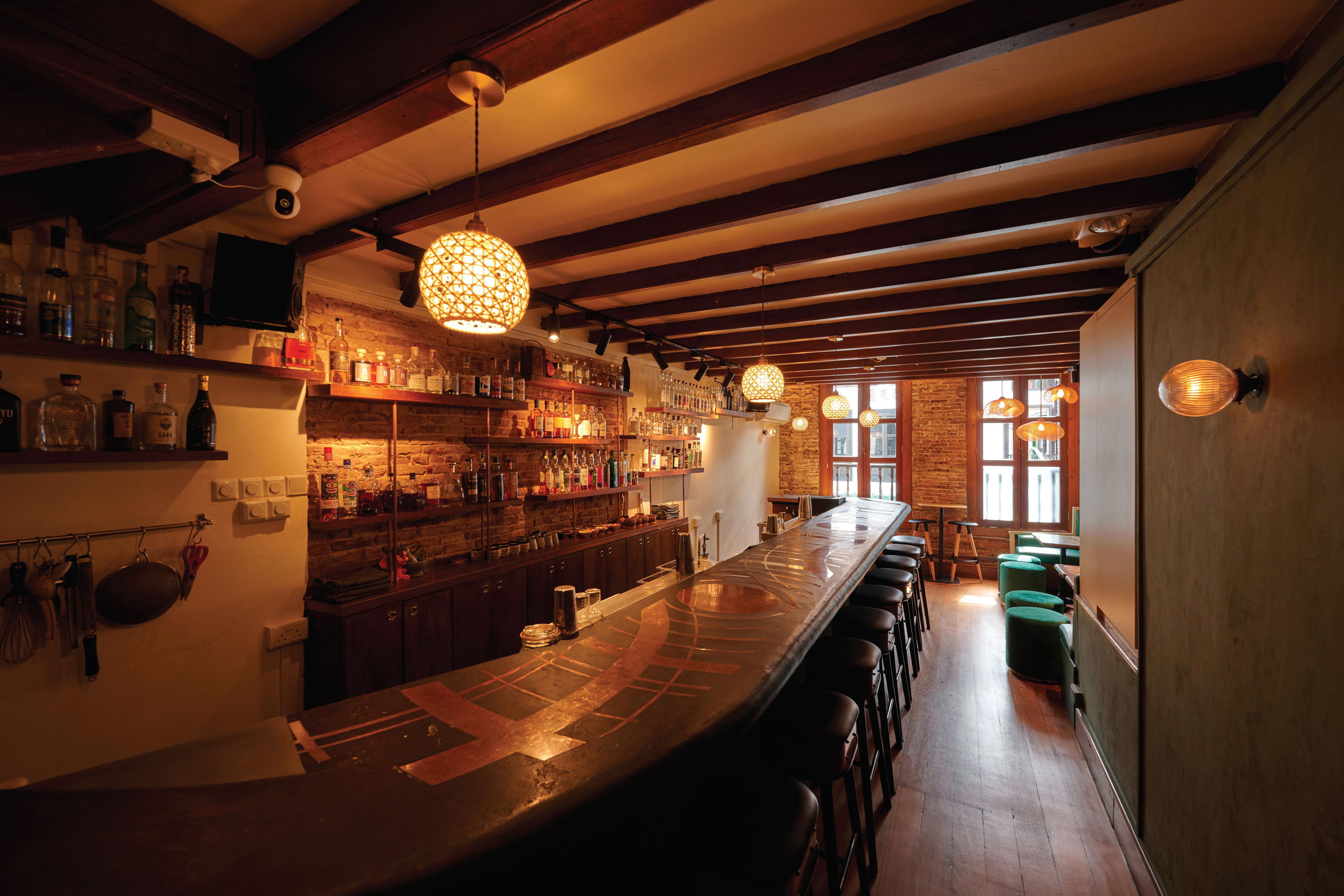
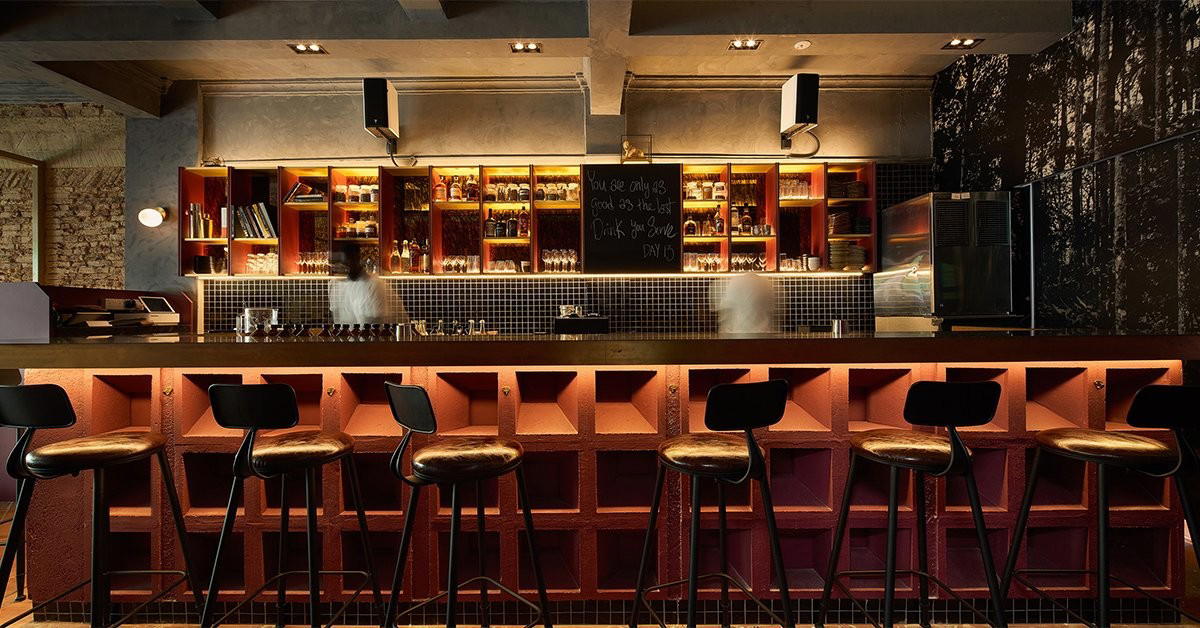
Simple, cosy space with exposed beams, wooden furnishings, and ambient lighting exuding a warm, eclectic charm.