JSW occupies a quiet address on Dragon Street in Petersfield, Hampshire, sitting within the tier of destination dining that draws visitors well beyond the county. The restaurant positions itself inside the broader tradition of serious, produce-led British cooking, the kind where sourcing discipline is the foundation rather than the marketing angle. For those planning a meal in the South Downs region, it warrants advance planning.
Pearl is the En Primeur Club membership app — saves, bookings, and concierge access live there. Same editors, same standards.
- Address
- 20 Dragon St, Petersfield GU31 4JJ, United Kingdom
- Phone
- +44 1730 231292
- Website
- thekingsarms.org.uk
- Directions
- Get directions
 Saves & bookings on Pearl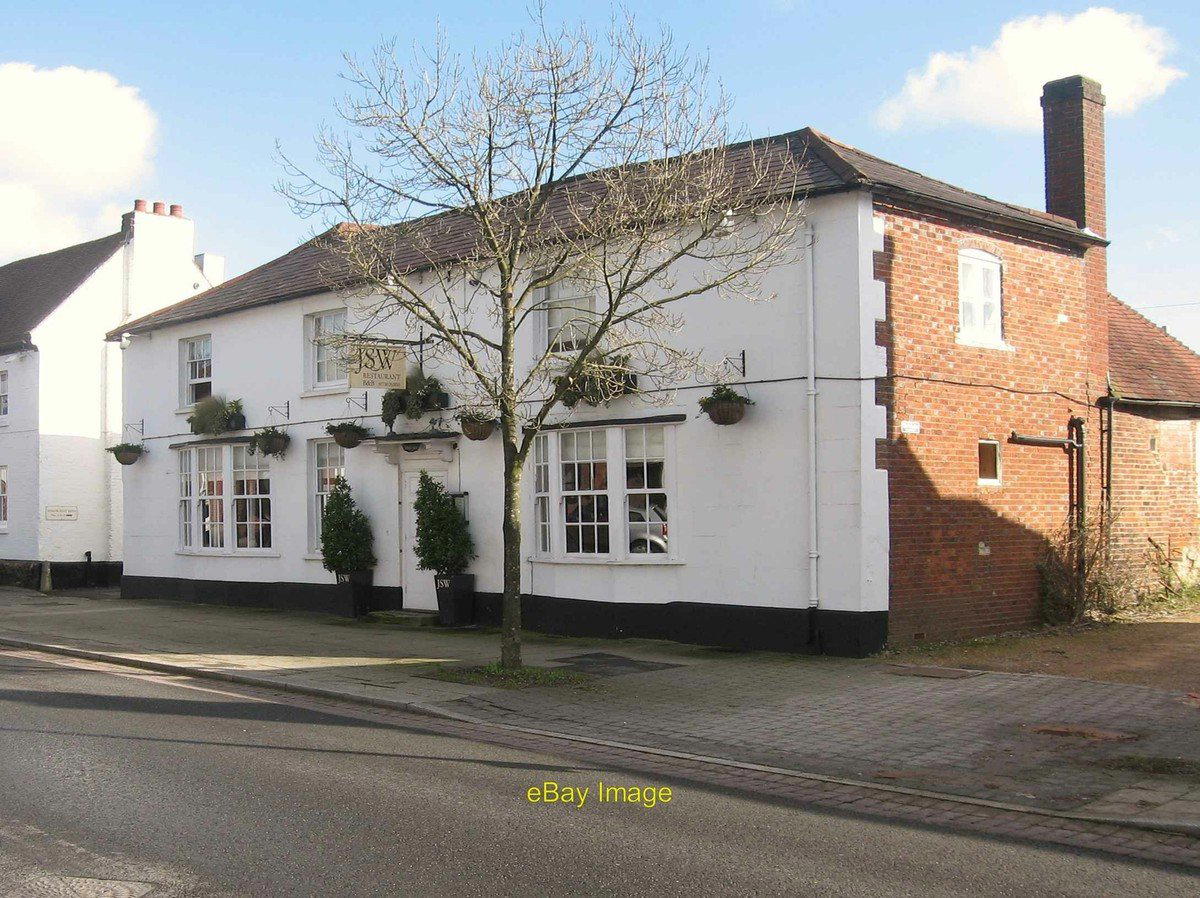
Dragon Street and the Petersfield Dining Scene
Petersfield sits at an interesting junction in the English dining map. The market town in Hampshire, flanked by the South Downs National Park, is not a city with a dense restaurant cluster, which means the establishments that do operate at a serious level carry an outsize significance. In a county that includes stretches of the Solent, productive chalk downland, and proximity to the New Forest, the raw material available to kitchens here is, by the standards of rural England, genuinely strong. JSW, at 20 Dragon Street, occupies exactly that position: a single address in a modest town that functions as a regional destination, drawing diners from across Hampshire, Surrey, and beyond.
The Room, the Approach, the Register
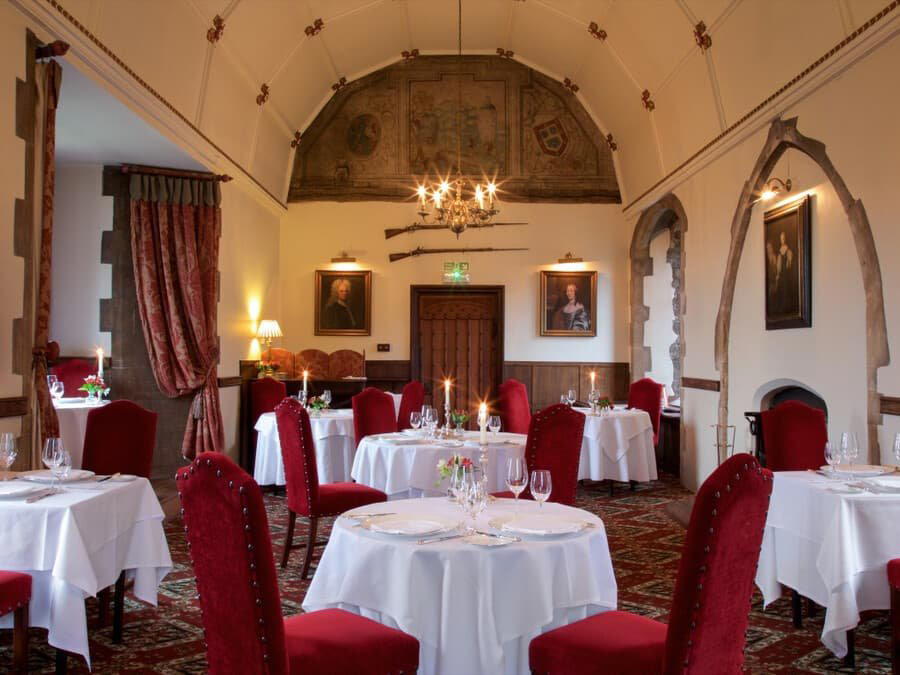
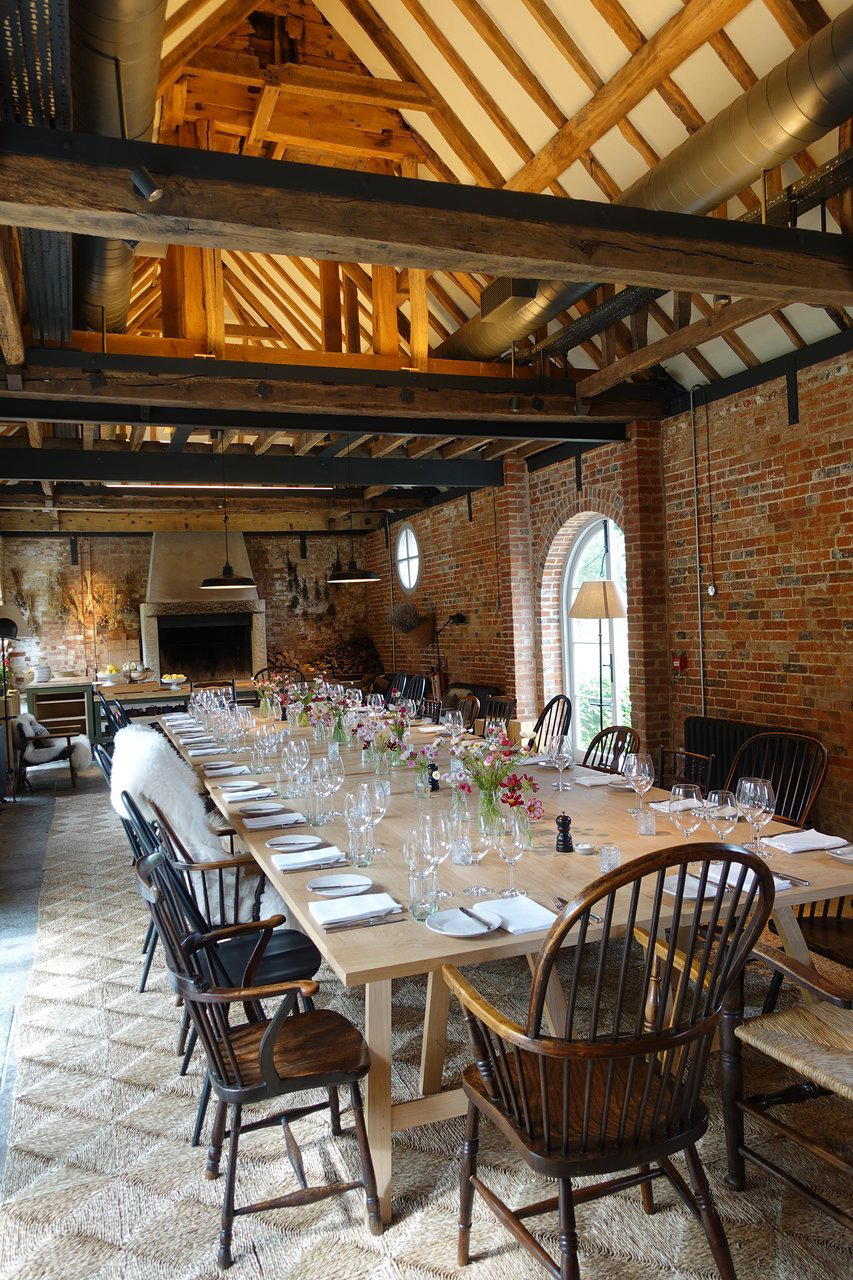
Dragon Street is the kind of English town-centre address where Georgian and Victorian frontages sit alongside one another without fuss. Inside, the register is one that a certain tier of British destination restaurant has refined over the last two decades: unhurried, precise, comfortable without being showy. This is the dining format that has become something of an English regional signature, not the chef's-table theatre of the metropolitan counterparts, not the casual-luxury of a country-house dining room, but something more focused and less performative. Country-town restaurants at this level often trade the density of an urban dining room for a quieter, more deliberate pace.
Sourcing as Structure: Where the Food Comes From
The argument for serious restaurant cooking in rural Hampshire rests substantially on what the surrounding region produces. Hampshire's agricultural identity is diverse and, in several respects, well-suited to the kind of supply chains that underpin produce-led menus. The county's chalk streams, among the more productive in England for wild brown trout, feed into a broader culture of river and coastal sourcing. The coastline from Portsmouth to Chichester Harbour gives access to shellfish, flatfish, and seasonal bycatch. The South Downs, immediately north and south of Petersfield, support sheep farming of long standing, and the county's game estates contribute pheasant, partridge, and venison across autumn and winter seasons.
This matters because produce-led cooking is only as credible as its sourcing network. The tier of British restaurants that has maintained serious critical standing over the last decade, from L'Enclume in Cartmel with its estate farm model, to Moor Hall in Aughton, has made proximity to supply a structural argument, not an incidental one. Hampshire positions JSW within reach of a supply base that can support that kind of discipline, even if the restaurant operates without its own kitchen garden. The comparison with coastal-adjacent kitchens elsewhere in the South of England, such as hide and fox in Saltwood in Kent, illustrates how South of England restaurants increasingly anchor identity in specific regional provenance rather than classical French technique alone.
British Destination Dining Outside the City: A Wider Pattern
The category of serious British restaurant operating in a market town or rural setting is not a small one, and the precedents are instructive. The Fat Duck in Bray, Le Manoir aux Quat' Saisons in Great Milton, and Gidleigh Park in Chagford each demonstrate that the restaurant, not the city, can be the reason for travel. Hand and Flowers in Marlow does the same at a pub format. What these venues share is a commitment to cooking at a level where the absence of urban competition becomes an advantage: the kitchen does not need to differentiate itself against a hundred other serious restaurants within a five-mile radius. It simply needs to be worth the drive.
JSW operates within that logic. Petersfield is approximately an hour from London by rail, which places it within range of day-trip dining from the capital while remaining a regional destination.
Placing JSW in a National comparable set
Comparative framing helps clarify what kind of restaurant JSW is, and what kind of reader it suits. It is not operating at the scale or in the city of Midsummer House in Cambridge or Opheem in Birmingham, both of which draw on significant urban dining scenes. It is closer in spirit to the rural-destination model, where the journey is part of the proposition. Scottish restaurant Restaurant Andrew Fairlie in Auchterarder occupies a similar structural position, a single serious kitchen in a place most people would not otherwise go, making the restaurant itself the destination. For international readers approaching British fine dining for the first time and calibrating expectations, the contrast with something like Le Bernardin in New York City or Atomix in New York City is instructive: British country-town restaurants at this level tend toward a more restrained, less theatrical presentation, with the produce doing work that in other contexts might fall to technique or spectacle.
Planning a Visit
JSW is at 20 Dragon Street, Petersfield GU31 4JJ. Petersfield is served directly by South Western Railway from London Waterloo, with journey times around 60 to 70 minutes. Driving from central Hampshire, Surrey, or West Sussex puts the restaurant within 30 to 45 minutes for many visitors. Given the restaurant's position in the market-town dining tier, where seat counts tend to be modest and demand is concentrated at weekends, booking ahead is advisable.
Comparable Spots, Quickly
Comparable venues nearby, for context on price, style, and recognition.
| Venue | Cuisine | Price | Notes |
|---|---|---|---|
| JSWThis venue — the venue you are viewing | Modern British Fine Dining | $$$ | Not listed |
| Sotheby's Cafe | Modern British with Art-Inspired Flair | $$$ | Mayfair |
| Stoke Place | British Gastropub | $$$ | Stoke Poges |
| Eastway | British Brasserie | $$$ | Broadgate |
| Pidgin | Modern British Tasting Menu | $$$ | Dalston |
| Browns Grill Room | Classic British Grill | $$$ | Mayfair |
Continue exploring
More in Petersfield
Restaurants in Petersfield
Browse all →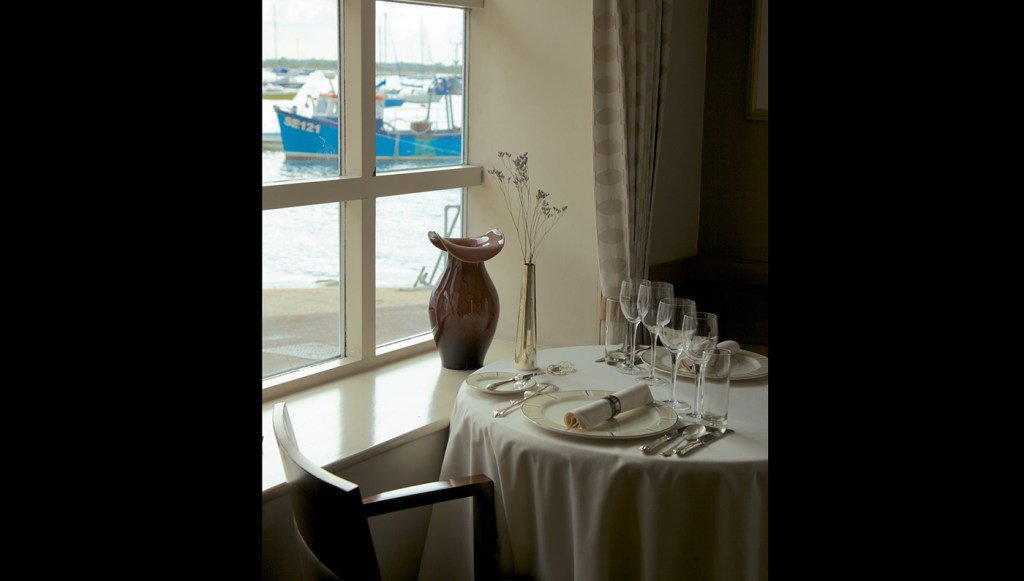
Bars in Petersfield
Browse all →
Hotels in Petersfield
Browse all →

At a Glance
- Classic
- Cozy
- Quiet
- Intimate
- Special Occasion
- Date Night
- Celebration
- Historic Building
- Standalone
- Extensive Wine List
- Local Sourcing
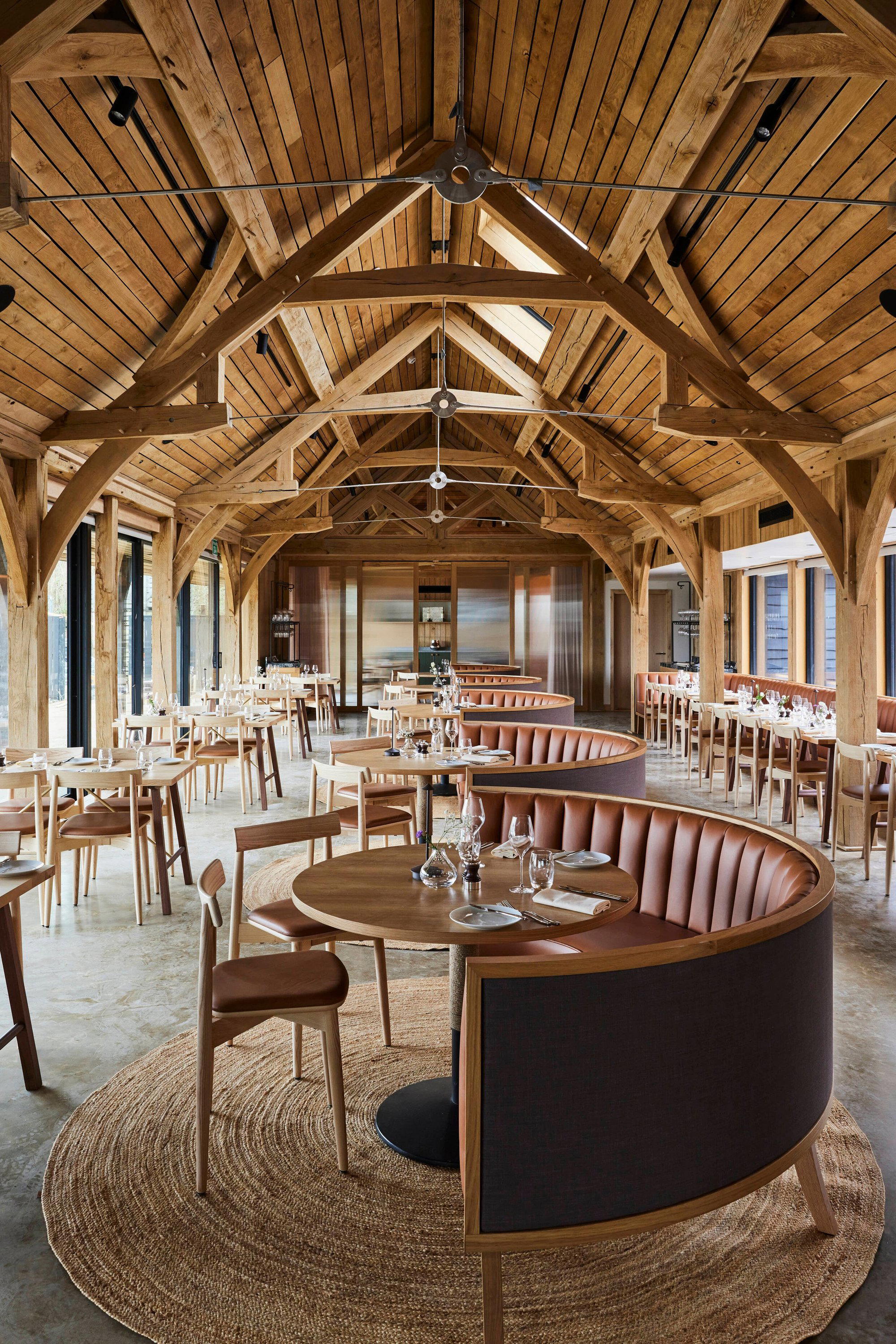
Discreet and comfortable, with a low-ceilinged dining room, exposed beams, cream walls and a quiet atmosphere suited to conversation.