Taiwanese cooking in Santa Monica occupies a quieter register than the city's louder Chinese-American dining scene, and Joy fills that gap with a focused approach to the cuisine's classic preparations. Positioned along the westside corridor where Latin and Japanese influences dominate, it draws a clientele that knows the difference between a bao steamed for texture and one steamed for speed. A considered alternative to the area's more familiar Pacific Rim options.

Pearl is the En Primeur Club membership app — saves, bookings, and concierge access live there. Same editors, same standards.
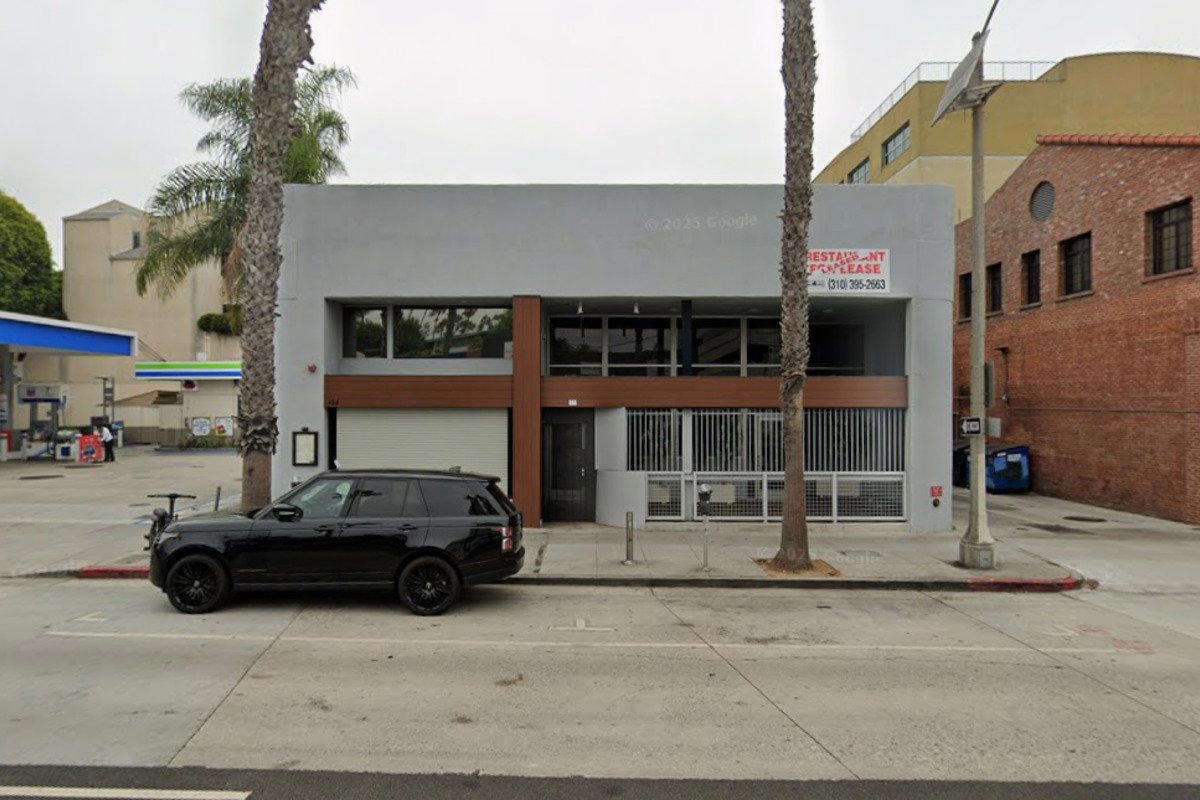
Where Taiwanese Cooking Sits on the Westside
Santa Monica's dining identity is built around proximity to the Pacific: Japanese omakase counters, Peruvian-inflected ceviche bars, and a long-established tradition of California produce cookery that runs from Augie's On Main through the beach-adjacent casual spots like Back on the Beach. Taiwanese cuisine, by contrast, has had a thinner footprint here than in the San Gabriel Valley, where the density of Taiwanese and mainland Chinese restaurants has no westside equivalent. It occupies a category where competition is limited and demand, particularly from the westside's substantial professional and academic population, is real.
Taiwanese cooking is not a subset of mainland Chinese cuisine, though the two are often conflated outside of diasporic communities. The island's food culture draws on Hokkien and Hakka immigrant traditions, Japanese colonial influence spanning five decades, and an indigenous ingredient vocabulary that distinguishes it from any single mainland regional cuisine. The result is a cooking style that tends toward restrained seasoning, fermented and pickled components, and a relationship with braised pork and offal that has no direct equivalent in Cantonese or Shanghainese traditions. Joy works within this framework, which puts it in a different comparable set than the Chinese-American restaurants that have long anchored the westside, including the well-trafficked dining rooms around Amici Brentwood and the broader Italian-Chinese casual tier that dominates the neighbourhood's mid-range.
The Contemporary Taiwanese Reinterpretation Question
Across Taiwan itself, the more interesting question in recent years has been how younger kitchens are repositioning classic preparations for a more self-consciously modern context. In Taipei, restaurants like Fujin Tree Taiwanese Cuisine and Champagne (Songshan) and Golden Formosa have approached the same canon from opposite directions: Fujin Tree importing a wine-pairing sensibility into street-food formats, Golden Formosa leaning into formal presentation of dishes that were historically market-stall fare. The tension between accessibility and refinement runs through contemporary Taiwanese dining in a way that mirrors debates happening in other regional cuisines.
In Los Angeles, that conversation is still early. The westside has not yet developed the critical mass of Taiwanese restaurants that would allow diners to make fine-grained comparisons between approaches. That places Joy in a position that is less about competing within a crowded local category and more about introducing the category itself to a dining public whose Taiwanese reference points may begin and end with boba tea shops. For a city that has produced serious fine-dining at the level of Providence in Los Angeles, and that hosts visiting critics comfortable with the ambition of restaurants like Alinea in Chicago or Le Bernardin in New York City, the appetite for precision cooking outside European frameworks is there. The question is whether local Taiwanese restaurants can hold the room's attention long enough to build that awareness.
Chinois on Main and the Long Shadow of Pacific Rim Fusion
Any Taiwanese or Chinese restaurant operating in Santa Monica is implicitly in conversation with Chinois on Main, Wolfgang Puck's long-running fusion restaurant that defined the westside's relationship to Chinese-inflected cooking for decades. Chinois established a template that was never about Chinese cooking per se but about using Chinese technique and flavour as a vehicle for Californian showmanship. That model influenced how westside diners read Chinese-adjacent restaurants: as sites of drama and fusion invention rather than regional fidelity. Joy, in serving Taiwanese cooking as a distinct regional tradition, is working against that residual expectation. That is easier in some rooms than others.
The broader American fine-dining circuit has made room for this kind of regional specificity. Lazy Bear in San Francisco, Single Thread Farm in Healdsburg, and Blue Hill at Stone Barns in Tarrytown all demonstrated that American diners will accept deep specificity, even difficulty, when the cooking is confident and the framing is clear. Emeril's in New Orleans and The Inn at Little Washington showed that regional American identity could anchor serious dining rooms for generations. The structural argument for Taiwanese specificity in a city like Los Angeles is at least as strong; the execution question is the one that matters.
The Santa Monica Context for Planning a Visit
Santa Monica rewards dining planning that accounts for its geography. The city's restaurant corridor along Main Street and the area around the Third Street Promenade draws significant foot traffic, and restaurants in the middle price tier tend to fill quickly on weekends without reservations. Venues in the Azure register, oriented toward hotel guests and tourists, operate on different demand curves than neighbourhood-facing restaurants. Joy, as a cuisine-specific restaurant in a category with limited local competition, likely draws a more intentional clientele than the area's generalist options, which means midweek visits may offer a more considered experience than weekend service. Parking in Santa Monica follows the city's standard pattern: street parking becomes difficult after 7pm near the main dining corridors, and the city's public structure on 2nd Street provides particularly reliable alternative for evening reservations. Nearby diversions include ArcLight Cinemas Santa Monica for a pre- or post-dinner option, and the beach proximity means early-evening arrivals in warmer months can extend the visit considerably.
Comparative Positioning and What It Implies
Among Taiwanese restaurants accessible to a Los Angeles diner, the comparable set splits broadly between San Gabriel Valley specialists, where volume and price competition keep margins narrow and authenticity is the primary differentiator, and westside operations where a more mixed clientele allows for slightly higher price positioning and a somewhat different service register. Joy sits in the latter category, which typically means a room that is quieter than SGV counterparts, with service calibrated to guests who may be less familiar with the cuisine's conventions. Whether that is an advantage or a limitation depends on the diner. For someone already comfortable with lu rou fan, oyster vermicelli, or scallion pancake as a starting-point benchmark, the westside context can feel slightly diluted. For someone building their Taiwanese reference points, it is a reasonable entry to a cuisine that rewards continued attention. Both outcomes are legitimate. The restaurant's position in Santa Monica, away from the city's densest Chinese-American dining corridors, makes it a more considered choice than a default one, and that is the right way to approach it. For further reference points across California dining, Addison in San Diego and The French Laundry in Napa are useful points of comparison.
The Minimal Set
Comparable venues nearby, for context on price, style, and recognition.
| Venue | Cuisine | Price | Notes |
|---|---|---|---|
| JoyThis venue — the venue you are viewing | Not listed | $$ | Not listed |
| Satdha | Ocean Park, Plant-Based Thai | $$ | Not listed |
| The Hive Superfood Eats & Organic Cafe - Santa Monica | Not listed | $$ | Pico Neighborhood Association, Superfood Cafe |
| Blue Plate Taco | Not listed | $$ | Pico Neighborhood Association, Baja-Style Mexican |
| Jyan Isaac Bread | Not listed | $$ | Pico, Artisan Bakery / Coffee / Bagels |
| Hot Dog on a Stick | Not listed | $ | Santa Monica Pier, Classic American Corn Dogs |
Continue exploring
More in Santa Monica
Restaurants in Santa Monica
Browse all →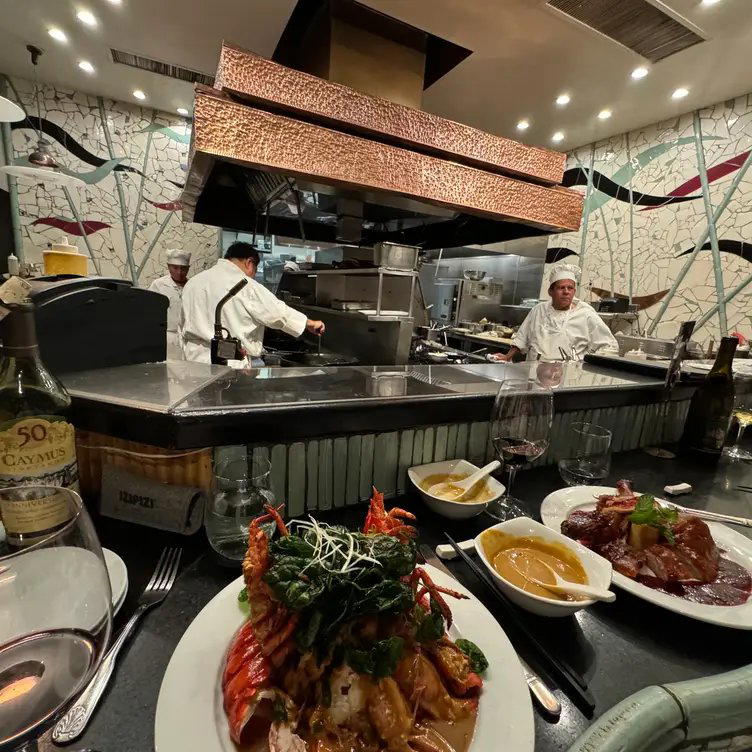
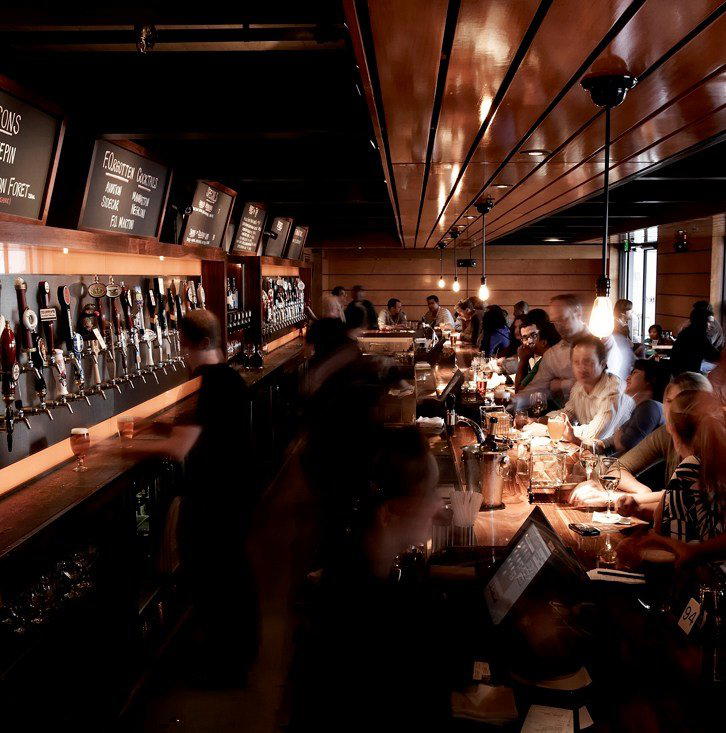
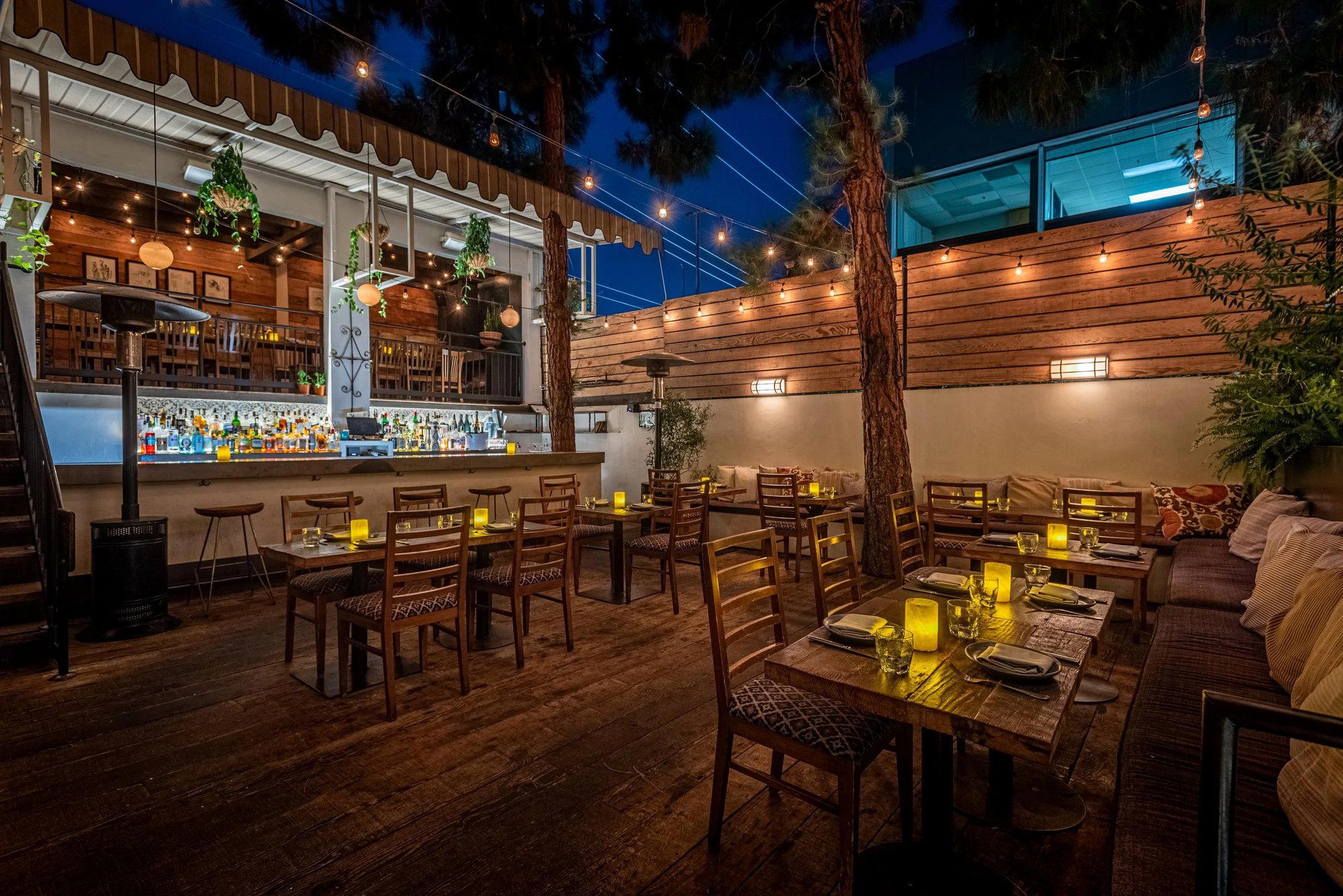
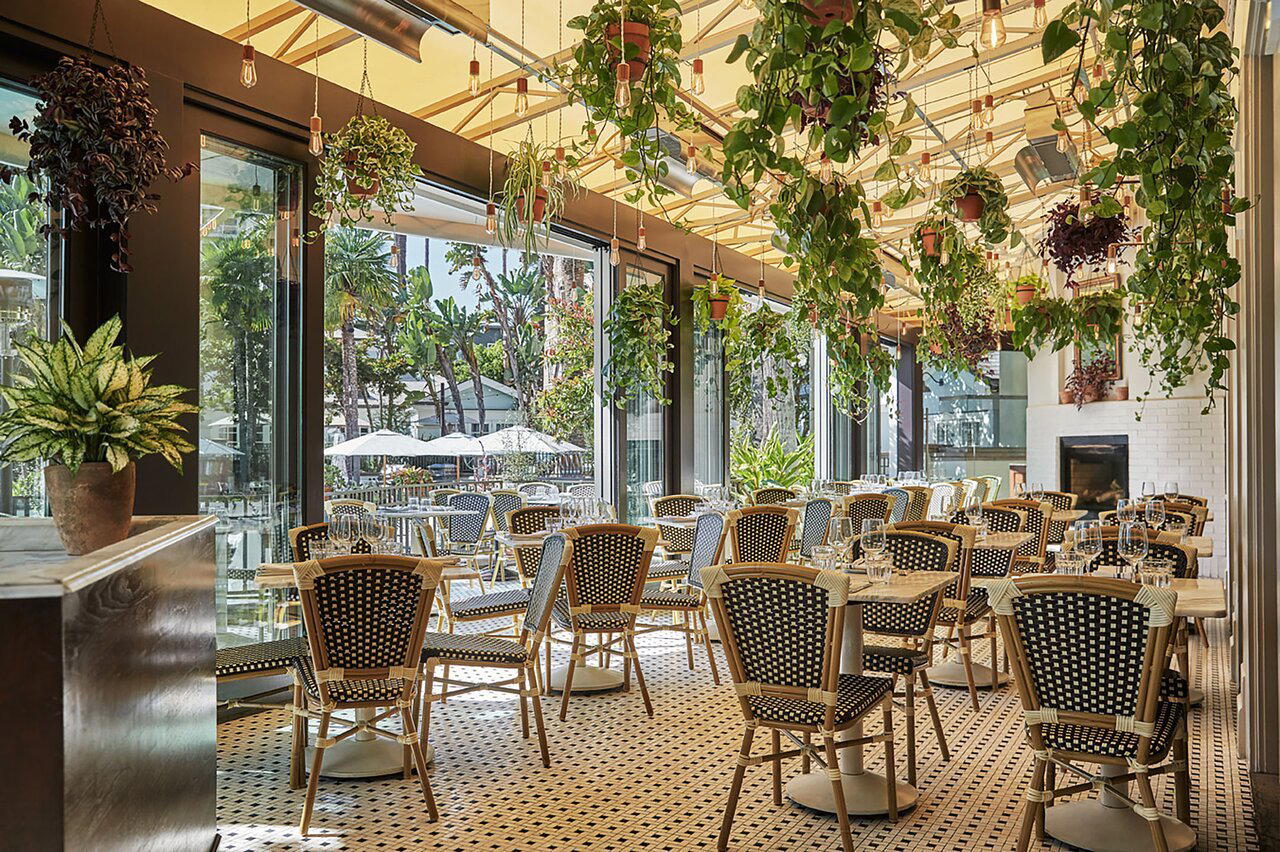
Bars in Santa Monica
Browse all →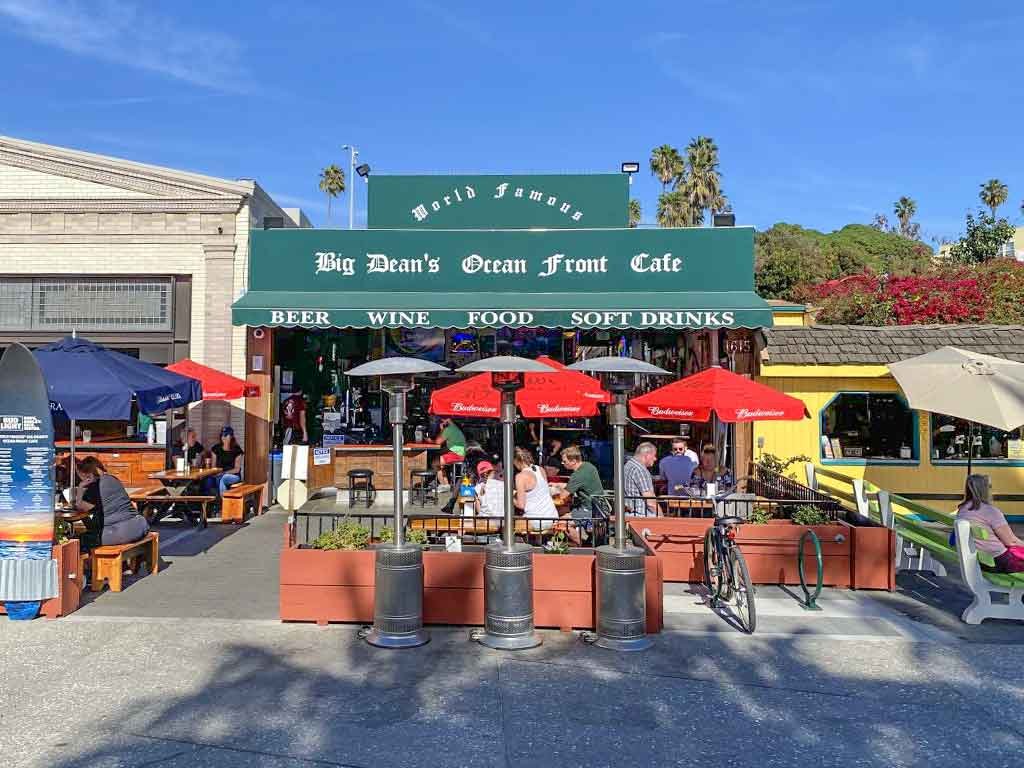
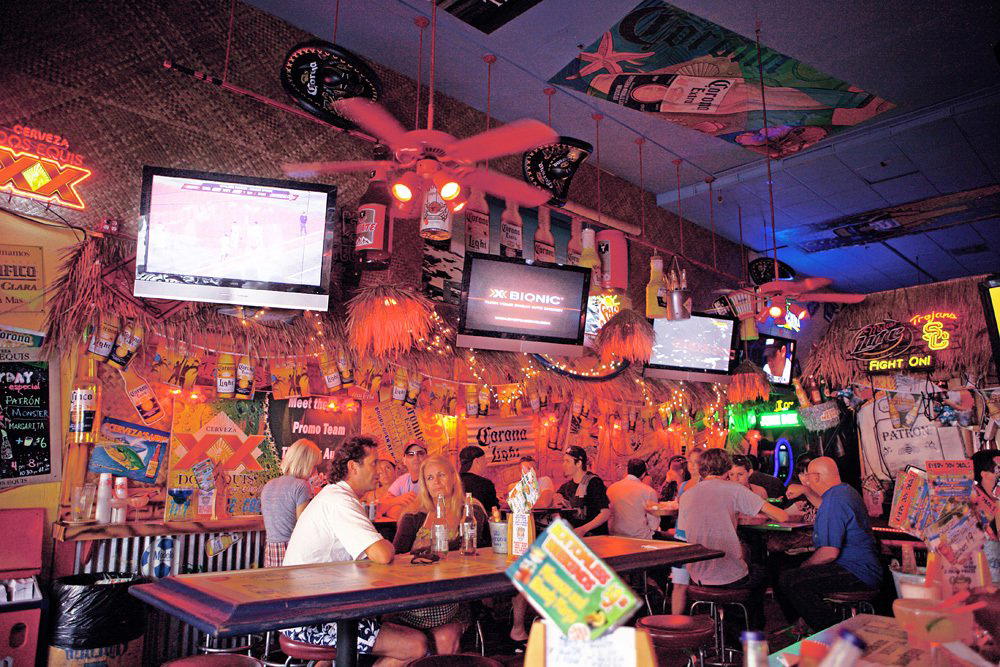
At a Glance
- Casual
- Cozy
- Trendy
- Casual Hangout
- Family
- Standalone
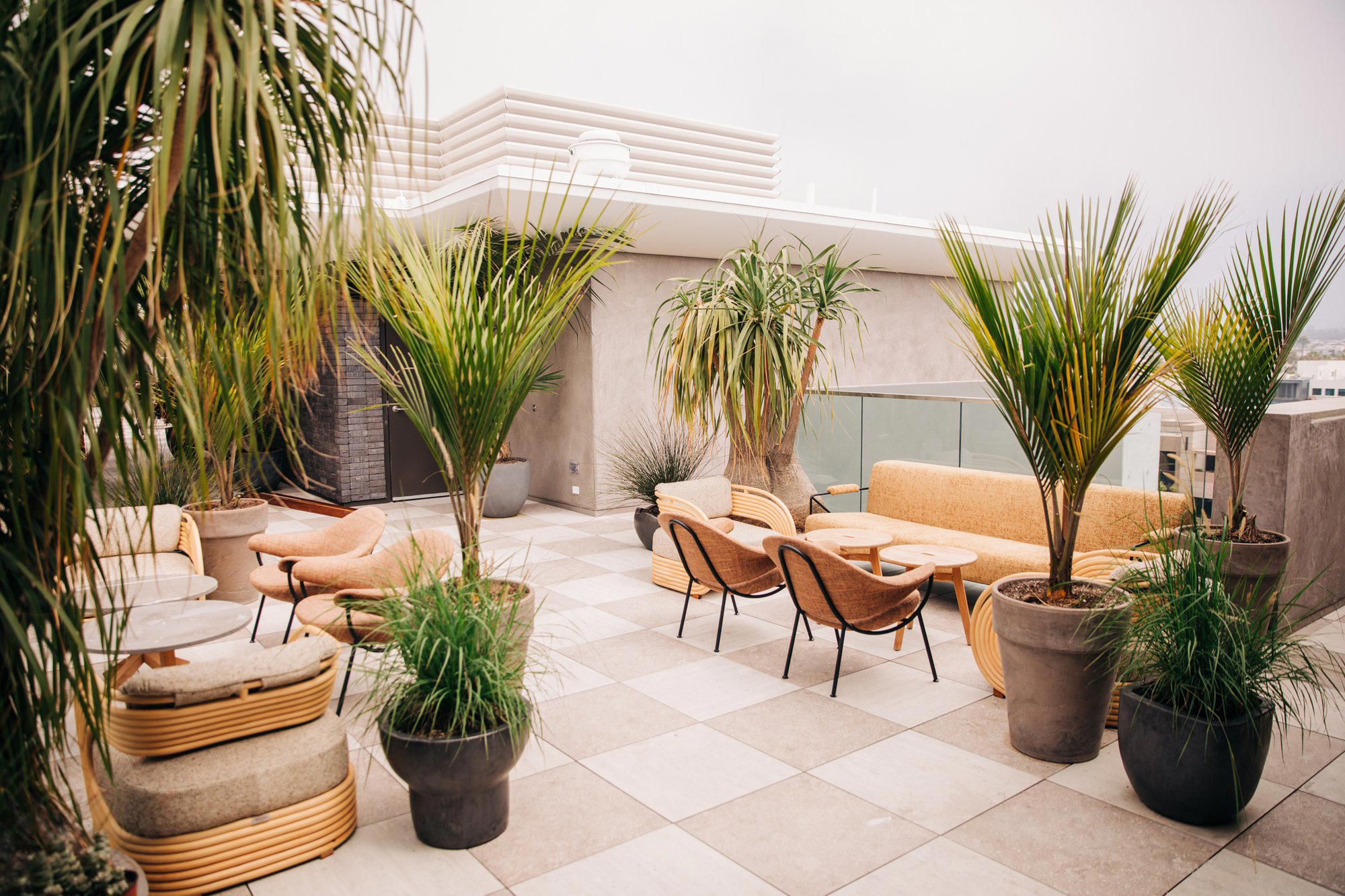
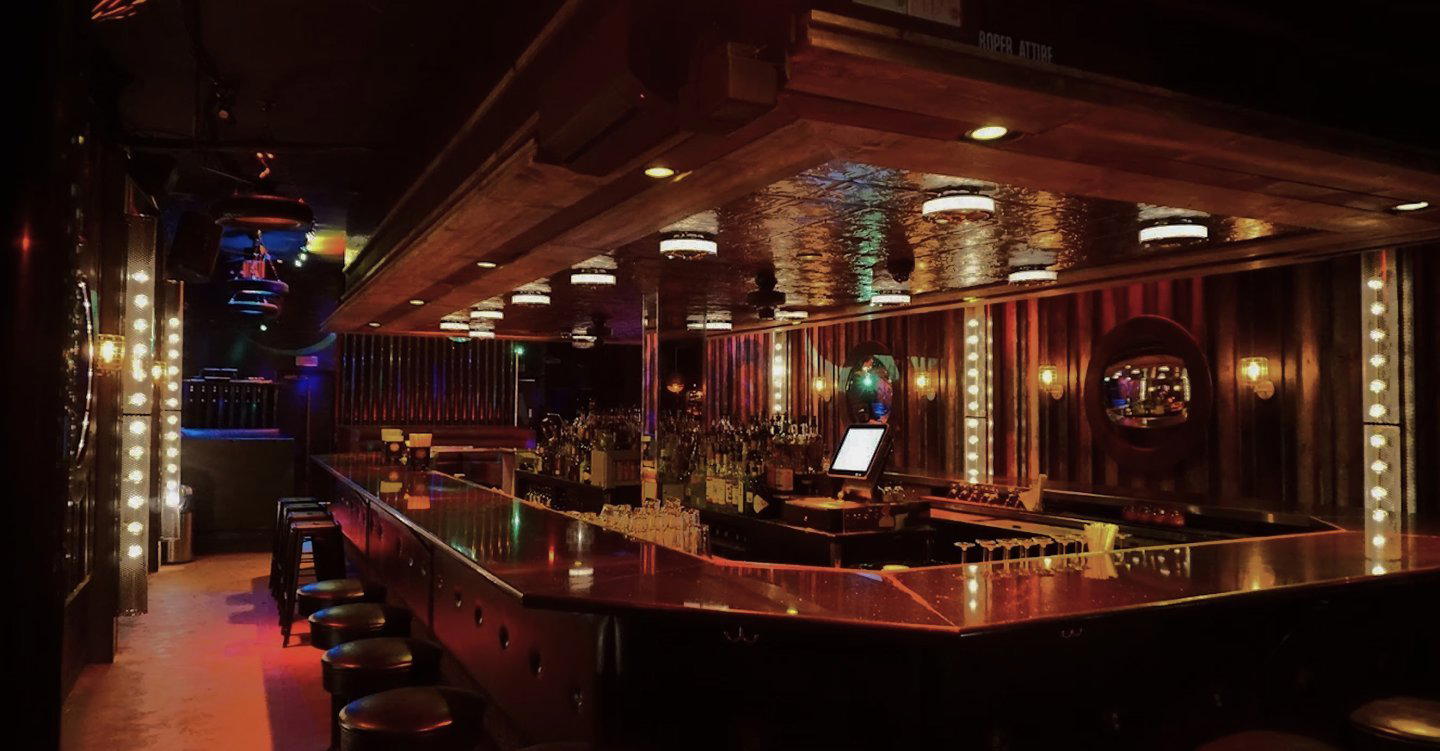
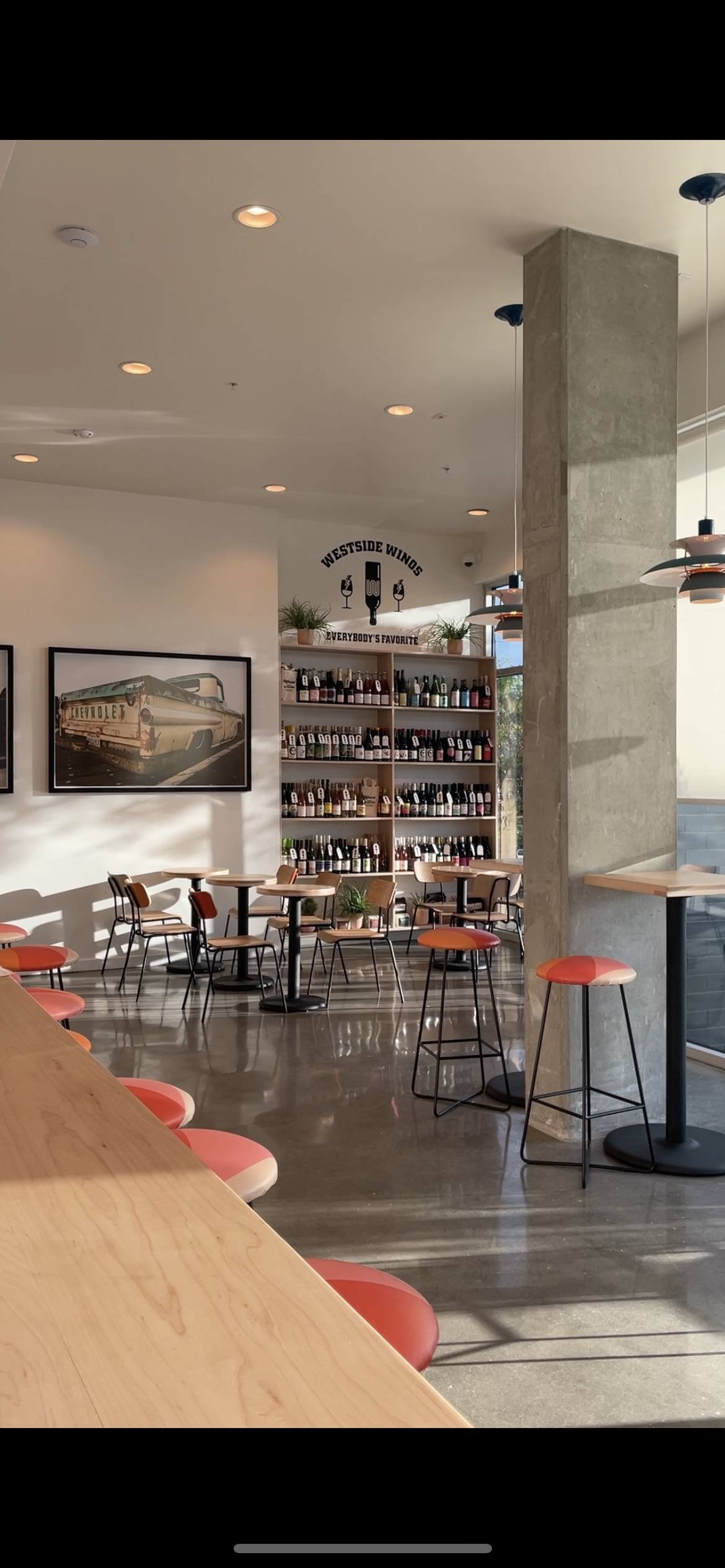
Buzzy and friendly with a cozy, casual atmosphere.