

Fia sits on Wilshire Boulevard in Santa Monica at the point where the city's coastal informality gives way to something more considered. The kitchen operates at the intersection of California's produce calendar and technique drawn from European and broader global traditions, positioning it within a tier of West Side restaurants that treat local sourcing as a structural decision rather than a marketing note.
Pearl is the En Primeur Club membership app — saves, bookings, and concierge access live there. Same editors, same standards.
- Address
- 2454 Wilshire Blvd, Santa Monica, CA 90403
- Phone
- +14242804196
- Website
- fiarestaurant.com
- Directions
- Get directions
 Saves & bookings on Pearl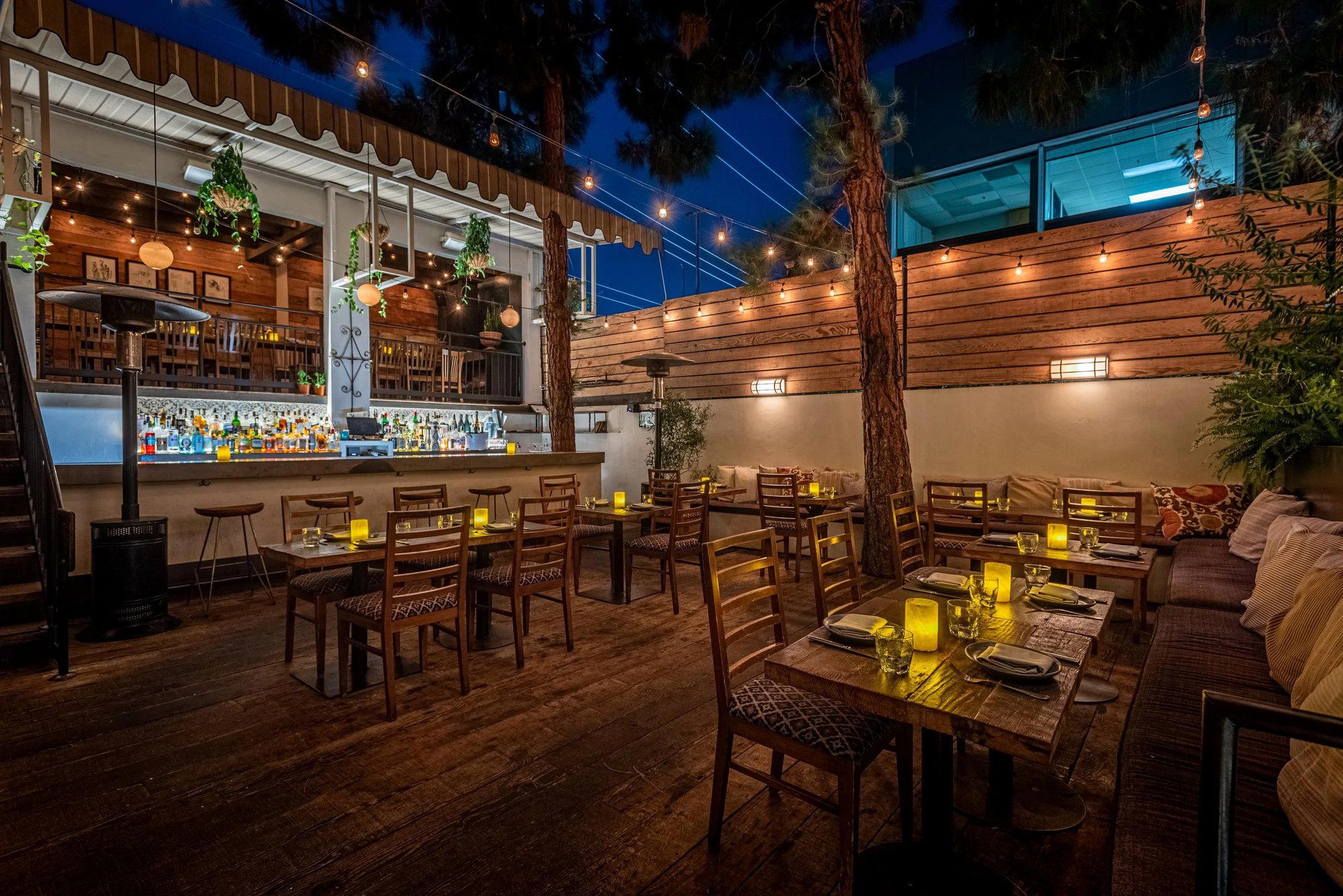
Wilshire Boulevard and the West Side's Shifting Dining Register
Santa Monica's dining identity has always been pulled in two directions: the easy, produce-forward casualness that proximity to the Santa Monica Farmers Market enables, and an appetite for more structured cooking that the neighborhood's demographics consistently support. Wilshire Boulevard, running east from the coast through what locals broadly call the Wilshire Corridor, sits at that fault line. The address at 2454 Wilshire places Fia in a stretch where destination restaurants and neighborhood staples occupy adjacent storefronts, and where the competition set is defined less by cuisine category than by ambition level.
That positioning matters because it shapes how a restaurant like this reads in context. This is not the beachside register of Back on the Beach, nor the neighborhood Italian comfort of Amici Brentwood. It belongs to a middle tier of the West Side — restaurants that take the kitchen seriously without requiring the reader to consult a dress code before booking. Across California, that tier has grown more technically ambitious over the past decade, partly because the supply side has kept pace: small farms, specialty foragers, and coastal fisheries all feed into a regional ingredient base that rewards serious cooking.
The Technique-Meets-Terroir Framework Now Defining California's Upper-Middle Tier
The dominant editorial conversation about California cooking in 2024 is no longer about whether local ingredients are good — that argument was settled long ago. The current tension is about what techniques do the most justice to those ingredients, and whether imported methods (French brigade discipline, Japanese precision aging, fermentation traditions from Korea and Scandinavia) enhance or override what is already there.
Fia operates inside that conversation. The kitchen's approach, as understood from its position within the Santa Monica dining scene, aligns with a generation of California restaurants that treat European technique as infrastructure rather than identity. This is the same structural logic that drives critical recognition at places like Providence in Los Angeles, where Californian seafood is processed through a rigorous French-influenced framework, or at Single Thread Farm in Healdsburg, where Japanese kaiseki structure organizes hyper-local Sonoma produce. The difference at that upper register is scale and formality; the underlying philosophy of letting technique serve the ingredient rather than overshadow it runs through the whole tier.
Nationally, the restaurants that have made this argument most coherently tend to cluster around access to exceptional local supply chains. Blue Hill at Stone Barns in Tarrytown built its critical reputation almost entirely on that premise. In the South, Emeril's in New Orleans demonstrated early that regional ingredient identity could anchor a globally technique-fluent kitchen. Santa Monica's farmers market, one of the most cited in California for quality and diversity of product, gives Wilshire Corridor restaurants a comparable structural advantage.
Where Fia Sits Within the Local Competitive Set
On Santa Monica's Westside, the competition set for a restaurant at Fia's address breaks roughly into three groups: restaurants anchored by a single strong ethnic culinary tradition (like Holy Basil Santa Monica for Thai, or the Chinese-Californian fusion legacy of Chinois on Main nearby on Main Street), restaurants defined primarily by their beverage programs (Wally's Santa Monica being the clearest local example), and restaurants that lead with the cooking itself as the primary draw.
Fia falls in the third group. That category on the West Side has historically been underserved relative to the density of high-end dining further east in West Hollywood and downtown Los Angeles. Azure and Augie's On Main occupy adjacent parts of the Santa Monica dining map, each with a distinct register. What the neighborhood still lacks, compared to peer California cities, is a deep bench of kitchen-led restaurants at the price point directly below formal fine dining, which is precisely the gap that a restaurant like Fia is positioned to address.
For a broader view of what the Santa Monica scene currently offers across formats and price points, the full Santa Monica restaurants guide maps the city's dining character neighborhood by neighborhood.
The California Ingredient Calendar as Editorial Frame
The seasonal argument is worth making precisely because it is so easy to dismiss as marketing language. In Santa Monica's case, it is structural. The farmers market at Arizona Avenue operates year-round and draws direct relationships between small Central Valley and coastal farms and the kitchens that source from them. Spring brings stone fruit and alliums; summer shifts to dry-farmed tomatoes, peppers, and corn varieties that the state does better than almost anywhere in the country; fall introduces squash, chicories, and late citrus that extend into winter alongside California's reliable brassica season.
Kitchens that build menus around this calendar behave differently from those that order through broadline distributors. The menu moves, sometimes weekly, and dishes that read as signatures in October may be unrecognizable by February. That volatility is a feature for a certain kind of diner and a complication for the kind of restaurant guide that wants stable photography and fixed descriptions. It also means that the most useful planning advice is seasonal rather than dish-specific: a visit in the height of summer California produce season will differ meaningfully from one in January, and both will differ from what any static description captures.
This is the logic that connects Fia's positioning to the broader arc of American farm-to-table cooking at its most technically serious. The French Laundry in Napa demonstrated that local produce and classical technique could coexist at the highest formal register. Lazy Bear in San Francisco showed it could work in a more communal, narrative format. Addison in San Diego has extended the argument into Southern California. Santa Monica, with its ingredient advantages and affluent, food-aware diner base, has the conditions to support that level of ambition at multiple price points simultaneously.
Planning a Visit
Fia is located at 2454 Wilshire Blvd in Santa Monica, accessible by car from the 10 freeway and within reasonable distance of the metro Expo Line's downtown Santa Monica terminus for those arriving without a vehicle. The Wilshire Corridor sees significant weeknight traffic from West Side residents, which makes midweek timing worth considering for a more relaxed experience. Booking ahead is advisable for weekend evenings, as kitchen-led restaurants at this address tend to fill their more desirable tables several days in advance. For context on what else the neighborhood offers before or after dinner, the ArcLight Cinemas Santa Monica is within the same corridor for those building a longer evening.
For readers who want to calibrate Fia's register against restaurants operating at greater formality or scale, the comparisons worth making are to Alinea in Chicago for technique-forward ambition at the high end, to Le Bernardin in New York City for the French-technique-meets-premium-local-ingredient model, or to Atomix in New York City for an example of imported culinary tradition (in that case Korean) applied to local ingredients with serious critical results. Fia operates at a more accessible register than any of those, which is precisely where the West Side dining scene needs the strongest work.
How Fia Santa Monica compares with similar nearby venues.
| Venue | Cuisine | Price |
|---|---|---|
| Fia Steak | Steakhouse | $$$$ |
| Milo + Olive | Farm to table | $$$ |
| Holy Basil Santa Monica | Thai | Not listed |
Recognition history
Dated appearances from independent guides and award organizations, with the underlying list record or original source where available.
Michelin Plate
Michelin · 2026 Michelin Plate
Opinionated About Dining Casual in North America Recommended
Opinionated About Dining
Continue exploring
More in Santa Monica
Restaurants in Santa Monica
Browse all →
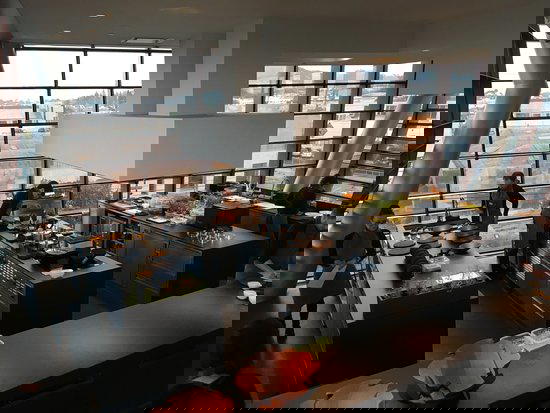
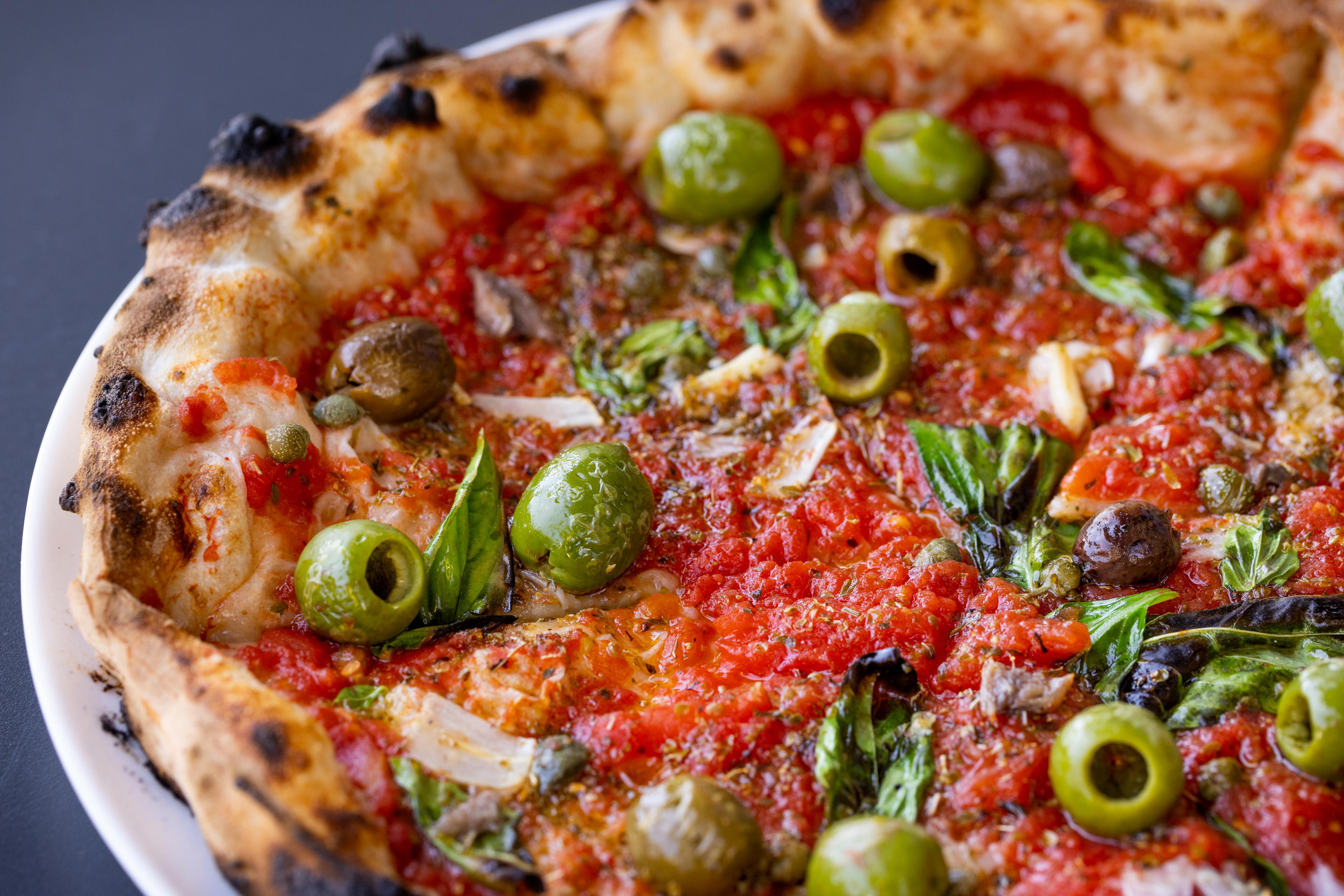
Bars in Santa Monica
Browse all →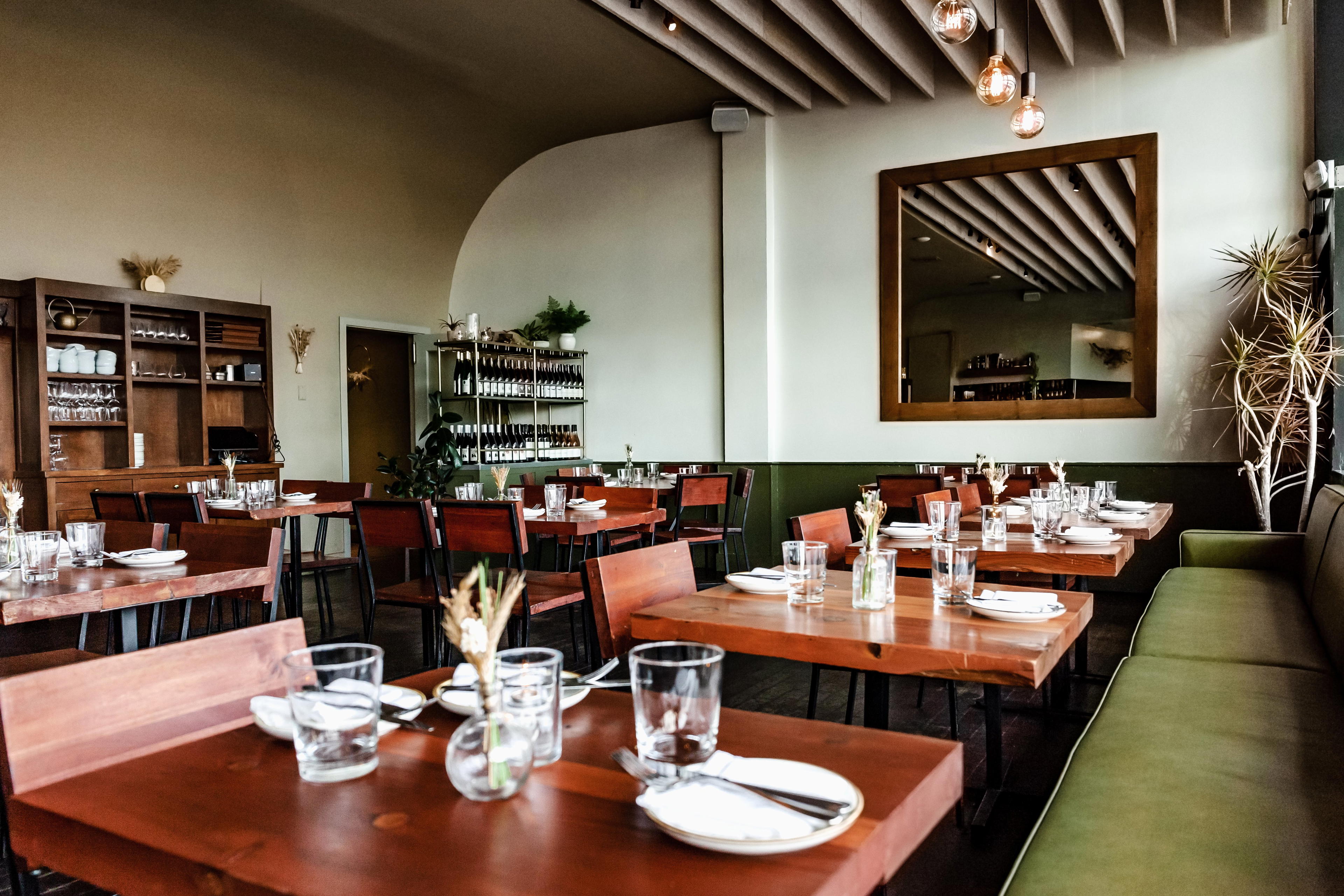
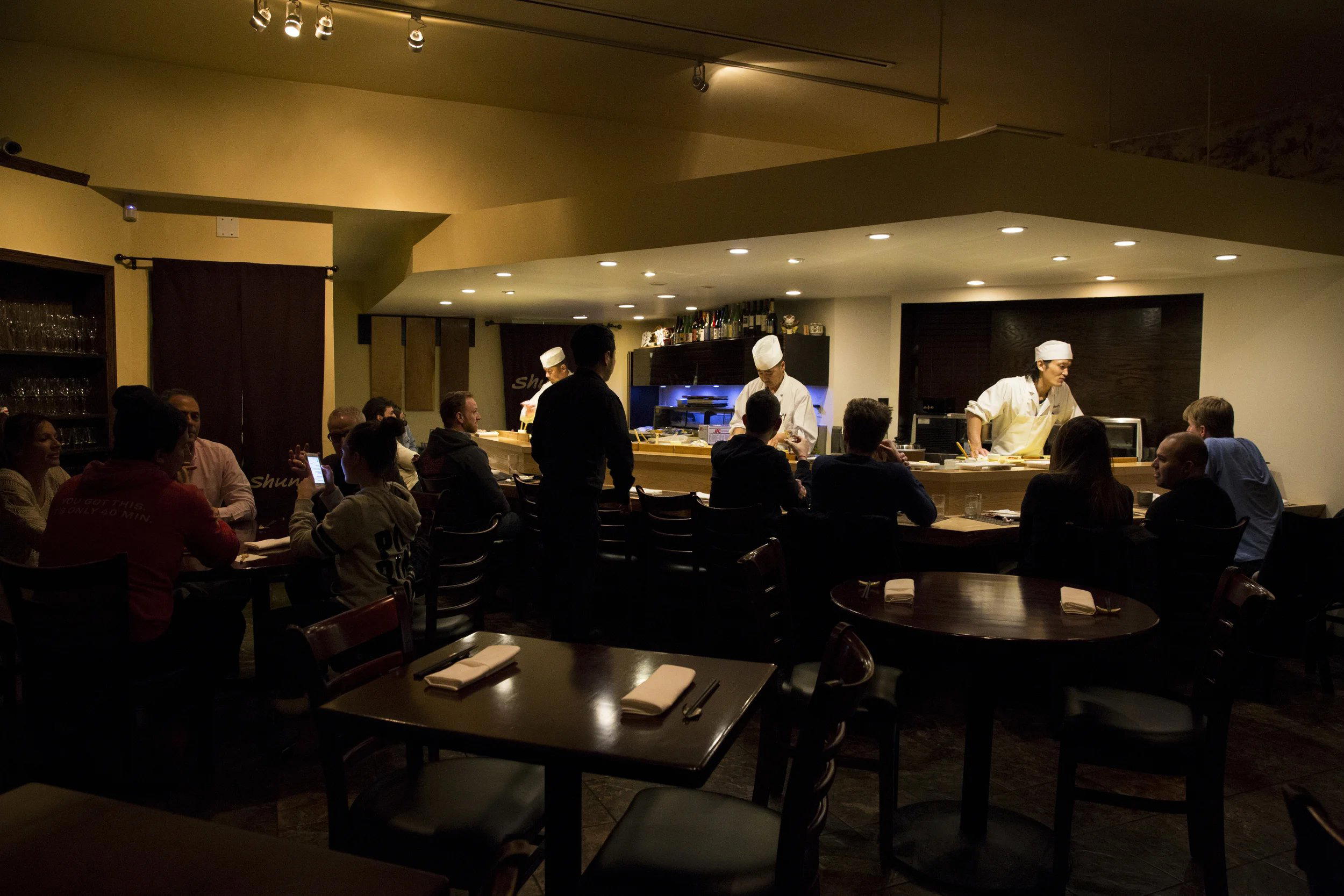
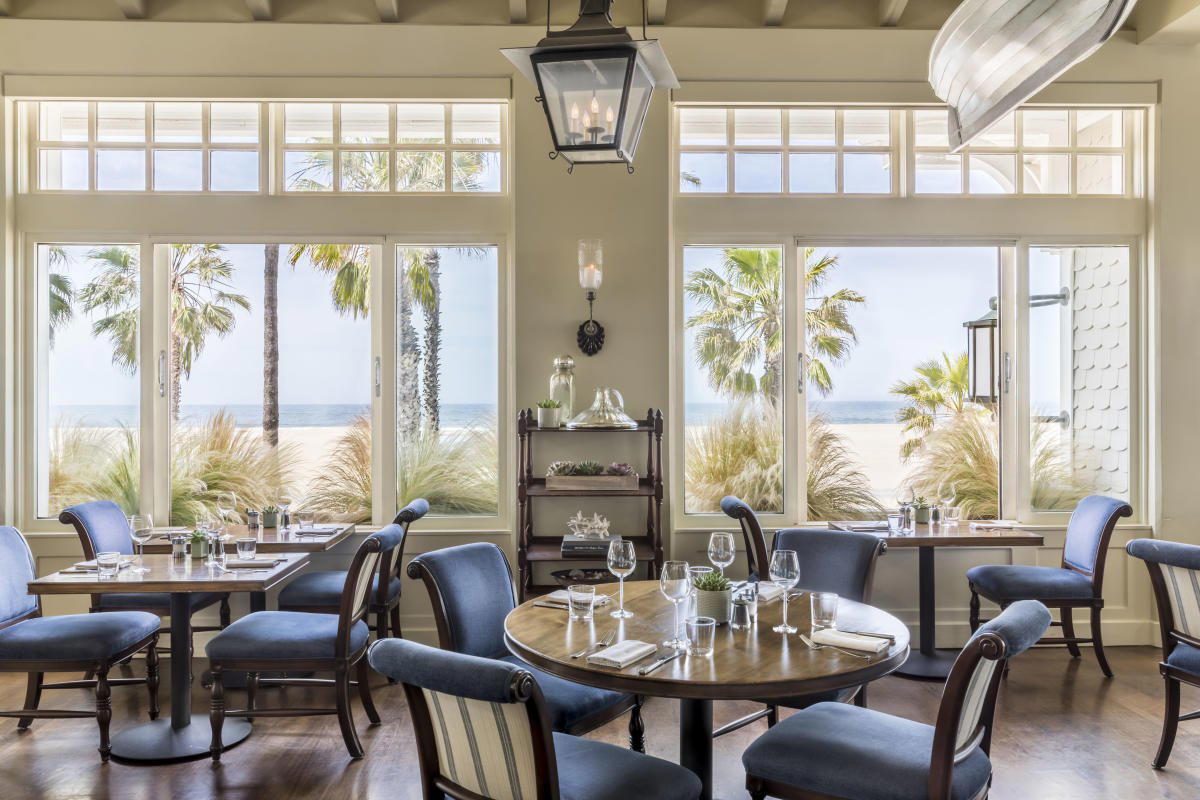
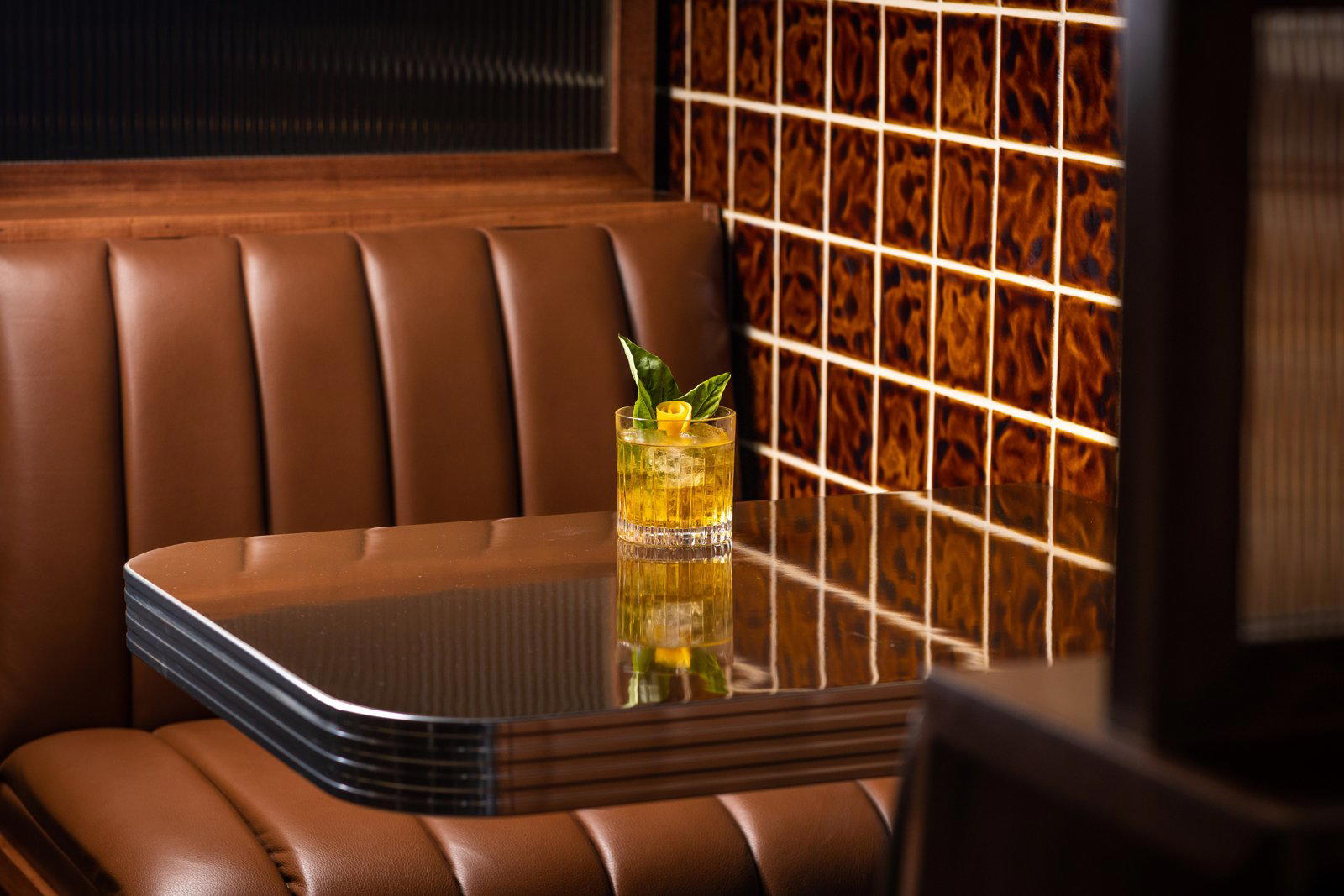
Hotels in Santa Monica
Browse all →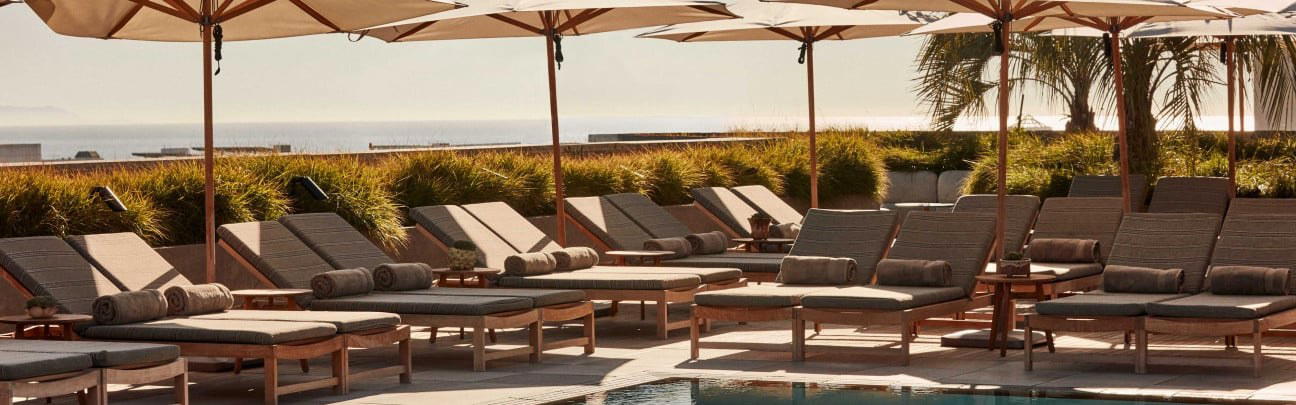
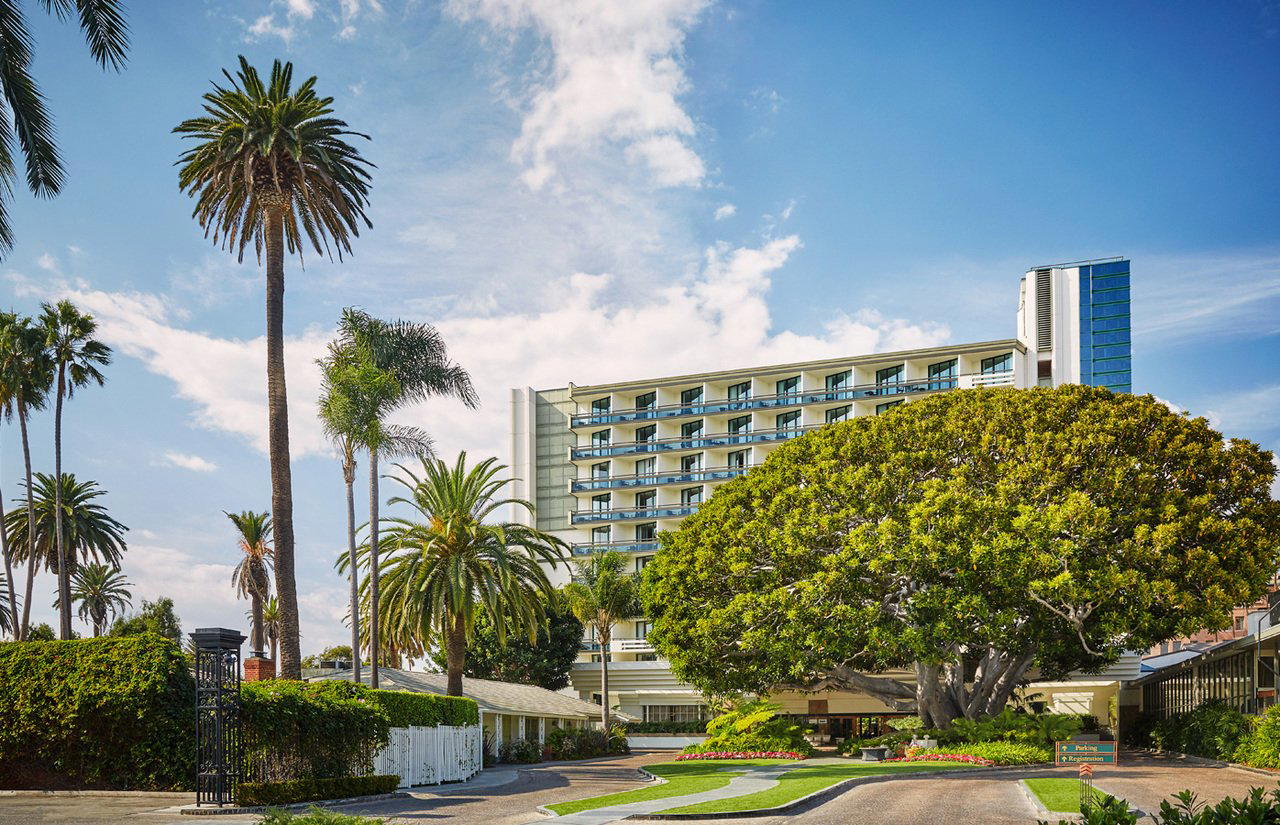
Wineries in Santa Monica
Browse all →
At a Glance
- Romantic
- Elegant
- Cozy
- Scenic
- Date Night
- Special Occasion
- Brunch
- Garden
- Private Dining
- Craft Cocktails
- Extensive Wine List
- Farm To Table
- Local Sourcing
- Organic
- Garden
Current opening hours
- Monday
- 5–9 PM
- Tuesday
- 5–9 PM
- Wednesday
- 5–9 PM
- Thursday
- 5–9 PM
- Friday
- 5–9:30 PM
- Saturday
- 10:30 AM–2:30 PM, 5–9:30 PM
- Sunday
- 10:30 AM–2:30 PM, 5–9 PM
Hours can change for holidays and private events. Last verified .
Beautiful garden patio with lively Mediterranean colors, blooming flowers, and a romantic, elegant atmosphere.
Know Before You Go
- Getting there
- 2454 Wilshire Blvd, Santa Monica, CA 90403