Johanns

Johanns holds a Michelin star on Waldkirchen's market square, where chef Jérôme Roy applies modern cuisine techniques to a setting that sits well outside Germany's established fine-dining corridors. Consecutive star retention in 2024 and 2025 confirms a kitchen operating with genuine consistency. For the Bavarian Forest, this is a serious address, one that rewards the detour from Munich or Passau.
Pearl is the En Primeur Club membership app — saves, bookings, and concierge access live there. Same editors, same standards.
- Address
- Marktpl. 24, 94065 Waldkirchen, Germany
- Phone
- +49 8581 2082000
- Website
- restaurant-johanns.de
- Directions
- Get directions
 Saves & bookings on Pearl
A Market Square Address in an Unlikely Fine-Dining Town
Johanns is a one-star restaurant in Waldkirchen, Germany, serving Modern Bavarian Forest Cuisine in the €€€€ price tier. Its market square, the Marktplatz, is the kind of central space found in hundreds of German provincial towns, surrounded by low-rise buildings, quiet on weekday evenings, largely removed from the infrastructure of destination dining. Johanns occupies a position directly on that square at number 24, which means it functions as something of an outpost: a kitchen working at Michelin-star level in a geography where that designation carries particular weight precisely because the competition does not.
That geographic isolation shapes the experience before you even sit down. This is the kind of address where the restaurant is, by default, the reason for the visit rather than part of a wider evening's itinerary, which places a specific kind of pressure on consistency.
Consecutive Stars and What They Signal
Michelin awarded Johanns one star in 2024 and retained it through 2025. Two consecutive years at the same rating is more meaningful than a debut alone: it suggests a kitchen that has stabilised around its format rather than peaking for a single inspection cycle. Among Germany's star-holding restaurants, single-star status in a rural or small-town setting often reflects a different calibration than the same tier in a city, the inspector is evaluating the food against national benchmarks, not local ones, which makes retention a particularly pointed signal.
For context, Germany's Michelin constellation at the upper end includes three-star houses like Aqua in Wolfsburg and Schwarzwaldstube in Baiersbronn, two-star addresses such as Vendôme in Bergisch Gladbach and CODA Dessert Dining in Berlin, and a long tail of single-star kitchens distributed across the country. Johanns sits at that single-star level alongside addresses like JAN in Munich, ES:SENZ in Grassau, and Bagatelle in Trier, all operating within Germany's broader modern cuisine tier. What distinguishes Johanns within that peer group is not the award itself but the location in which it holds it. A star retained in Waldkirchen is, in practical terms, a stronger logistical argument for a dedicated visit than the same rating in a city where alternatives are plentiful.
At that volume, an average above 4.7 typically reflects a consistent guest experience rather than a statistical anomaly from a small sample. That convergence between critical recognition and guest response is not automatic in the fine-dining tier and is worth noting as a planning signal.
Jérôme Roy and the French Name at a German Address
Chef Jérôme Roy leads the kitchen. The name carries French lineage in a region with its own strong culinary identity, and that friction is worth sitting with briefly. Germany's modern cuisine category has absorbed significant French classical influence since the 1980s, particularly in how technique is taught, how menus are structured, and how the relationship between kitchen and dining room is understood. Houses like Victor's Fine Dining by Christian Bau in Perl and Waldhotel Sonnora in Dreis both operate within that Franco-German tradition, using classical French architecture as a foundation for kitchens that now read as distinctly German in their sourcing and precision.
Roy leads the kitchen, and the record places Johanns firmly in the modern Bavarian Forest tradition. This is a model that has produced some of Germany's more interesting addresses over the past two decades, particularly in areas outside the major urban centres where the cost structure allows for greater ambition at the table relative to the price point at comparable city addresses.
For a broader look at how this kind of modern cuisine tradition operates at different scales across Europe, the work at Frantzén in Stockholm and FZN by Björn Frantzén in Dubai offers reference points at the higher end of the same tradition, as does Schanz in Piesport and Restaurant Haerlin in Hamburg within the German context specifically.
The Practical Case for Going
Waldkirchen is not a city where you arrive by accident. The town is accessible from Passau by road in under an hour and from Munich in roughly two hours, placing it within day-trip or overnight-trip range for guests based in either city. The Bavarian Forest itself draws visitors for its national park and cross-border geography, which means Johanns functions naturally as a dining anchor for guests already in the region rather than an isolated reason to travel from a major hub, though the star retention makes the latter case entirely reasonable for committed diners.
The €€€€ price range matches its fine-dining format. It is not a neighbourhood restaurant that happens to have an inspector's attention; it is operating at the price and format level that the star designation implies. Reservations should be treated as essential given that in a market town of this size, seat count is finite and demand from outside the immediate area is structural. Checking availability well in advance is standard practice for any starred address in a rural German setting, where the rhythm of service is typically less frantic than in city restaurants but where capacity ceilings are lower.
Comparable Spots, Quickly
Comparable venues nearby, for context on price, style, and recognition.
| Venue | Cuisine | Price | Awards | Notes |
|---|---|---|---|---|
| JohannsThis venue — the venue you are viewing | Modern Bavarian Forest Cuisine | $$$$ | Michelin 1 Star | Not listed |
| Nose & Belly | Modern Bavarian Fine Dining | $$$$ | Michelin 1 Star | Georgs-Kreuzviertel |
| Waidwerk | Modern German Game Cuisine | $$$$ | Michelin 1 Star | Großreuth |
| Haubentaucher | Modern European Fine Dining | $$$$ | Michelin 1 Star | Rottach-Egern |
| Mountain Hub Gourmet | Modern Alpine Fine Dining | $$$$ | Michelin 1 Star | Munich Airport |
| Restaurant 1950 | Modern German Bio Fine Dining | $$$$ | Michelin 1 Star | Hayingen |
Recognition history
Dated appearances from independent guides and award organizations, with the underlying list record or original source where available.
Michelin 1 Star
Michelin
Michelin 1 Star
Michelin
Michelin 1 Star
Michelin
Continue exploring
More in Waldkirchen
Restaurants in Waldkirchen
Browse all →
Bars in Waldkirchen
Browse all →
At a Glance
- Sophisticated
- Elegant
- Modern
- Cozy
- Special Occasion
- Date Night
- Terrace
- Local Sourcing
- Street Scene
Current opening hours
- Monday
- 12–2:30 PM, 6–11 PM
- Tuesday
- 12–2:30 PM, 6–11 PM
- Wednesday
- 12–2:30 PM, 6–11 PM
- Thursday
- 12–2:30 PM, 6–11 PM
- Friday
- 12–2:30 PM, 6–11 PM
- Saturday
- 12–2:30 PM, 6–11 PM
- Sunday
- Closed
Hours can change for holidays and private events. Last verified .
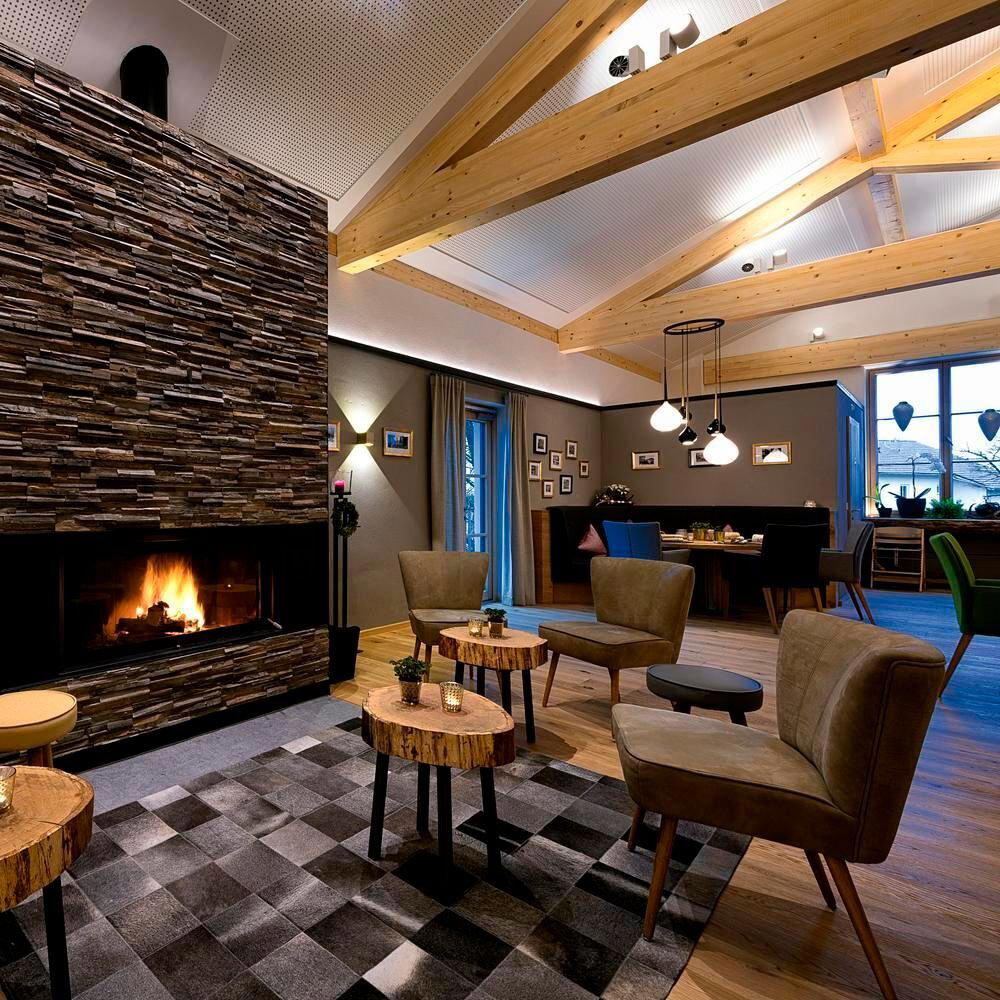
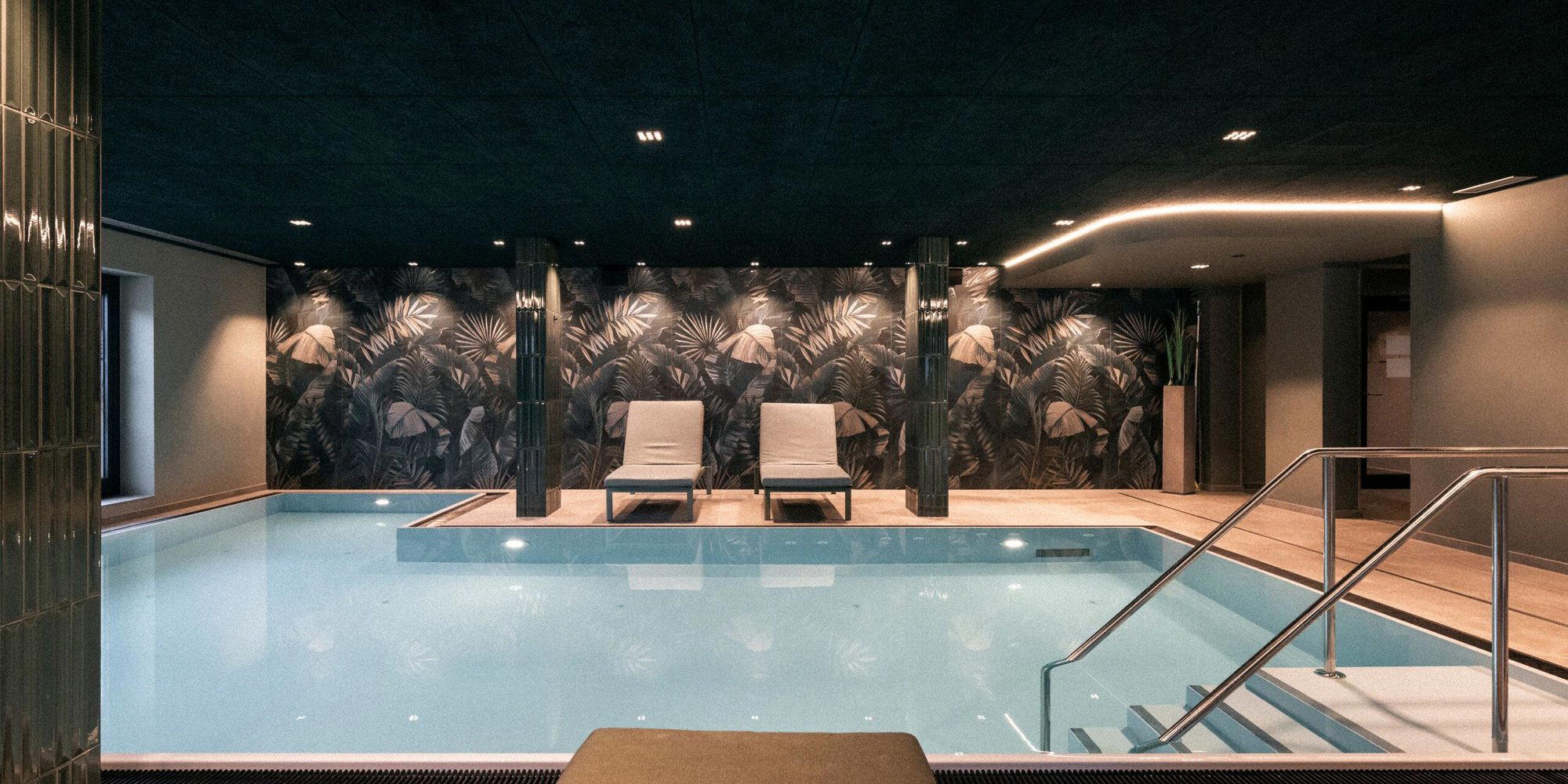
Sleek, sophisticated, modern streamlined decor with minimalistic warm atmosphere and fantastic terrace views of the Bavarian Forest region.