
Michelin Bib Gourmand
Our verdict
A 2024 Michelin Plate holder occupying a preserved 1950s house in Paraíso, Jiquitaia serves comforting, ingredient-led Brazilian cooking that draws on regional traditions from across the country. Chef Marcelo Corrêa Bastos anchors the menu in classics, coxinha de frango caipira, fish moqueca, grilled fish with pirão, alongside a cachaça selection that maps Brazil's distilling geography.

Pearl is the En Primeur Club membership app, where members save venues, book tables and use the concierge.
The menu
What to order
- Moqueca
- Duck rice
- Coxinhas
- Pork rinds
- Okra
A 1950s House and the Weight of Brazilian Comfort Food
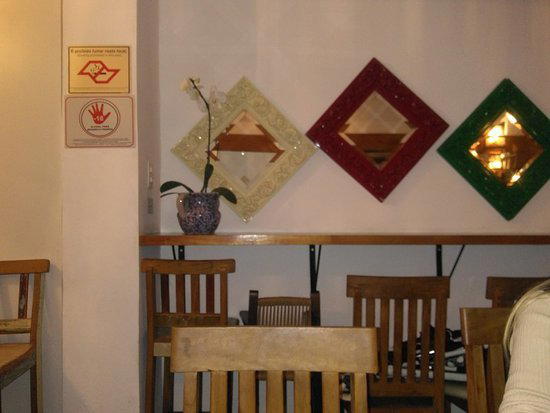
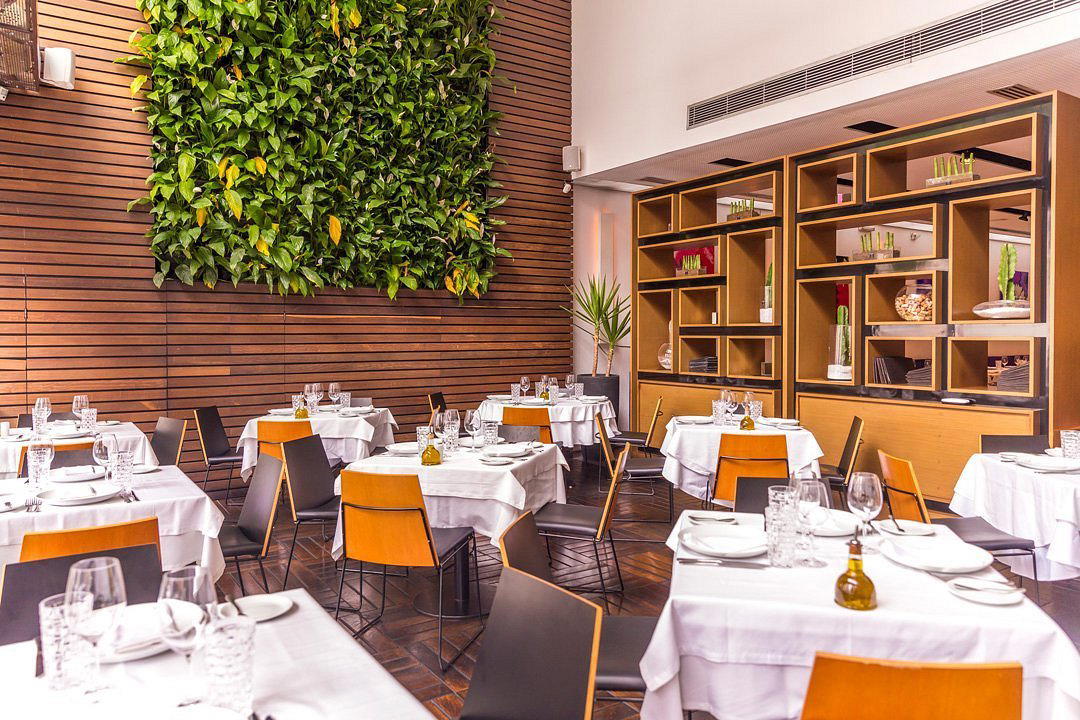
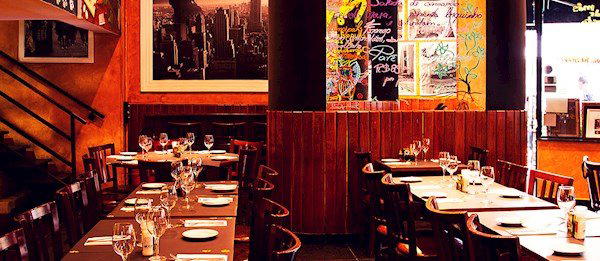
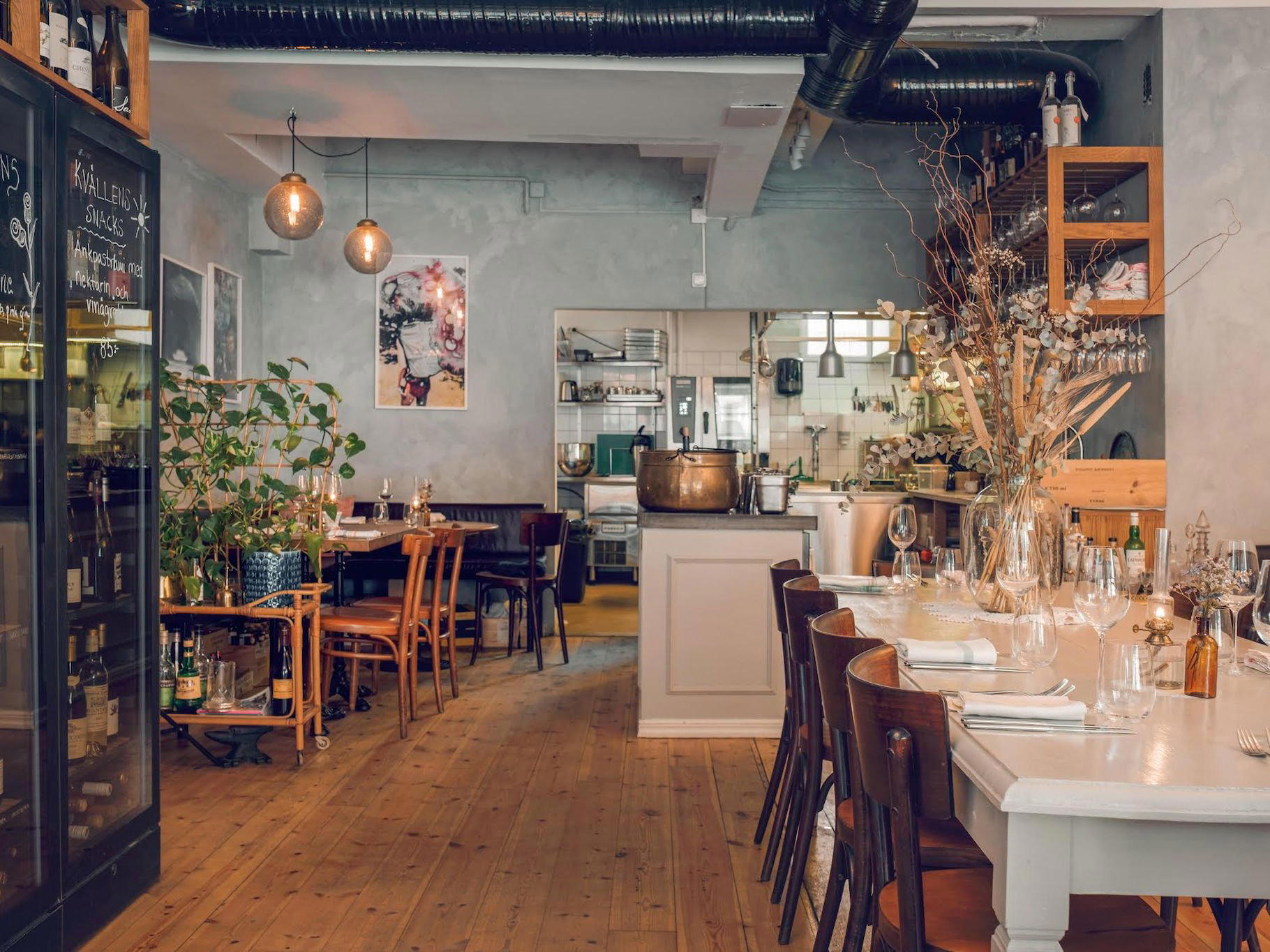
São Paulo's dining scene has spent the past decade moving in two directions at once: upward into tasting-menu territory at addresses like D.O.M. and Evvai, and sideways into a quieter, more grounded conversation about what Brazilian cooking actually means when stripped of modernist technique. Jiquitaia sits firmly in that second conversation. The address, a preserved 1950s house on Rua Coronel Oscar Porto in the Paraíso neighbourhood, announces its position before the food arrives. Timber details, photographs on the walls, and a dining room scaled for unhurried meals signal that the kitchen's priorities are continuity and craft rather than novelty.
That positioning matters in a city where regional Brazilian cooking can get lost between the headline tasting-menu restaurants and the casual street-food tier.
What the Kitchen Is Actually Doing
Brazilian comfort cooking in this register draws from a deep well of technique that rarely gets credited as such. The foundational preparation methods, the slow-cooked stews, the fermented-corn-based porridges, the frying traditions behind dishes like coxinha, carry real culinary weight. Coxinha de frango caipira, one of the dishes the kitchen is known for, is more demanding than its street-food ubiquity suggests: the caipira designation refers to free-range, slow-raised chicken, and the dough requires the right fat ratio and temperature control to produce the thin, crisp shell that distinguishes a serious version from a mass-produced one.
Fish moqueca with shrimp is equally instructive as a case study. The dish has strong Bahian roots but exists in distinct regional iterations across coastal Brazil, the Capixaba version from Espírito Santo uses annatto and coconut oil in different proportions, while the Bahian version leans heavier on dendê palm oil. A kitchen choosing to put moqueca on a São Paulo menu is making a statement about sourcing and regional identity, not simply filling a slot. The grilled fish of the day served with pirão, a thickened fish-broth porridge, reinforces that the cooking here is oriented toward Brazilian culinary grammar rather than fusion or reinterpretation.
Chef Marcelo Corrêa Bastos runs the kitchen, and the through-line in his menu is coherence rather than range. The dishes connect to each other and to a broader tradition without reaching for surprise. That restraint is harder to execute than it looks, and the Michelin Plate, alongside the volume and consistency of guest reviews, suggests it's being executed well.
The Cachaça Program as a Secondary Argument
One of the more considered aspects of what Jiquitaia offers is its cachaça list, described as a selection drawn from producers across Brazil. This is a meaningful editorial choice. Cachaça production in Brazil spans industrial column-still operations and small-batch alambique distilleries, with regional expressions shaped by terroir, fermentation cultures, and ageing vessel choices (amburana, balsam, and native hardwoods each impart distinct characteristics). A restaurant that takes the selection seriously is effectively offering a parallel education in Brazilian geography and agricultural tradition alongside the food.
For comparison, few São Paulo restaurants at this price point invest this kind of curatorial attention in the national spirit. The cachaça program at Jiquitaia functions as a genuine accompaniment to the cooking rather than an afterthought, and for visitors trying to understand Brazilian drinking culture beyond the caipirinha, it's a legitimate reason to spend time here beyond the meal itself.
Where Jiquitaia Sits in São Paulo's Broader Picture
São Paulo's regional Brazilian cooking conversation has several strong voices. Banzeiro works the Amazon basin's pantry with considerable depth, while A Baianeira focuses the Bahian tradition into a more specific frame. Balaio IMS and Casa Rios each work a different register of Brazilian identity, and AE! Café & Cozinha occupies a casual-daytime position. Jiquitaia's competitive set is the restaurants that treat regional tradition as the whole story, not as the ingredient in something more ambitious. In that peer group, the combination of the Paraíso house setting, the Michelin recognition, and the breadth of the cachaça list makes it a coherent choice.
Beyond São Paulo, the broader Brazilian regional cooking scene has comparable addresses worth understanding for context: Manga in Salvador and Orixás North Restaurant in Itacaré represent the Bahian end of the tradition, while Aconchego Carioca and Rudä in Rio de Janeiro work from a Carioca base. Manu in Curitiba, Lasai in Rio de Janeiro, and Mina in Campos do Jordão each add different regional inflections to the national conversation. Castelo Saint Andrews in Gramado maps the Southern Brazilian tradition that rarely gets discussed alongside the more visible northern and coastal cuisines.
Planning Your Visit
Jiquitaia is located at Rua Coronel Oscar Porto, 808, in Paraíso, a residential and mid-commercial neighbourhood in the south-central zone of São Paulo, accessible by metro via the Paraíso station on Lines 2 and 4. The price point (a single-dollar tier, the most accessible in São Paulo's range) means this is a practical lunch or dinner option rather than a special-occasion spend, and the weekday executive menu format is calibrated for working professionals who want a proper meal without ceremony. The 1950s house setting draws repeat visitors as much as first-timers, and the combination of accessible pricing and Michelin recognition keeps the dining room consistently occupied, arriving without a reservation during peak lunch hours carries some risk. For a fuller view of what the city offers across all categories, the EP Club São Paulo restaurants guide maps the full range, with complementary guides to hotels, bars, wineries, and experiences rounding out the picture.
Frequently asked questions
What should I order at Jiquitaia?
The kitchen's known dishes, coxinha de frango caipira, fish moqueca with shrimp, and grilled fish of the day served with pirão, connect directly to Brazilian regional cooking traditions rather than to a creative reinterpretation of them. The caipira chicken designation in the coxinha points to ingredient sourcing that lifts the dish above the standard version, and the moqueca represents one of Brazil's most technically loaded preparations done in a setting that takes it seriously. Chef Marcelo Corrêa Bastos holds a 2024 Michelin Plate for this style of cooking, which is the relevant credential for a kitchen focused on consistency and tradition rather than innovation. The cachaça list is a secondary order worth exploring alongside the food.
Do they take walk-ins at Jiquitaia?
For a Michelin Plate restaurant in São Paulo's mid-range tier (single-dollar price point), the general pattern is that weekday lunch fills faster than might be expected given the accessible price. If your schedule is flexible, an early lunch opening or a weekday off-peak window is the lower-risk approach. The Paraíso neighbourhood context means this is not a tourist-circuit restaurant where speculative queuing is the norm.
What makes Jiquitaia worth seeking out?
Most Michelin-recognised addresses in the city operate at higher price points and with more obviously contemporary menus. A restaurant holding Michelin recognition at the single-dollar tier, in a preserved period house, serving coxinha and moqueca with this level of documented consistency, is occupying a position in the market that has few direct equivalents. Chef Marcelo Corrêa Bastos and the curated cachaça program add depth to what could otherwise read as a direct comfort-food operation.
Reputation Context
| Venue | Cuisine | Price | Awards | Notes |
|---|---|---|---|---|
| JiquitaiaThis venue (the venue you are viewing) | Modern Brazilian | $20–30 | Michelin Bib Gourmand | Not listed |
| Evvai | Modern Italian-Brazilian Fusion | $200–300 | 3 Michelin Stars · World's 50 Best #95 | Contemporary Italian, Modern Cuisine |
| D.O.M. | Modern Brazilian Amazonian Fine Dining | $150–200 | 2 Michelin Stars · World's 50 Best #74 | Modern Brazilian, Creative |
| Maní | Modern Creative Brazilian | $50–100 | 1 Michelin Star · World's 50 Best #67 | Brazilian - International, Creative |
| Jun Sakamoto | Japanese Omakase | $100–150 | 1 Michelin Star · La Liste Top Restaurants | Sushi, Japanese |
| A Casa do Porco | Modern Brazilian Pork-Centric | $30–50 | Michelin Bib Gourmand · World's 50 Best #25 | Regional Brazilian, Brazilian |
Recognition history
Dated appearances from independent guides and award organizations, with the underlying list record or original source where available.
Michelin Bib Gourmand
Michelin
Full recognition history (3 entries)
Michelin Plate
Michelin
Michelin Plate
Michelin
Continue exploring
More in São Paulo
Restaurants in São Paulo
All restaurants in São Paulo →

Details
- Cozy
- Classic
- Elegant
- Family
- Date Night
- Group Dining
- Historic Building
- Craft Cocktails
- A La Carte
- Vegetarian Friendly
Current opening hours
- Monday
- Closed
- Tuesday
- 12–3 PM, 7–10:30 PM
- Wednesday
- 12–3 PM, 7–10:30 PM
- Thursday
- 12–3 PM, 7–10:30 PM
- Friday
- 12–4 PM, 7–10:30 PM
- Saturday
- 12–4 PM, 7–10:30 PM
- Sunday
- 12–4 PM
Hours can change for holidays and private events. Hours as of .
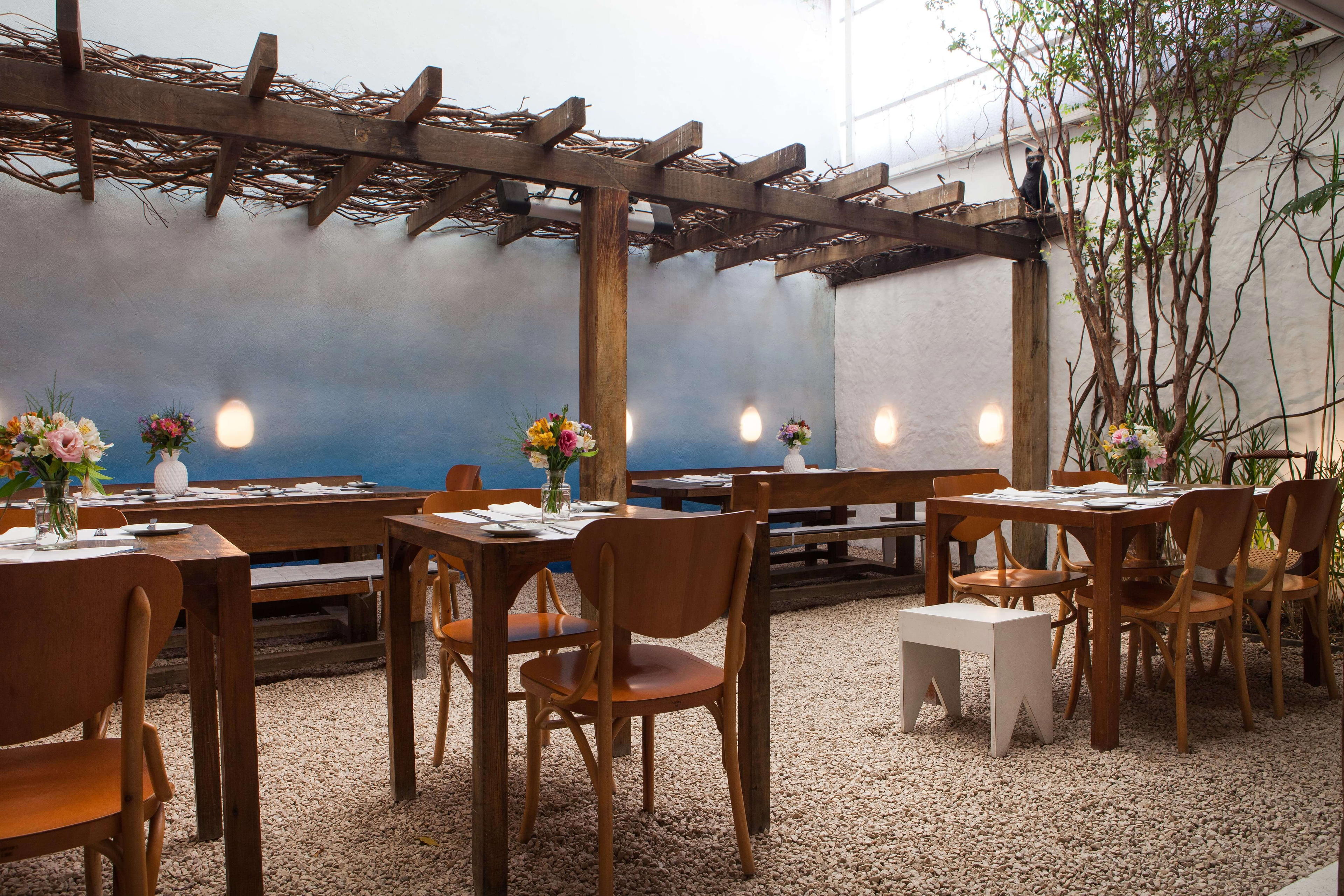
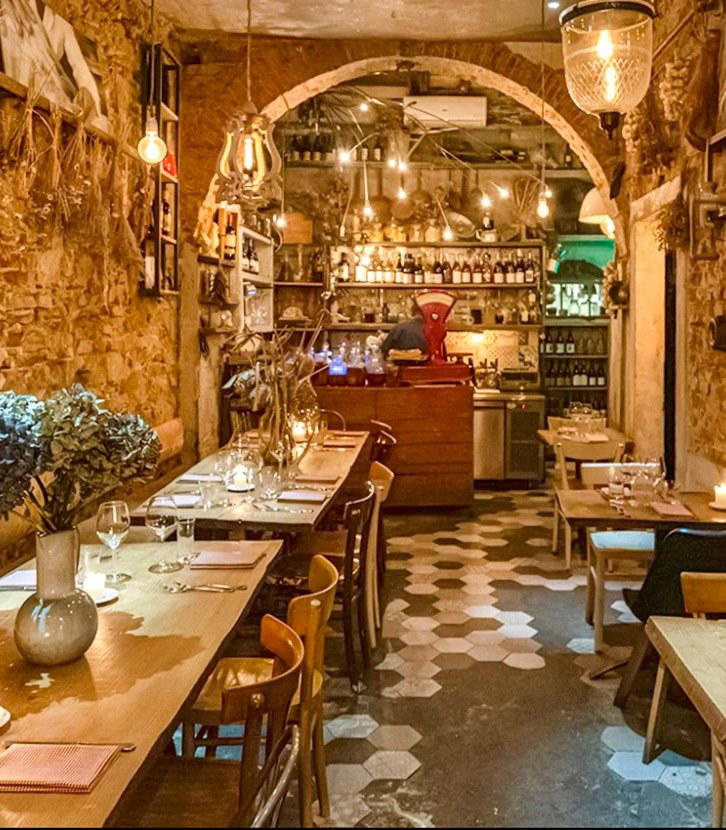
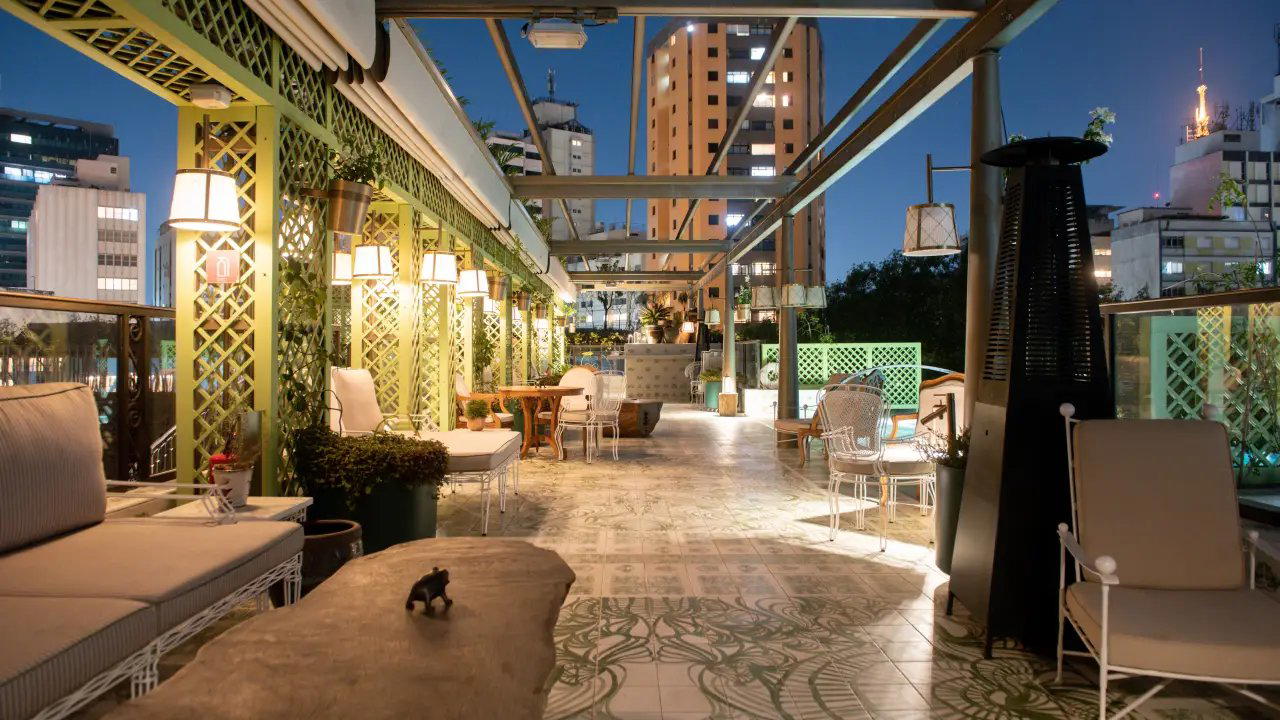
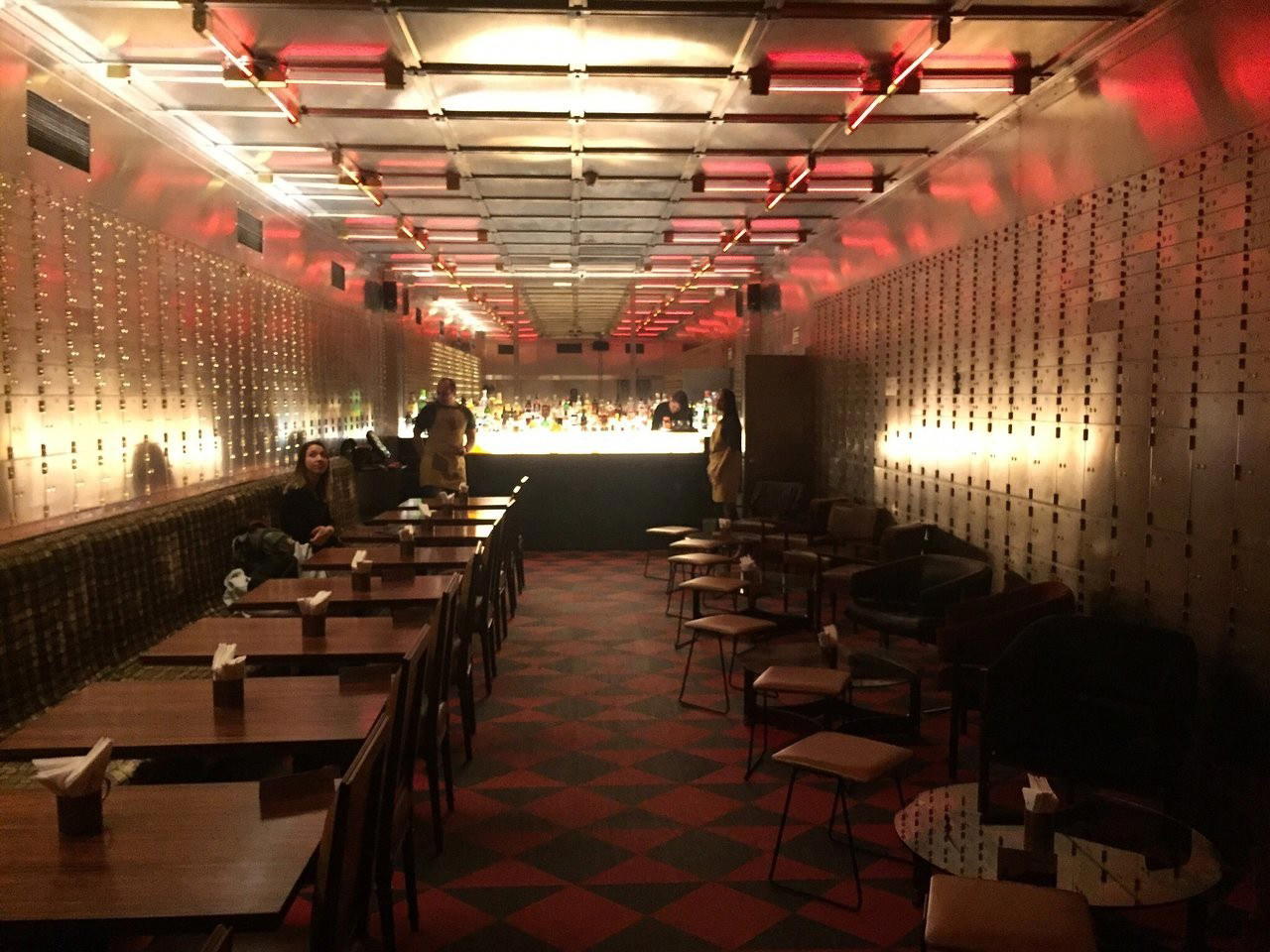
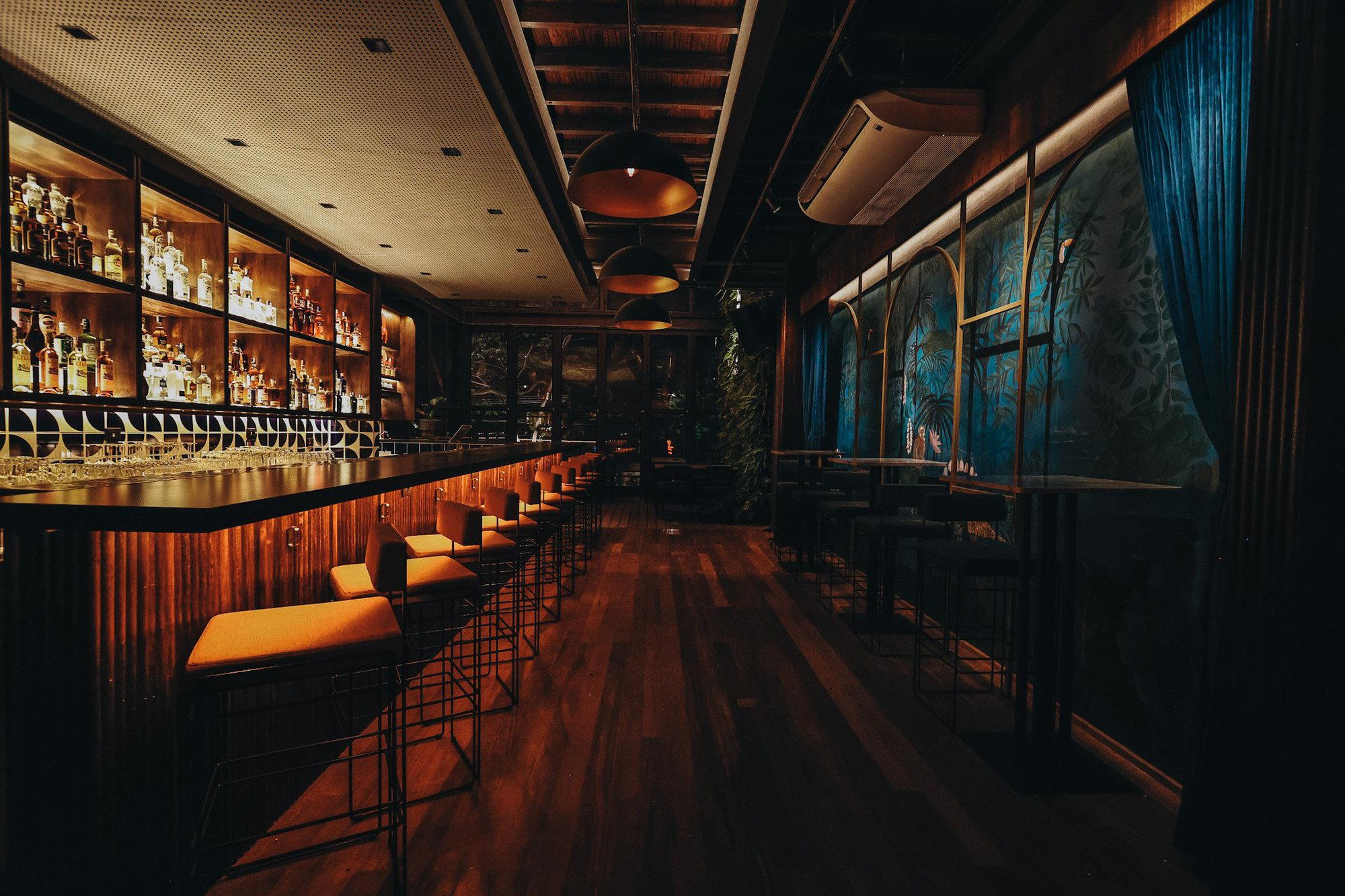
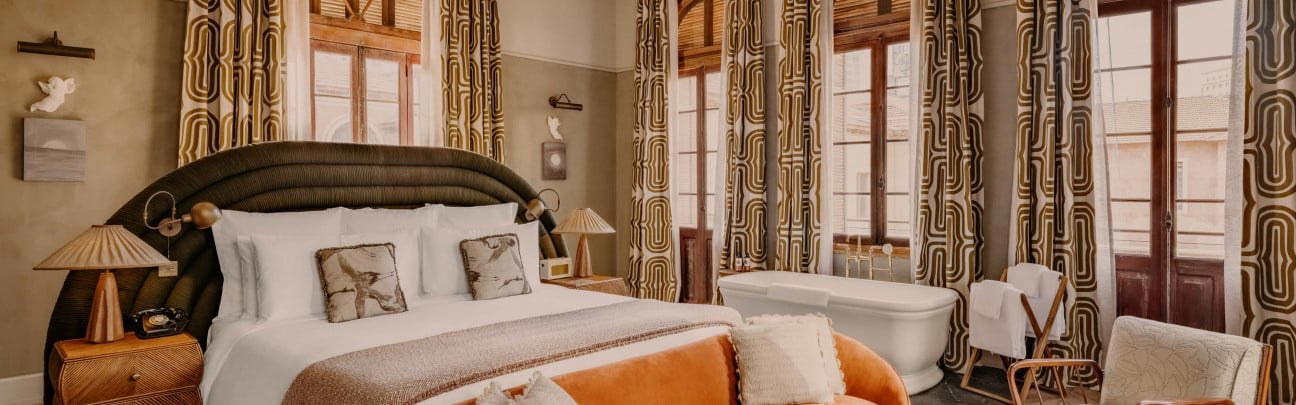
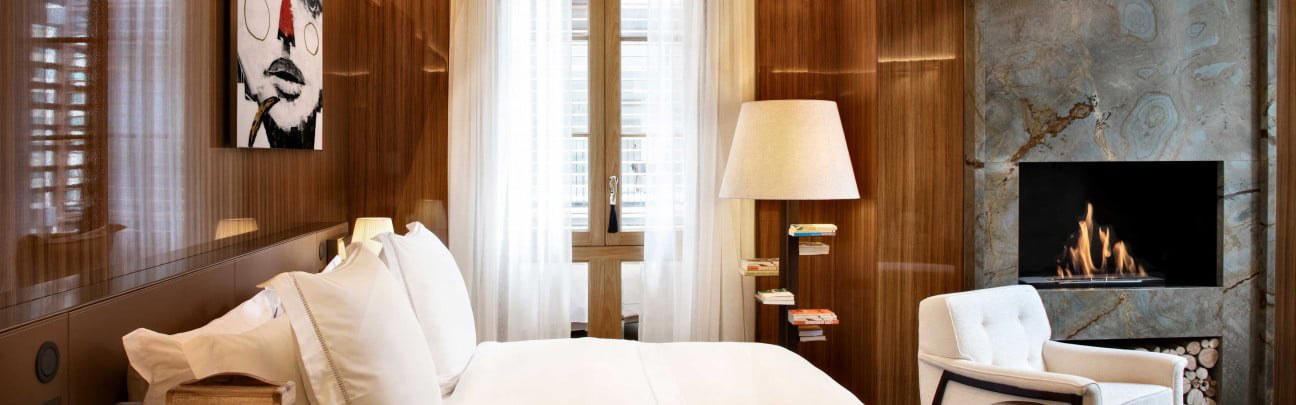
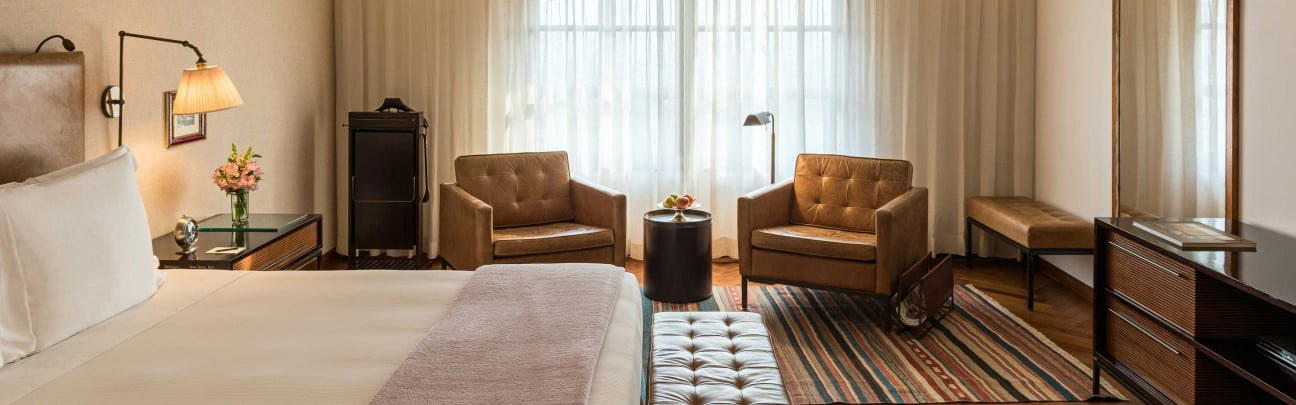
Charming homely atmosphere in an elegantly decorated dining room with wood elements, beautiful photos, original brickwork, and tiling, creating a warm and pleasant environment.