
Tabelog 100 #90
Our verdict
Jensen is a Motoyoyogicho bakery and cake shop in Tokyo, selected for Tabelog Bread TOKYO “Tabelog 100” in 2020 and 2022. Its appeal sits in the city’s quieter bread culture: small-format, take-out focused, modestly priced, and rooted in daily buying rather than occasion dining.

Pearl is the En Primeur Club membership app, where members save venues, book tables and use the concierge.
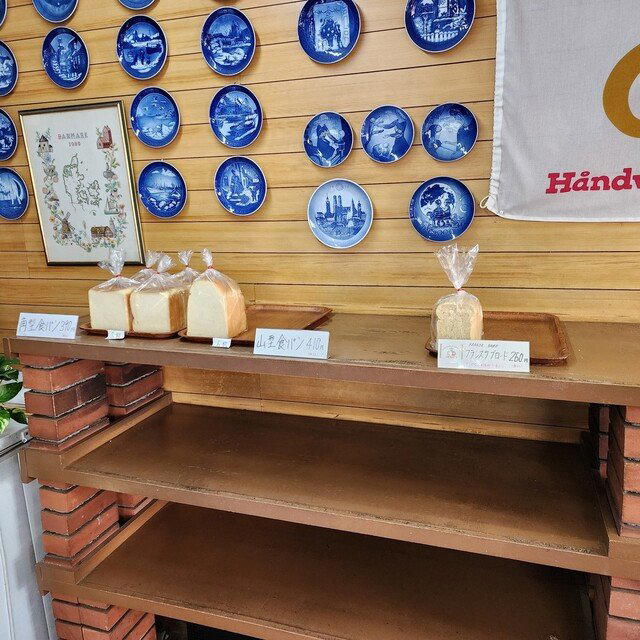
Tokyo moves at many tempos beyond the dining corridors that define the city for visitors. In its everyday food culture, bread before a walk, cake after errands, and something carried home can matter as much as a staged counter meal. Jensen belongs to that lower-volume rhythm, where the room matters less than production discipline and the decision happens at the shelf, not over a long menu.
Tokyo’s serious bread culture is easy to underestimate because it rarely announces itself with ceremony. Bakeries compete through consistency, timing, flour handling, and restraint. Recognition is not built around tasting-menu theatre; it comes from repeat custom and narrow specialization. Jensen’s selection for Tabelog Bread TOKYO “Tabelog 100” in 2022 places it inside that specialist bracket, a useful signal in a city where bakeries can be as destination-driven as restaurants.
Tokyo bread culture favors daily precision over dining-room drama
The environmental argument for a bakery like this is structural, not slogan-driven. Bread and cake shops built around focused production often run on short cycles, visible turnover, and local demand. That rewards accurate baking volumes and punishes excess more directly than dining rooms with broad menus and long prep lists. Tokyo’s stronger bakeries work in this practical economy: make enough, sell through, repeat the next morning.
That is why the category deserves attention from travelers who usually chase formal counters and carefully sequenced rooms. A good bakery purchase in Tokyo is a compressed reading of the city’s daily habits. Jensen’s bread-and-cake focus fits that smaller scale well. The point is not lingering over ceremony; it is choosing precisely and moving on.
Compared with other Tokyo dining rooms, the bakery category asks for different judgment. There is no course progression to hide behind and no beverage pairing to widen the frame. Bread and cake expose sourcing decisions, production discipline, and freshness in a narrower register. That severity is part of the pleasure.
A Tabelog Bread 100 address in a city that treats bakeries seriously
Tabelog’s Bread 100 lists matter because they separate casual popularity from category-specific strength. Jensen’s appearance in the 2022 Tokyo selection indicates recognition within a specialist field rather than a generic recommendation. Its 3.73 score sits within a demanding review culture where small differences carry weight. For travelers, that combination is more useful than a broad bakery tip: it identifies a shop read against other bread specialists, not just nearby cafés.
The price position also shapes the editorial case. Tokyo can make premium dining feel financially abstract, especially at counters where scarcity drives the conversation. A bakery listed at - JPY 999 keeps the emphasis on craft without turning the stop into a major meal decision. It is a strong counterpoint to the city’s reservation-heavy dining circuit and a practical addition to a day built around parks, galleries, or station-to-station wandering.
There is also a useful sustainability lesson in the limited-format shop. A tighter category mix, bread and cake rather than a sprawling all-day menu, generally reduces operational complexity. It narrows ingredient streams, simplifies production planning, and keeps the guest focused on what the shop is designed to do. No ethical claim should be inflated without supplier detail, but the format itself is more disciplined than the everything-for-everyone café model now common in major cities.
For a broader Tokyo food itinerary, Jensen works as a quiet calibration point. It sits far from the spectacle sometimes attached to themed rooms and from the sharper logic of compact lunch counters. Within the comparison group, it also occupies a more everyday role than places such as Raisan or Shizuru. That matters: the city’s food culture is expressed not only through expensive meals, but through repeatable habits locals can fold into the week.
How to place it in a Tokyo itinerary without overplanning
Treat Jensen as a Tokyo bakery stop, not a substitute for dinner. Build it into a wider city route, then let the rest of the day carry heavier reservations. Its bread-and-cake identity suits daylight planning better than a formal evening schedule. The focus stays on purchase, pace, and a small-format food decision.
Small Tokyo food businesses often reward simple planning. Carrying a modest budget, allowing for sell-through, and keeping the stop flexible will usually serve travelers better than treating a bakery like a fixed restaurant booking. Jensen’s appeal is strongest when folded into the day rather than made to carry the whole itinerary.
Travelers mapping a fuller Tokyo stay can use Jensen as the low-key bread marker between larger meals and bar plans. For citywide context, see Our full Tokyo restaurants guide, Our full Tokyo hotels guide, Our full Tokyo bars guide, Our full Tokyo wineries guide, and Our full Tokyo experiences guide. For comparison beyond the capital, the same habit of reading small formats applies across other cities and casual food stops, where the best evidence is often found in repeatable daily demand rather than spectacle.
The editorial value is modest but clear. Jensen is not the grand gesture of Tokyo dining; it proves the city’s exacting food standards extend to everyday bread and cake. That makes it especially useful for travelers who want a meal plan with texture: one serious reservation, one bakery stop, one walk, and fewer performative stops than the algorithm suggests.
Budget and Context
Comparable venues for context, by category and price tier.
| Venue | Cuisine | Price | Awards | Notes |
|---|---|---|---|---|
| JensenThis venue (the venue you are viewing) | Danish-style bakery and cake shop | $1–10 | Tabelog 100 #90 | Not listed |
| GELATERIA VITALI | Not listed | $1–10 | Tabelog 100 #80 | Meguro, Florentine-style chocolate gelato shop |
| Atsunko Pan | Artisan bread and bagel bakery | $1–10 | Tabelog 100 #49 | Chiyoda, Artisan bread and bagel bakery |
| Topca Kanda honten | Japanese & Indian-style Curry House | $10–20 | Tabelog 100 #50 | Chiyoda, Japanese & Indian-style Curry House |
| Katane Bakery | Shibuya, Neighborhood bakery & café | $1–10 | Tabelog 100 #80 | Not listed |
| CIVITAS | Japanese kissaten cafe & pancakes | $10–20 | Tabelog 100 | Ōta, Japanese kissaten cafe & pancakes |
Recognition history
Dated appearances from independent guides and award organizations, with the underlying list record or original source where available.
Tabelog 100 #90 · No. 90
Tabelog · Tabelog 100 - Bread - TOKYO - 2022
Continue exploring
More in Tokyo
Restaurants in Tokyo
All restaurants in Tokyo →


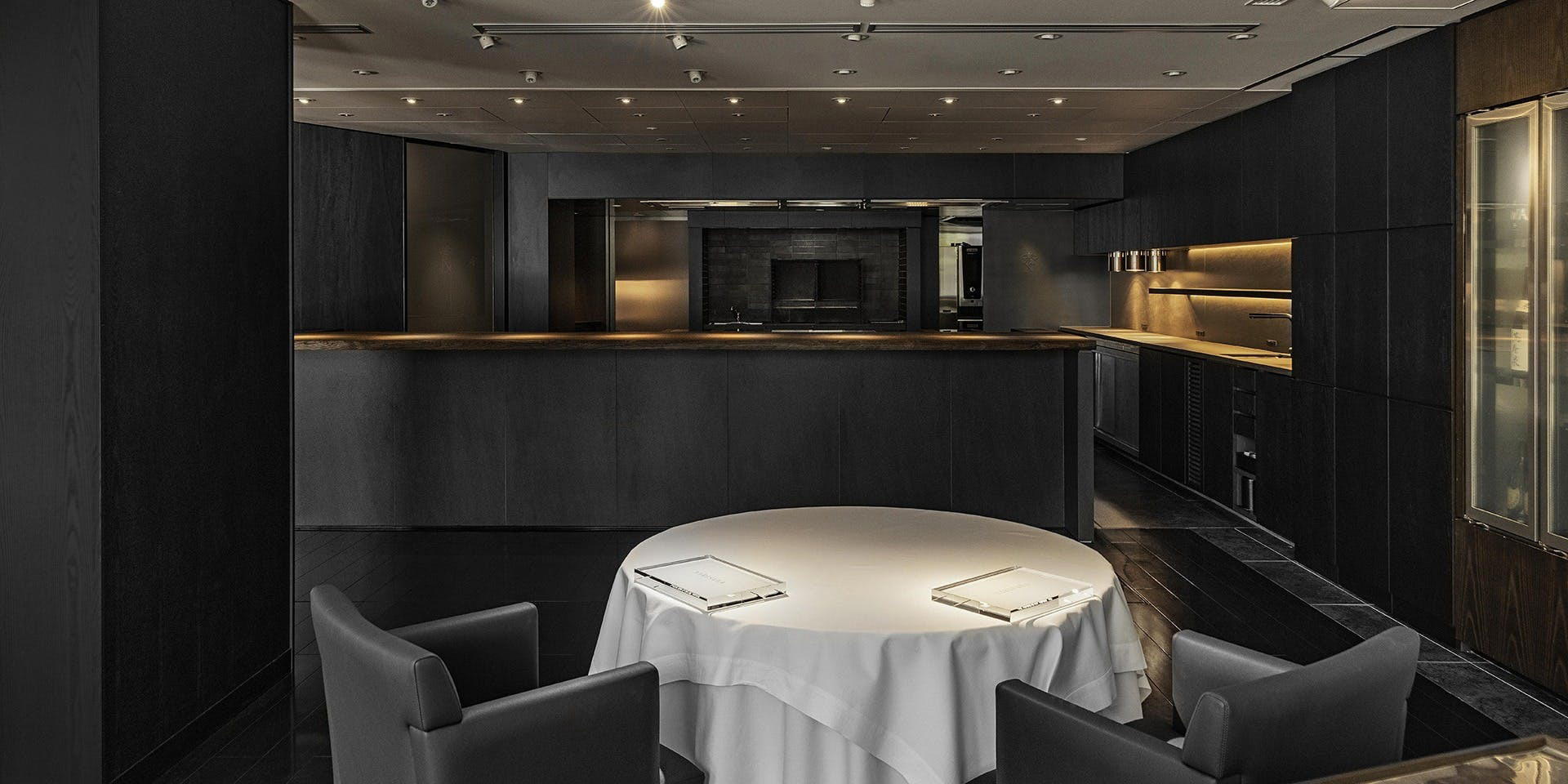

Bars in Tokyo
All bars in Tokyo →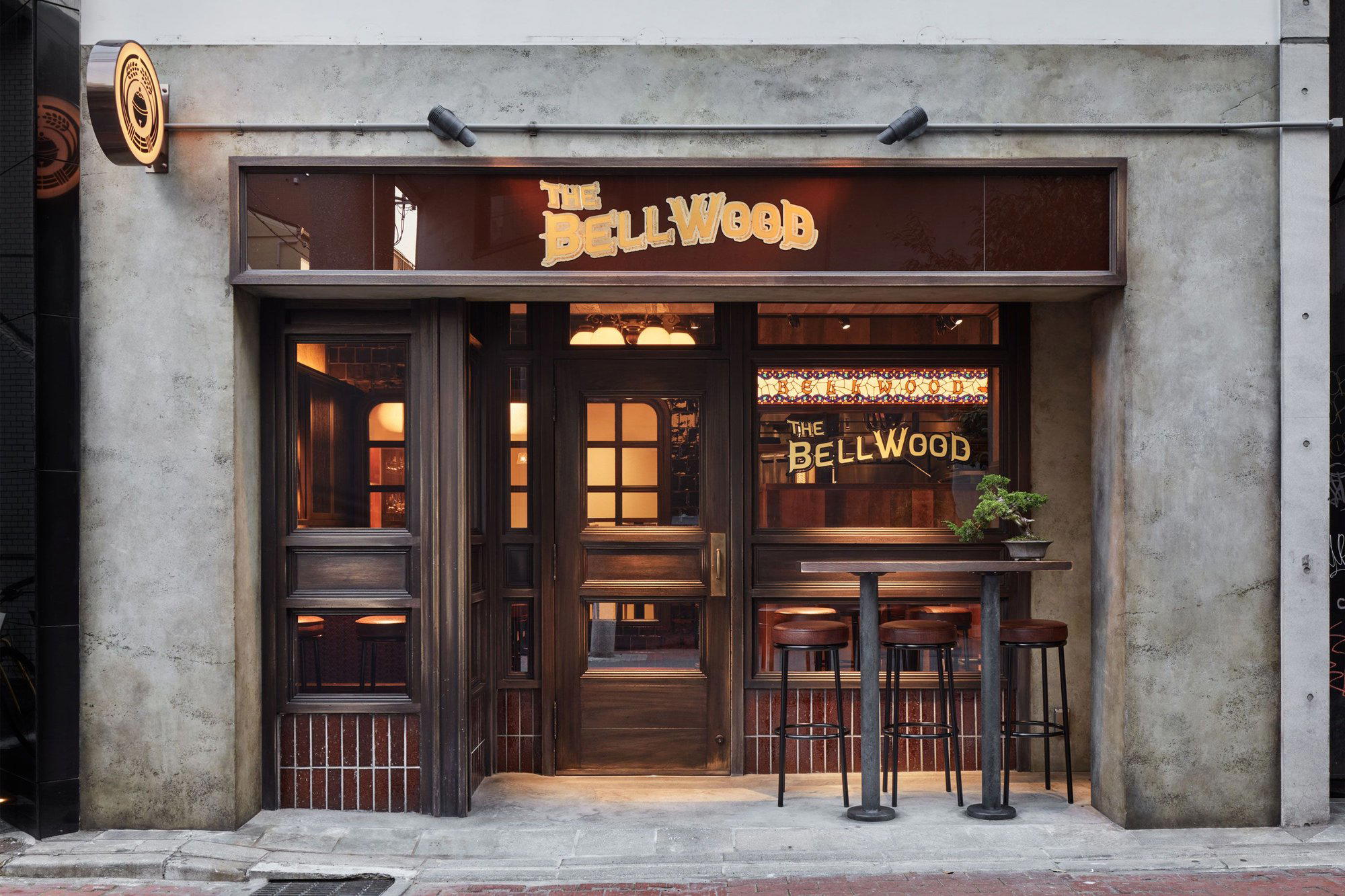






Details
- Cozy
- Classic
- Solo
- Family
- Casual Hangout
- After Work
- Standalone
- A La Carte
- Counter Dining
Current opening hours
- Monday
- 9 AM–7 PM
- Tuesday
- 9 AM–7 PM
- Wednesday
- 9 AM–7 PM
- Thursday
- 9 AM–7 PM
- Friday
- 9 AM–7 PM
- Saturday
- 9 AM–4 PM
- Sunday
- Closed
Hours can change for holidays and private events. Hours as of .
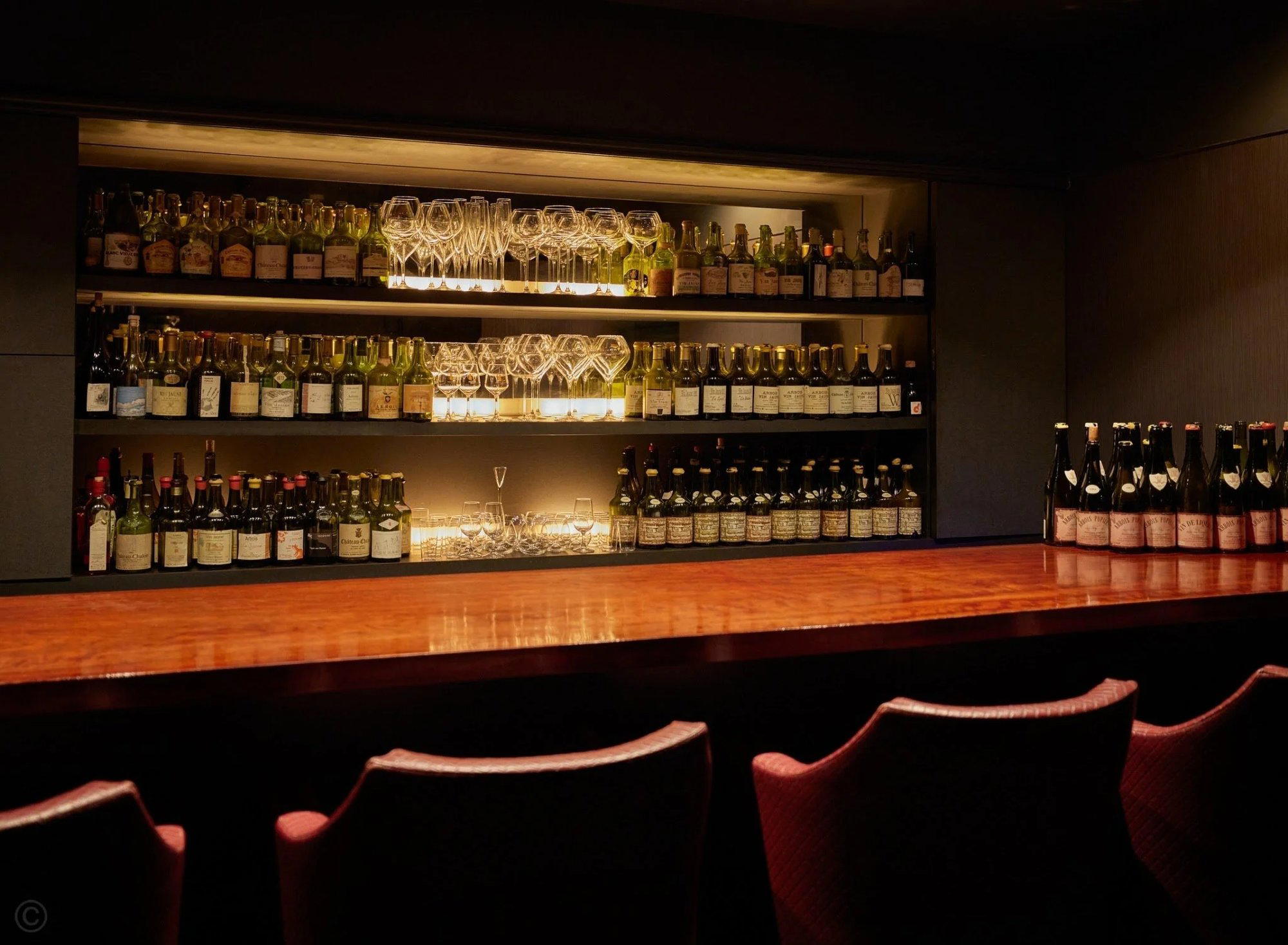
A small, non-smoking neighborhood bakery with a classic Nordic feel, tucked into a residential street near Yoyogi Hachiman; it functions mainly as a take-out shop, so the atmosphere is calm and low-key rather than a sit-down café.