Javanegra Gourmet Atelier occupies a residential pocket of Kebayoran Baru in South Jakarta, operating within a segment of the city's dining scene where European technique meets Indonesian produce. The atelier format signals an attention to craft over volume, placing it in a category where the kitchen's methodology matters as much as the menu itself.
Pearl is the En Primeur Club membership app — saves, bookings, and concierge access live there. Same editors, same standards.
- Address
- Jl. Kramat Pela Raya No.212 11, RT.10/RW.7, Pulo, Kec. Kby. Baru, Kota Jakarta Selatan, Daerah Khusus Ibukota Jakarta 12140, Indonesia
- Phone
- +6281318613638
- Website
- javanegragourmet.com
- Directions
- Get directions
 Saves & bookings on Pearl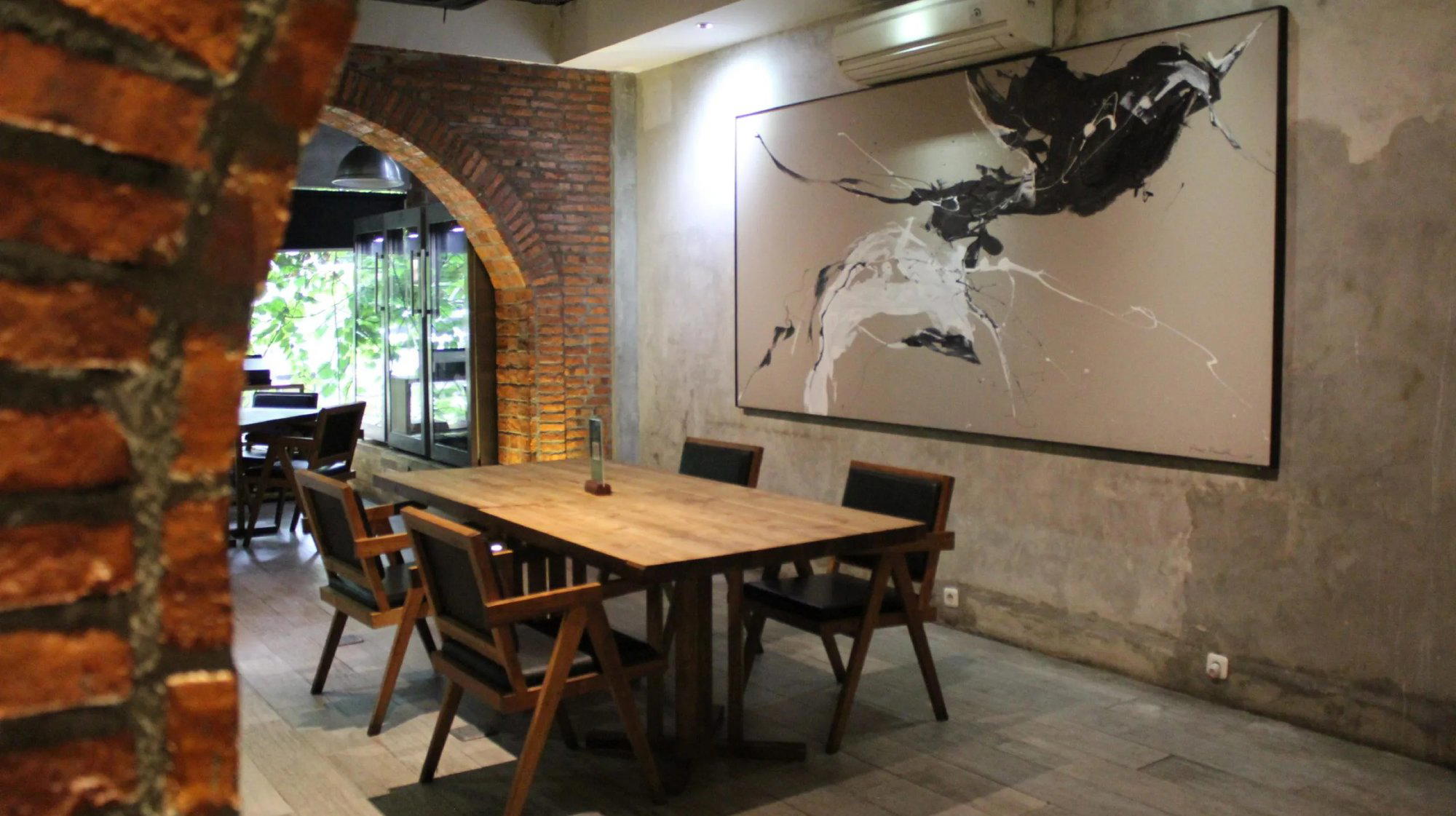
South Jakarta's Atelier Model: Where Technique Meets Terroir
Kebayoran Baru has quietly become one of South Jakarta's more considered dining districts. Away from the mall-anchored clusters of SCBD and the louder commercial strips further north, Jl. Kramat Pela Raya sits in a residential corridor where smaller, more deliberate formats have taken hold. The buildings here tend toward shophouse conversions and low-slung residential structures repurposed for food and retail, a neighbourhood grain that tends to attract operators more interested in craft than footfall volume. Javanegra Gourmet Atelier at No. 212 fits that pattern: the word "atelier" in the name signals a production-first philosophy, borrowed from the language of couture and applied to a kitchen context.
The term "gourmet atelier" carries specific implications in the way Jakarta's more serious dining scene has evolved over the past decade. It suggests a workspace as much as a dining room, a place where the labour of preparation is foregrounded rather than hidden. That framing has become more common across Southeast Asian cities as a generation of cooks trained abroad, in French kitchens, at Scandinavian-influenced establishments, or under Japanese precision-led mentors, returned home and applied those techniques to local supply chains.
The Logic of Local Ingredients Under Imported Method
Indonesia's agricultural range is formidable by any measure. The archipelago spans more than 17,000 islands and produces a correspondingly varied larder: coffee from Aceh and Flores, vanilla from Java, cacao with genuine regional variation, spices that defined centuries of global trade routes, reef fish and freshwater species that rarely appear on international menus, and a spectrum of tropical produce that European-trained palates often encounter for the first time in their natural context. The interesting culinary question, and the one that restaurants operating in Javanegra's general category have to answer, is how much of that range actually reaches the plate in recognisable form, versus being processed into a sauce or a garnish that could have been produced anywhere.
The atelier approach, when applied rigorously, tends to keep ingredients more legible. The technique frames rather than transforms. That's a different proposition from the modernist deconstruction model that dominated ambitious restaurants globally in the 2000s and early 2010s, where the source material could become almost unrecognisable. Venues operating in this mode sit closer in spirit to what Locavore NXT in Ubud has demonstrated in Bali: a commitment to Indonesian supply chains treated with European structural discipline. Jakarta's version of that conversation is necessarily different, more urban, more cosmopolitan, with a diner base that travels frequently and benchmarks against international references.
For comparison, the restaurants that have established the clearest critical footprint in Jakarta's upscale tier, places like August and Bistecca, tend to anchor around a dominant protein or a tightly defined culinary identity. The atelier model is structurally different: it implies a rotating focus, a kitchen that experiments with format and season rather than locking into a single signature direction. That flexibility can be a strength or a liability depending on execution consistency.
Kebayoran Baru in the Context of South Jakarta Dining
South Jakarta's dining geography rewards some knowledge before you visit. The area is large and the character shifts considerably by sub-district. Kemang, a few kilometres south, has a well-established expatriate dining circuit with venues like Abunawas Restaurant anchoring its Indonesian end. The SCBD corridor skews toward international branded concepts and rooftop formats. Kebayoran Baru sits between those poles, with a quieter residential character that has historically attracted independent operators. The area around Jl. Kramat Pela Raya is reachable by GrabCar or GoJek from most central Jakarta points; public transit coverage in this specific pocket is limited, and the street layout favours those arriving by private vehicle or ride-hailing rather than on foot from a major transit hub.
That logistical context matters for planning. Midweek lunch slots, where available, tend to move more smoothly.
Positioning Against Jakarta's Wider Fine-Dining Field
Jakarta's premium dining scene has expanded considerably since 2015, absorbing influences from multiple directions simultaneously. The city's exposure to Japanese technique, visible in the proliferation of omakase counters and kaiseki-adjacent formats, sits alongside a French-trained cohort that has produced several of the city's more structured tasting-menu operations. There is also a notable hotpot and Chinese-heritage strand, represented elsewhere in the city by venues like Chongqing Liuyishou Hotpot and Hai Di Lao, which operates at a different register entirely.
Where an atelier format like Javanegra positions itself is in the gap between those clearly defined categories: not a steakhouse on the model of Aged + Butchered Jakarta, not a casual-international café on the model of Bakerzin Central Park, and not the technically rigorous but approachable format of Kita Restaurant and Bar in Menteng. The atelier positioning implies something more workshop-like, more subject to the kitchen's current preoccupations, which at its leading produces genuinely original cooking, and at its worst produces inconsistency.
The global reference points for what this kind of venue is trying to achieve are worth naming. The labour-intensive, ingredient-reverent model that restaurants like Le Bernardin in New York have sustained at the highest level, or the Korean-inspired technical precision of Atomix, both demonstrate what happens when a defined technique is applied with total consistency to a specific ingredient vocabulary. Jakarta's version of that conversation is still forming, and the atelier category is where some of that formation is happening.
Planning Your Visit
Javanegra Gourmet Atelier is located at Jl. Kramat Pela Raya No.212, in the Pulo area of Kebayoran Baru, South Jakarta. Given the neighbourhood's limited pedestrian infrastructure, arriving by ride-hailing app is one practical approach for most visitors. Current hours, pricing, and reservation availability are best confirmed directly with the venue, as atelier-format operations in Jakarta frequently adjust their schedules and formats seasonally.
Comparable Venues
Comparable venues nearby, for context on price, style, and recognition.
| Venue | Cuisine | Price | Notes |
|---|---|---|---|
| Javanegra Gourmet AtelierThis venue — the venue you are viewing | Spanish-Mediterranean Gourmet | $$$ | Not listed |
| PUTIEN - Sawah Besar | Fujianese Chinese | $$$ | Maphar |
| Okuzono Japanese Dining | Modern Japanese Izakaya | $$$ | Selong |
| Seasonal Tastes at The Westin Jakarta | International Buffet | $$$ | Karet Kuningan |
| Osteria GIA Pondok Indah Mall 2 | Casual Italian Trattoria | $$$ | Pondok Pinang |
| Nona Grill Huis | Speciality Steakhouse | $$$ | Pondok Pinang |

At a Glance
- Intimate
- Elegant
- Cozy
- Sophisticated
- Date Night
- Special Occasion
- Group Dining
- Business Dinner
- Open Kitchen
- Private Dining
- Extensive Wine List
- Local Sourcing
Current opening hours
- Monday
- 9 AM–10 PM
- Tuesday
- 9 AM–10 PM
- Wednesday
- 9 AM–10 PM
- Thursday
- 9 AM–10 PM
- Friday
- 9 AM–10 PM
- Saturday
- 9 AM–10 PM
- Sunday
- 9 AM–10 PM
Hours can change for holidays and private events. Last verified .
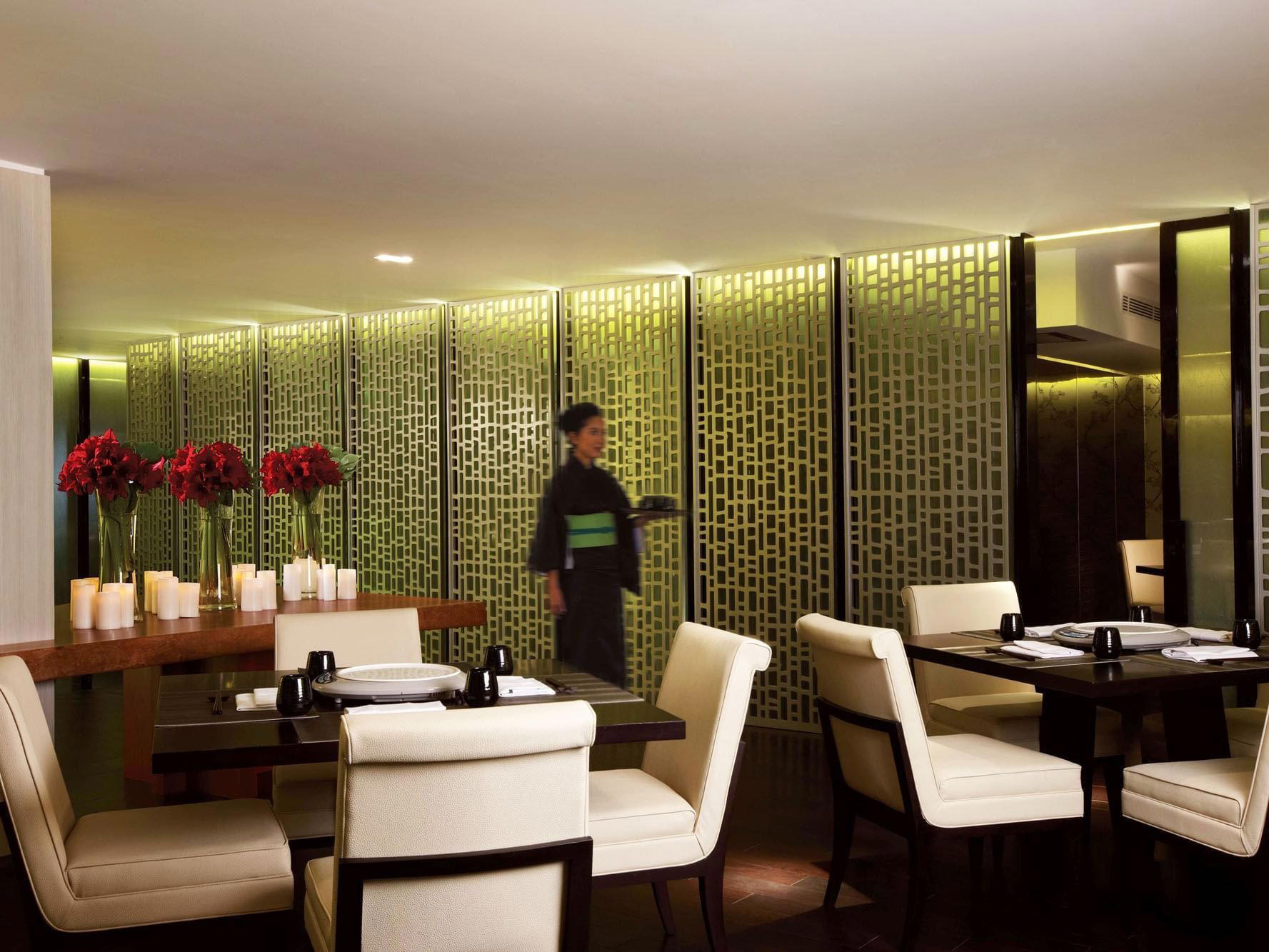
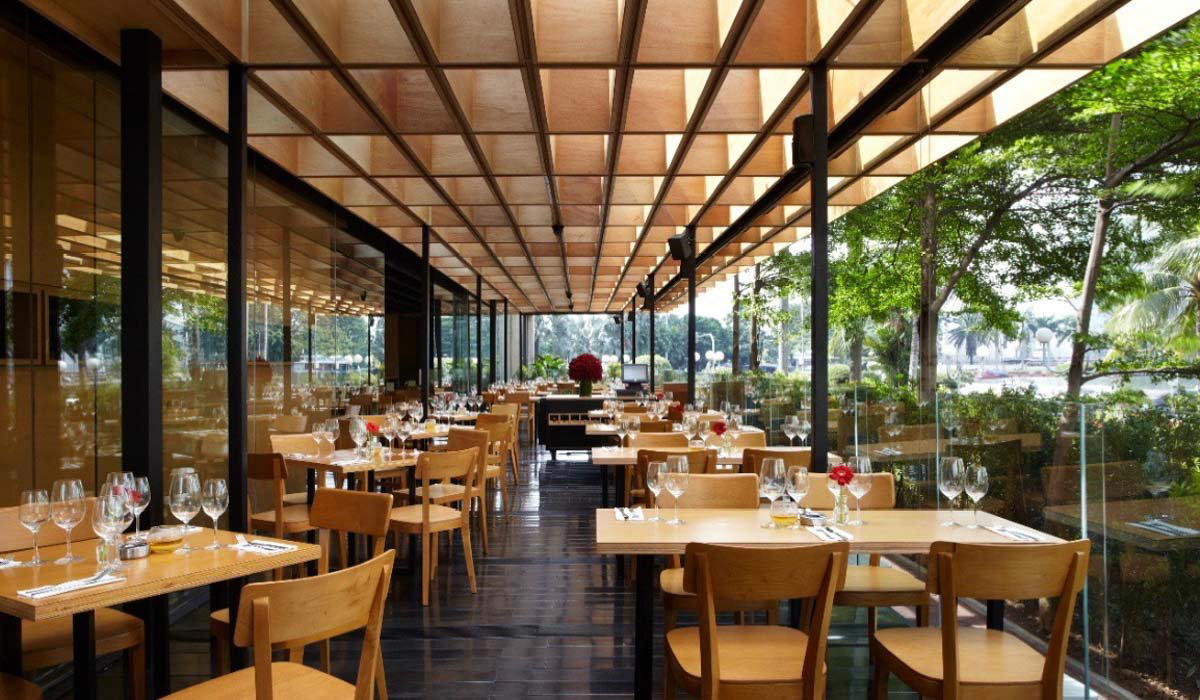
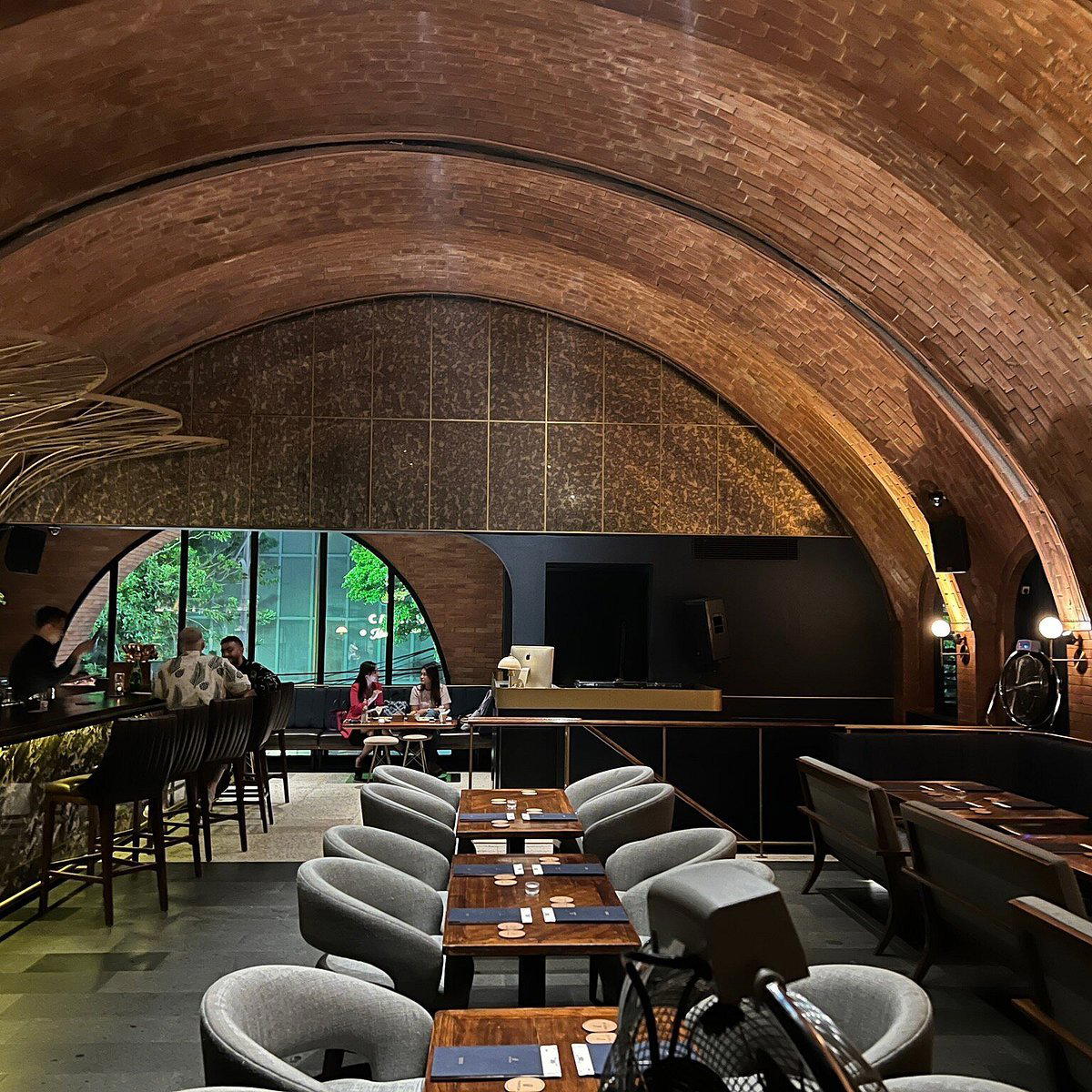
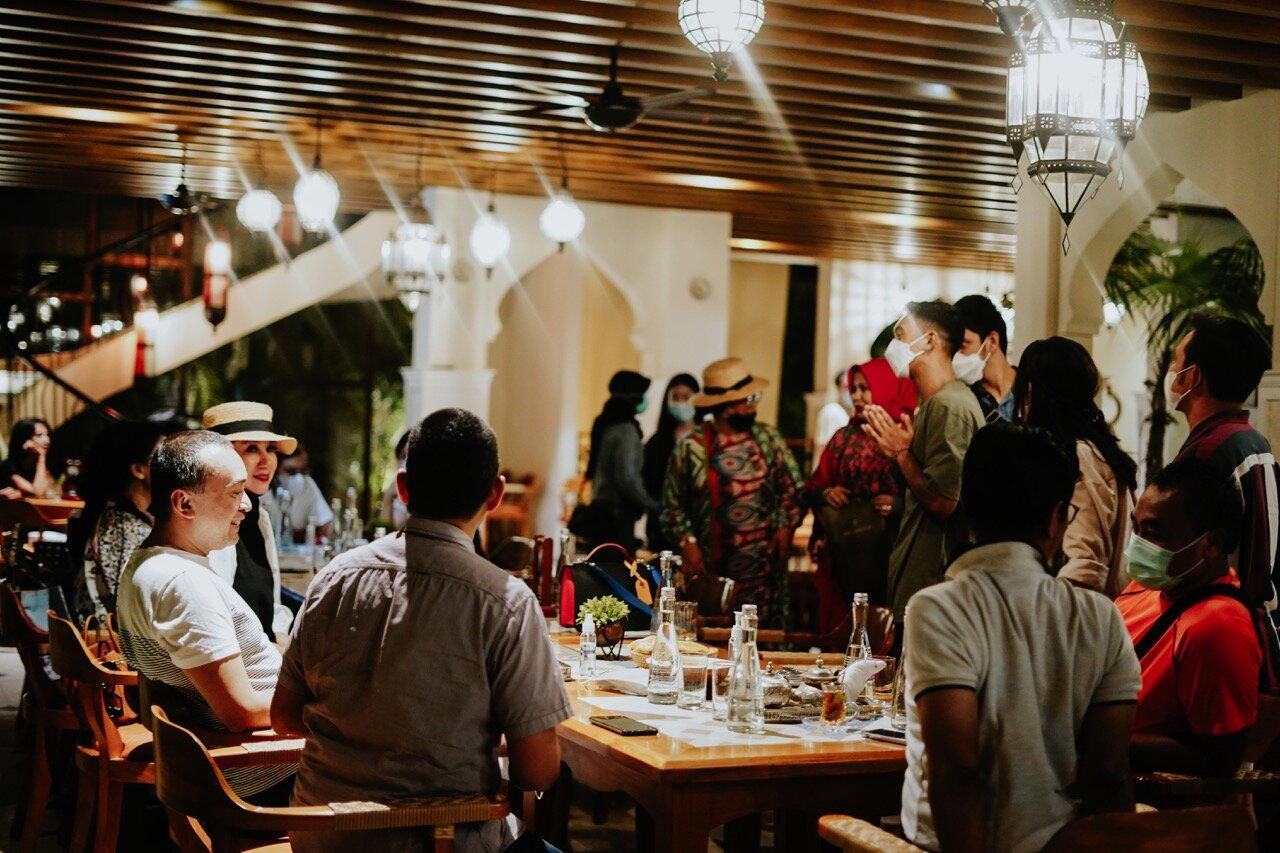
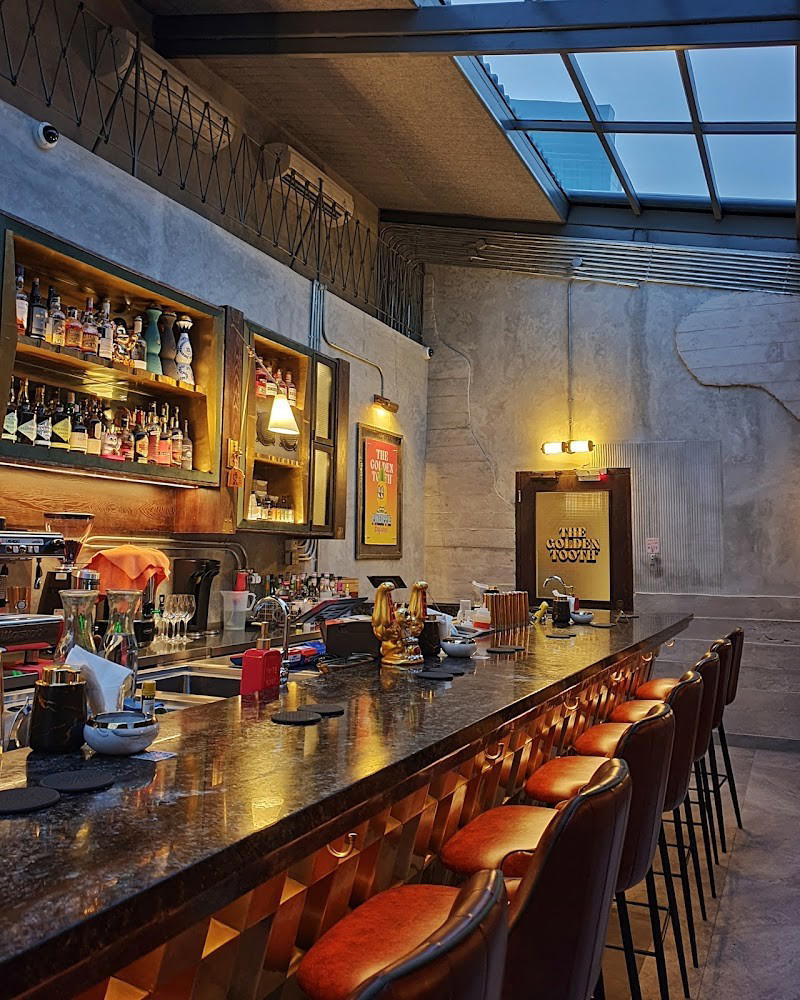
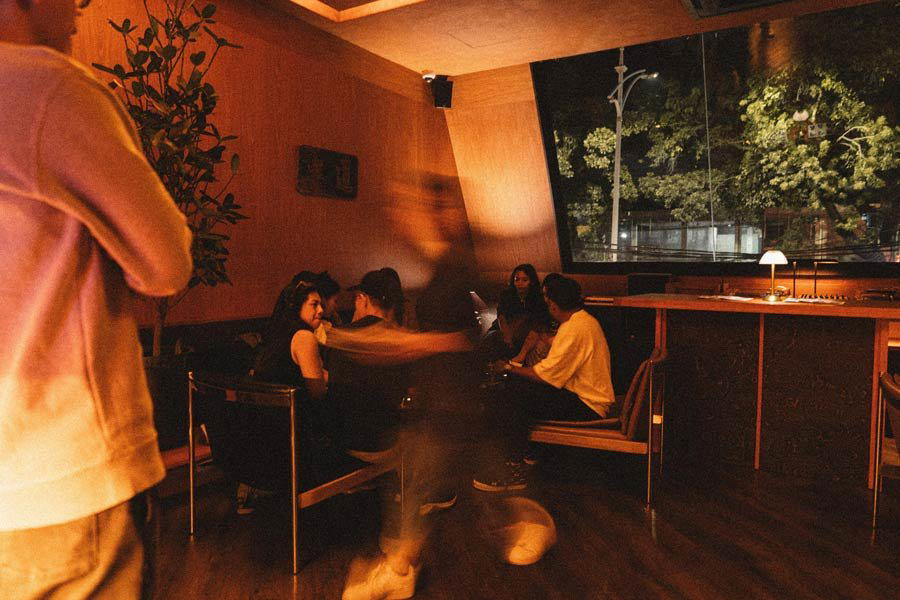
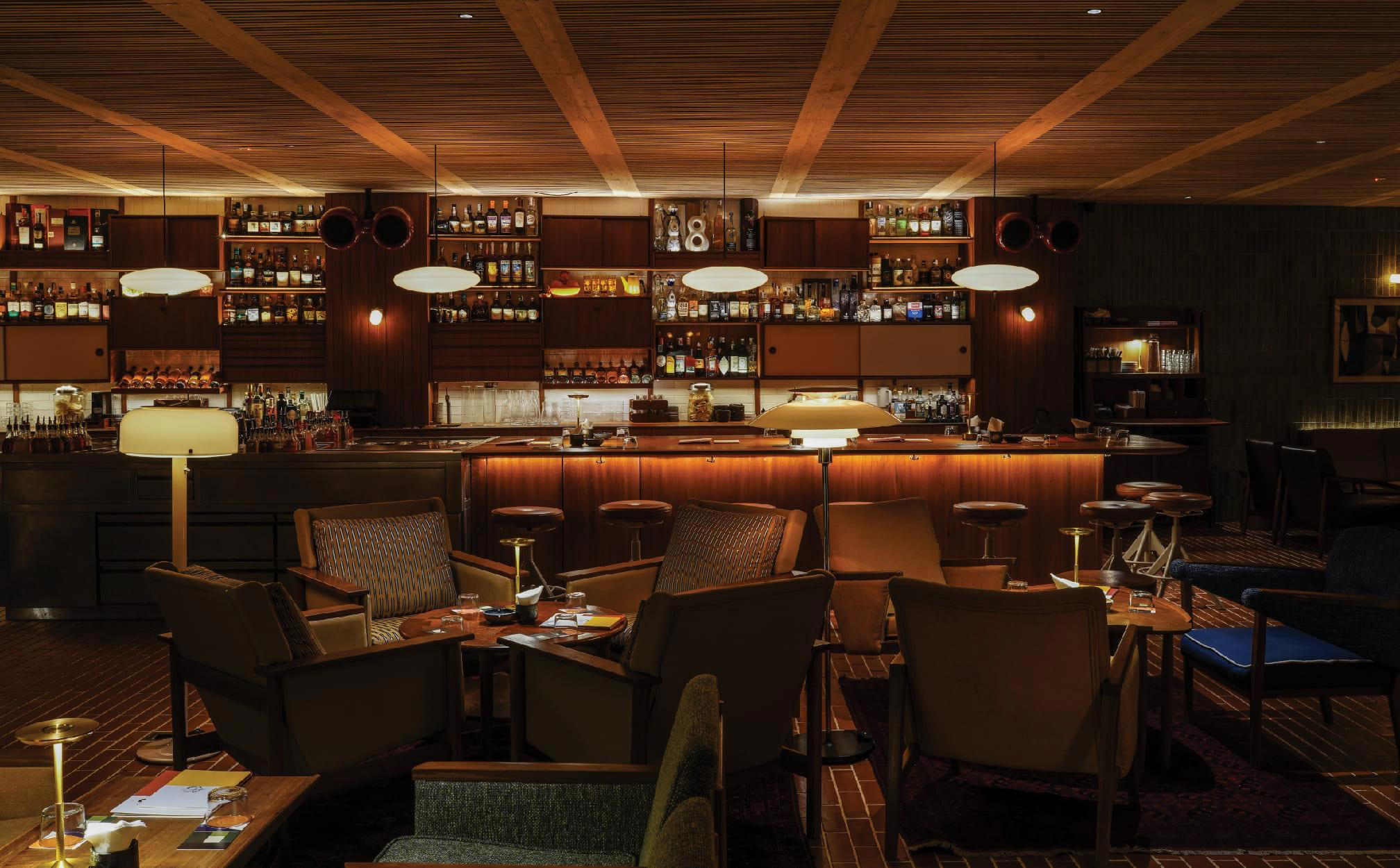
Warm, cozy, and exclusive atmosphere with an open kitchen design allowing diners to observe food preparation; intimate setting with table dividers providing privacy while maintaining a social dining environment.